
Blog · Page 3 of 4
Window, Door & Home Advice for Minnesota Homes
Straight answers on window replacement cost, patio and entry doors, finish carpentry, permits and hiring a contractor in Minnesota from a licensed local crew.

Window & Door Insurance Claims in Minnesota: A Homeowner's Guide
A window or door storm claim in Minnesota goes in this order: photograph everything before touching it, make temporary repairs and keep the receipts, file with the date of loss, and have a contractor's scope in hand when the adjuster comes. Most standard policies cover sudden storm damage to windows, doors and frames. Minnesota law bars any contractor from paying or waiving your deductible. Use a licensed local contractor, not the crew that knocked after the hail.

Does Window Replacement Increase Home Value? The ROI Breakdown
Yes. The 2025 Cost vs. Value Report puts vinyl window replacement at about 68% of cost recouped at resale and wood at about 61%, ahead of most interior remodels. The bigger effect runs the other way: fogged glass, rotted sills and painted-shut sashes cost more at the negotiating table than the replacement would have. Fix the failed units before you list.

How to Choose a Window Contractor in Minnesota (Without Regrets)
Choose a window contractor in Minnesota by checking four things: a residential building contractor license you can verify on the DLI website, certificates of liability insurance and workers' comp, a written quote that names the window, glass package, insert or full-frame scope, sealing method and trim for every opening, and no today-only pricing. The window is a commodity. The installer is the variable.
Drafty Windows: What You Can Fix and When to Replace
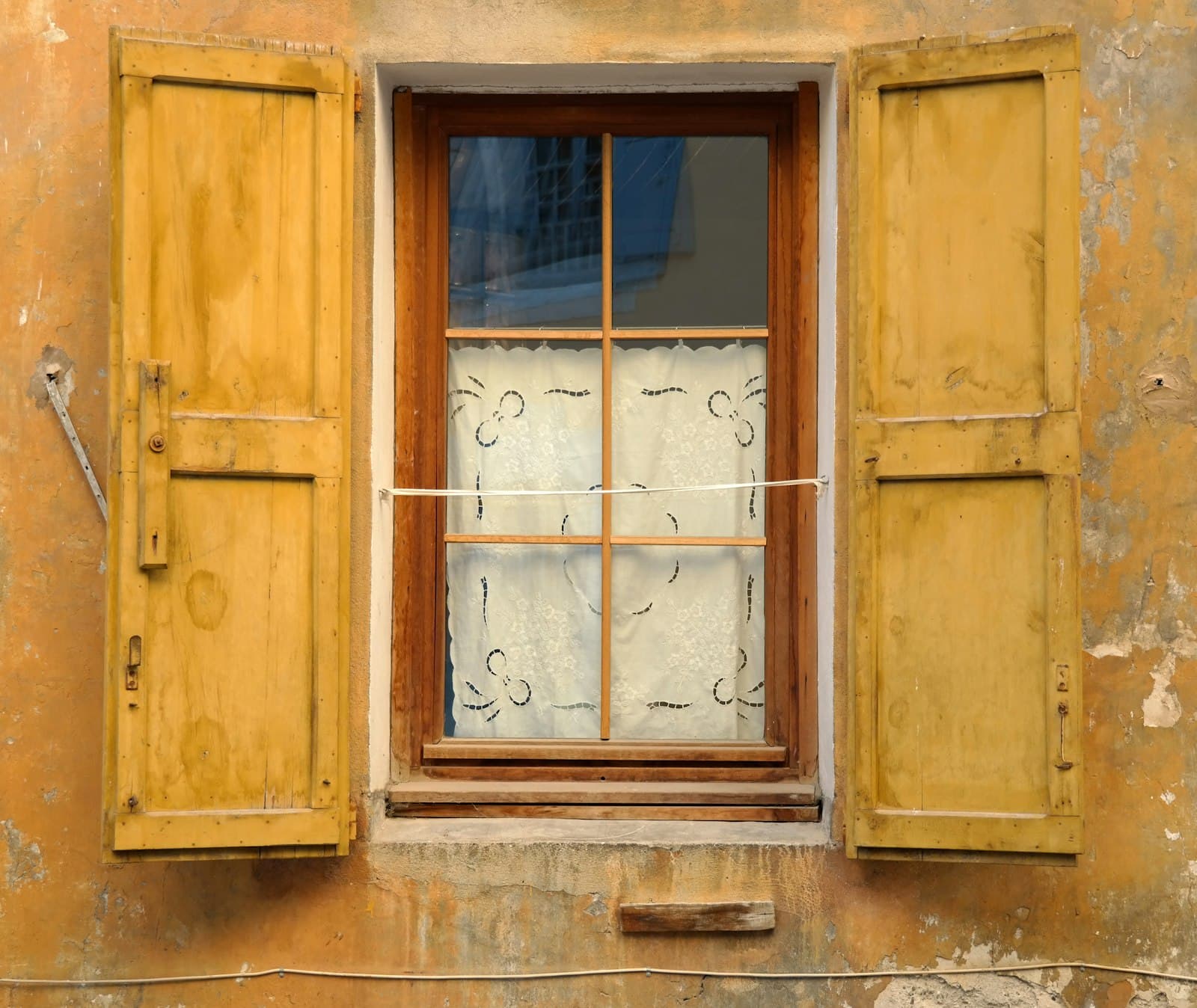
Fix a drafty window when the frame is sound, the glass is intact and the leak is at the sash or frame perimeter: new weatherstripping, foam behind the casing or a tighter lock. Replace it when there is rot, a racked frame, fogged or single-pane glass, or you are fixing the same window twice. Some drafts die with a tube of caulk. Others are a verdict on the window.

How Much Do Energy-Efficient Windows Really Save in Minnesota?
Energy-efficient windows save the most when they replace single-pane glass: ENERGY STAR's national estimate is up to about 13% off total household energy bills, and the heating share of a Minnesota bill takes a bigger cut than that. Replacing failed or builder-grade double-panes saves noticeably less, and replacing sound 2000s glass saves little. On energy alone, payback takes well over a decade. Comfort, condensation control and resale value are the rest of the case.

Can You Replace Windows in Winter in Minnesota? Yes — Here's How
Yes. Windows are replaced all winter in Minnesota. The crew works one opening at a time, so a window is out and back in within an hour and the room barely loses heat. Cold-weather foam, silicone or hybrid sealants and low-temperature flashing tape are rated for work below freezing when they are kept warm and put on dry, frost-free surfaces. Winter is also when the schedule is most open and when a failing window costs you the most.

How Long Does Window Installation Take? Timelines Explained
Window installation takes about an hour per insert window and a day or two for a whole house. The wait is the factory: standard vinyl runs 2–4 weeks, fiberglass and wood-clad 4–8. Plan on 4–10 weeks from a signed quote to finished windows in the Twin Cities, and start 2–3 months before you need it done.
A New Front Door: The Curb Appeal Upgrade With Real ROI
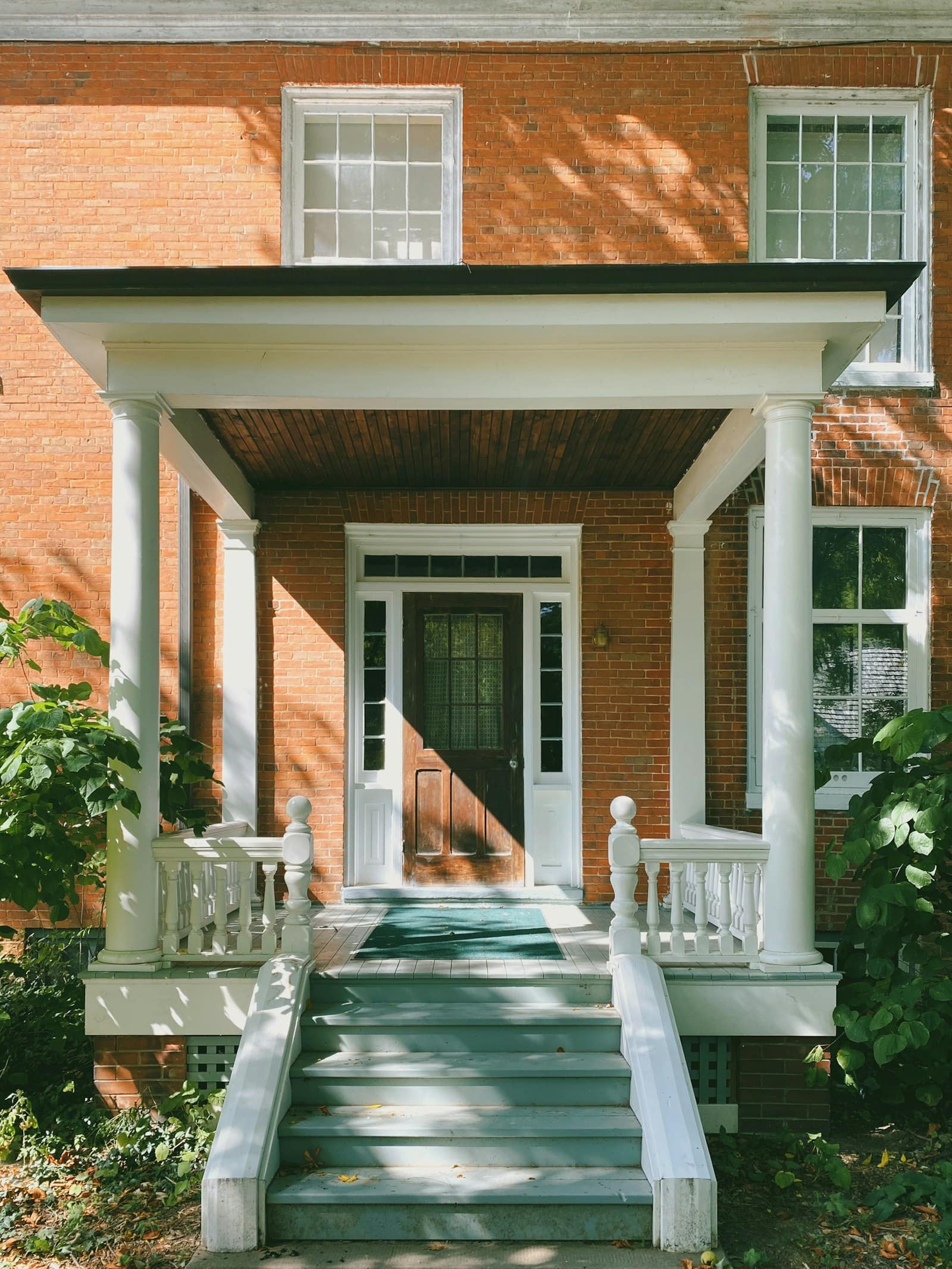
A new front door is worth it for three reasons: buyers see it first from the curb, it closes one of the biggest air leaks in the house, and it brings a new frame and strike with modern locks. Remodeling cost-versus-value reports put entry door replacement near the top for cost recouped. Spend on a prehung unit and the handleset, not a slab in an old frame.
How to Choose a Patio Door That Can Handle Minnesota Winters
A patio door that handles Minnesota winters has low-E argon glass with a whole-unit U-factor of 0.26 or lower, a frame that does not move much with temperature, a thermally broken sill with weep drainage, a reinforced and weatherstripped interlock, and a multi-point lock that pulls the panel tight. Then it has to be set level, sill-panned, foamed and flashed. The spec sheet only survives a proper install.
Drafty Front Door? Fixes That Work (and When to Stop Patching)
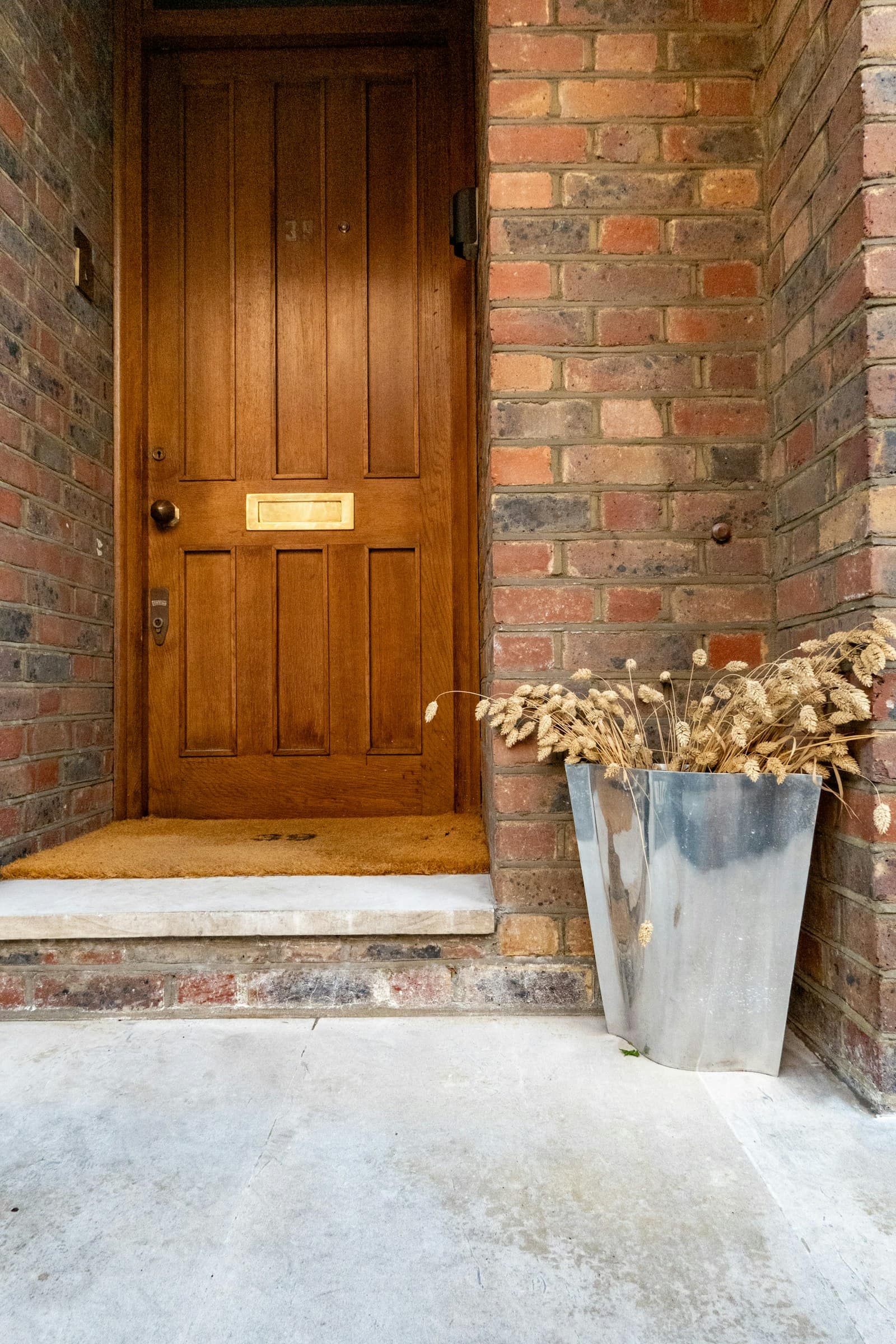
Fix a drafty front door in this order: new kerf-in weatherstripping, a new sweep, then adjust the threshold up until it just touches the sweep. That solves most drafts for the price of a weatherstrip kit, roughly $20–$40 at a hardware store by published prices. If the reveal is uneven, the deadbolt fights you or daylight shows at one corner, the slab or frame has moved. A warped or uninsulated door is done; replace it.

Patio Door Won't Slide? Causes, Fixes, and When to Replace
A patio door that will not slide has one of three problems: a dirty track, worn rollers, or a frame that has gone out of square. Clean and lubricate the track first. Then raise or replace the rollers. If it still binds at one end of its travel, the frame or sill has moved, usually rot or settling. Rot, fogged glass or a racked frame means replace.
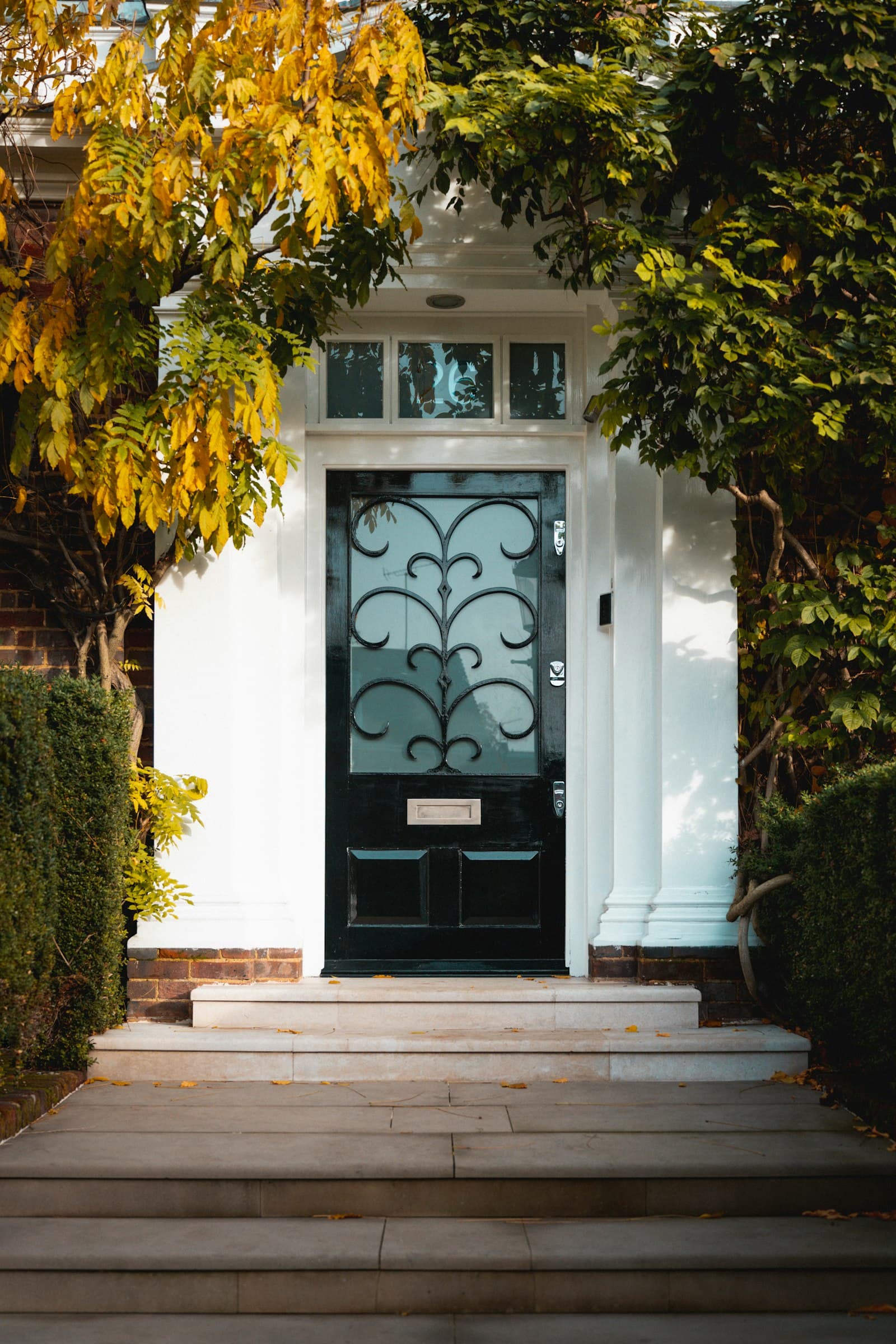
Fiberglass vs. Steel Entry Doors: An Honest Comparison
Fiberglass is the better entry door for a Minnesota front entry: it does not dent, does not rust, its skin does not conduct cold and it takes stain like wood. Steel is the better buy for a service door, garage entry or rental, typically $500–$1,500 less installed than a comparable fiberglass unit by published 2026 estimates. Both insulate with a foam core; the frame, weatherstripping and install decide how the door seals.
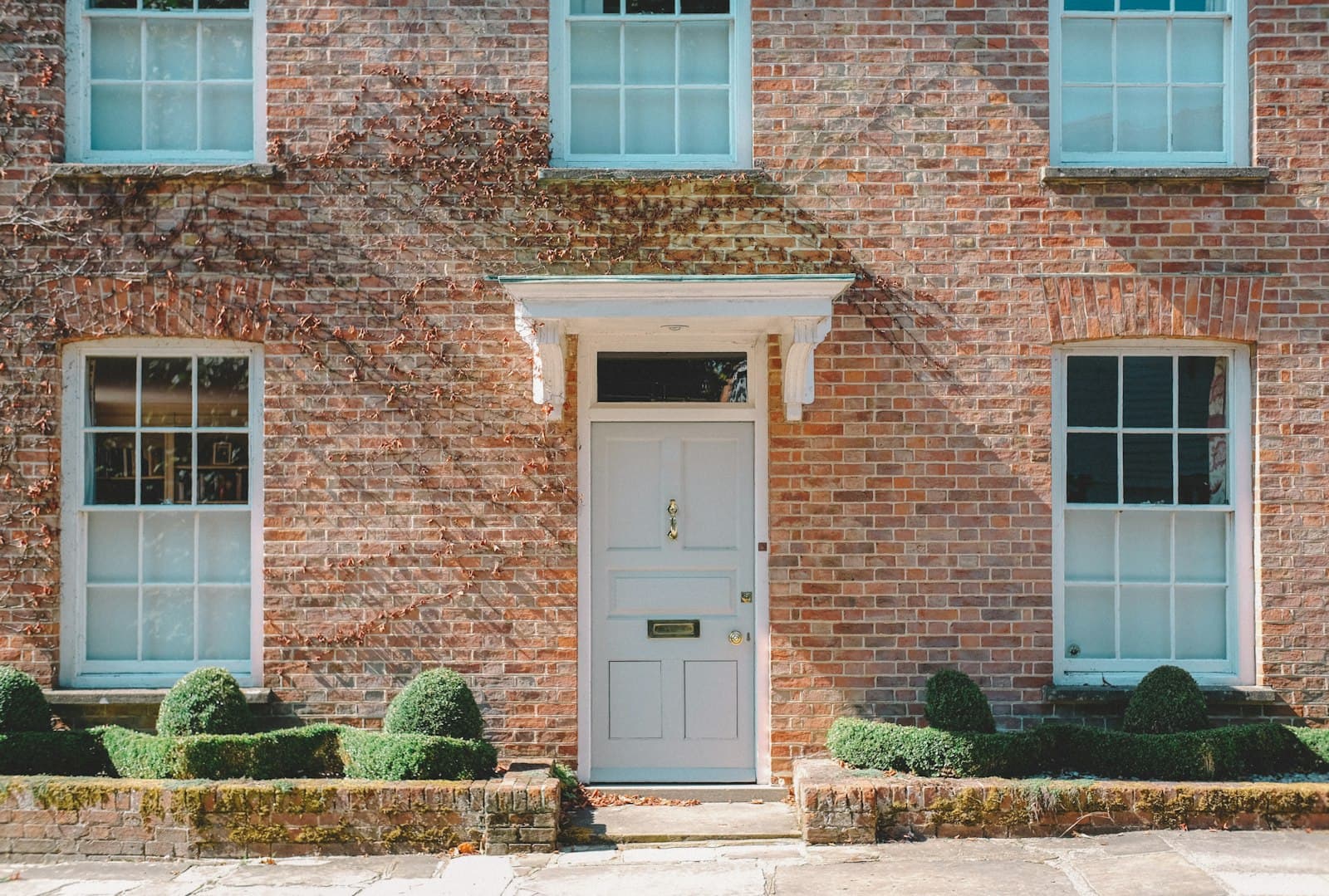
Entry Door Replacement: A Complete Guide for Minnesota Homeowners
Replace an entry door in Minnesota with a prehung unit, not a slab, unless the existing frame is square and sound. Pick fiberglass for most houses, steel for value and service doors, wood only under a deep overhang or storm door. Published 2026 estimates put an installed steel door around $1,500–$3,000 and fiberglass around $2,500–$5,500 in the Twin Cities. The install, not the door, decides whether it seals and latches for decades.
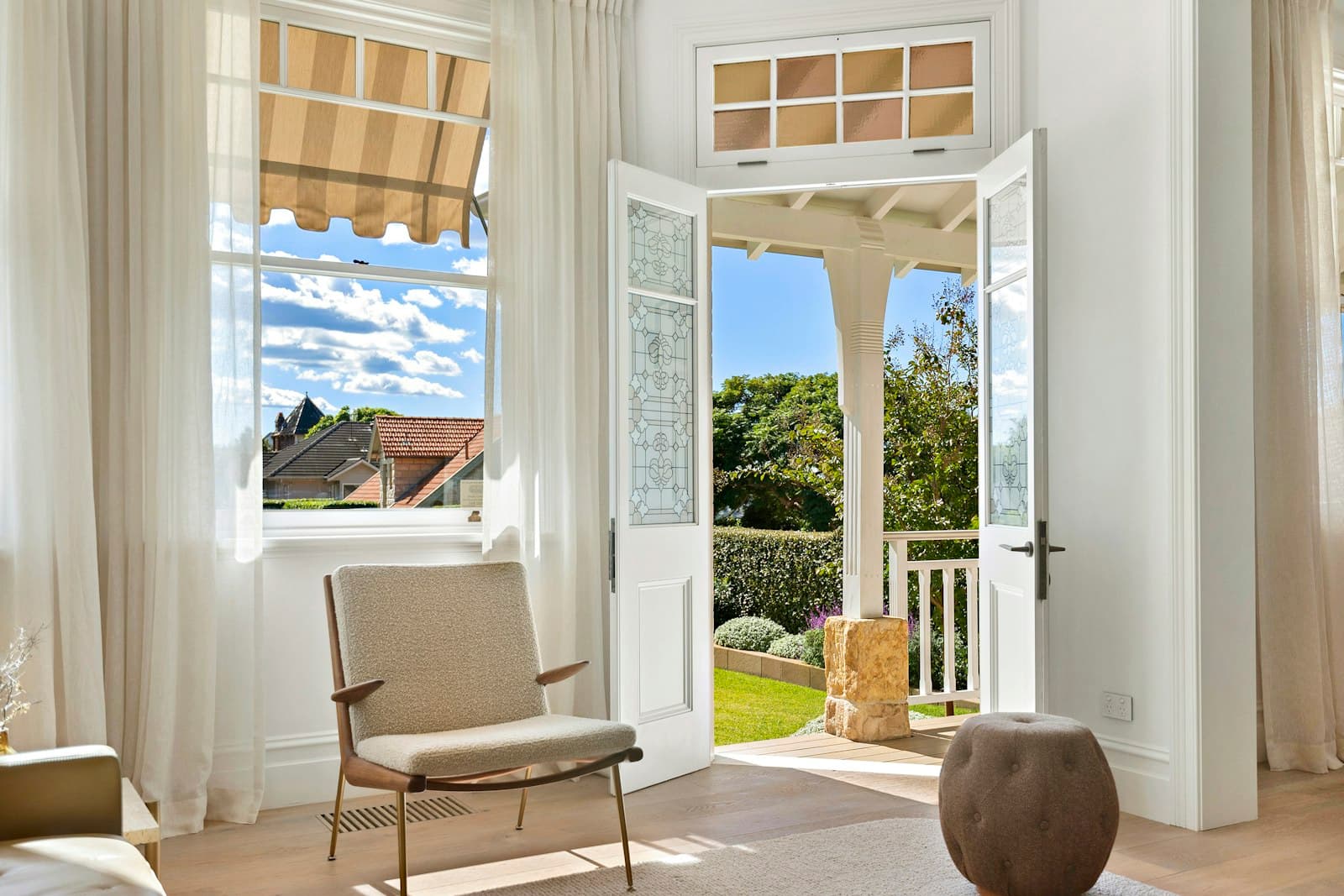
French Doors vs. Sliding Glass Doors: Which Fits Your Home?
Choose a slider when the door sits behind a table or in a walk-through, when you want the most glass, or when budget leads. Choose French doors when the room has space for the swing, you want the whole opening to open, and you want a door that closes against compression weatherstripping. Published 2026 estimates for the Twin Cities put sliders around $2,000–$5,500 installed and hinged French door systems around $3,000–$7,000 and up.
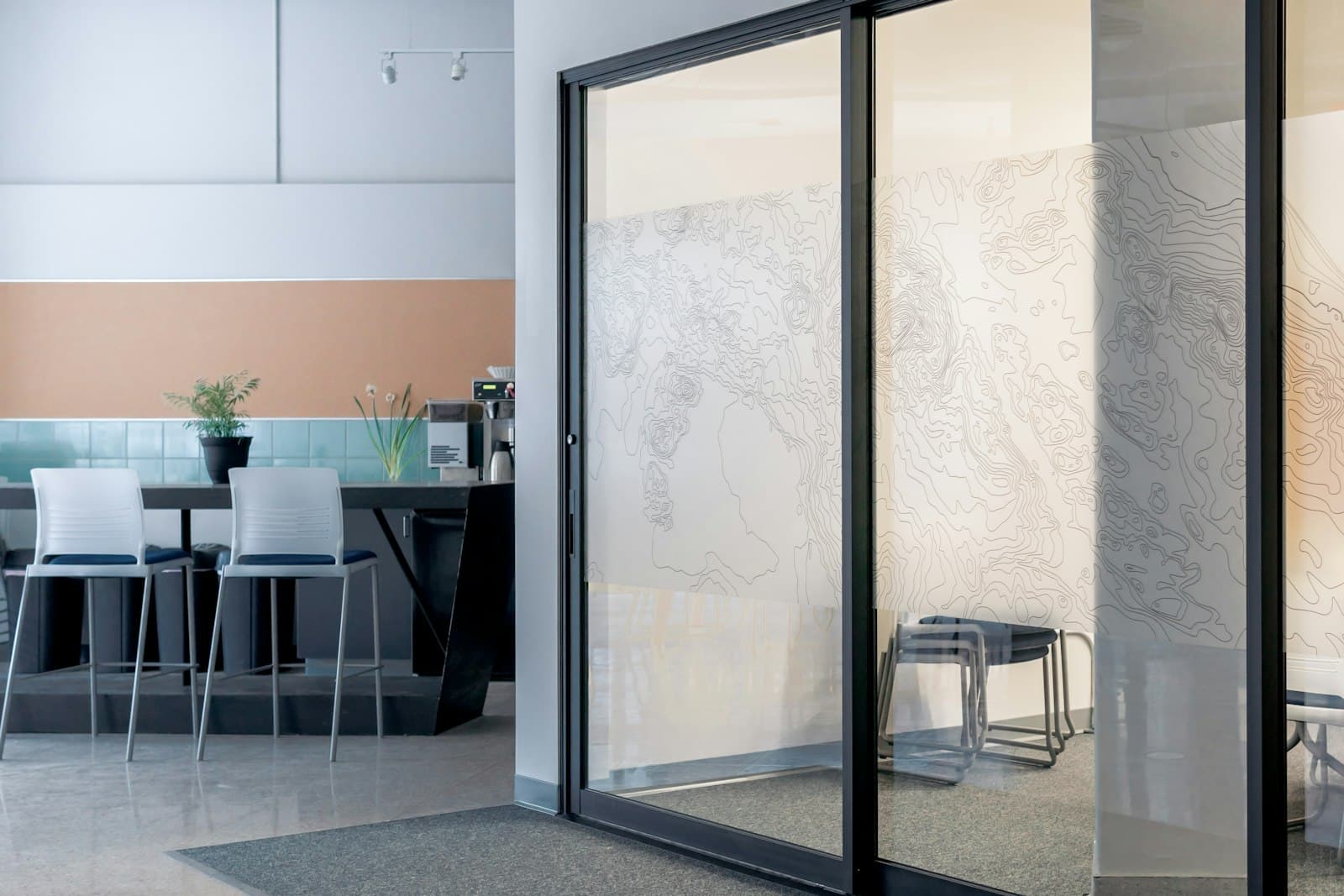
Sliding Patio Door Replacement Cost in Minnesota (2026)
Replacing a standard 6-foot sliding patio door in Minnesota runs about $2,000 to $6,000 installed, going by published 2026 cost guides. Vinyl sits at the low end, fiberglass in the middle, wood-clad at the top. The install is a bigger share of that than most people expect, because the door only works if the sill is sound and the frame is dead level. Rot under the old door is the usual surprise.

Sound-Reducing Windows: How to Quiet a Noisy Minnesota Home
The quietest windows for a Minnesota house use laminated glass, two panes of different thickness and a wider air space, in a casement or awning frame that compresses shut. That package reaches STC 35 to the low 40s against roughly 27–30 for a standard double-pane, and a 10-point gain sounds about half as loud. The install matters as much as the glass: a foamed and sealed frame gap keeps noise from going around it.

Egress Window Requirements in Minnesota (2026 Homeowner Guide)
In Minnesota every sleeping room needs one emergency escape window with at least 5.7 square feet of net clear opening (5.0 at grade floor), at least 24 inches high and 20 inches wide, a sill no more than 44 inches off the floor, opening from inside without tools. A below-grade window needs a well at least 9 square feet and 36 inches each way. Confirm with your city.

Foggy Windows? What Failed Seals Mean and What to Do About It
Fog between the panes means the insulated glass seal has failed and the argon is gone. It will not clear. Your options are two: replace just the glass unit if the frame and hardware are sound and the window is modern, or replace the whole window if it is 20-plus years old, builder-grade, or has other problems. Defogging services are cosmetic only.

Low-E Glass, Argon Gas & U-Factor: Window Efficiency Explained
Low-E is a microscopically thin silver coating on the glass that reflects heat back into the room in winter. Argon is a gas between the panes that slows heat transfer. U-factor is how fast the whole window loses heat, and lower is better. For Minnesota, buy low-E, argon and a warm-edge spacer; aim for U-0.22 or lower if you want ENERGY STAR Version 7.0 performance, then make sure the gap around the frame is foamed and sealed.

Window Styles for Minnesota Homes: Double-Hung, Casement & More
Casements seal tightest and are the best pick for windy walls and bedrooms. Double-hungs are the safe choice for most Minnesota neighborhoods and clean from inside. Awnings work in baths and kitchens because they stay open in rain. Sliders are cheap and fit wide basement openings. Picture windows are the most airtight because they do not open. Most houses use a mix.
Full-Frame vs. Insert Window Replacement: Which Do You Need?
Use an insert when the existing frame is square, dry and solid and you want to keep the interior trim. Use full-frame replacement when the frame or sill is soft, the opening is out of square, there has been a leak, or you want to change the size or style. Full-frame costs roughly 30–60% more per opening because the whole opening is stripped, flashed, foamed and re-trimmed.

Double-Pane vs. Triple-Pane Windows in Minnesota: Worth It?
Triple-pane windows are worth it in Minnesota if you will be in the house seven or more years, sit near the windows in winter, or have street noise. A good double-pane low-E argon unit rates about 0.27–0.30; triple-pane reaches 0.17–0.23 and is the usual way to meet the ENERGY STAR Version 7.0 Northern target of 0.22. On energy alone payback takes a decade or more. Comfort and condensation control are the real reasons to buy it.
Vinyl vs. Fiberglass vs. Wood Windows: What's Best for Minnesota?
For most Minnesota homes, fiberglass is the best window frame material. It moves with the glass through our freeze-thaw swing, so the seals stay tight, and it takes dark colors and paint. Vinyl is the value pick and holds up fine when installed right. Wood-clad is for matching stained millwork. In every case the glass package and the install matter as much as the frame.
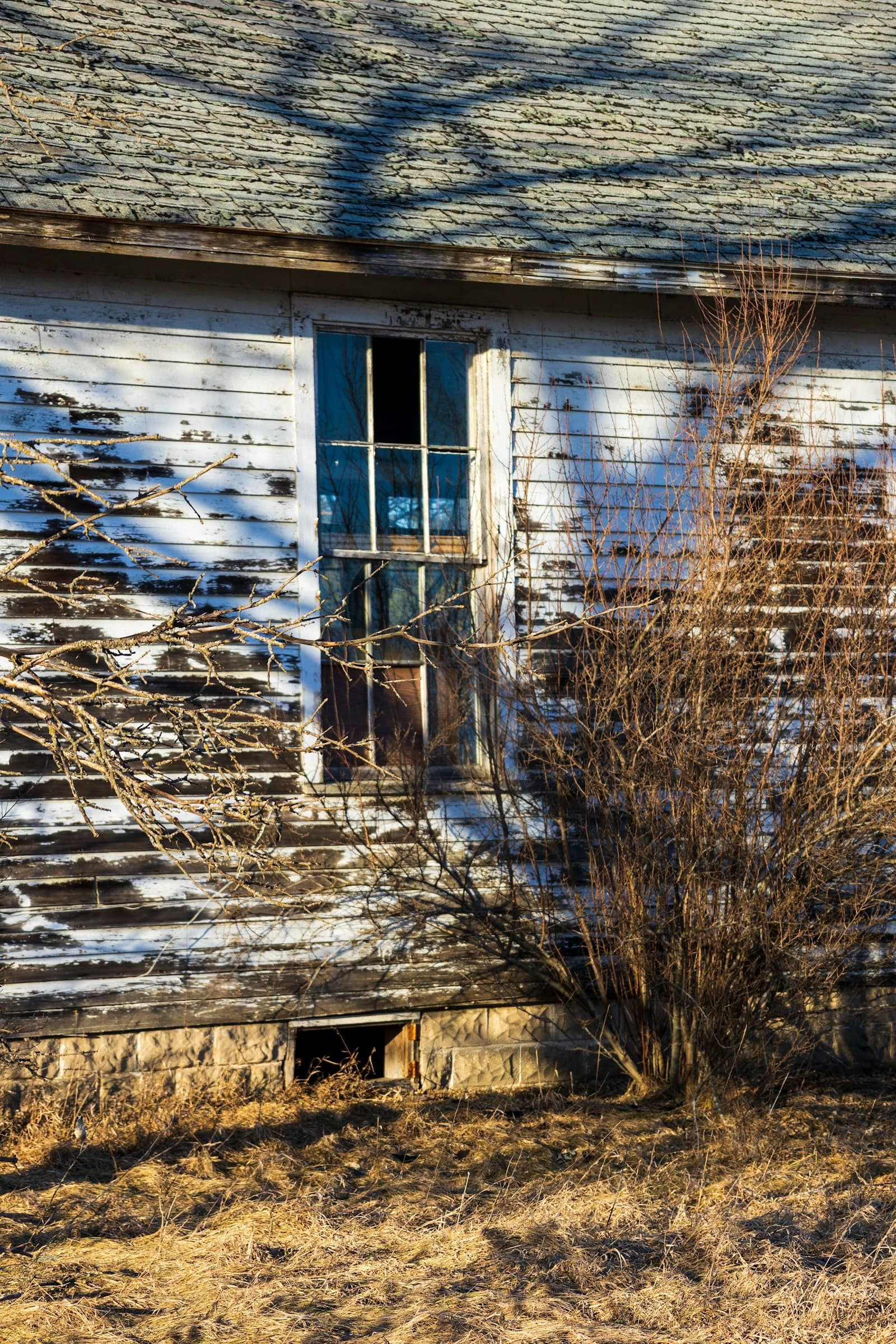
7 Signs It's Time to Replace Your Windows (Minnesota Guide)
Replace a window when you find two or more of these on it: drafts at the frame, fog between the panes, sashes that stick or will not stay up, soft or rotted wood at the sill, a cold room with a rising heating bill, outside noise, or faded floors. One symptom on its own can often be repaired with new weatherstripping, a sash balance or a sill patch.
Have a window, door or home project question we didn't answer?
Get straight answers and a free estimate from a licensed Twin Cities contractor — in person, or send photos for a written quote in one business day.