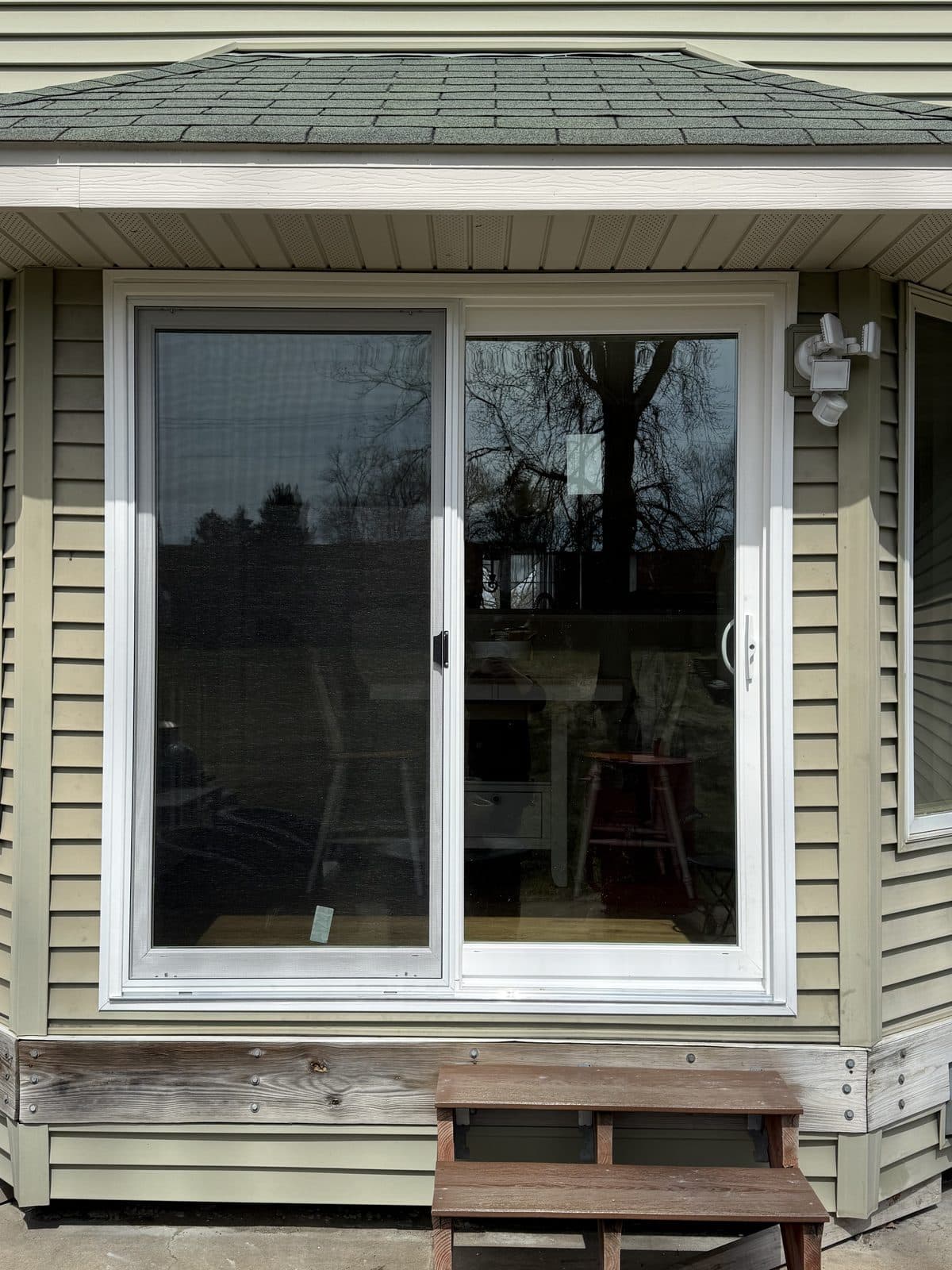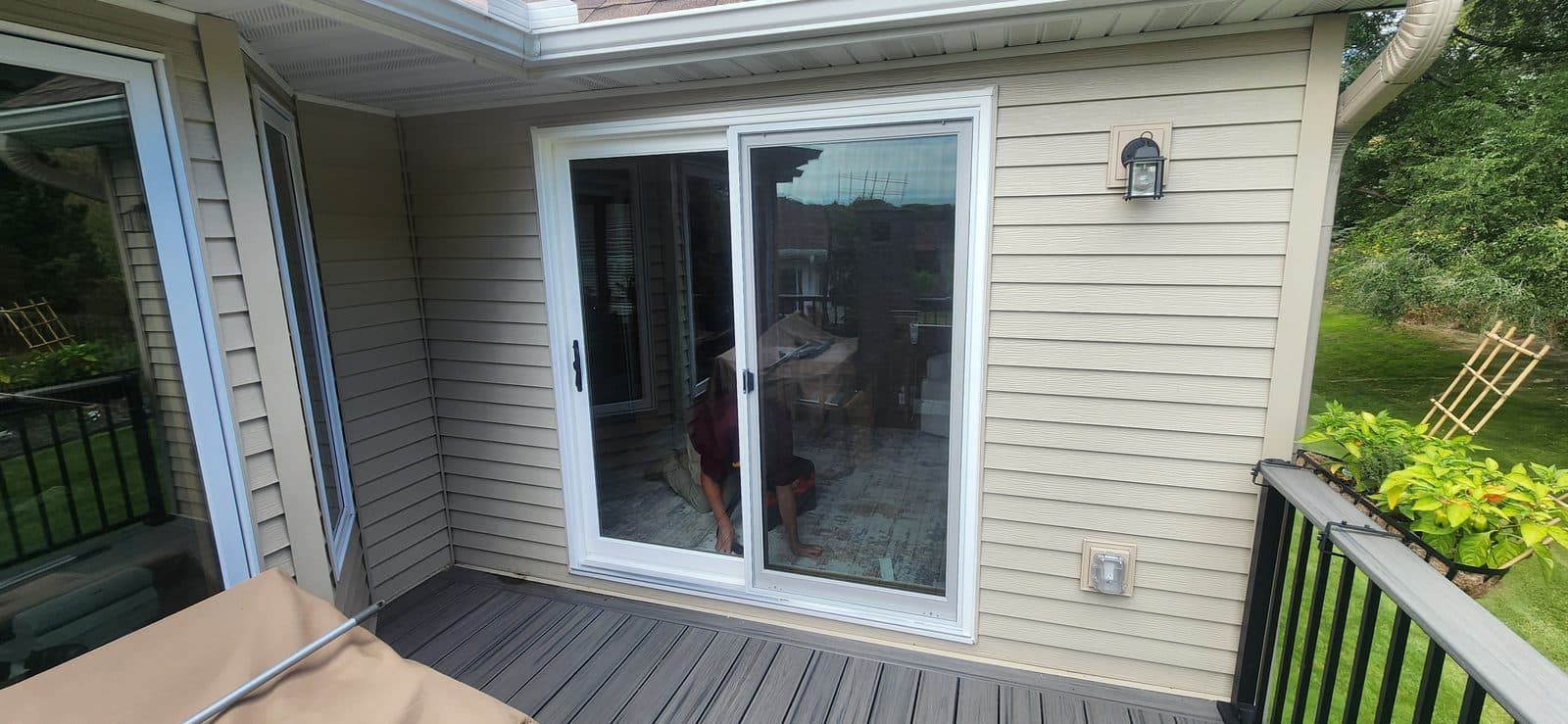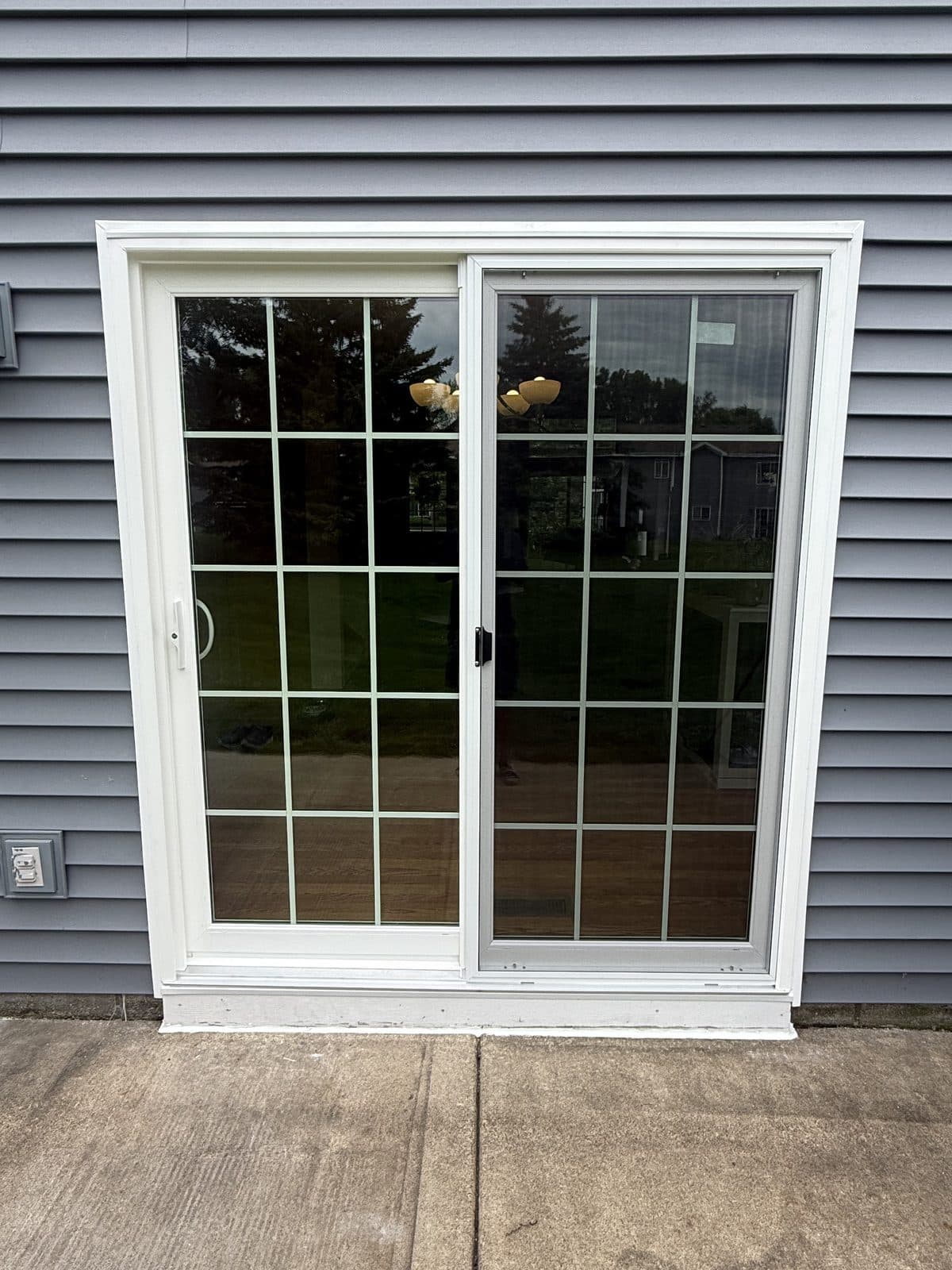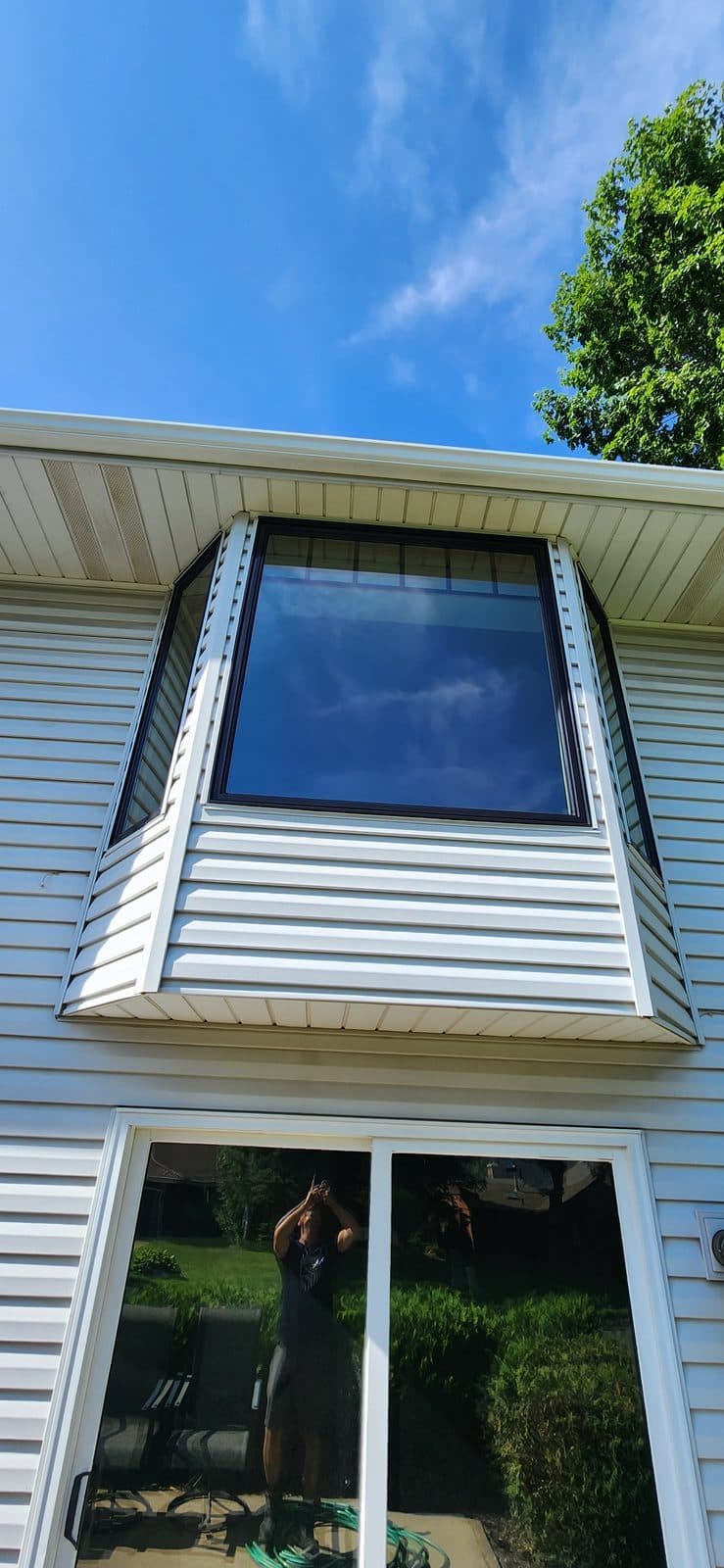
A drafty window is fixable when the leak is at the sash weatherstrip or in the gap between the frame and the wall and the window is otherwise sound. It needs replacing when the frame has rotted or racked, the glass seal has failed or the glass is single-pane, or the fix keeps coming back.
That applies to any Minnesota house with wood, vinyl or aluminum windows. A window leaks heat in three places, the glass, the sash and the frame-to-wall gap, and each has a different fix and a different cost, so find it first.
How do you find where a window draft is coming from?
On a windy day move a damp hand or a lit incense stick slowly around the window: along the sash edges, at the meeting rail where double-hung sashes overlap, around the frame perimeter where the casing meets the wall, and at the sill. Note where the air moves. Lock the window while testing. An unlocked double-hung or casement is not seated in its weatherstrip, and many drafts are only that.
Then put the back of your hand flat on the center of the glass. If the glass itself feels cold and there is no moving air, you have a conduction problem, not a leak. Frost on the glass, fog between the panes or a cold that seems to pour down off the window into the room all point at the glass, and the fix is different.
Where do windows leak heat?
A window loses heat through three places, and a homeowner can usually tell them apart with a hand and a flashlight. Match the symptom to the place and the fix follows.
| Where | What it feels and looks like | Why it leaks | The insulation fix |
|---|---|---|---|
| The glass and its seal | Glass cold to the touch, fog or a haze between the panes, frost on the inside in January, no moving air | Single-pane glass, or a double-pane whose edge seal failed so the argon leaked out and moisture got in | Replace the insulated glass unit in a sound frame, or replace the window. Interior shrink film or a storm window manages it for a season |
| The sash weatherstrip | Air moving along the sash edges or at the meeting rail, worse in wind, better when locked | Flattened pile or V-strip, a sash that no longer seats, a lock that does not pull the rails together | New compression or pile weatherstrip sized to the gap, a new or adjusted sash lock, new balances if the sash drops |
| The frame-to-wall gap | Cold air at the edge of the casing or the stool, frost or dark staining on the trim, drywall cold beside the window | The gap between the frame and the framing was never insulated or air-sealed at install, or old fiberglass stuffing slumped | Pull the casing, fill the gap with low-expansion foam, run backer rod and sealant on the interior edge, re-caulk the exterior |
Which window draft fixes actually work?
Matched to where the air came in:
- Sash-edge drafts: new weatherstripping, V-strip, fin or compression type depending on the window. Cheap and effective when the sash still fits square.
- Frame-to-wall drafts: pull the interior casing, fill the gap with low-expansion window foam, then run backer rod and a bead of sealant along the interior edge as the air seal. Re-caulk the exterior perimeter and leave the sill weeps open. This fixes the install, not the window.
- Meeting-rail leaks on a double-hung: adjust or replace the sash lock so it pulls the rails tight together.
- Rattling glass in an old wood sash: re-putty the loose panes. Stops the draft and the rattle.
- Cold through single-pane glass: interior shrink film or storm windows help for the season. You are managing the problem, not solving it.
- A fogged double-pane in a good frame: a glass shop can replace the insulated glass unit alone. Ask for low-E, argon and a warm-edge spacer in the new unit so the fix is also an upgrade.
Which drafts can you not fix?
Repairs stop working when the window's geometry has failed: rotted frames or sills, warped or shrunken sashes that no longer meet their stops, worn-out balances that let the sash drop, or a frame racked by settling. You can chase these with thicker weatherstrip, but the gaps move and reopen. If the glass itself has failed, fogged double-pane or single-pane, the heat goes through the window, not around it.
What should a replacement window have so it is not drafty in ten years?
If the verdict is replace, buy the parts that stop the three leaks above. For the glass, read the NFRC label: a U-factor of 0.22 or lower meets ENERGY STAR Version 7.0 for the Northern zone that covers Minnesota, and a double-pane low-E argon unit typically lands around 0.27–0.30. Triple-pane keeps the inside glass warmer, which is what stops frost. A warm-edge spacer and a good edge seal are what keep the argon in and the fog out for decades. Ask where the low-E coating sits; on the outside face of the inner pane it lets in more winter sun while holding room heat.
For the sash, casements and awnings lock against compression weatherstrip and test at a fraction of the air leakage of sliders and double-hungs. ENERGY STAR caps air leakage at 0.3 cfm per square foot; good casements test under 0.1. Multi-chamber or foam-filled vinyl and fiberglass frames insulate the frame itself. For the frame-to-wall gap, the install has to include a sill pan, flashing tape lapped shingle-style, low-expansion foam front to back, and the backer-rod-and-sealant interior air seal. A window bought right and installed without that last step is the drafty new window in the FAQ below.
When should you fix a drafty window and when should you replace it?
Fix when the window is structurally sound, the glass is intact, and the leak is localized weatherstripping or perimeter sealing. Replace when there is rot, racking, failed glass, single-pane construction, or you are fixing the same window a second time. Age is the tiebreaker. Money into a 30-year-old builder-grade window rarely makes sense when replacement resets the glass, the seals and the frame at once.
Send three photos, one of the whole window, one of the sill and lower corners, one of where the draft is, and you get a fix-or-replace answer and a reply within one business day.
What JMB Builders does
JMB Builders is a licensed Minnesota residential building contractor (BC809005) based in Zimmerman, working across the Twin Cities metro. We say repair or replace from the photos before anything is ordered, and we install every brand without selling any. Paid by check or direct deposit. Call 763-204-2099 (text) or send photos through the site.
- Fall weatherproofing: weatherstripping, sealing and frame-gap fixes before the cold — jmbbuildersmn.com/services/insulation/fall-weatherproofing-package
- Trim-out and frame-gap sealing after windows go in, including other companies' installs — jmbbuildersmn.com/services/window-trim/trim-out-replacement-windows-left-bare
- Full-service window and door replacement, measured and ordered by us — jmbbuildersmn.com/services/full-service
- Labor-only installs of windows and doors you bought at a store or online — jmbbuildersmn.com/services/labor-only
- Send three photos and we reply within one business day.
Frequently asked questions
How do I find where a window draft is coming from?
Lock the window, then on a windy day move a damp hand or a lit incense stick around the sash edges, the meeting rail, the frame perimeter and the sill. Where the smoke bends or your hand feels cold is the leak. Sash edges mean weatherstripping. The frame perimeter means the gap behind the casing was never sealed. Cold glass with no moving air means the glass or its seal, not a leak.
Can I fix a drafty window without replacing it?
Usually, if the frame is sound and the glass is intact. New weatherstripping handles sash drafts. Low-expansion foam plus backer rod and sealant behind the casing and fresh exterior caulk handle frame drafts. A tighter sash lock handles the meeting rail. Rot, a racked frame or fogged glass are the cases where repair does not hold.
What is the cheapest way to stop window drafts?
Lock the window first. Half the time that is the whole fix. After that, new weatherstripping on the sash and a bead of caulk at the exterior perimeter stop most sash and frame drafts for very little. Interior shrink film helps single-pane glass for the season.
Why is my new window still drafty?
The gap between the frame and the wall was never insulated and sealed. Pull the interior casing, foam the gap with low-expansion foam, run backer rod and sealant along the interior edge, and re-caulk the exterior. That fixes the install, not the window, and it is a common trim-out job after another company's install.
Should I replace a drafty 30-year-old window?
Usually, yes. A builder-grade window that old has worn balances, tired weatherstrip and often failed glass, and the gaps move as the sash and frame shrink. Money into it buys a season. Replacement resets the glass, the seals and the frame at once, and a 0.22 U-factor unit with a sealed frame gap ends the problem.
Do storm windows fix drafts?
They cut the draft you feel and add an air layer over single-pane glass, so they help for the season. They do not fix the leak in the primary window. You are managing the problem rather than solving it.