
Blog · Page 2 of 4
Window, Door & Home Advice for Minnesota Homes
Straight answers on window replacement cost, patio and entry doors, finish carpentry, permits and hiring a contractor in Minnesota from a licensed local crew.
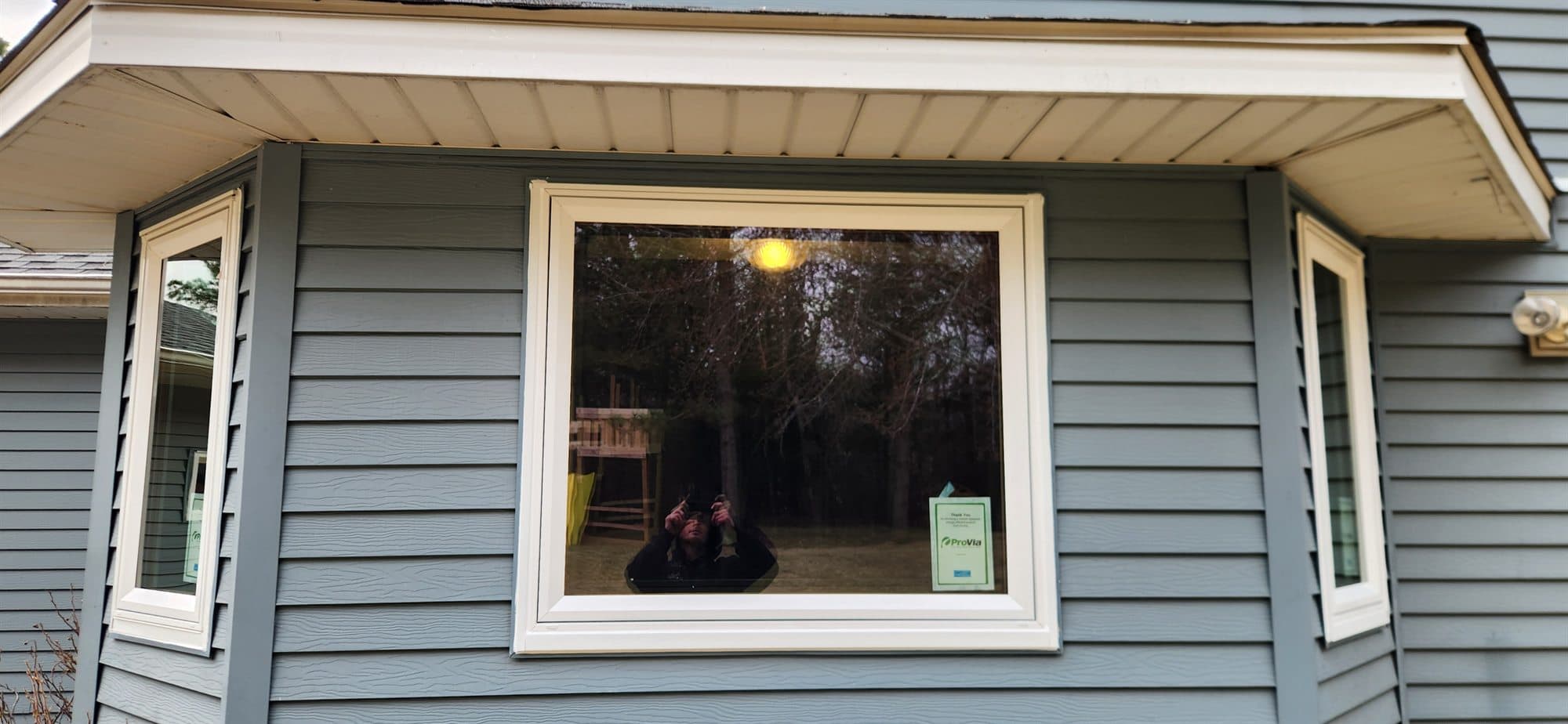
ENERGY STAR Version 7.0 Windows in Minnesota: What Changed
ENERGY STAR Version 7.0 took effect October 23, 2023. For the Northern zone, which covers all of Minnesota, a window now needs a U-factor of 0.22 or lower and, for the first time, a minimum SHGC of 0.17. Most ordinary double-pane windows do not get there. Here is what the numbers mean, how manufacturers reach them, and what to ask for on a Twin Cities order.

How to Insulate Around Windows in Minnesota (Foam vs. Fiberglass)
The gap between a window frame and the rough opening is where most window drafts start. Low-expansion foam or a closed-cell backer rod with sealant, placed at the interior edge of the frame, stops the air. Fiberglass stuffed in the gap does not. Here is how each option works, why the seal belongs on the inside, and how to pull a piece of casing and check what is behind yours.
What New Interior Doors Cost Installed in the Twin Cities (2026)
Published 2026 cost guides put interior door replacement in the Twin Cities at roughly $200–$450 per door for a hollow-core slab swap and $550–$1,000 per door for a solid-core prehung swap with new jamb and casing, installed, before paint and hardware. A slab swap keeps your jamb and casing. A prehung swap replaces everything. Whole-house packages are priced per door and go faster.

Board and Batten Cost in Minnesota: Layout, Spacing and Mistakes
Published 2026 cost guides put a single board and batten accent wall in the Twin Cities somewhere between the high hundreds and the low thousands for labor and material, with painting quoted as its own line. Wall size, ceiling height, full-height versus two-thirds, textured drywall and the number of outlets move the number. The layout is the whole job: equal bays, a batten on each end, outlets flush.
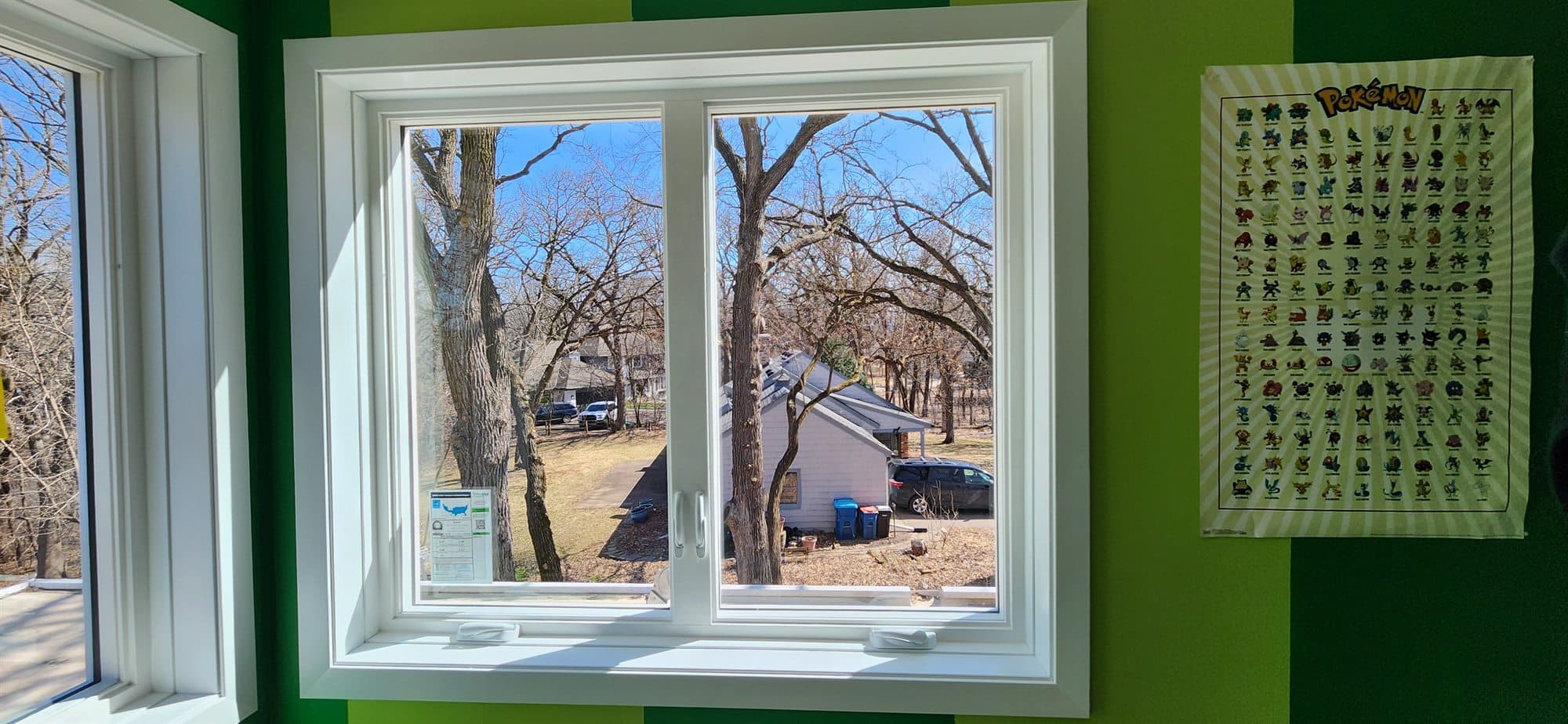
Trimming Drywall-Return Windows: Casing, Depth and Air Sealing
Yes, drywall-return windows can be trimmed with wood after the fact. The drywall return is cut back, the gap between the window and the framing is foamed and sealed, jamb extensions are ripped to bring the window frame flush with the wall, and casing goes around the outside, with a stool and apron if you want the traditional look. It is priced per window.
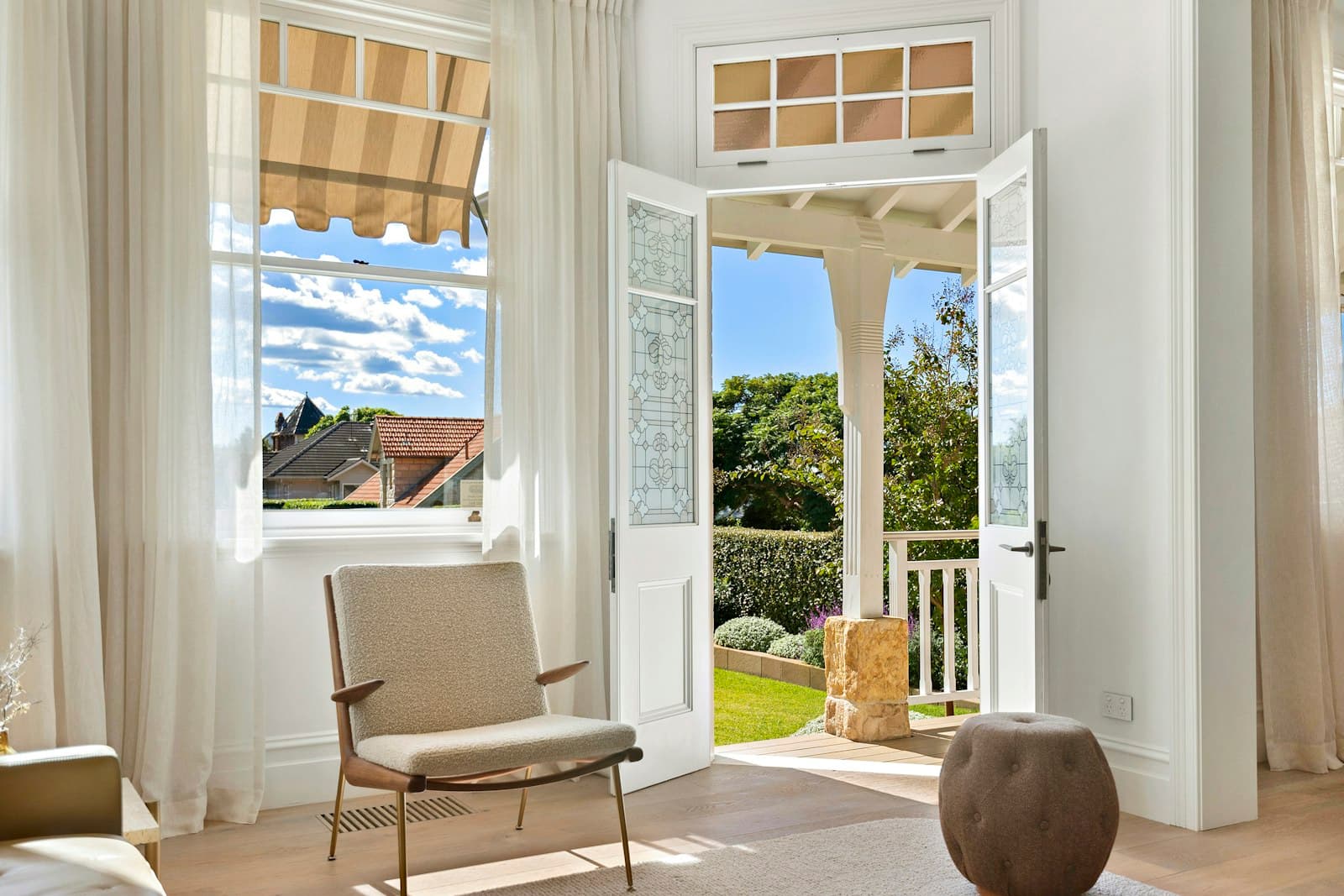
French Doors Between Rooms: Prehung Units vs Slab Pairs Explained
Interior French doors are installed either as a prehung unit, with both doors hinged in one jamb, or as two slabs fitted into an existing jamb. Prehung is faster and the doors already meet in the middle. Slabs take fitting and hinge mortising, so they cost more per door. Pick the hardware, ball catch, flush bolts, dummy or passage handles, before the doors are ordered.
Buying Your Own Door: Size, Swing and Jamb Width Before Install
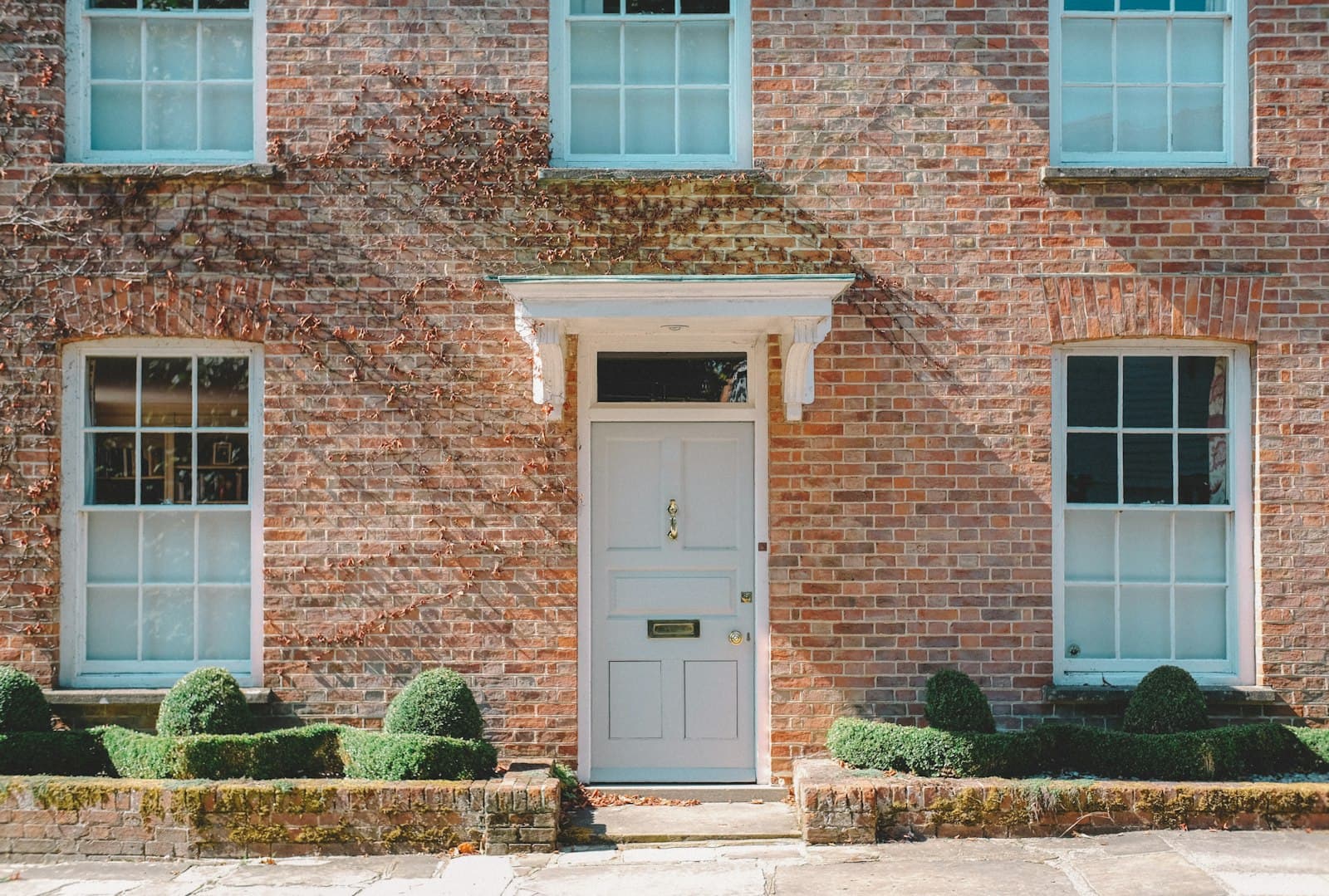
For a labor-only door installation, buy a prehung door unless the existing jamb and casing are worth keeping. Measure the rough opening, the old slab and the wall thickness for jamb width, and confirm the handing before you order. You supply the door, hardware and casing. The installer brings shims, foam, sill pan, flashing tape, backer rod and caulk.
What Does a Finish Carpenter Cost in Minnesota? (2026 Guide)
Published Minnesota cost guides in 2026 put a finish carpenter at roughly $60–$110 per hour, or the job is priced per linear foot for base and casing and per opening for doors and windows. Paint-grade MDF versus stain-grade wood, the casing profile and the condition of the walls move the number most. Get a quote that lists every opening, the profile, the material and painting as its own line.
How Our Window Installation Process Works for Builders and GCs
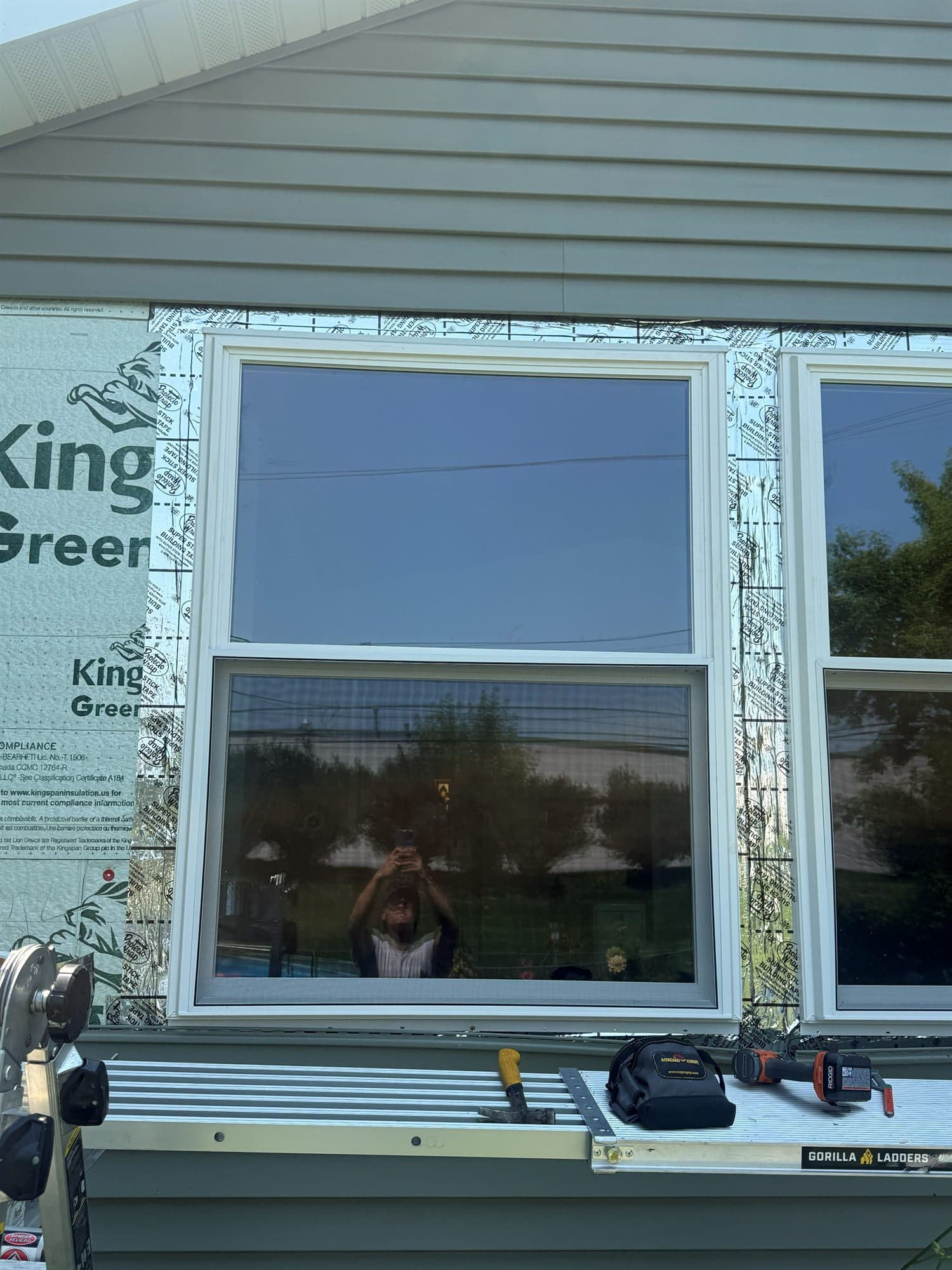
JMB Builders runs the window scope for builders two ways: full-service, where we take off the schedule, order and install, or labor-only, where you supply the units and one crew sets, shims, foams and flashes them. Lead times are locked at contract, every opening gets the same sill pan and flashing sequence and a photo, and punch items close the same week.
U-Factor, SHGC and ENERGY STAR 7.0: Window Ratings for Minnesota
On the NFRC label, U-factor is the number that matters in Minnesota. It measures heat loss, and the ENERGY STAR Version 7.0 Northern zone mark means 0.22 or lower for a window. SHGC measures solar heat coming in, and a moderate to high value is fine here because winter sun is free heat. VT, air leakage and condensation rating fill in daylight, drafts and fogging.
Black Windows in Minnesota: What to Know Before You Order
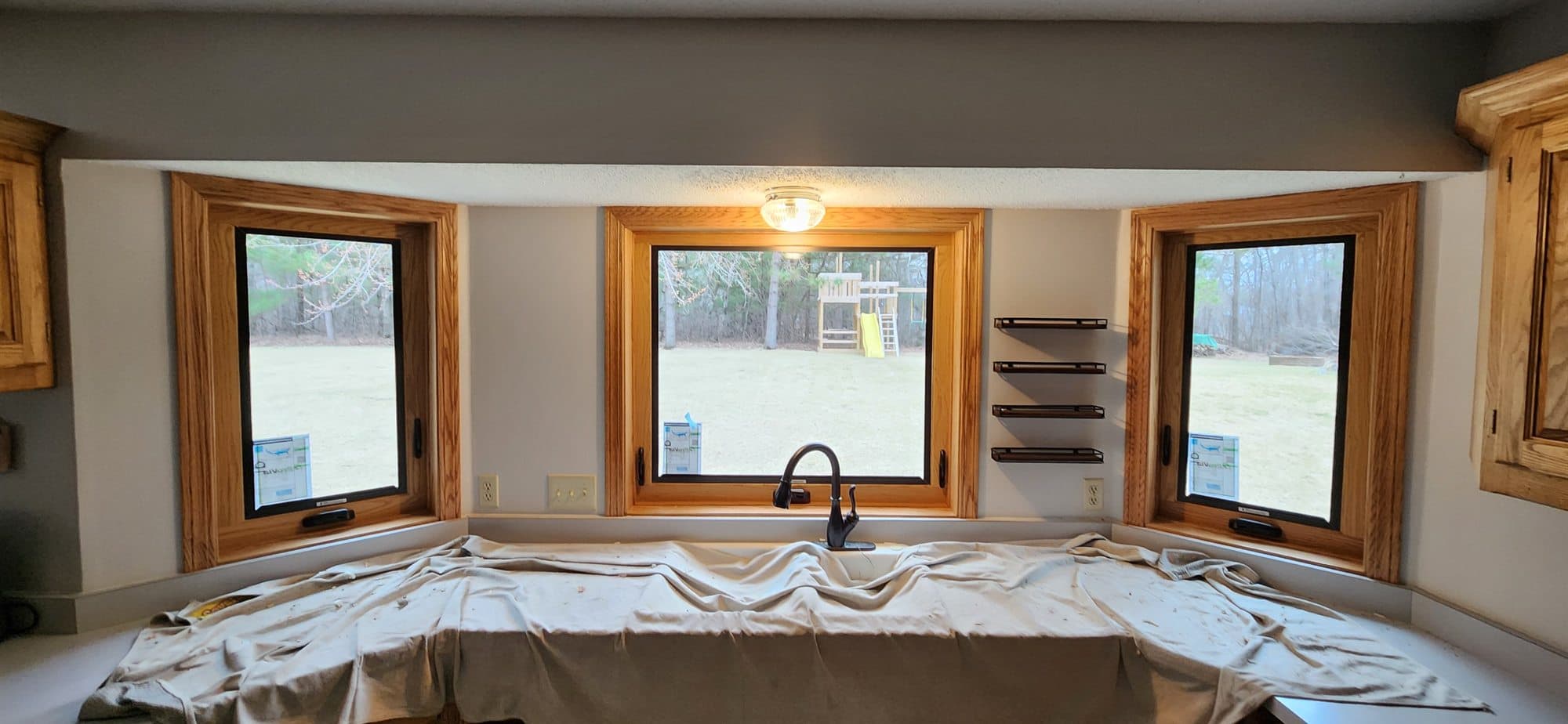
Black windows cost more than white, and the frame material matters more with a dark color than with any other choice. Fiberglass, composite and aluminum-clad wood hold black on a south-facing Minnesota wall. Bargain painted vinyl is where fading and warping show up. Order black outside and white inside unless you have a plan for dark frames in every room.
Window Condensation in Minnesota Winters: Normal or a Problem?
Look at where the moisture is. Water you can wipe off the inside of the glass on a below-zero night is humidity meeting cold glass, not a broken window. Fog or water between the panes is a failed glass seal, and only new glass or a new window fixes it. Frost or ice on the frame, sash or lock is cold air leaking in around the window: weatherstripping or the install.
Crank-Out or Slide-Up? Picking Between the Two Common Window Styles
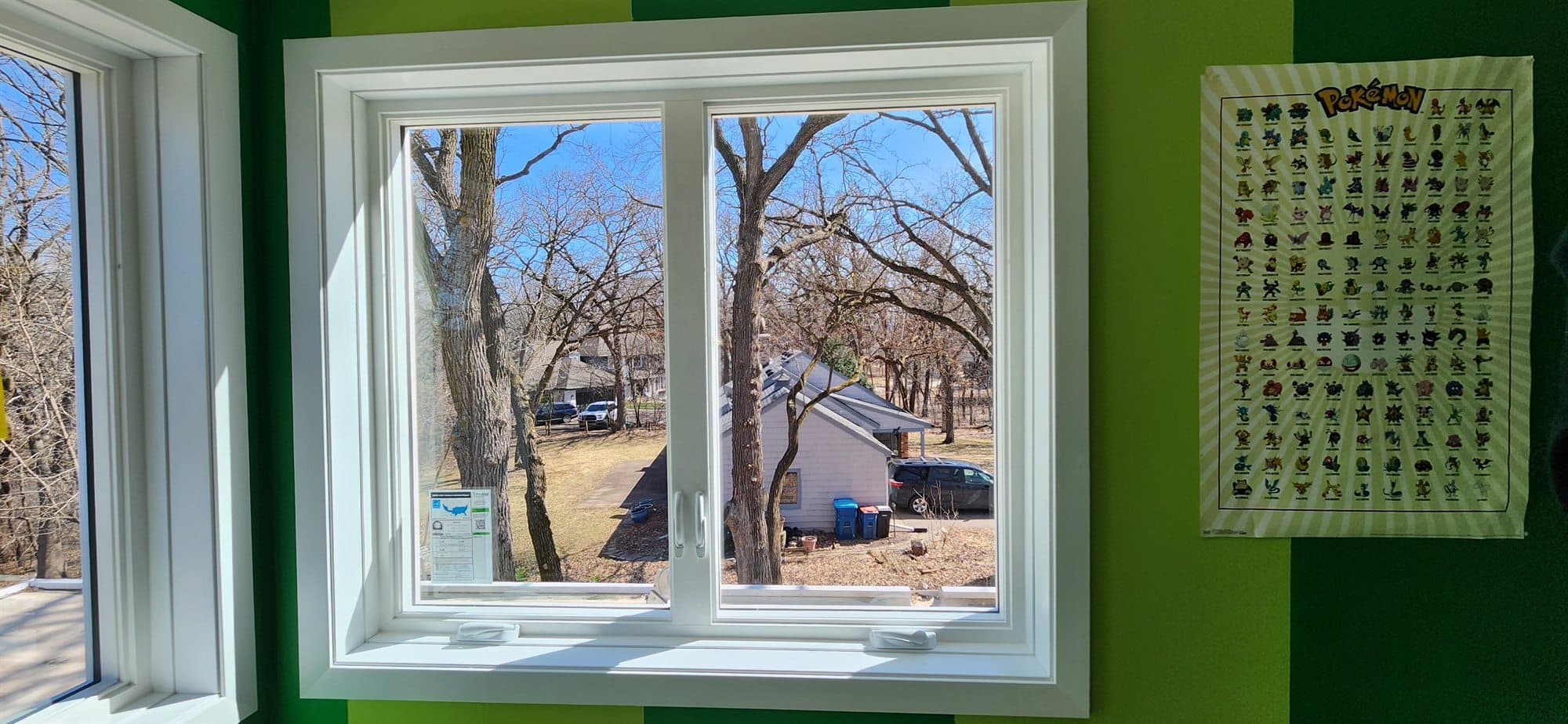
In a Minnesota house, casements seal tighter and meet egress in smaller openings, so they win in bedrooms, over the kitchen sink and on the windy side of the house. Double-hungs cost less, tilt in for cleaning and never swing out over a deck or walkway, so they win on the front of a traditional house. Most Twin Cities homes end up with both.

How to Read a Window Replacement Quote (Line by Line)
Read a window quote in two passes. First the window: brand, series, glass package and the NFRC U-factor. Then the install: insert or full-frame, sill pan, flashing, low-expansion foam, interior air seal, trim and haul-away. Two Twin Cities bids for the same house can differ by thousands, and most of that gap sits in those lines, not in the bottom number.

Window Replacement in Maple Grove, Plymouth & the West Metro
Window replacement in Maple Grove and Plymouth is mostly 1980s–2000s production-built homes whose original windows are failing on the same clock: fogged glass, worn balances, tired casement operators and sliding patio doors that drag. Buy on the spec, not the pitch: license, brand and series, NFRC U-factor, glass package, insert or full-frame, the install details and the trim, per opening. A licensed crew that measures, installs and trims is the whole difference.
Window Replacement in Elk River, Rogers & the Northwest Metro
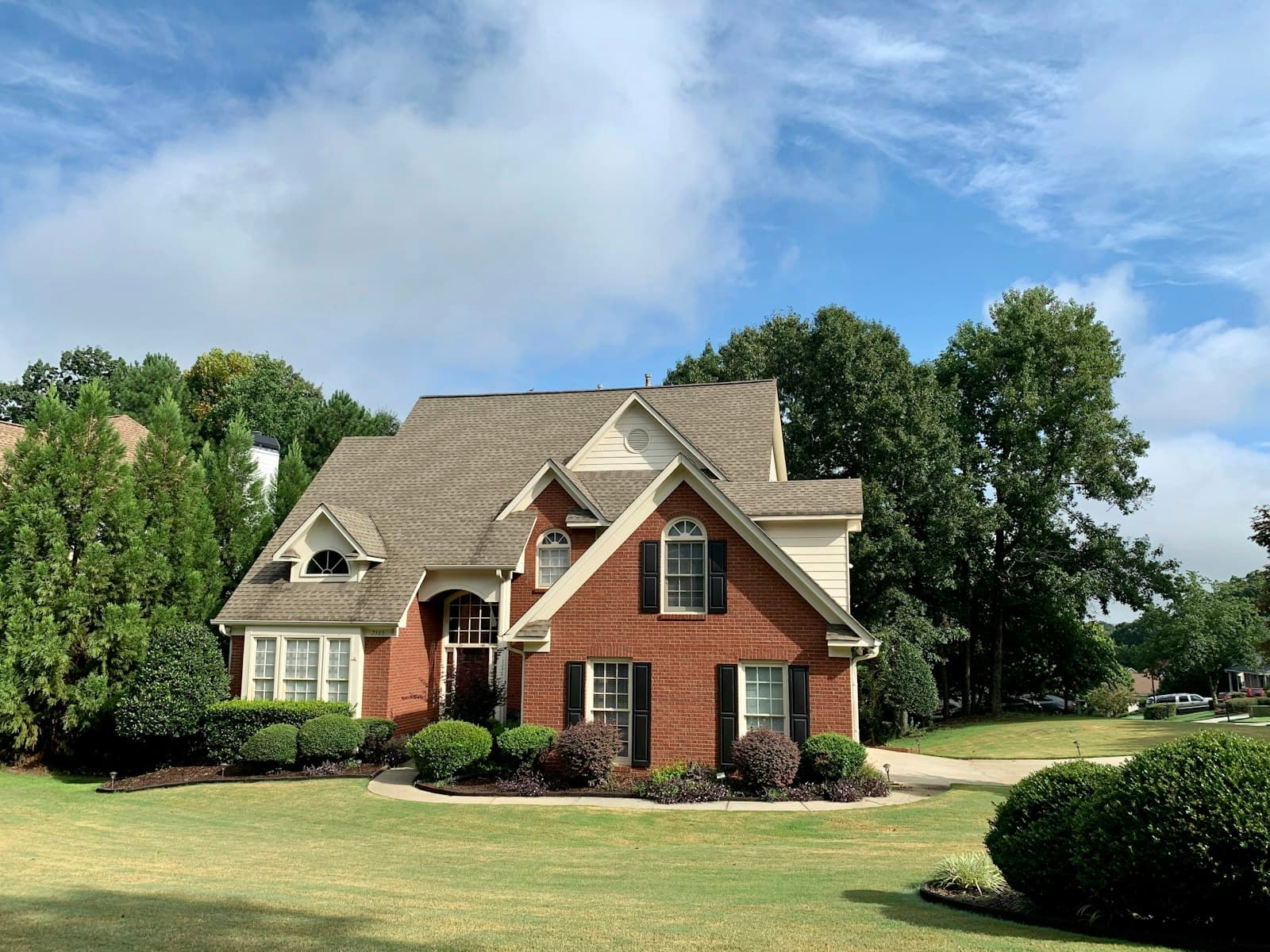
Window replacement in Elk River and the northwest metro mostly means 1990s–2000s builder-grade units reaching seal failure, plus older in-town wood windows in Elk River, Big Lake and Monticello that need a repair, insert or full-frame decision. Open-country wind and sun are hard on west and south walls, so the glass package, the frame and the perimeter seal all matter more here. JMB Builders is based in Zimmerman and works every one of these towns.
8 Window Installation Mistakes Behind Drafts, Leaks and Callbacks
The eight window installation mistakes that cause drafts, leaks and callbacks: no sill pan, flashing lapped in the wrong order, a unit set out of level, plumb or square, high-expansion foam bowing the jambs, fiberglass stuffed in the gap with no interior air seal, missing or misplaced shims, caulk doing the job of flashing, and ignoring the manufacturer's instructions. Most 'bad window' complaints are one of these. The window itself is usually fine.
Jamb Extensions Explained: Why a Quote Should List Interior Trim
A jamb extension is the strip of wood or matching material that carries the window frame's interior edge out flush with the drywall so the casing has something to land on. Walls vary in depth and window frames do not, so most new windows in 2x6 walls need them. The stool, apron and casing go on after, over a sealed gap. They are quoted as their own lines because they are their own work.

New Construction vs. Replacement Windows: What's the Difference?
A new construction window has a nailing fin that fastens to the sheathing and ties into the housewrap and flashing. A replacement window has no fin and sets inside the existing frame or a prepared opening, fastened through the jamb. Use the finned unit when the siding is off or the framing is open. Use the insert when the old frame is sound and the siding stays. The glass can be identical; the flashing and sealing are not.

Installation-Only Window Service: When It Makes Sense
Installation-only window service makes sense when you already have the windows or are about to buy them: a builder with a supplier account, a homeowner with a big-box or online order, a flipper standardizing units, or an insurance scope with approved product. You own the ordering and the fit. The installer owns everything that decides how the window performs: the pan, the flashing, the shims, the foam, the interior seal and the trim.

What Builders Look For in a Window Installation Subcontractor
A builder should pick a window installation subcontractor on four things: dates that hold, an install you can audit at the opening (sill pan, flashing laps, shims, low-expansion foam, interior air seal), a written scope before the first unit goes in, and a written answer to who takes the homeowner's call in year one. Two references from builders the sub works with now tell you more than any pitch.

Window Warranties Explained: What's Actually Covered
A window warranty is two promises: the manufacturer's on the product and the installer's on the labor. Lifetime is a defined term in the document, often 10–20 years or the original owner's tenure, with shorter coverage on glass seals, hardware and finish. Read for proration, parts-only coverage, transferability, registration deadlines and exclusions before you buy.
How to Prepare Your Home for Window Installation Day
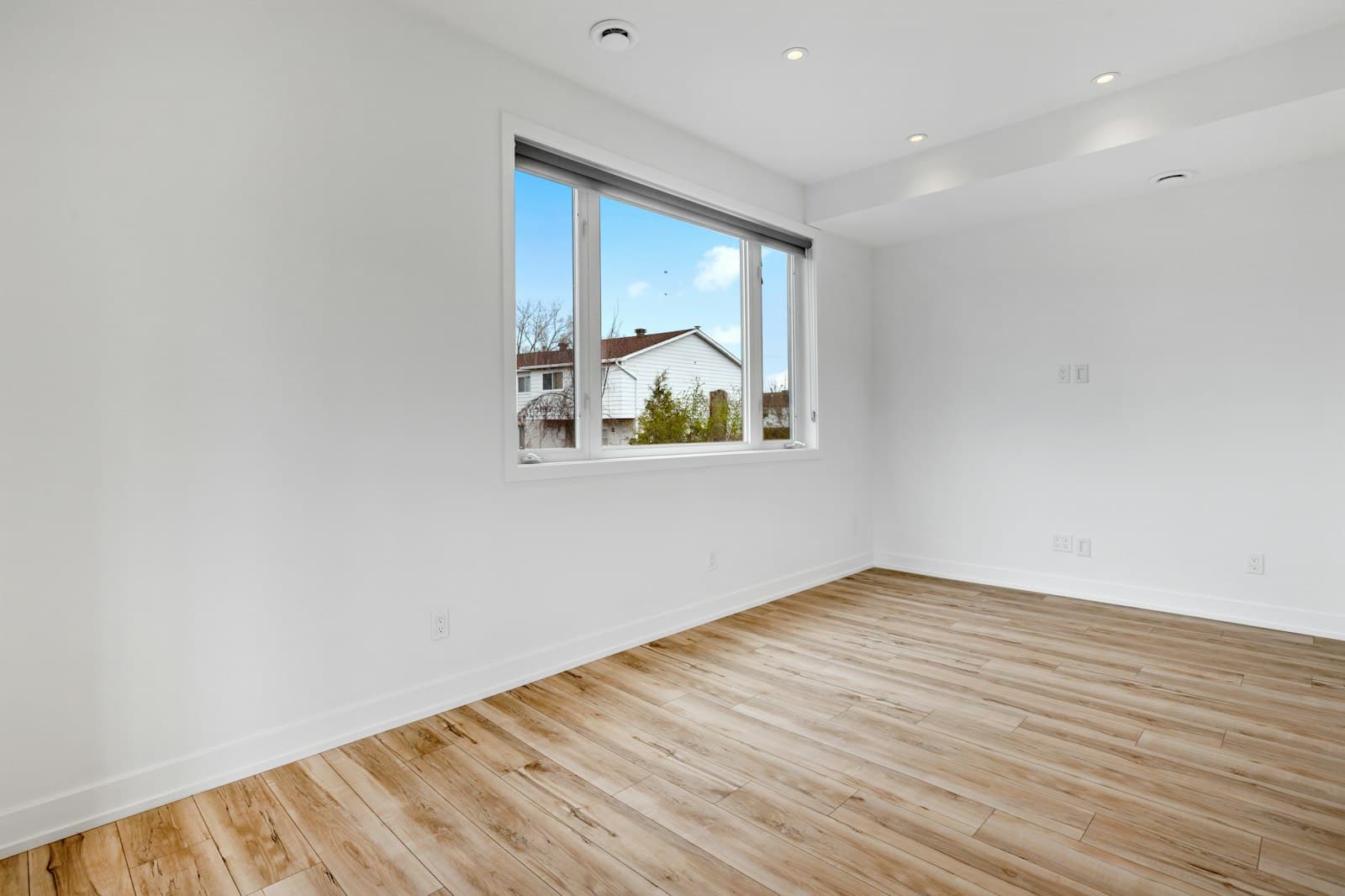
Prepare for window installation day by taking down blinds and curtains, clearing a 3–6 foot working area and the sill at each window, moving wall decor near the openings, disarming alarm sensors, and giving the crew a path outside: gates unlocked, driveway open, shrubs trimmed back, a shoveled path in winter. The crew handles floor protection, dust control, tear-out, haul-away and cleanup.

Hail Damage to Windows and Doors: What to Check in Minnesota
After hail, check every window and door on the storm-facing sides for chips and star cracks at the glass edge, dents and cracks in the cladding, displaced glazing beads and gouged sealant, torn screens, and split exterior trim. Hail that does not break the glass can still shock the seal, and the fog shows up months later. Document it now while the claim is open.
Have a window, door or home project question we didn't answer?
Get straight answers and a free estimate from a licensed Twin Cities contractor — in person, or send photos for a written quote in one business day.