Hail damage to windows and doors is mostly not shattered glass. It is bruised seals, cracked cladding, dented glazing beads and shredded screens, and it shows up as fog, frost and leaks months later because the parts that insulate the window are the parts that got hit. Walk the storm-facing sides of the house with the checklist below within a few days.
This applies to any Minnesota house after a hail event, whether or not the roof was hit. Get the windows and doors listed on the same claim as the roof.
What should you inspect on each window after hail?
Work around the house on the sides that faced the storm and check:
- Glass. Not just breaks: chips, star cracks at the edges, and pitting. Small edge damage spreads with freeze-thaw.
- Frame cladding. Dents and cracks in aluminum or vinyl cladding, especially on sills and lower rails that face the sky.
- Glazing beads and seals. Dented or displaced beads and gouged perimeter sealant let water into the glass unit and the frame.
- Screens. Torn mesh and bent frames are the most common and most visible hail casualties. List every one for the claim.
- Exterior trim and brickmould. Splits, dents and cracked paint lines that will wick water.
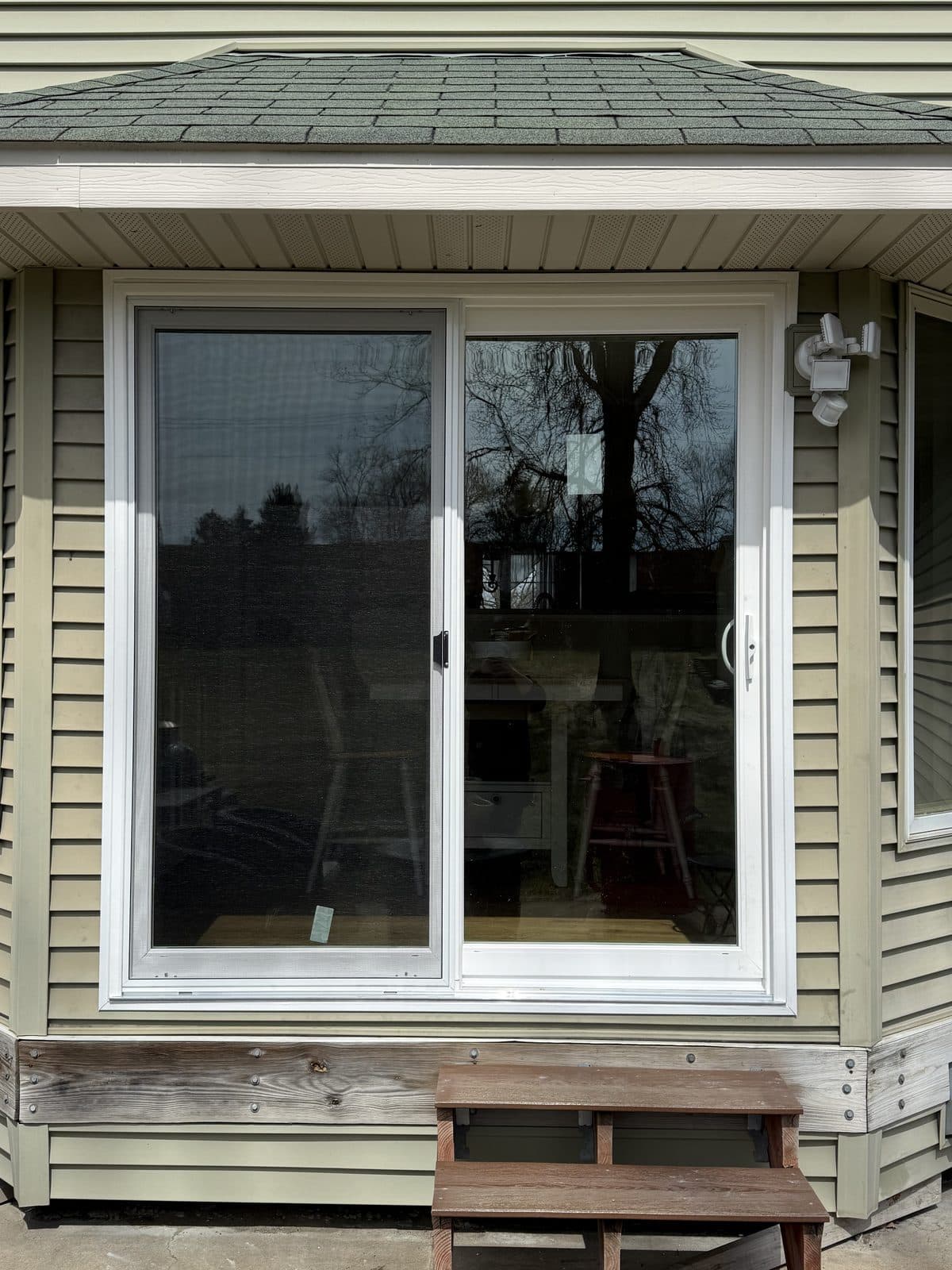
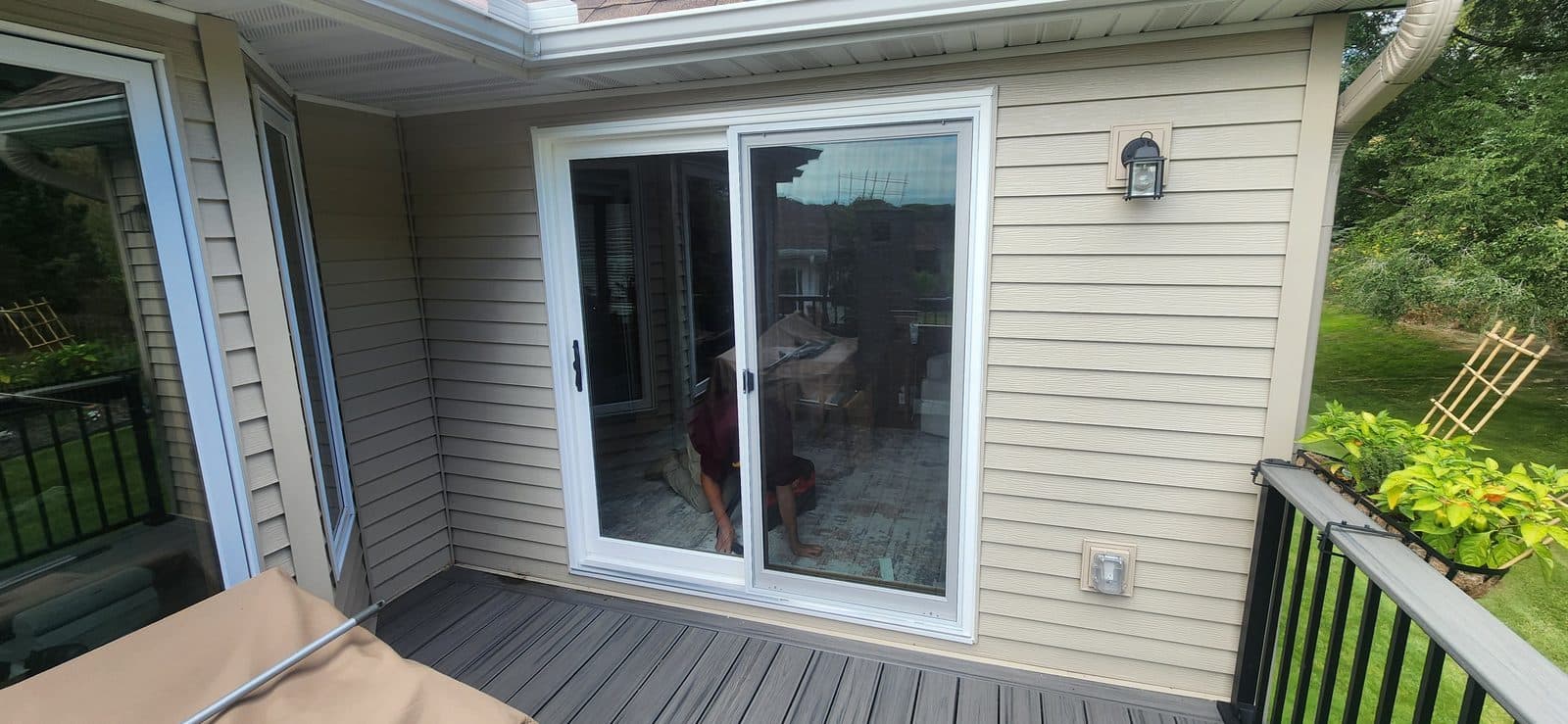
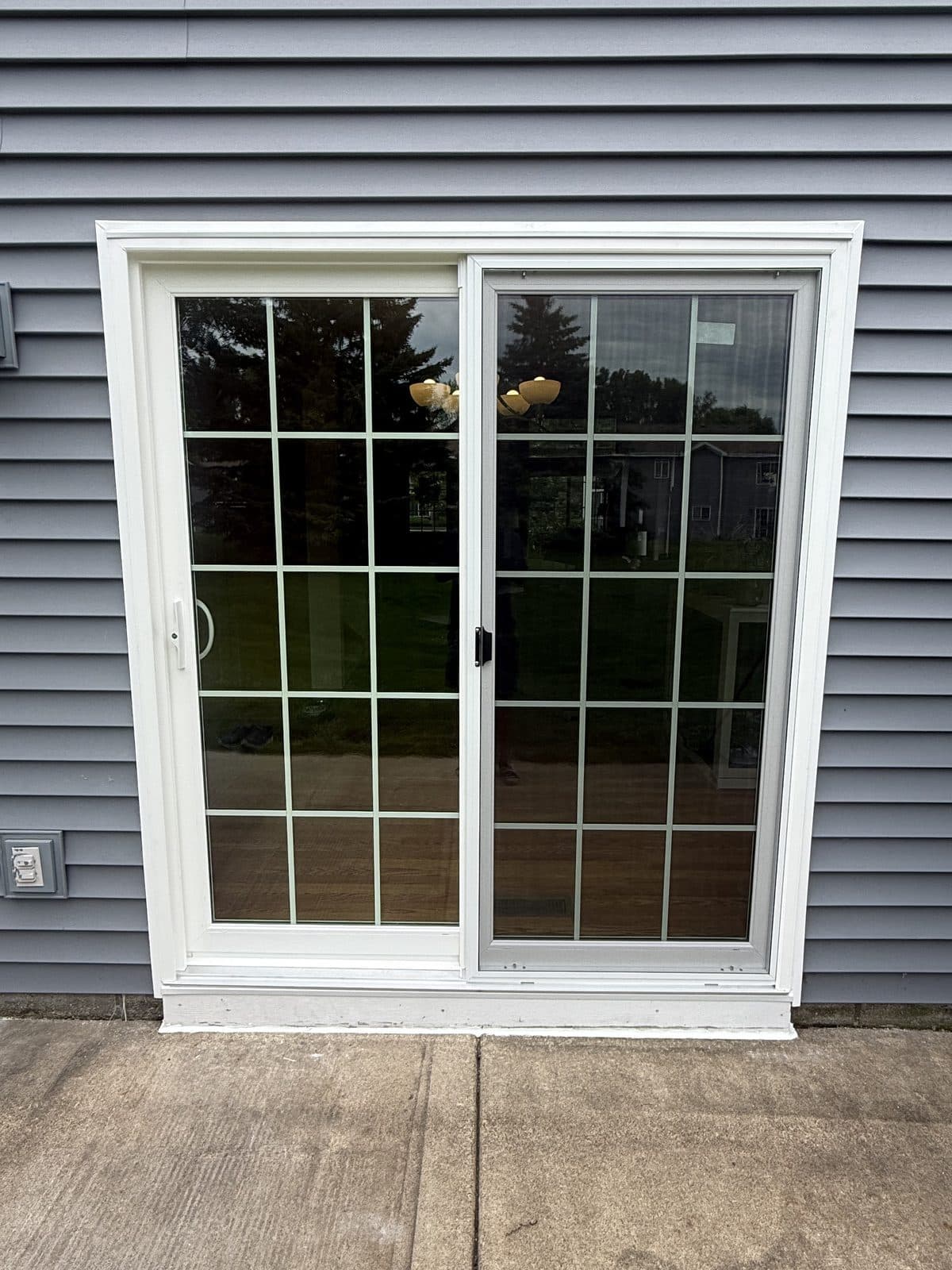
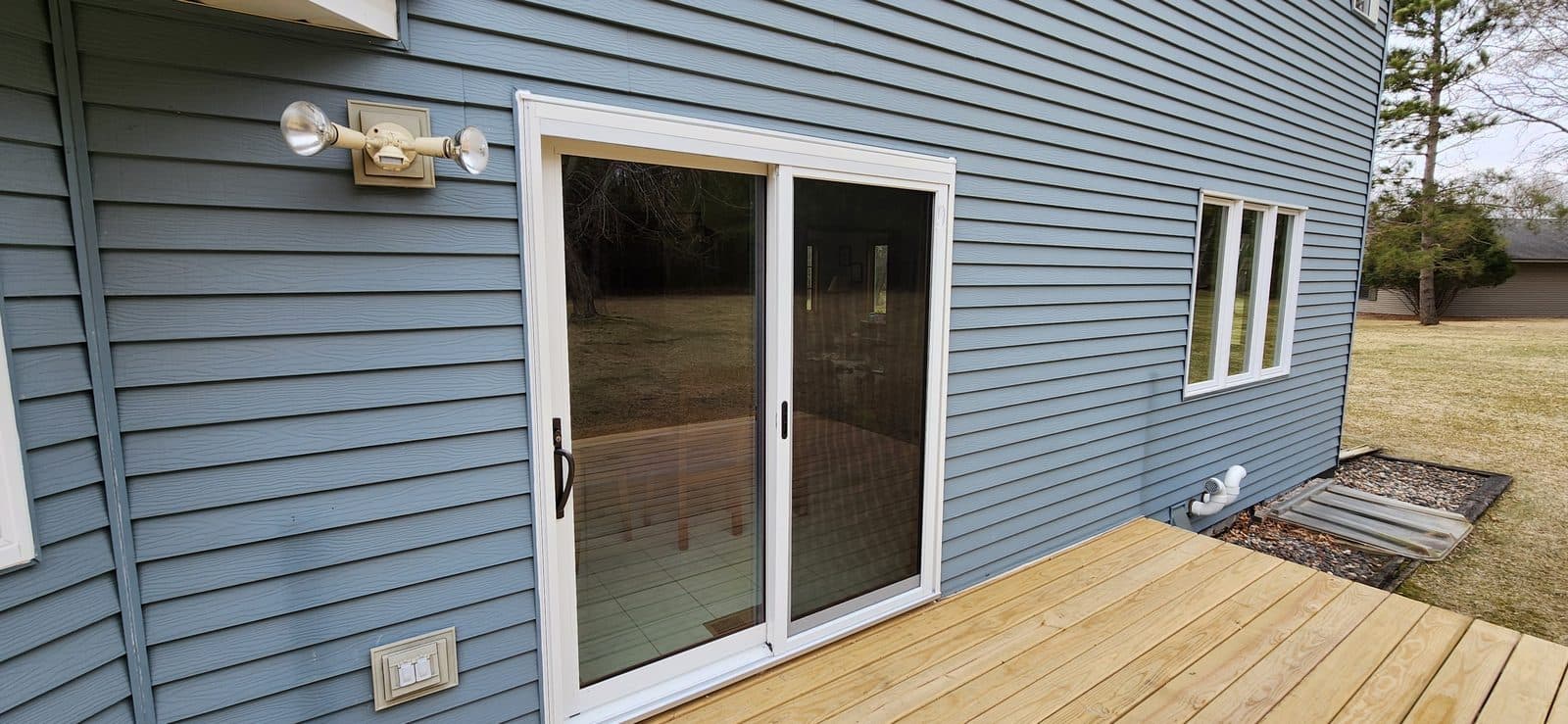
- Patio and entry doors. Dented panels and skins, cracked decorative glass, damaged storm doors, torn weatherstrip and bent sweeps.
Can hail damage a window without breaking the glass?
Yes, and this is the damage that matters most. An insulated glass unit is a sealed system under stress. A hard hail strike can microfracture the glass edge or shock the perimeter seal, and a compromised seal means the argon leaks out and moisture works in. Fog eventually forms between the panes. Cracked cladding lets water reach the frame core, where Minnesota freeze-thaw does its slow work. Document this damage during the claim because the symptoms surface later.
What does hail do to the parts that insulate a window?
A modern window insulates with four things: the sealed glass unit, the frame, the weatherstrip and the sealed gap between the frame and the wall. Hail reaches all four, and the loss is invisible until January.
| Part that got hit | What hail does | What you feel the next winter |
|---|---|---|
| Insulated glass unit (low-E, argon fill, warm-edge spacer) | Edge fracture or a shocked seal lets the argon out and moisture in | Glass runs colder, frost at the bottom edge, fog between the panes. A unit that rated around 0.27–0.30 performs like clear double-pane |
| Frame cladding on multi-chamber or foam-filled vinyl and clad-wood frames | Cracks let water into the chambers or the wood core | Wet foam and wet wood stop insulating; freeze-thaw opens the crack wider every year |
| Weatherstrip and glazing beads | Beads dented or knocked out of their channel, weatherstrip torn or displaced on doors | Air leaks at the sash; the window's air leakage rating no longer means anything |
| Exterior sealant and trim | Gouged caulk and split brickmould open the joint to the frame gap | Water reaches the foam and framing around the window; drafts and rot follow |
How should you document hail damage for the claim?
Photograph every damaged unit close up and in context, note the date of the storm, and keep any local news or weather-service reference to the event. If a roofer or adjuster is already on the roof, make sure windows, doors and screens are inspected and listed in the scope. Window damage riding along on a roof claim gets overlooked constantly.
Know the ground rules before a crew knocks. Minnesota Statute 325E.66 prohibits any contractor from paying, rebating or waiving your deductible, and an insurer can refuse to consider that contractor's estimate. The deductible is yours. It also lets you cancel a storm-repair contract within three business days of written notice that the claim was denied.
Which hail repairs are worth doing?
Screens can be re-meshed cheaply. A cracked or shocked glass unit can often be replaced in an otherwise sound window, and the new unit should be ordered with low-E, argon and a warm-edge spacer so the repair is also an upgrade. Builder-grade windows with cracked cladding and shocked seals are often smarter to replace outright, and a settlement is when many homeowners step up to better glass and frames for little difference out of pocket.
If you replace, spend the difference where it counts in Minnesota. Read the NFRC label: a U-factor of 0.22 or lower meets ENERGY STAR Version 7.0 for the Northern zone that covers the whole state. Choose multi-chamber or foam-filled frames, and casements over sliders where the room allows, for the tighter compression weatherstrip. Then make sure the scope includes the install steps a storm crew skips: a sill pan, flashing tape lapped shingle-style, low-expansion foam in the frame gap, and backer rod with sealant on the interior edge as the air seal. Send three photos of each damaged unit and you hear back from us within one business day.
What JMB Builders does
JMB Builders is a licensed Minnesota residential building contractor (BC809005) based in Zimmerman, working across the Twin Cities metro. We inspect the windows, doors and trim the roofer walked past, write the scope, and do the repair with one crew. We never pay or waive a deductible, and we install every brand without selling any. Paid by check or direct deposit. Call 763-204-2099 (text) or send photos through the site.
- Storm damage response and repairs — jmbbuildersmn.com/services/roofing/storm-damage-response-checklist
- Hail damage roof inspection for an insurance claim — jmbbuildersmn.com/services/roofing/hail-damage-roof-inspection-insurance
- Window brickmould replacement when the trim is split — jmbbuildersmn.com/services/exterior-trim/window-brickmould-replacement
- Full-service window and door replacement, measured and ordered by us — jmbbuildersmn.com/services/full-service
- Send three photos and we reply within one business day.
Frequently asked questions
What does hail damage look like on a window?
Chips and star cracks at the glass edge, pitting on the glass, dents and cracks in the cladding on the sill and lower rail, dented or shifted glazing beads, gouged sealant, torn screens and split exterior trim. Look on the sides of the house that faced the storm, and look down at the sills, which take the direct hits.
Can hail damage a window without breaking it?
Yes. A hard strike can microfracture the glass edge or shock the perimeter seal of the insulated glass unit. Nothing looks wrong that day. The argon leaks out, the glass runs colder, and fog forms between the panes months later. Cracked cladding does the same thing slowly by letting water into the frame.
Does insurance cover hail-damaged window screens?
Screens are usually covered as part of the window on a storm claim, and they are the most common hail casualty. List every torn or bent screen with photos. On their own they rarely clear the deductible, so put them on the same claim as the roof, siding and windows.
How soon after a hailstorm should I file a claim for windows?
Right away, on the same claim as the roof. Policies require prompt notice and set their own deadlines. Document the windows, doors and screens now and supplement the claim later if a seal fogs. Late claims for damage that surfaced slowly are the ones that get denied.
Should I replace hail-damaged windows or repair them?
Repair when the frame is sound: re-mesh the screens, replace a cracked glass unit with a low-E argon unit, patch a dent in the trim. Replace when the cladding is cracked or the seals were shocked on a builder-grade window, because the fog and the water damage are coming. A settlement often covers most of the difference to a window that meets ENERGY STAR Version 7.0.
Does hail damage doors?
Yes. Steel and fiberglass entry doors get dented skins, storm doors get bent frames and cracked glass, and patio door cladding, weatherstrip and screens take the same hits as windows. Check the door slab, the storm door, the sweep and the exterior trim around the jamb.