Vet a window installation subcontractor on four things, in this order: whether the dates hold, whether you can audit the install at an open jamb, whether the scope is in writing before the first unit goes in, and who answers the homeowner's call in year one. Windows sit on the critical path, and a bad install shows up as a warranty call long after the sub was paid.
This applies to any Twin Cities builder or GC hiring out window and door installation, whether the sub orders the units or you buy them direct and want a labor crew on your schedule.
Does the schedule hold?
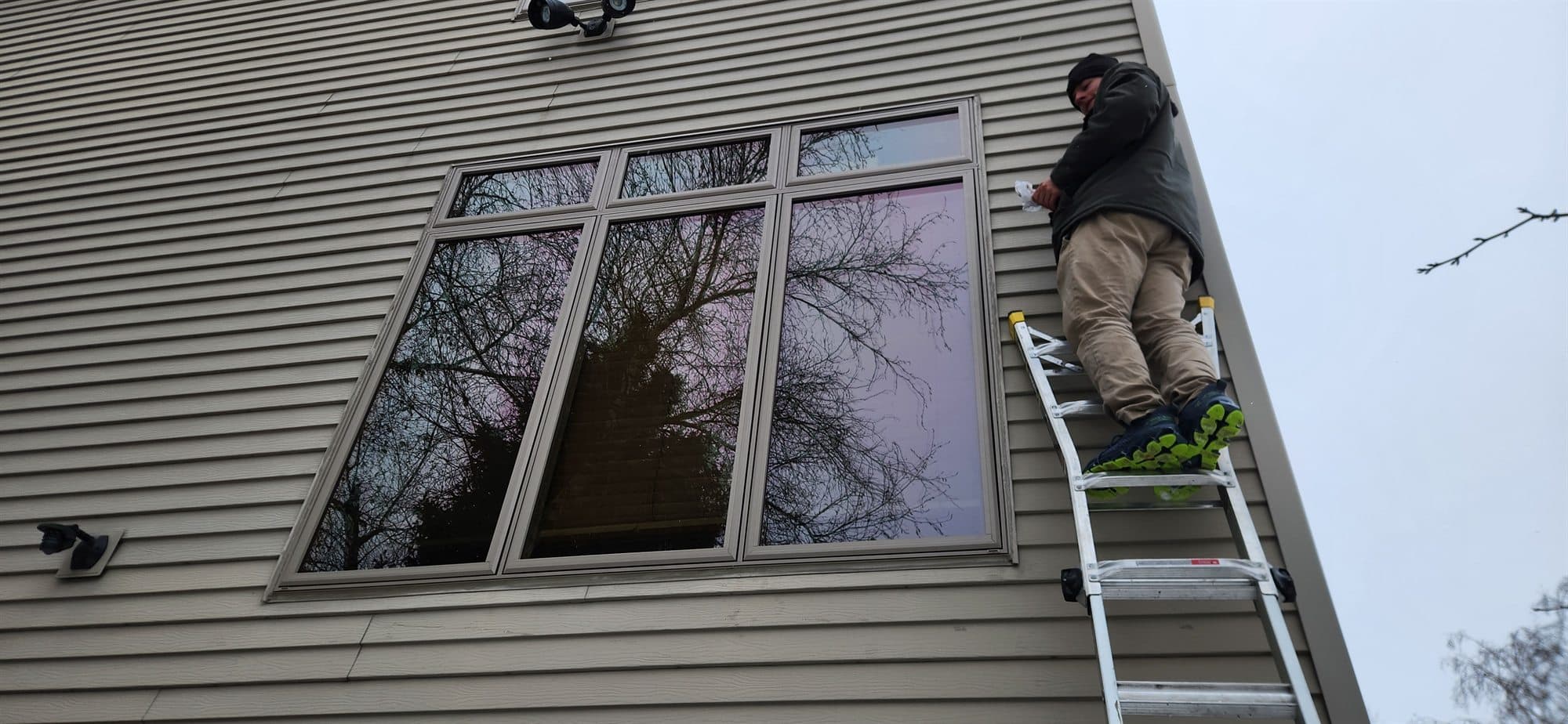
A window sub who slips three days pushes insulation, drywall and the closing date. Ask exactly who shows up, how many houses they carry at once, what happens on a weather day, and how you hear about it when a date moves. The right answer is notice measured in days, not a truck that does not show.
A one-crew sub is not a weakness here if the crew is honest about capacity. One crew that takes two houses a week and tells you the truth about dates beats a three-crew outfit that books five and shuffles you. What you are buying is a date you can plan drywall around.
References answer this better than promises. Ask for two GCs the sub is working with right now and call both. Ask them one question: did the dates hold?
Can you audit the install at the opening?
A good crew installs to the manufacturer's instructions and the details on your plans: a sill pan with a back dam, flashing lapped into the WRB in the right order, shims at the sill ends and at the hinge and lock points, low-expansion foam or the specified insulation at the perimeter, an interior air seal, and a fastener schedule that keeps the product warranty intact.
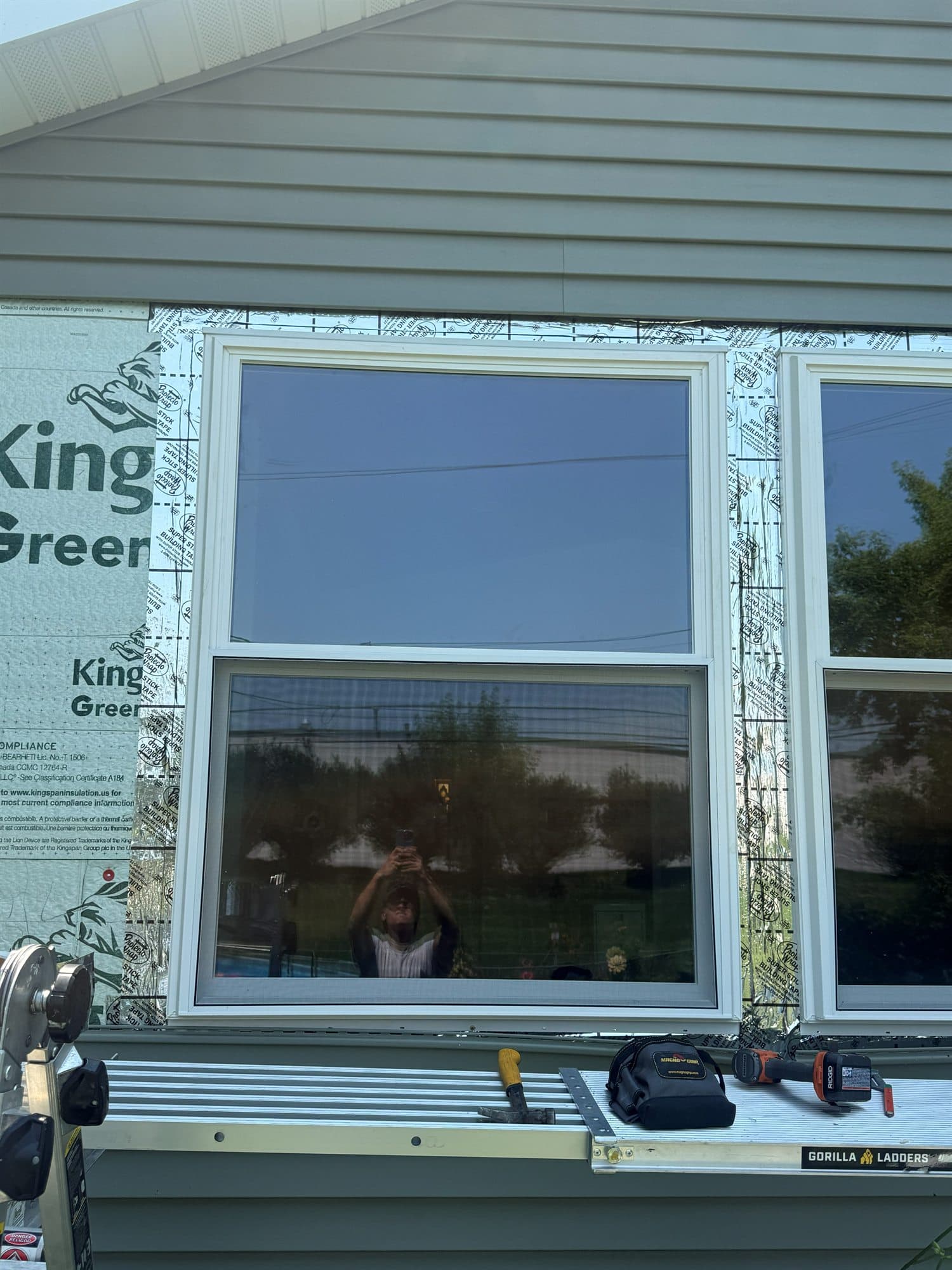
Walk one of the sub's active jobs before you hire them, ideally after the windows are set and before insulation covers the openings. Consistent flashing laps, clean foam that has not bowed a jamb, and units that read level, plumb and square tell you everything. A tidy opening tells you more than a brochure.
What should the sub's install standard say about insulating the opening?
The window's glass package is bought. The perimeter is built on site, and it is where most of the callbacks come from. A sub's written install standard should cover each row of this table, and the crew on site should be able to explain it without looking at the sheet.
| Detail | What right looks like | What goes wrong without it |
|---|---|---|
| Sill pan | Preformed or flexible flashing across the sill with a back dam and end dams, draining out over the WRB | First seal failure drains into the framing. Rotted sills, stained drywall below the window. |
| Flashing sequence | Sill pan first, jamb flashing over the sill pan, head flashing over the jambs, WRB lapped over the head flashing. Bottom fin left unsealed so water can drain. | Reversed laps route water behind the fin. Leaks show up in year two or three, not at the walkthrough. |
| Shims | Under the sill ends and mulls, behind the hinge and lock points on the jambs, fastened through the shims | Frame sags or bows. Sashes bind, locks miss, weatherstrip cannot seal. |
| Rough-opening gap | Low-expansion window-and-door foam filling the gap depth, trimmed flush | Stuffed fiberglass is not an air barrier. Air moves through it, moisture condenses in it, and the R-value collapses when it is wet. High-expansion foam bows the jambs. |
| Interior air seal | Backer rod and sealant, or a continuous foam bead, between frame and rough opening on the warm side before the trim | Indoor air reaches the cold frame and the sheathing gap. Frost on the jamb in January, drafts at the casing, hidden condensation. |
| Fastener schedule | Type and spacing per the manufacturer's instructions | A voided warranty on top of a racked frame. |
Why does the install decide whether the glass package pays off?
Builders spend real money on the glass: Low-E coatings on the inner surfaces of the panes, argon or krypton fill between them, a double- or triple-pane unit, and a warm-edge spacer that keeps the glass edge warmer and holds the gas seal. The frame adds more: multi-chamber or foam-filled profiles, compression weatherstripping, and a low air-leakage rating on the NFRC label next to the U-factor and SHGC. Minnesota is in the ENERGY STAR Northern zone, and the Version 7.0 Northern criteria are the tightest U-factor tier in the program.
Every one of those numbers is measured on a whole unit with a sealed perimeter. On site, the crew builds the perimeter. A window that rates well in the lab and sits in an opening with stuffed fiberglass and no interior seal leaks conditioned air around the frame all winter, and air leakage carries more heat than conduction through good glass. The homeowner feels a draft and blames the window. The window was fine. The install cancelled the glass package the builder paid for, and a claim on it can be denied because the manufacturer's install instructions were not followed.
Full-service or labor-only: which model fits your workflow?
Some builders want one sub to own the whole scope: measure, order, receive, install and take the service calls. Others buy product direct and want a skilled crew on their schedule. A useful sub offers both and says which fits your project.
Full-service moves ordering-error risk to the sub. Labor-only keeps margin control with you. Either way, get who is responsible for a mis-measure in writing before the order goes in, because a re-order costs weeks on the schedule.
What paperwork should a window sub hand you?
Before the first opening, a professional sub provides:
- A current Minnesota residential building contractor license number you can look up with the Minnesota Department of Labor and Industry.
- A written scope with unit counts, install details (pan, flashing, foam, interior seal, trim) and exclusions. Not 'per plans'.
- A lien waiver process that lines up with your draw schedule.
- A punch and warranty commitment: who answers the homeowner's call in year one, and how fast.
- Photos of each opening before the trim goes on, so a claim later has evidence.
What JMB Builders does
JMB Builders is a licensed Minnesota residential building contractor (BC809005) based in Zimmerman, working for builders, GCs and window companies across the Twin Cities metro. We install windows and doors as a subcontractor, full-service or labor-only, install every brand, and do the interior trim-out most install crews leave behind. One crew, photos of the finished openings in your job folder, paid by check or direct deposit. Call 763-204-2099 (text) or send the plans or a photo of the openings, per-opening pricing, reply within one business day.
- Window and door subcontracting for builders and GCs — jmbbuildersmn.com/services/contractors
- New construction window installation crew — jmbbuildersmn.com/services/builders/window-installation-crew-new-construction
- Interior trim-out after window install, for window companies — jmbbuildersmn.com/services/builders/window-company-trim-out-partner
- Warranty callback carpentry, batched by neighborhood — jmbbuildersmn.com/services/builders/warranty-callback-carpentry
Frequently asked questions
What should a builder ask a window installation subcontractor before hiring them?
Ask exactly who shows up, how many houses they carry at once, how they handle a weather day, and how you find out when a date moves. Ask for two builders they work with now and call them. Then walk one of their active jobs and look at the pan, the flashing laps, the shims, the foam and the interior seal. The license number and a written scope come before the first opening.
Should a builder buy windows direct or let the sub order them?
Buy direct when you have the supplier account and want margin control, and hire a labor-only crew for the install. Let the sub order when you want one party accountable for measure, order and fit. Full-service moves mis-measure risk to the sub. Labor-only keeps it with whoever placed the order.
Who is responsible when a window is measured wrong?
Whoever measured and placed the order. On a full-service scope that is the sub. On a labor-only scope it is the builder or the supplier, unless the sub was paid to measure. Put it in writing before the order goes in, because a re-order costs weeks on the schedule.
What does a good window install look like when you walk the job?
Flashing lapped shingle-style: sill pan, then jambs, then head, with the WRB over the head flashing. A sill pan with a back dam. Shims under the sill ends and at the hinge and lock points. Low-expansion foam that has not bowed the jambs, and a sealant or foam bead at the interior edge. A unit that reads level, plumb and square, with sashes that slide and lock without effort.
Should a window sub foam the gap or stuff it with fiberglass?
Foam, and specifically low-expansion window-and-door foam. Fiberglass stuffed in the gap is not an air barrier: indoor air moves through it to the cold framing, moisture condenses in it, and wet fiberglass barely insulates. Foam fills the gap and stops the air. Finish it with backer rod and sealant or a continuous bead at the interior edge so the warm side is airtight.
Who handles the homeowner's warranty call in year one?
Decide that before the job, not after. A good sub puts it in the scope: who the homeowner calls, who shows up, and how fast. Drafts, a sash that binds and a stained sill below a window are install issues, and the installing sub should be the one who answers them.