
Blog · Energy Efficiency
Energy Efficiency: articles and guides
Straight answers on window replacement cost, patio and entry doors, finish carpentry, permits and hiring a contractor in Minnesota from a licensed local crew.
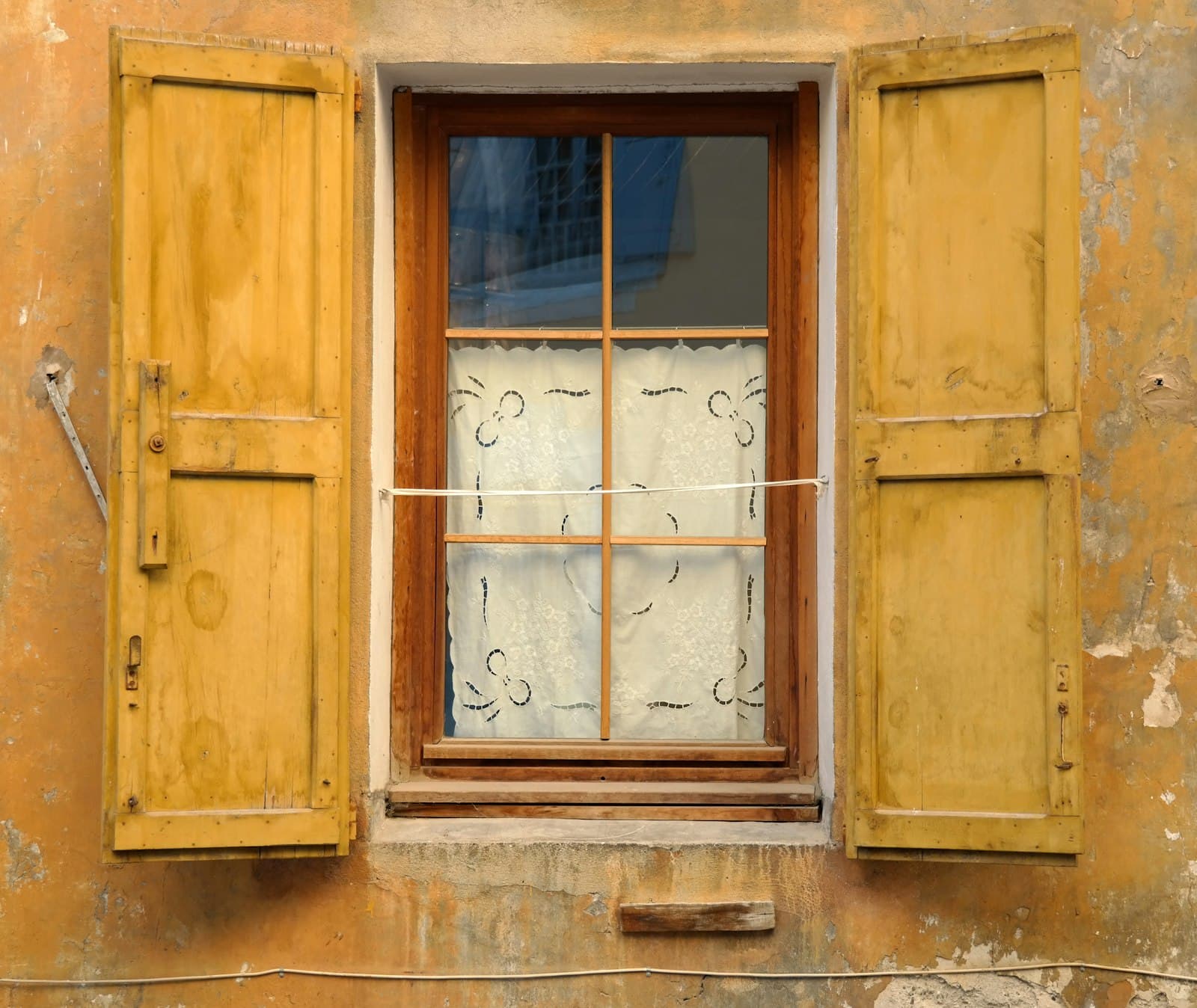
Storm Windows and Interior Inserts: Insulating Original Windows
A storm window or an interior insert adds a second layer of glazing and a sealed air space over an original window, which is most of what a double-pane replacement does. A low-E exterior storm over single-pane glass cuts heating and cooling use by about 10 percent on a national average, and an interior acrylic insert with a compression seal stops the drafts. They beat replacement when the original sash is sound and worth keeping; they lose when the frame is rotted or the sash no longer closes.
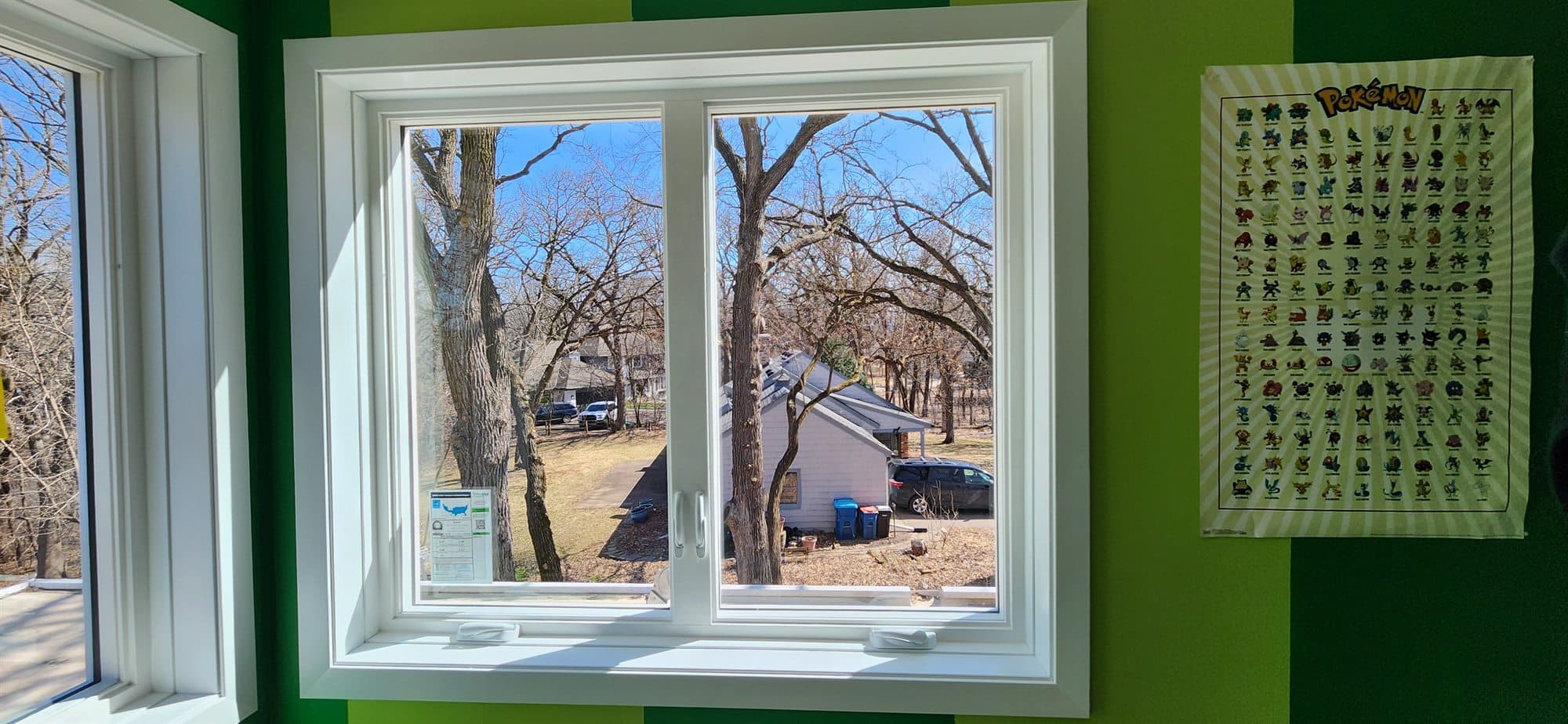
Window Air Leakage (AL) Rating Explained for Minnesota Homes
The air leakage (AL) rating is how much air blows through a closed window, in cubic feet per minute per square foot, under a test pressure equal to about a 25 mph wind. Lower is tighter. ENERGY STAR will not certify a window above 0.3, and good casements and awnings test at 0.10 or under. Sliders and double-hungs leak more because their sashes slide past a brush seal instead of pressing into a gasket.
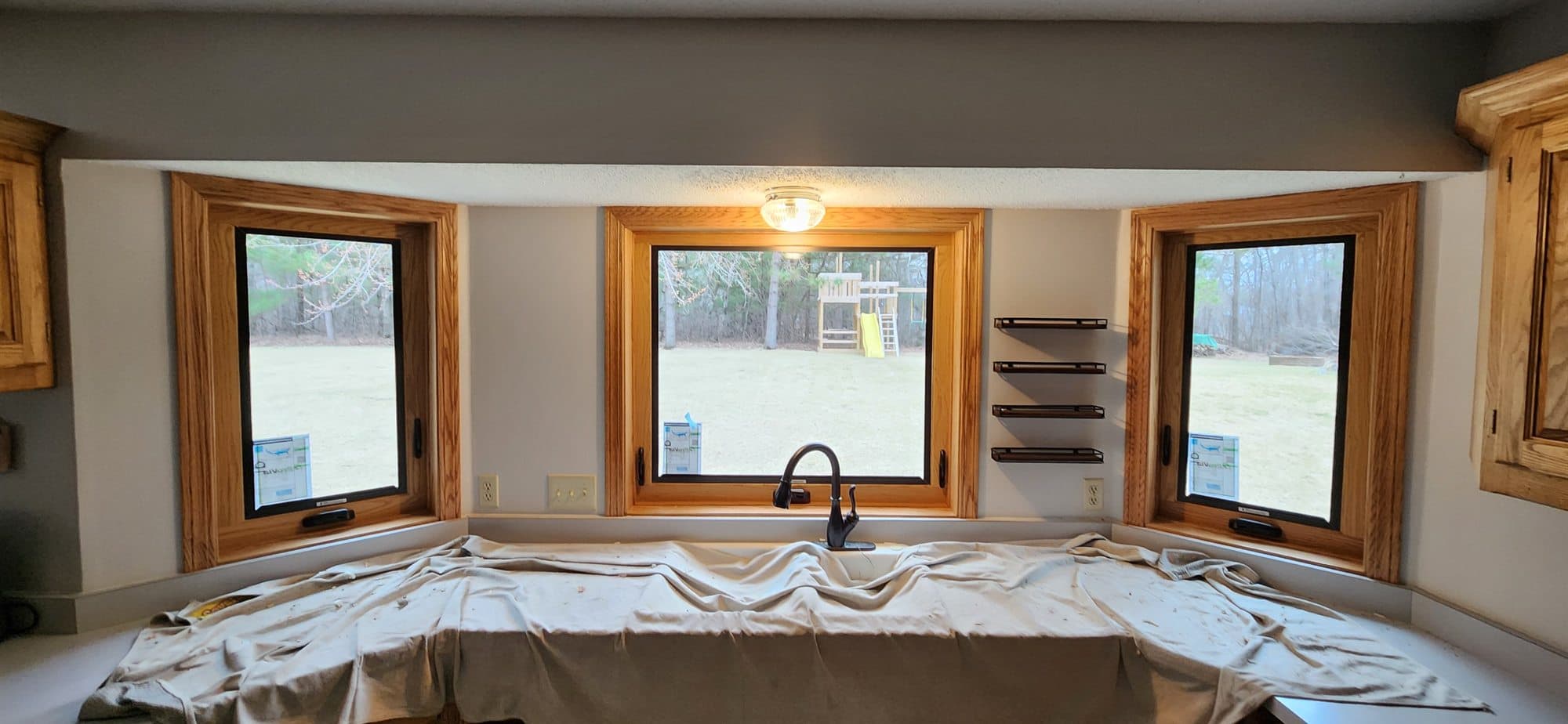
Which Low-E Coating for North vs. South Windows in Minnesota?
In a Minnesota house, south-facing glass that gets winter sun wants a high-solar-gain Low-E, west glass and rooms that overheat want a lower-gain coating, and north glass wants the lowest U-factor you can get because there is no sun to harvest. The manufacturers name these differently. Here is what Cardinal, Andersen, Pella and Marvin call each option and how to order them by elevation.

Argon vs. Krypton Gas Fill in Windows: Which Is Worth It?
Argon and krypton are inert gases sealed between the panes to slow heat moving through the air space. Argon does its best work in the roughly half-inch gap of a standard double-pane unit. Krypton wins in the narrow quarter-to-three-eighths-inch gaps of a thin triple-pane. For most Minnesota double-pane orders, argon is the right answer and krypton is money better spent on the coating or the spacer.
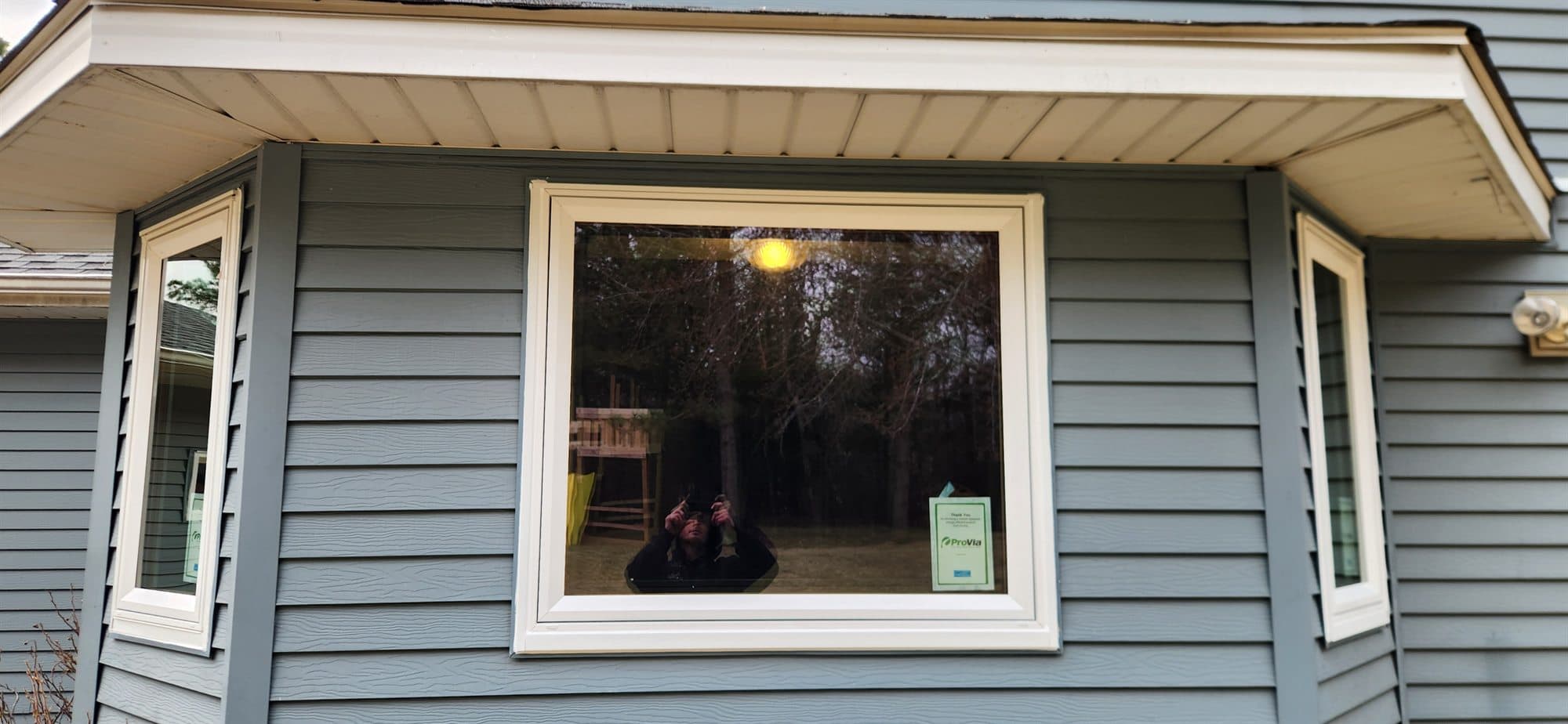
ENERGY STAR Version 7.0 Windows in Minnesota: What Changed
ENERGY STAR Version 7.0 took effect October 23, 2023. For the Northern zone, which covers all of Minnesota, a window now needs a U-factor of 0.22 or lower and, for the first time, a minimum SHGC of 0.17. Most ordinary double-pane windows do not get there. Here is what the numbers mean, how manufacturers reach them, and what to ask for on a Twin Cities order.

How to Insulate Around Windows in Minnesota (Foam vs. Fiberglass)
The gap between a window frame and the rough opening is where most window drafts start. Low-expansion foam or a closed-cell backer rod with sealant, placed at the interior edge of the frame, stops the air. Fiberglass stuffed in the gap does not. Here is how each option works, why the seal belongs on the inside, and how to pull a piece of casing and check what is behind yours.
U-Factor, SHGC and ENERGY STAR 7.0: Window Ratings for Minnesota
On the NFRC label, U-factor is the number that matters in Minnesota. It measures heat loss, and the ENERGY STAR Version 7.0 Northern zone mark means 0.22 or lower for a window. SHGC measures solar heat coming in, and a moderate to high value is fine here because winter sun is free heat. VT, air leakage and condensation rating fill in daylight, drafts and fogging.
How Much Do Energy-Efficient Windows Really Save in Minnesota?
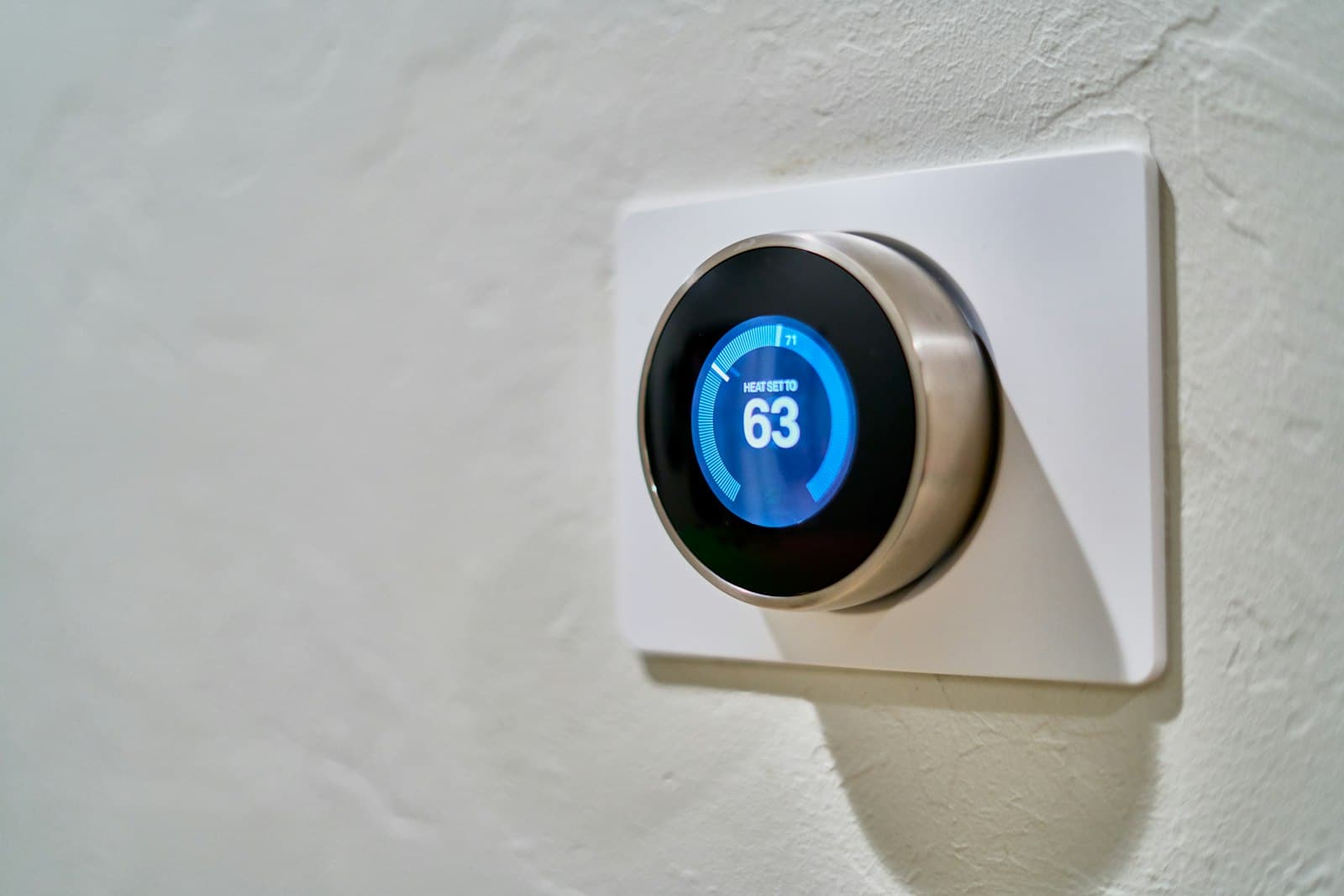
Energy-efficient windows save the most when they replace single-pane glass: ENERGY STAR's national estimate is up to about 13% off total household energy bills, and the heating share of a Minnesota bill takes a bigger cut than that. Replacing failed or builder-grade double-panes saves noticeably less, and replacing sound 2000s glass saves little. On energy alone, payback takes well over a decade. Comfort, condensation control and resale value are the rest of the case.
Low-E Glass, Argon Gas & U-Factor: Window Efficiency Explained
Low-E is a microscopically thin silver coating on the glass that reflects heat back into the room in winter. Argon is a gas between the panes that slows heat transfer. U-factor is how fast the whole window loses heat, and lower is better. For Minnesota, buy low-E, argon and a warm-edge spacer; aim for U-0.22 or lower if you want ENERGY STAR Version 7.0 performance, then make sure the gap around the frame is foamed and sealed.
Double-Pane vs. Triple-Pane Windows in Minnesota: Worth It?
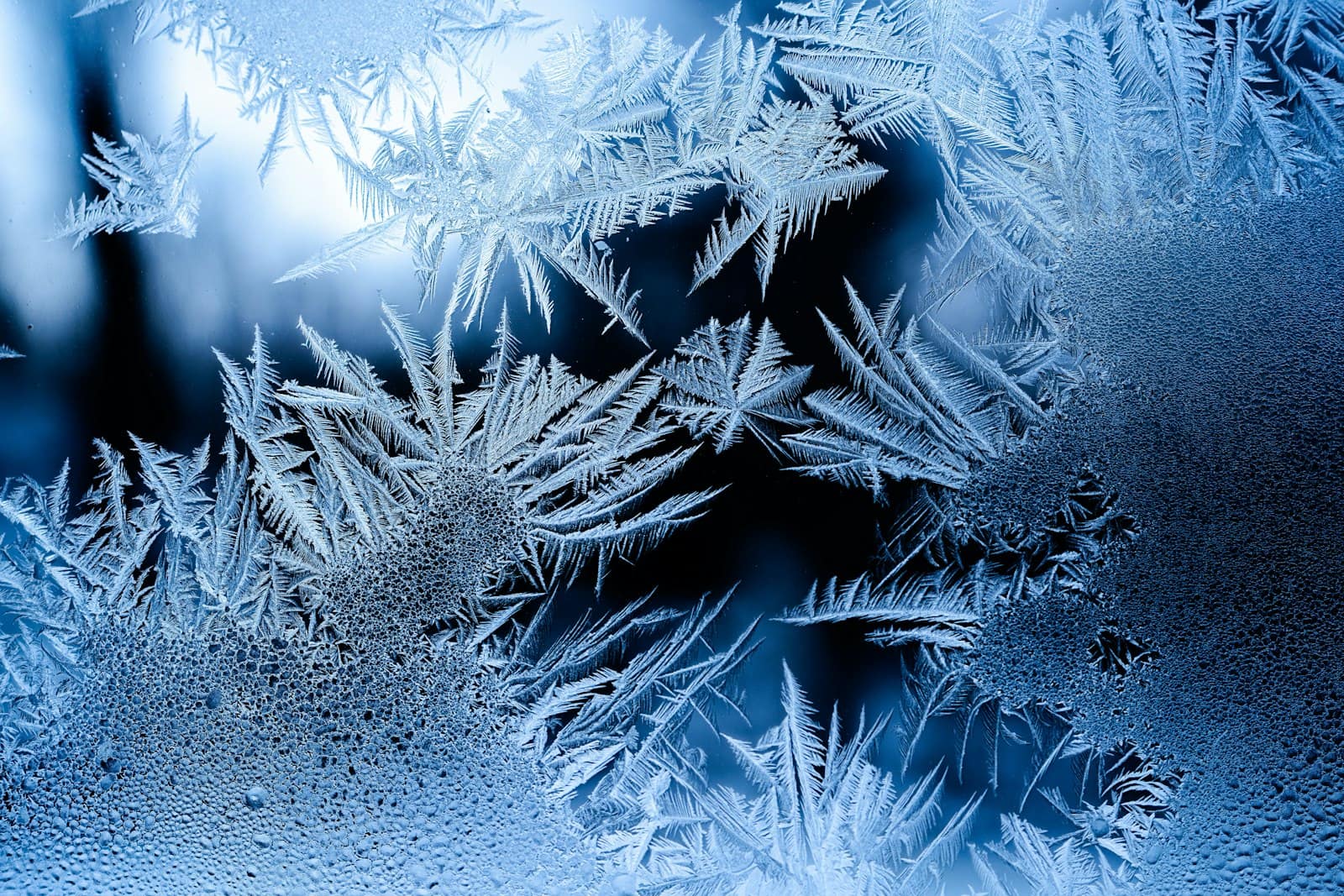
Triple-pane windows are worth it in Minnesota if you will be in the house seven or more years, sit near the windows in winter, or have street noise. A good double-pane low-E argon unit rates about 0.27–0.30; triple-pane reaches 0.17–0.23 and is the usual way to meet the ENERGY STAR Version 7.0 Northern target of 0.22. On energy alone payback takes a decade or more. Comfort and condensation control are the real reasons to buy it.
Have a window, door or home project question we didn't answer?
Get straight answers and a free estimate from a licensed Twin Cities contractor — in person, or send photos for a written quote in one business day.