
Blog · For Contractors
For Contractors: articles and guides
Straight answers on window replacement cost, patio and entry doors, finish carpentry, permits and hiring a contractor in Minnesota from a licensed local crew.
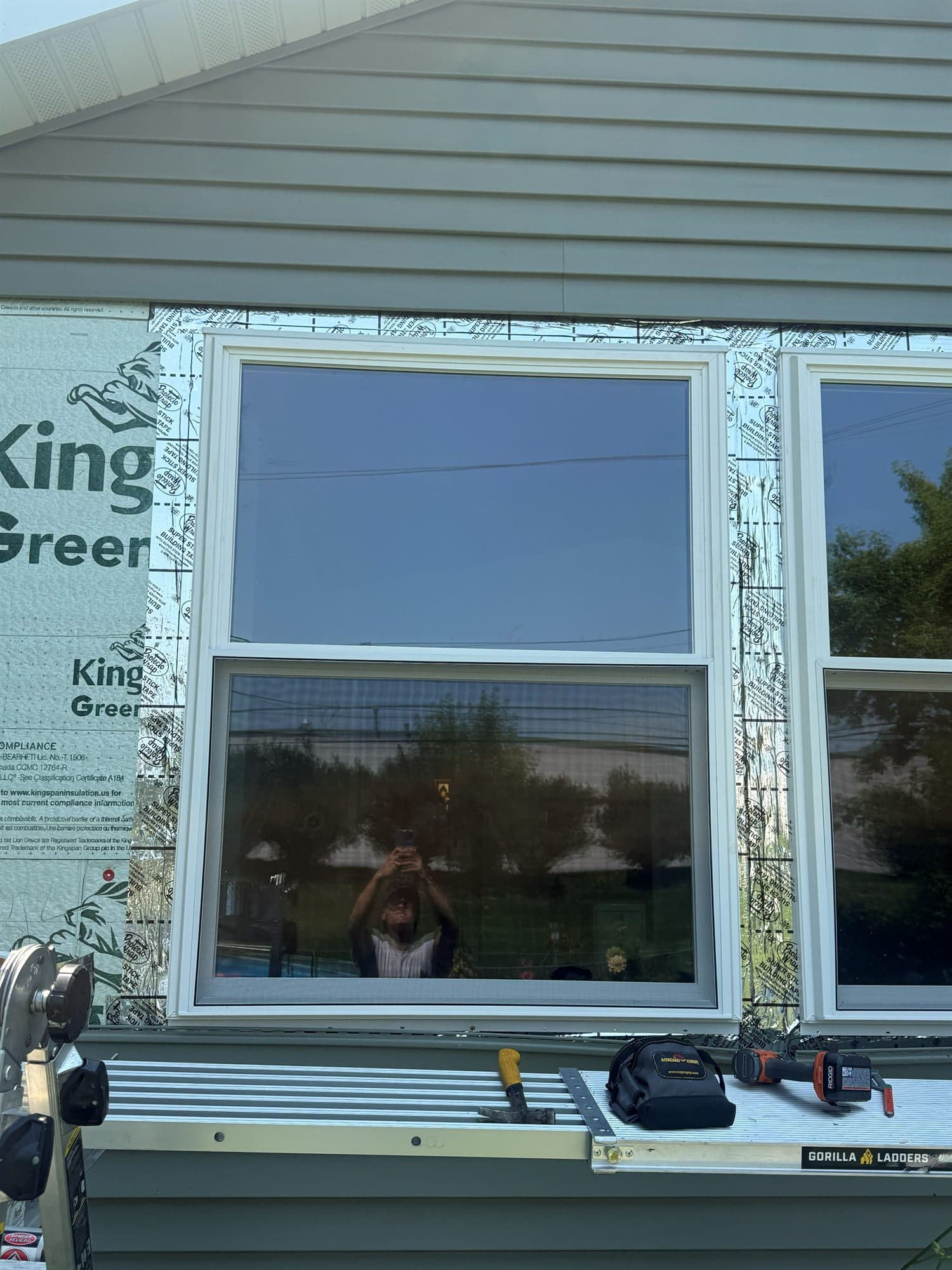
Flashing a Flanged Window: Pan, Jambs, Head, Foam Sequence
The flanged-window sequence has not changed in twenty years, and most flashing failures are sequence failures, not product failures: an X-cut in the wrap, a pan with no back dam, head tape under the jamb tape, or the head flap of house wrap never folded down. Here is the order, step by step, plus the mistakes we see on framing walk-throughs.
How Our Window Installation Process Works for Builders and GCs
JMB Builders runs the window scope for builders two ways: full-service, where we take off the schedule, order and install, or labor-only, where you supply the units and one crew sets, shims, foams and flashes them. Lead times are locked at contract, every opening gets the same sill pan and flashing sequence and a photo, and punch items close the same week.

8 Window Installation Mistakes Behind Drafts, Leaks and Callbacks
The eight window installation mistakes that cause drafts, leaks and callbacks: no sill pan, flashing lapped in the wrong order, a unit set out of level, plumb or square, high-expansion foam bowing the jambs, fiberglass stuffed in the gap with no interior air seal, missing or misplaced shims, caulk doing the job of flashing, and ignoring the manufacturer's instructions. Most 'bad window' complaints are one of these. The window itself is usually fine.
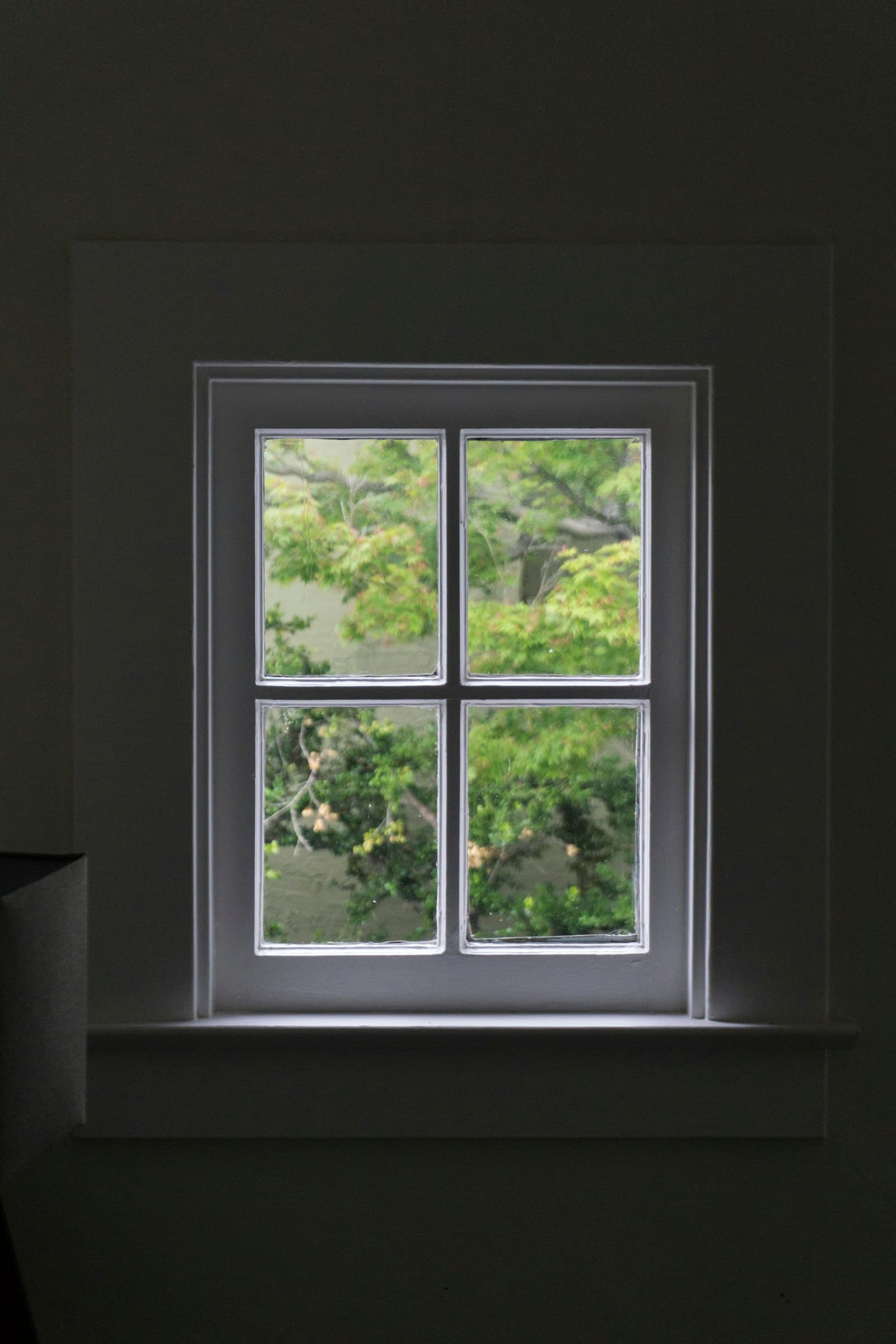
Jamb Extensions Explained: Why a Quote Should List Interior Trim
A jamb extension is the strip of wood or matching material that carries the window frame's interior edge out flush with the drywall so the casing has something to land on. Walls vary in depth and window frames do not, so most new windows in 2x6 walls need them. The stool, apron and casing go on after, over a sealed gap. They are quoted as their own lines because they are their own work.

New Construction vs. Replacement Windows: What's the Difference?
A new construction window has a nailing fin that fastens to the sheathing and ties into the housewrap and flashing. A replacement window has no fin and sets inside the existing frame or a prepared opening, fastened through the jamb. Use the finned unit when the siding is off or the framing is open. Use the insert when the old frame is sound and the siding stays. The glass can be identical; the flashing and sealing are not.

Installation-Only Window Service: When It Makes Sense
Installation-only window service makes sense when you already have the windows or are about to buy them: a builder with a supplier account, a homeowner with a big-box or online order, a flipper standardizing units, or an insurance scope with approved product. You own the ordering and the fit. The installer owns everything that decides how the window performs: the pan, the flashing, the shims, the foam, the interior seal and the trim.

What Builders Look For in a Window Installation Subcontractor
A builder should pick a window installation subcontractor on four things: dates that hold, an install you can audit at the opening (sill pan, flashing laps, shims, low-expansion foam, interior air seal), a written scope before the first unit goes in, and a written answer to who takes the homeowner's call in year one. Two references from builders the sub works with now tell you more than any pitch.
Have a window, door or home project question we didn't answer?
Get straight answers and a free estimate from a licensed Twin Cities contractor — in person, or send photos for a written quote in one business day.