
Blog · Windows
Windows: articles and guides
Straight answers on window replacement cost, patio and entry doors, finish carpentry, permits and hiring a contractor in Minnesota from a licensed local crew.
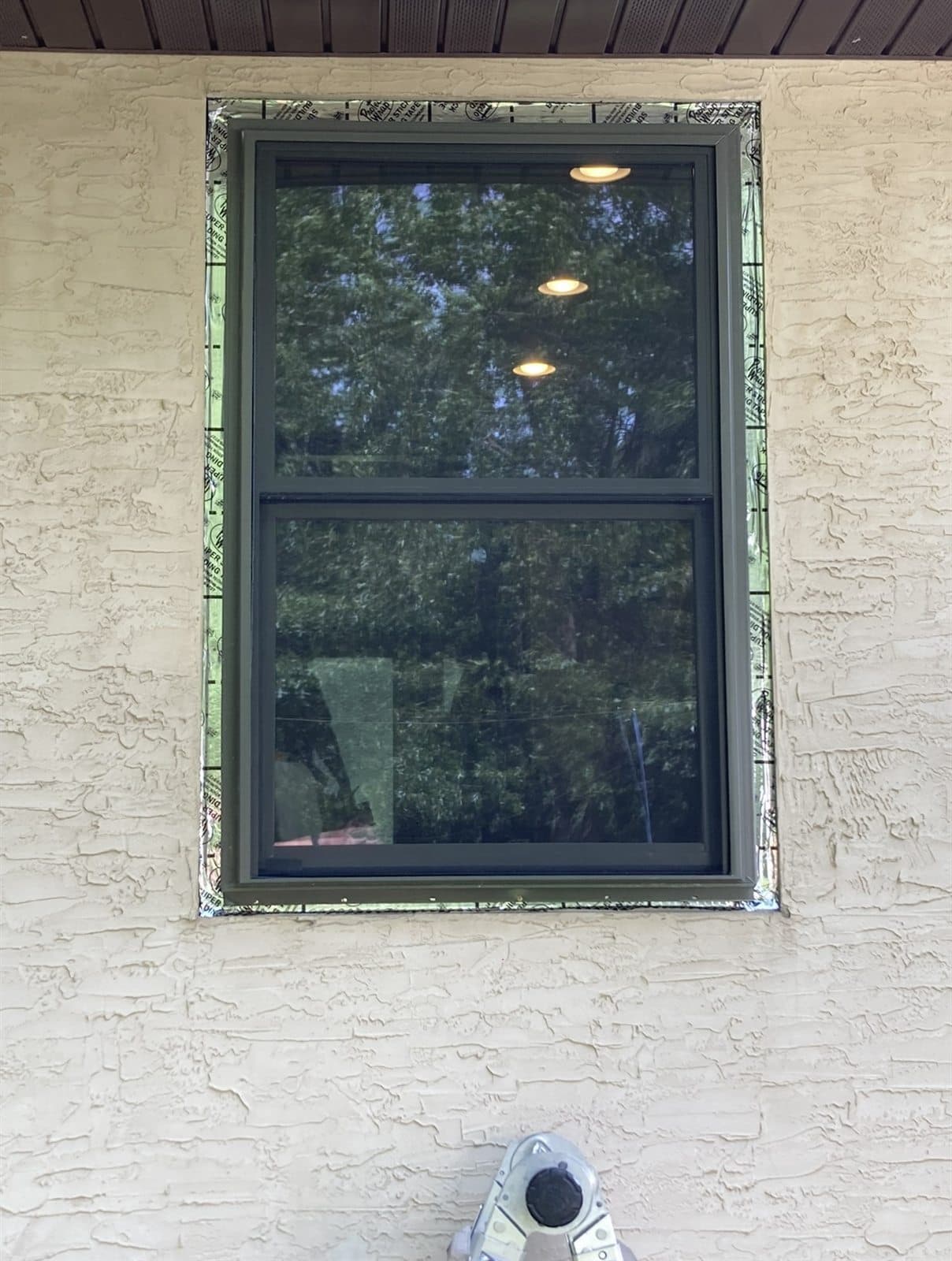
Hopper, Slider, Glass Block or Egress: Picking a Basement Window
Most Minnesota basement windows are small units set in a block or poured wall, and the replacement choice is hopper, slider, glass block or a full egress window. The window matters less than the buck frame it sits in, how it is sealed to the concrete, and whether the well outside drains. Here is how to choose and what a proper install includes.
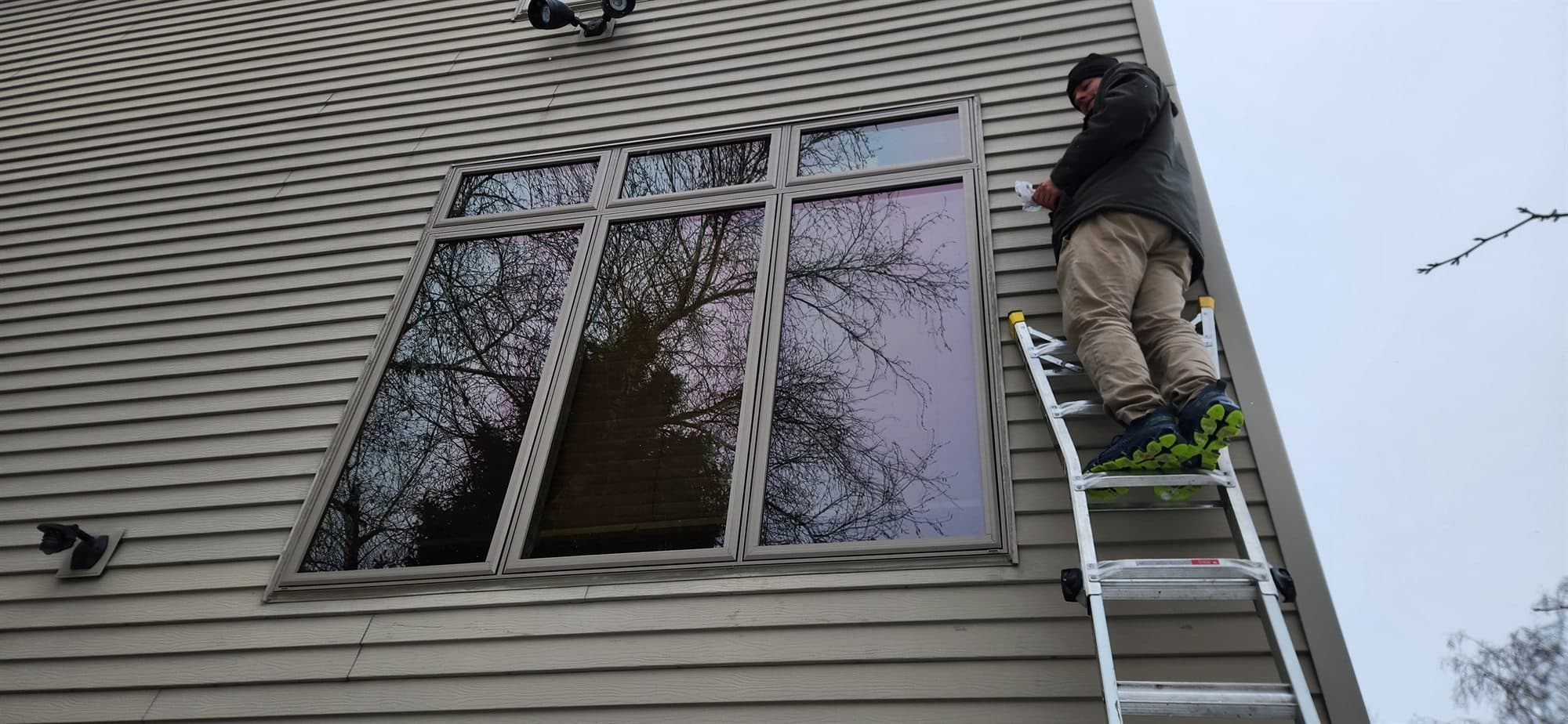
Andersen vs Pella vs Marvin Windows for Minnesota Homes
Andersen, Pella and Marvin all make windows that survive a Minnesota winter. The real differences are frame material by line (Fibrex, vinyl, fiberglass, clad wood), which glass package you order, and where you can buy each one. JMB installs all three and sells none, so here is how they compare from the installer's side of the opening.

Window Flashing and Sill Pans Explained: Why Insulation Fails
A window's insulation only lasts as long as the wall around it stays dry. The sill pan catches water that gets past the window, the flashing tape sends it back out over the house wrap, and the drip cap keeps it off the head. Skip any of the three and the foam, the framing and the sheathing get wet, and wet insulation does not insulate.

Bay and Bow Window Insulation: Seat, Roof and Mull Joints
A bay or bow window is cold because it hangs outside the insulated wall on three sides, and the two places it loses the most are the cavity under the seat board and the cavity above the head under the little roof. Both are usually stuffed with a scrap of fiberglass or nothing at all. Insulating and air sealing the seat, the head, the roof cap and the mull joints between the units turns a cold, sweating seat into a usable one.
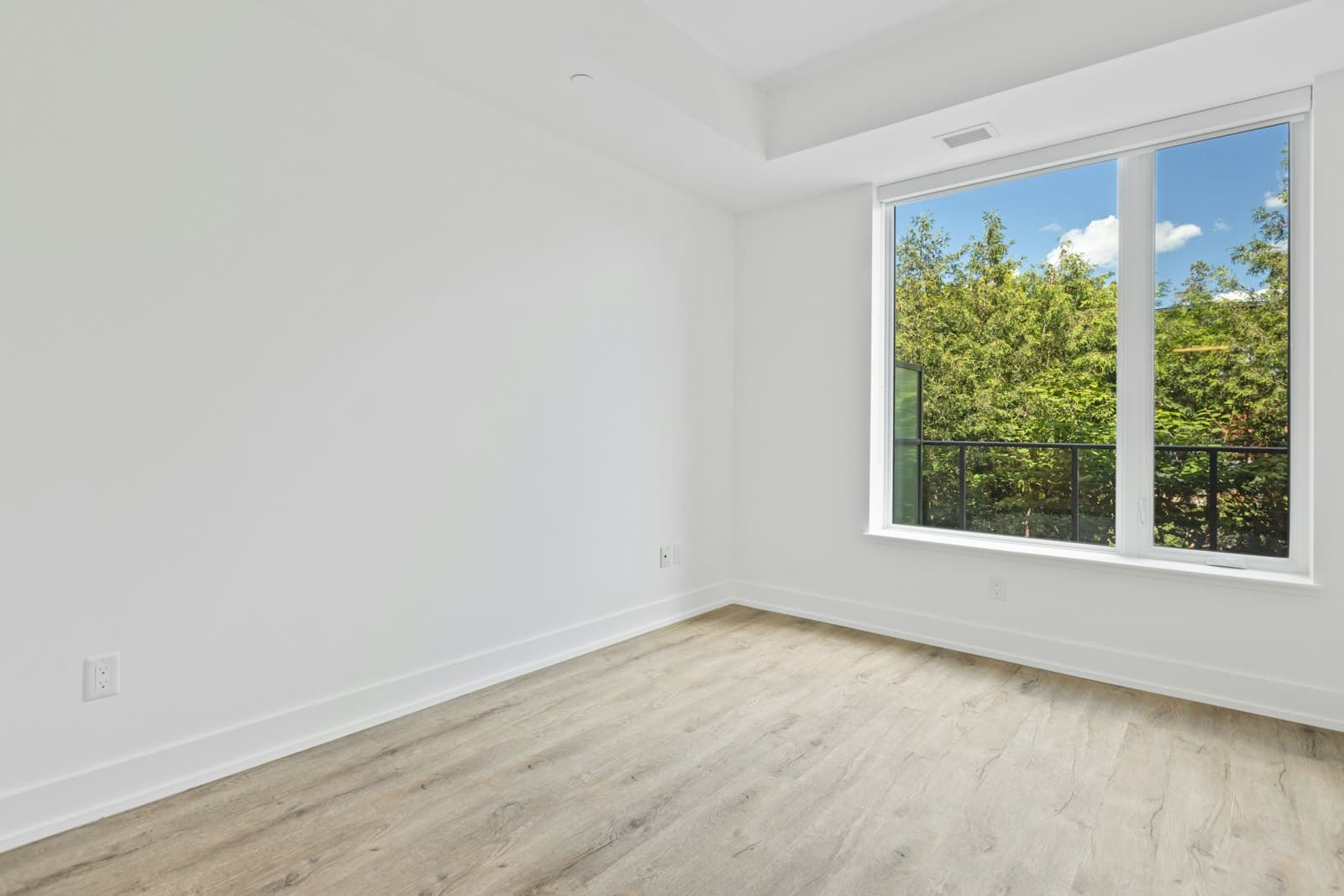
Insulated Window Frames: Vinyl, Fibrex, Fiberglass & Wood
The frame is a quarter or more of a typical window's face, and it insulates worse than the glass on almost every product. Hollow vinyl relies on chambers of trapped air; foam-filled vinyl and multi-chamber extrusions do better. Fibrex is a wood-fiber and PVC composite, pultruded fiberglass barely moves with temperature, wood insulates well on its own, and bare aluminum conducts cold straight through.

Warm-Edge Spacers Explained: Foam, Stainless or Aluminum?
The spacer is the bar around the perimeter of an insulating glass unit that holds the panes apart and seals the gas in. An aluminum spacer conducts cold straight to the glass edge; a warm-edge spacer made of stainless steel, silicone foam or thermoplastic conducts far less, so the edge stays warmer, condensation along the bottom of the glass drops and the seal lasts longer. Here is how to tell them apart and find one on a quote.
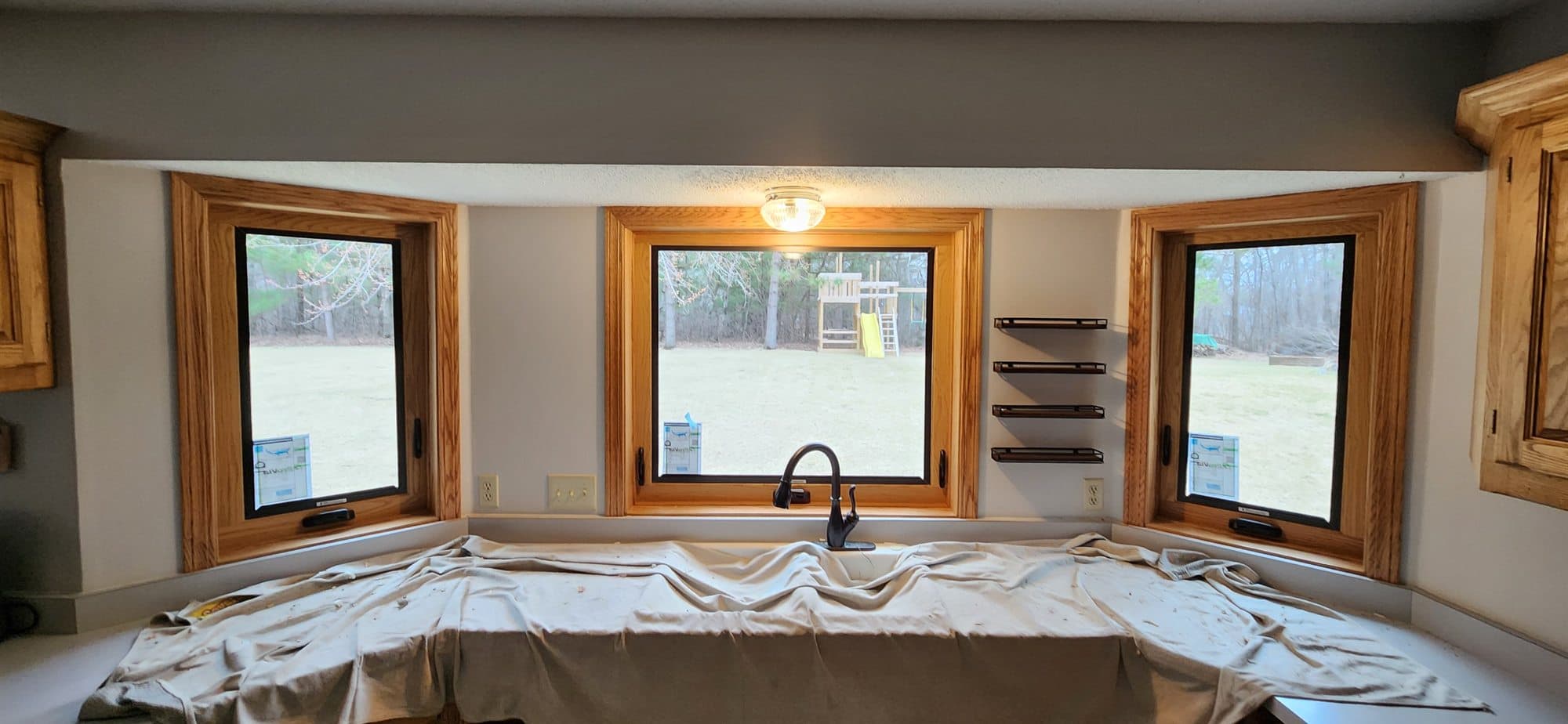
Black Windows in Minnesota: What to Know Before You Order
Black windows cost more than white, and the frame material matters more with a dark color than with any other choice. Fiberglass, composite and aluminum-clad wood hold black on a south-facing Minnesota wall. Bargain painted vinyl is where fading and warping show up. Order black outside and white inside unless you have a plan for dark frames in every room.
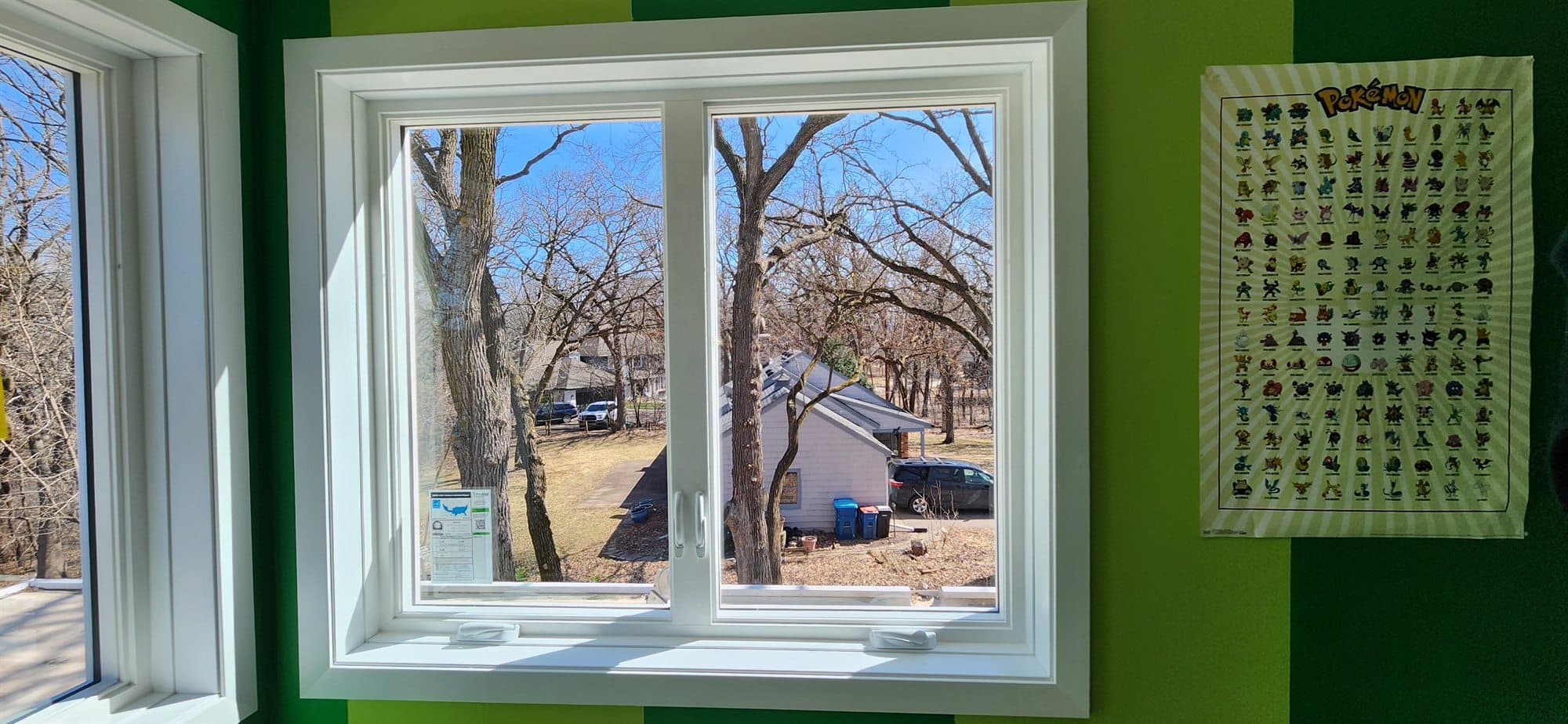
Crank-Out or Slide-Up? Picking Between the Two Common Window Styles
In a Minnesota house, casements seal tighter and meet egress in smaller openings, so they win in bedrooms, over the kitchen sink and on the windy side of the house. Double-hungs cost less, tilt in for cleaning and never swing out over a deck or walkway, so they win on the front of a traditional house. Most Twin Cities homes end up with both.
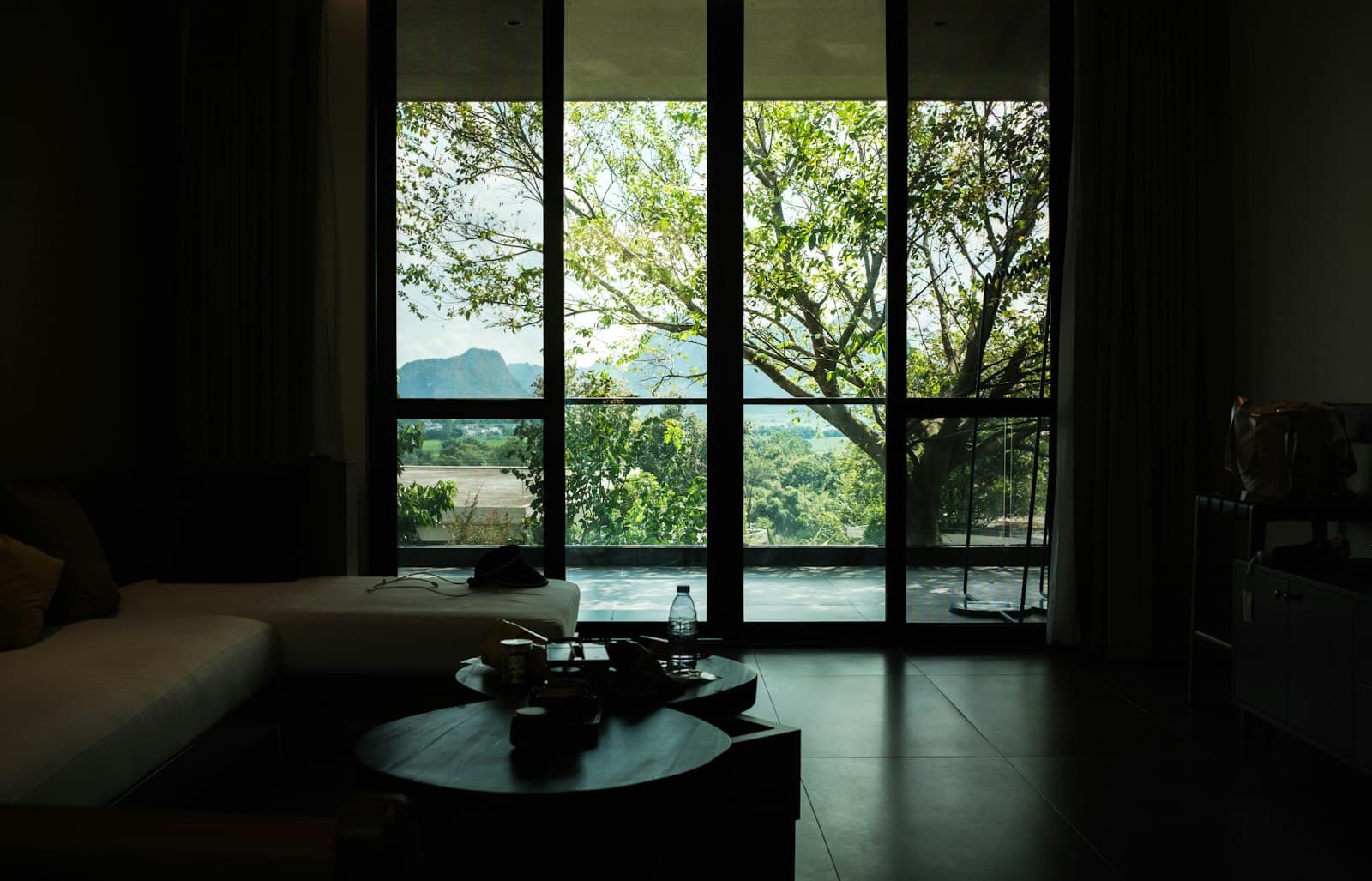
Sound-Reducing Windows: How to Quiet a Noisy Minnesota Home
The quietest windows for a Minnesota house use laminated glass, two panes of different thickness and a wider air space, in a casement or awning frame that compresses shut. That package reaches STC 35 to the low 40s against roughly 27–30 for a standard double-pane, and a 10-point gain sounds about half as loud. The install matters as much as the glass: a foamed and sealed frame gap keeps noise from going around it.

Egress Window Requirements in Minnesota (2026 Homeowner Guide)
In Minnesota every sleeping room needs one emergency escape window with at least 5.7 square feet of net clear opening (5.0 at grade floor), at least 24 inches high and 20 inches wide, a sill no more than 44 inches off the floor, opening from inside without tools. A below-grade window needs a well at least 9 square feet and 36 inches each way. Confirm with your city.

Window Styles for Minnesota Homes: Double-Hung, Casement & More
Casements seal tightest and are the best pick for windy walls and bedrooms. Double-hungs are the safe choice for most Minnesota neighborhoods and clean from inside. Awnings work in baths and kitchens because they stay open in rain. Sliders are cheap and fit wide basement openings. Picture windows are the most airtight because they do not open. Most houses use a mix.
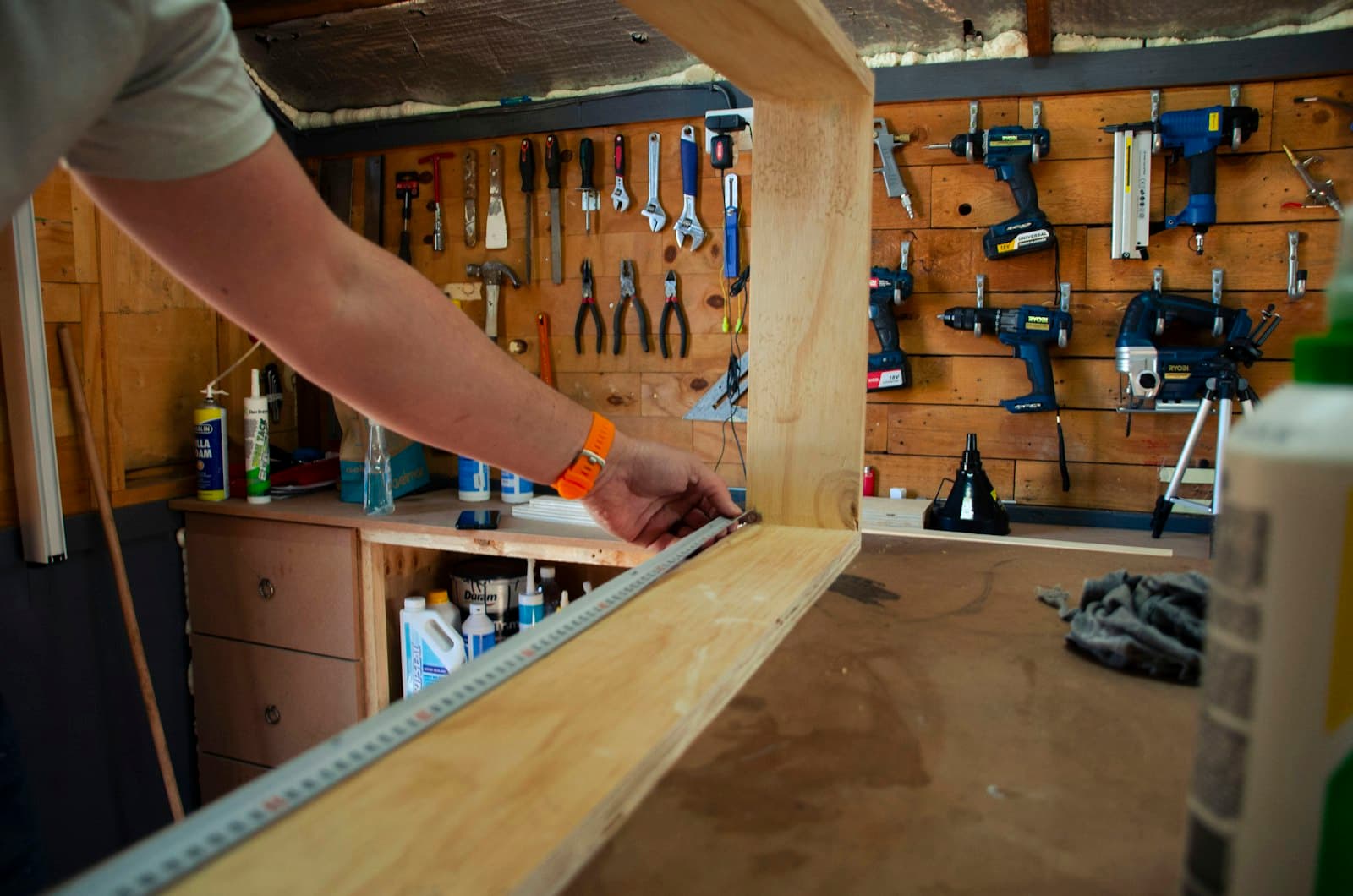
Full-Frame vs. Insert Window Replacement: Which Do You Need?
Use an insert when the existing frame is square, dry and solid and you want to keep the interior trim. Use full-frame replacement when the frame or sill is soft, the opening is out of square, there has been a leak, or you want to change the size or style. Full-frame costs roughly 30–60% more per opening because the whole opening is stripped, flashed, foamed and re-trimmed.
Vinyl vs. Fiberglass vs. Wood Windows: What's Best for Minnesota?
For most Minnesota homes, fiberglass is the best window frame material. It moves with the glass through our freeze-thaw swing, so the seals stay tight, and it takes dark colors and paint. Vinyl is the value pick and holds up fine when installed right. Wood-clad is for matching stained millwork. In every case the glass package and the install matter as much as the frame.
Have a window, door or home project question we didn't answer?
Get straight answers and a free estimate from a licensed Twin Cities contractor — in person, or send photos for a written quote in one business day.