An insert goes into a sound frame; full-frame replaces a bad one. That is the whole decision, made one opening at a time. Full-frame costs more because the crew strips the opening to the studs and gets to flash, pan and foam it like new construction. It applies to any Minnesota house, whether you buy the window or we order it.
Every replacement quote you get is built on that choice. Here is what each method involves, what each does for insulation and air sealing, what each costs relative to the other, and the red flags that make full-frame the only smart call.
How does insert replacement work?
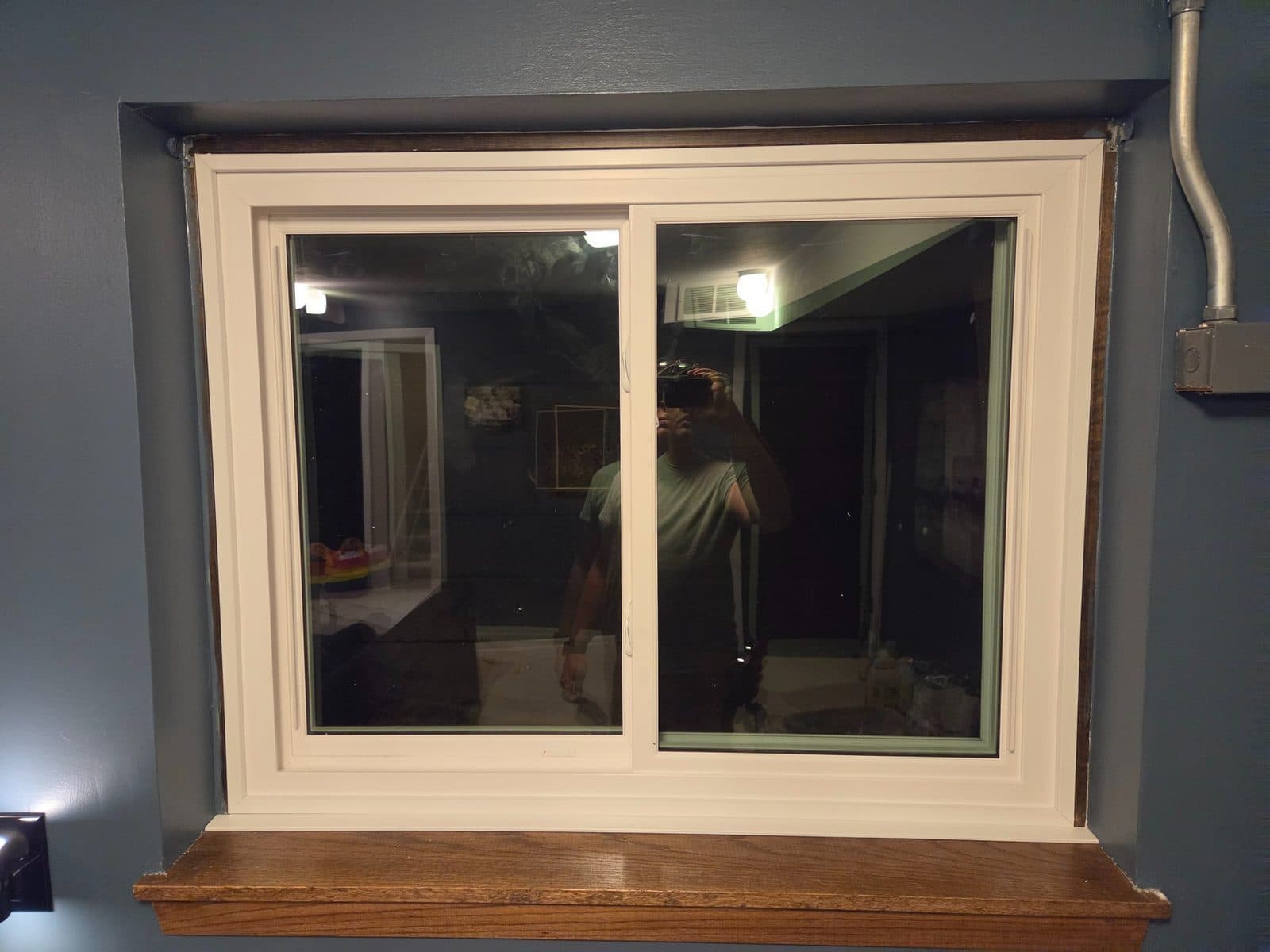
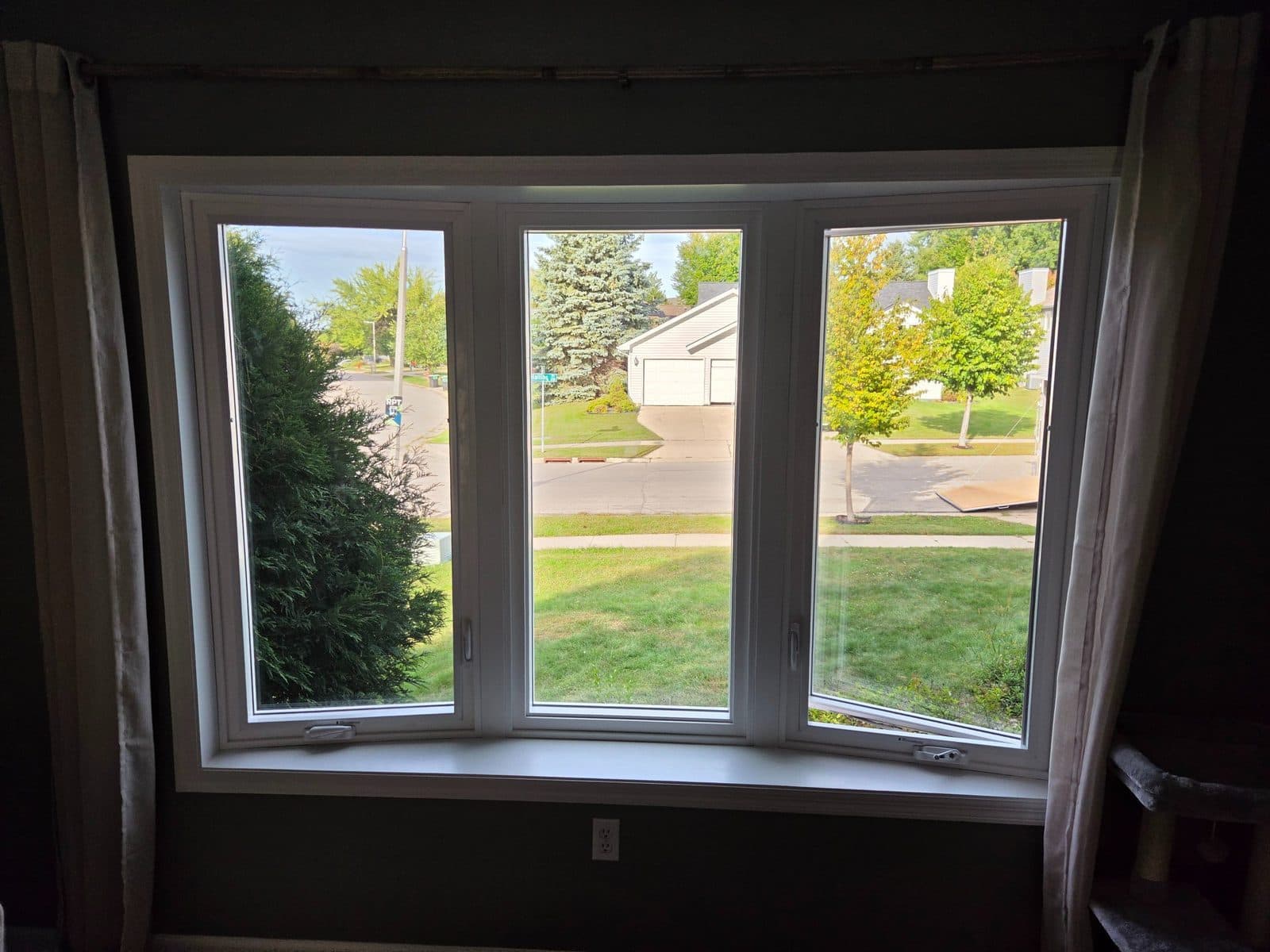
With an insert, also called a pocket window, the old sashes, parting stops and hardware come out but the original frame stays in the wall. The new unit slides into the existing opening, gets shimmed, foamed at the joint between the new frame and the old, sealed and trimmed. The old exterior sill is usually capped with sloped aluminum coil stock. It is faster, less invasive, keeps the interior and exterior trim, and costs less per opening.
The trade-offs: you lose a little glass because a new frame sits inside the old one, and the method depends on the old frame being square, solid and dry. An insert over hidden rot seals the problem inside your wall.
How does full-frame replacement work?
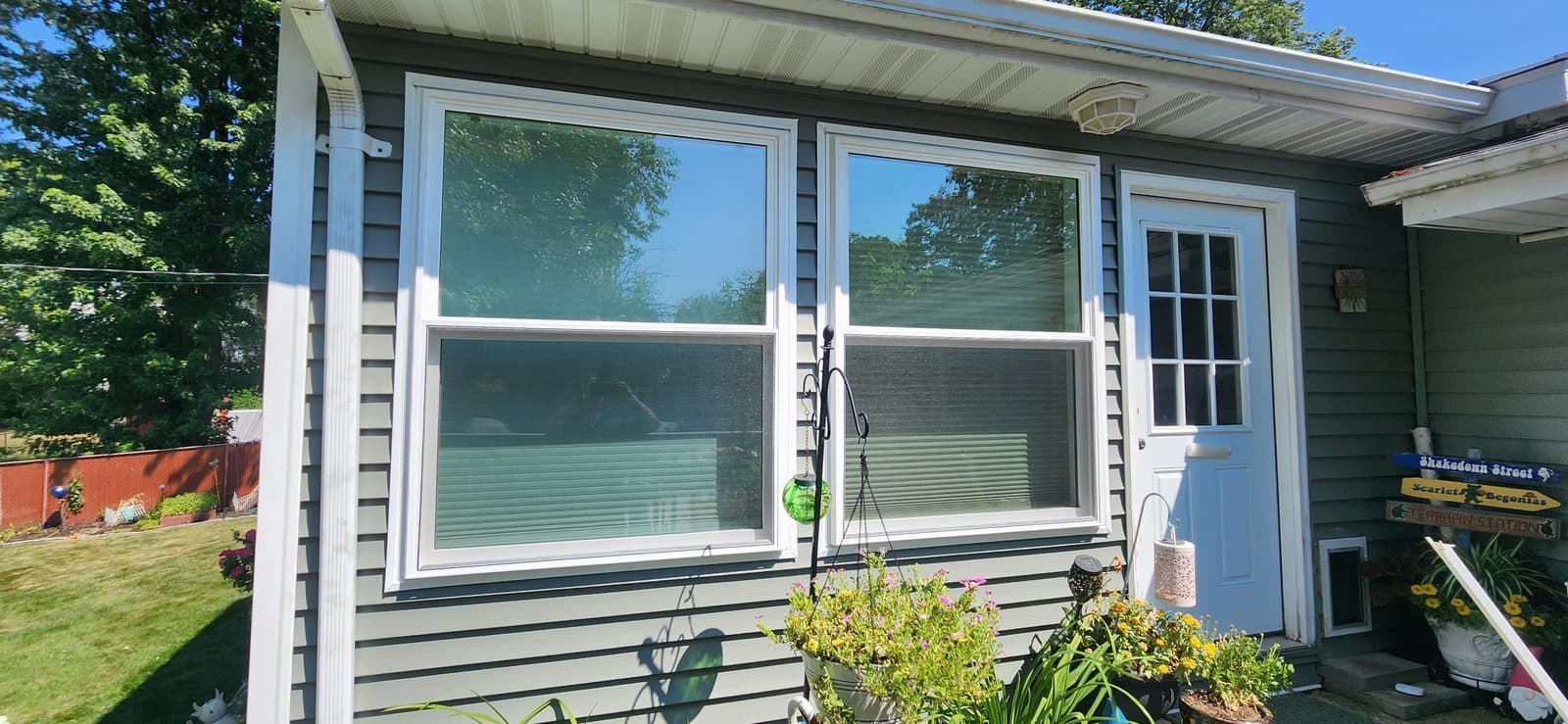
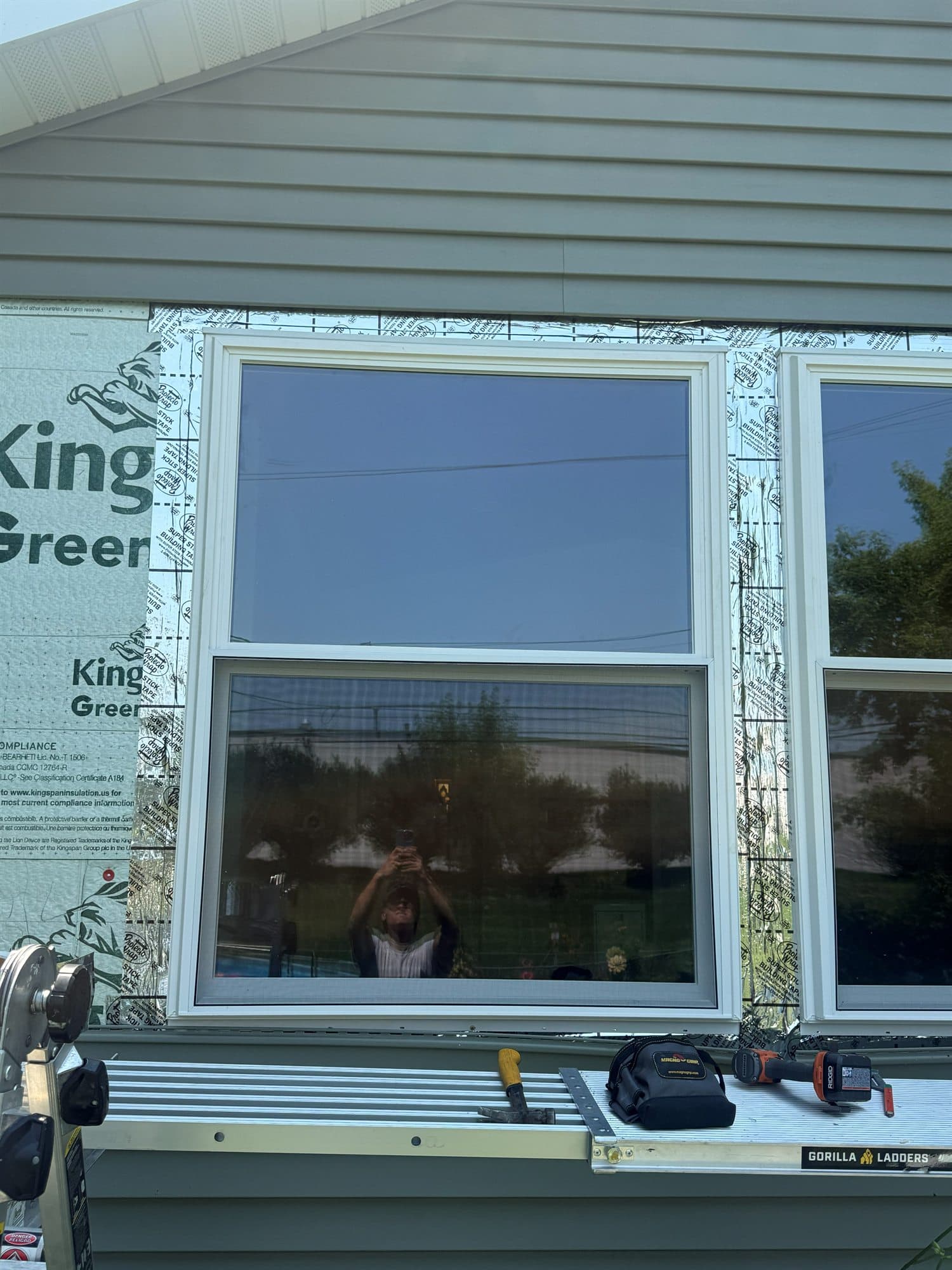
Full-frame removes the whole window: frame, sill, interior and exterior trim, down to the rough opening. The crew checks the framing, sets a sill pan with a back dam, tapes the jambs and head with flashing sequenced so each layer laps the one below, sets the new nailing-fin window level and plumb, fills the gap around it with low-expansion foam, and trims inside and out with new jamb extensions and casing. It is the same standard as new construction.
You get full glass area, a fresh weatherproofing job around the opening, and the chance to fix rot, air leaks and insulation gaps an insert leaves alone. It costs more, typically 30–60% more per opening in published comparisons, because the carpentry scope is bigger.
Which method insulates better?
The window itself insulates the same either way. The same glass package, low-E coating on surface 2, argon fill, warm-edge spacer and frame material give the same NFRC U-factor whether the unit is an insert or a nailing-fin version. If you want ENERGY STAR Version 7.0 Northern performance (U-0.22 or lower), you order triple-pane or a room-side low-E coating in either style. What differs is everything around the window.
In a house built before the 1990s the gap between the original window frame and the framing was often left empty or stuffed loosely with fiberglass. That gap is a straight air path from the wall cavity to the room, and it is why frost shows up at the casing in January. An insert never touches it: the new unit seals to the old frame, and the old frame still leaks to the wall behind the trim. Full-frame exposes that gap and fills it with low-expansion foam, with backer rod and sealant on the interior where it is wide, so the air barrier runs continuously from drywall to window frame.
There is a middle option. If the frames are sound but the casing gap is the problem, the interior casing can be pulled after an insert install, the old gap foamed, and the casing reset. It is not full-frame, but it fixes the leak that an insert alone would leave.
| Insert | Full-frame | |
|---|---|---|
| Old frame and sill | Stay | Removed |
| Interior trim | Kept | Replaced with new jamb extensions and casing |
| Sill pan and new flashing | No | Yes |
| Gap between old frame and wall | Untouched unless casing is pulled | Foamed and sealed |
| Glass area | Slightly smaller | Same as original |
| Rot repair | Not possible | Part of the job |
| Window U-factor and glass package | Same options | Same options |
| Cost per opening (published) | Base | Roughly 30–60% more |
When does an insert make sense?
An insert is the right, cost-effective choice when:
- The existing frame is square, solid, and free of rot or water damage.
- You want to keep original interior woodwork, common in older Minneapolis and St. Paul homes.
- Budget is the main constraint and the frames genuinely do not need work.
- The original windows were quality wood units and the frames have aged well.
- The casing gap is either already insulated or you are willing to have the casing pulled and the gap foamed as part of the job.
When is full-frame the right call?
Full-frame is the answer when we find:
- Soft, rotted or water-stained frames and sills. Sealing rot into the wall is never acceptable.
- An out-of-square opening that would leave an insert poorly sealed.
- Aluminum or builder-grade frames with poor thermal performance that you would otherwise keep.
- A change in window size or style, which opens the wall anyway.
- Signs of past leaks around the opening that call for new flashing.
- Cold air or frost at the casing every winter, which means the original frame gap was never sealed.
Why decide window by window instead of for the whole house?
The insert-or-full-frame call should be made window by window after looking at the frames, not set by what a company prefers to sell. One house often gets inserts on the sound side and full-frame on the weather side. Photos of each frame, inside and out, are enough to make the first call; a probe of the sill on site confirms it.
What JMB Builders does
JMB Builders is a licensed Minnesota residential building contractor (BC809005) based in Zimmerman, working across the Twin Cities metro. We quote both methods where both fit and say what we found at each window, and we install any brand without being a dealer for it. Call 763-204-2099 (text) or send photos through the site.
- Labor-only installation of insert or nailing-fin windows you bought — jmbbuildersmn.com/services/labor-only
- Insert and full-frame replacement windows, measured and ordered by us — jmbbuildersmn.com/services/full-service
- Drywall returns and jamb extensions for full-frame openings — jmbbuildersmn.com/services/window-trim/jamb-extensions-for-windows
- Siding replaced along with full-frame windows — jmbbuildersmn.com/services/siding/siding-replacement-with-new-windows
- Send three photos and we reply within one business day.
Frequently asked questions
What is the difference between insert and full-frame window replacement?
An insert is a new window set inside your existing frame; the old frame, sill and trim stay. Full-frame removes everything down to the rough opening, pans and re-flashes it, foams the gap and installs a new window with new trim inside and out. Inserts cost less and keep the trim. Full-frame fixes rot and air leaks and keeps the full glass area.
Can you tell from photos whether I need full-frame?
Usually. Photos of the exterior sill, the bottom corners of the frame, and the interior stool show stains, peeling and gaps that point to rot or leaks. A soft sill under a screwdriver on site confirms it. If the photos are borderline we say so and check in person before you order.
Is an insert window less energy efficient than a full-frame window?
The window itself rates the same; the NFRC U-factor is about the glass and frame, not the install method. The difference is the wall around it. Full-frame lets the crew foam and seal the gap between the window and the framing. An insert leaves the original gap behind the casing as it was, which in an older house often means uninsulated. Pulling the casing and foaming that gap closes most of the difference.
Do I lose glass area with an insert window?
Yes, some. The new frame sits inside the old frame, so the glass is a bit smaller in each direction. On a large window it is hardly noticed. On a small window or one that has to meet egress in a bedroom, it can matter, so check the clear opening before ordering.
Does full-frame replacement change the interior trim?
Yes. The old casing, stool and apron come off with the frame, and the opening gets new jamb extensions and casing after the window is in. That is a chance to match the rest of the house or to switch to drywall returns. Ask whether the trim-out is included in the window quote; it is often a separate line.
Is a pocket window the same as an insert?
Yes. Pocket window, insert and replacement window all mean a unit that sets into the existing frame. A new-construction or nailing-fin window is the full-frame kind, fastened to the sheathing through a fin, taped to the housewrap and flashed to the wall.