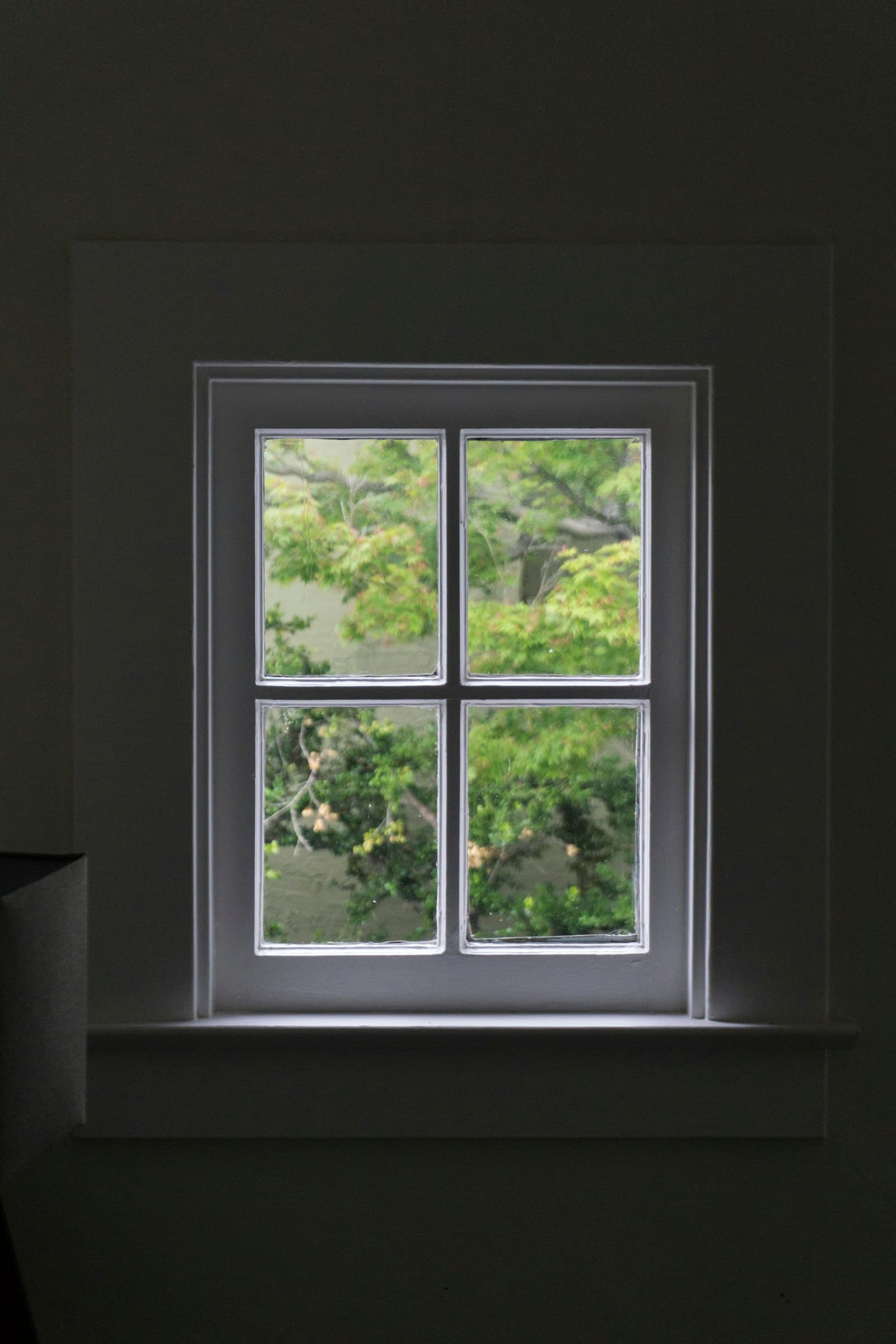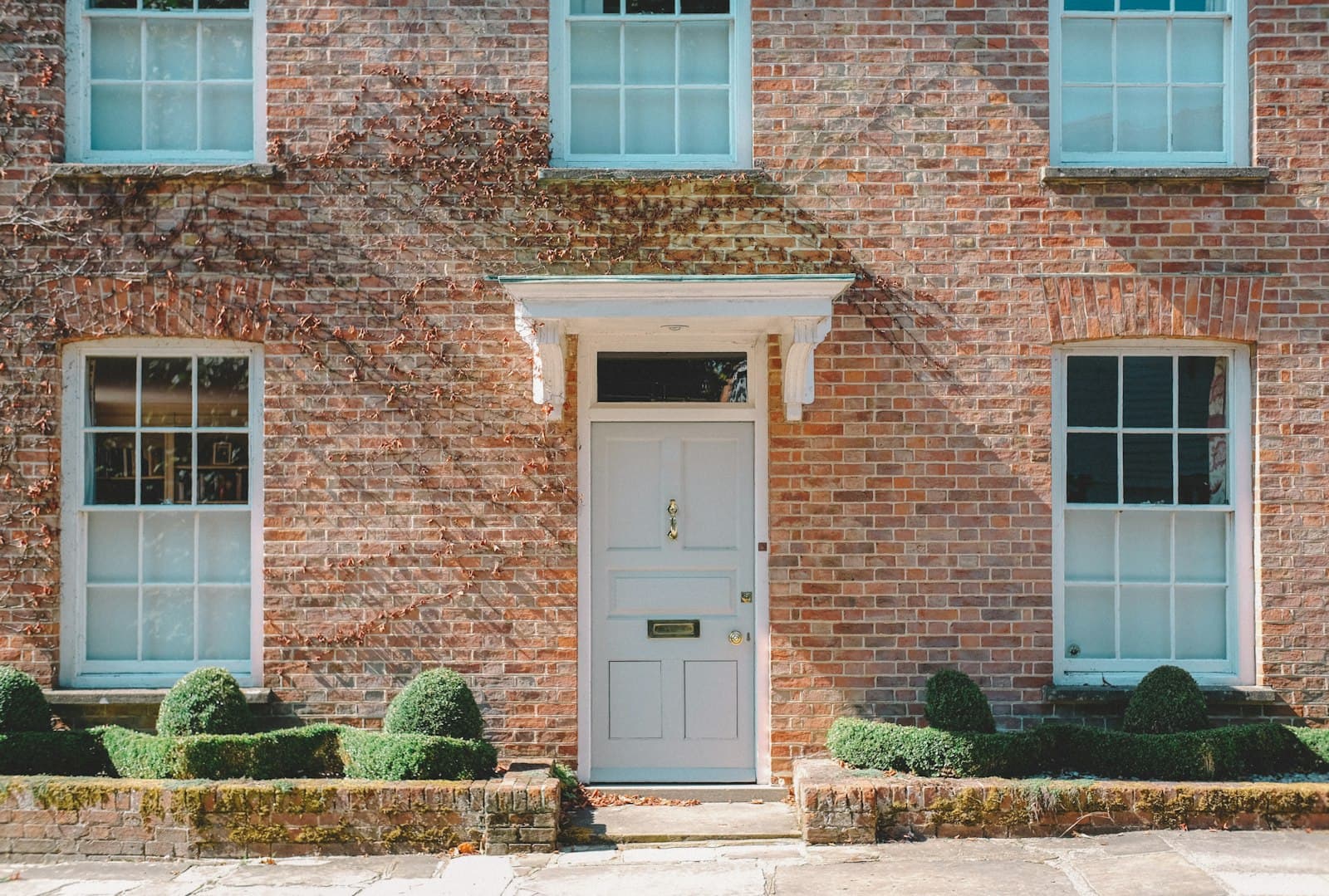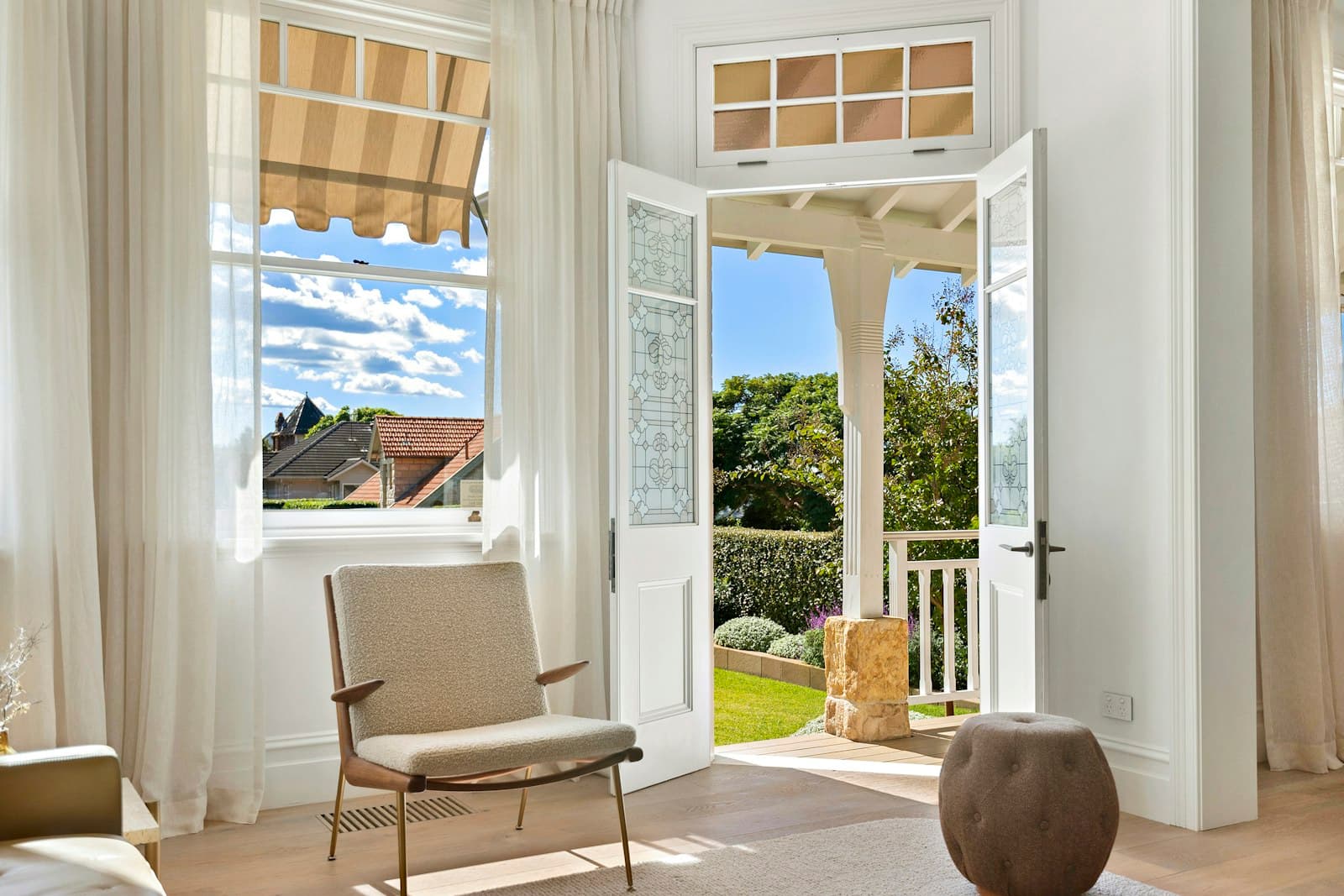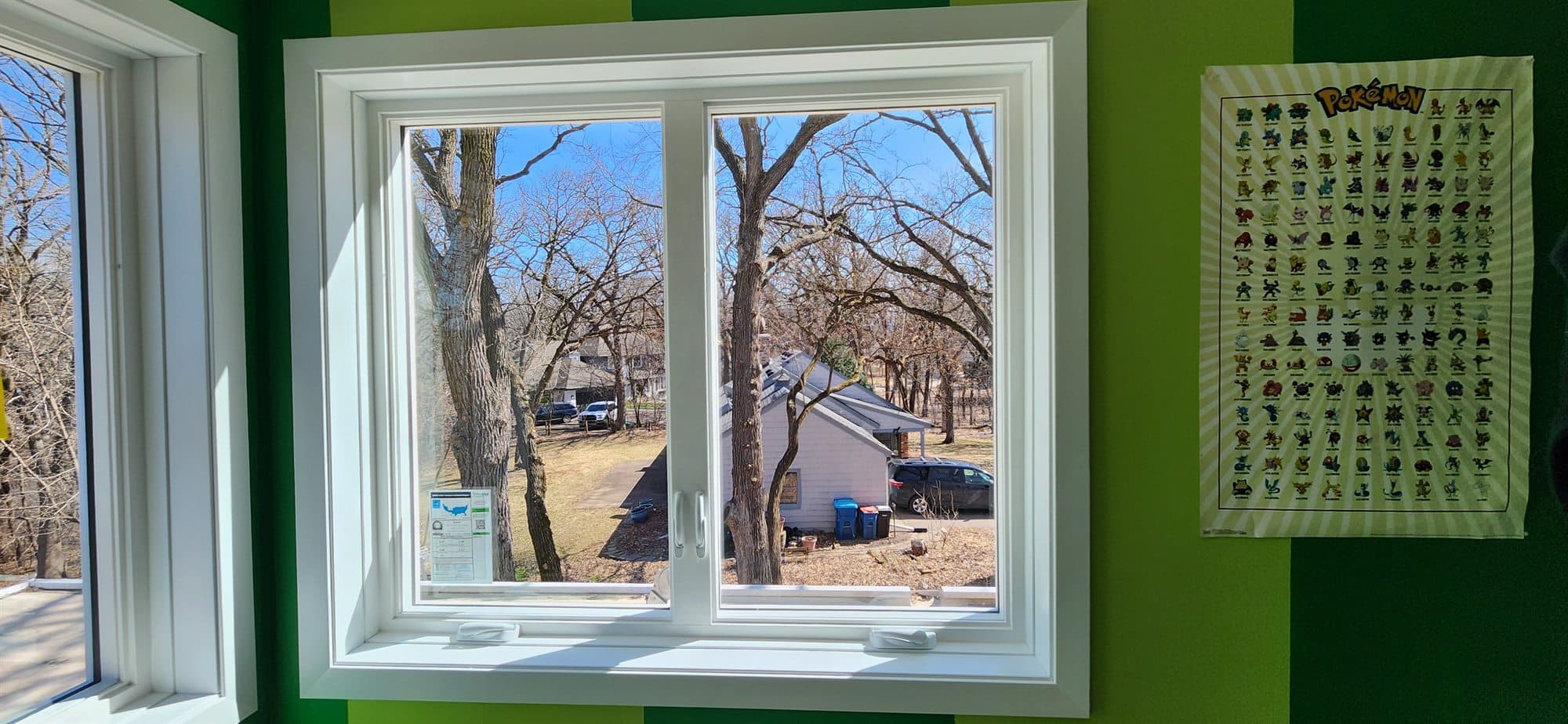
Walk through a newer subdivision in Blaine, Otsego, Lakeville, or Woodbury and you'll notice the same thing at nearly every window: no trim. The drywall just turns the corner and dies at the window frame. Builders call it a drywall return, and there's a reason it's everywhere.
The good news is that adding real wood jambs and casing later is a routine finish carpentry job. This post explains why builders skip trim, what the upgrade involves, the two casing styles to choose between, and how the job gets priced per window.
Why builders use drywall returns
A drywall return needs corner bead, mud, and paint — all trades already on site. Wood jambs and casing need a finish carpenter, more material, and a painter to come back. On a 30-window house, that's real money and days on the schedule, so production builders default to drywall unless the buyer upgrades.
The downside shows up over the first few winters. Drywall corners at windows get bumped by blinds and cleaning, hairline cracks open at the miters as the house dries out, and condensation on cold Minnesota mornings can stain the sill area. Wood trim is more durable, easier to repaint, and makes the window look finished.
How trim gets added after the fact
The work has three parts. First, the drywall return is cut back to expose the window frame and the rough opening, usually to the thickness of the jamb extension. Second, jamb extensions — 3/4" wood or MDF boards ripped to the exact depth from the window frame to the drywall face — are installed and shimmed so they land flush with the wall. Third, casing is nailed around the outside, with a stool and apron if that style is chosen.
The depth of the jamb extension varies from window to window, even in the same room, because drywall isn't perfectly flat and windows aren't always set to the same depth. Measuring and ripping each one is where the skill and the time go.
Stool-and-apron vs. picture-frame casing
Stool-and-apron is the traditional Minnesota look: a horizontal stool (what most people call the sill) that projects past the casing with an apron underneath, and casing up the sides and across the top. It gives you a small shelf, matches older homes, and handles condensation better because water lands on a horizontal wood surface rather than a drywall edge.
Picture-frame casing runs the same casing profile on all four sides, mitered at the corners. It's cleaner, more modern, and a bit faster to install. It works well with sleek black or dark bronze windows and in rooms where you don't want a ledge.
- Stool-and-apron: traditional, a ledge for plants, best for older homes and stained trim.
- Picture-frame: clean and modern, matches many newer builds, slightly less labor.
- Either style can be paint-grade MDF or stain-grade wood.
White paint-grade vs. stained wood
For most newer Twin Cities homes, white paint-grade MDF or primed pine casing is the right call. It matches the existing base and door casing, it's affordable, and the joints get caulked so the finish is seamless. Stain-grade oak, maple, or fir makes sense when the rest of the house has stained trim, or on a feature window where you want the wood to show. Stain-grade jambs and casing cost more in material and take more care to install, and the finishing has to happen before or after with real attention.
Per-window pricing and where to start
Window trim is almost always priced per opening. A typical single window with paint-grade jamb extensions and casing lands in the low hundreds of dollars for labor, with stool-and-apron, larger windows, mulled units, and stain-grade work moving the number up. Because it's per window, it's easy to trim the living room and kitchen this year and the bedrooms next, and the look stays consistent if you use the same profile.
JMB Builders adds jamb extensions and casing to drywall-return windows across the Twin Cities metro — paint-grade or stain-grade, one room or the whole house. Licensed Minnesota contractor BC809005, free written estimates: 763-204-2099.
Frequently asked questions
Can I add trim to drywall-return windows without damaging the walls?
Yes. The drywall return is cut back cleanly and the new jamb and casing cover the cut edge. Minor touch-up paint at the casing edge is normal.
Should I match the trim to my existing door casing?
Usually, yes. Using the same profile as your door casing and base ties the room together. Bring a photo or short sample and we'll match it.
Does this help with window condensation?
It doesn't change the window's performance, but a wood stool and painted jamb hold up far better than a drywall edge when condensation does show up on cold mornings.