
Roof Replacement With Attic Insulation Top-Up — Baffles and Blow-In
Your roof needs replacing and the attic has thin insulation, blocked soffits and ice at the eaves every winter; you want all of it fixed by one contractor in one job instead of two visits that get in each other's way.
Roof replacement with an attic insulation top-up is the one-visit fix for ice dams: with the deck open, JMB Builders sets baffles at every rafter bay from above, opens the soffit intake, cuts in the ridge vent, and then blows insulation over the attic floor after the roof is on. The roof keeps the water out; the insulation and ventilation stop the dam from forming. Across the Twin Cities metro, priced per project with the insulation as its own line.
- Baffles set from above while the deck is open
- Soffit intake and ridge vent balanced with the roof
- Blow-in after the roof is on, as its own line
- Send photos, reply within one business day
- Licensed MN contractor BC809005
Send photos and hear back within one business day — or book a free in-home estimate.
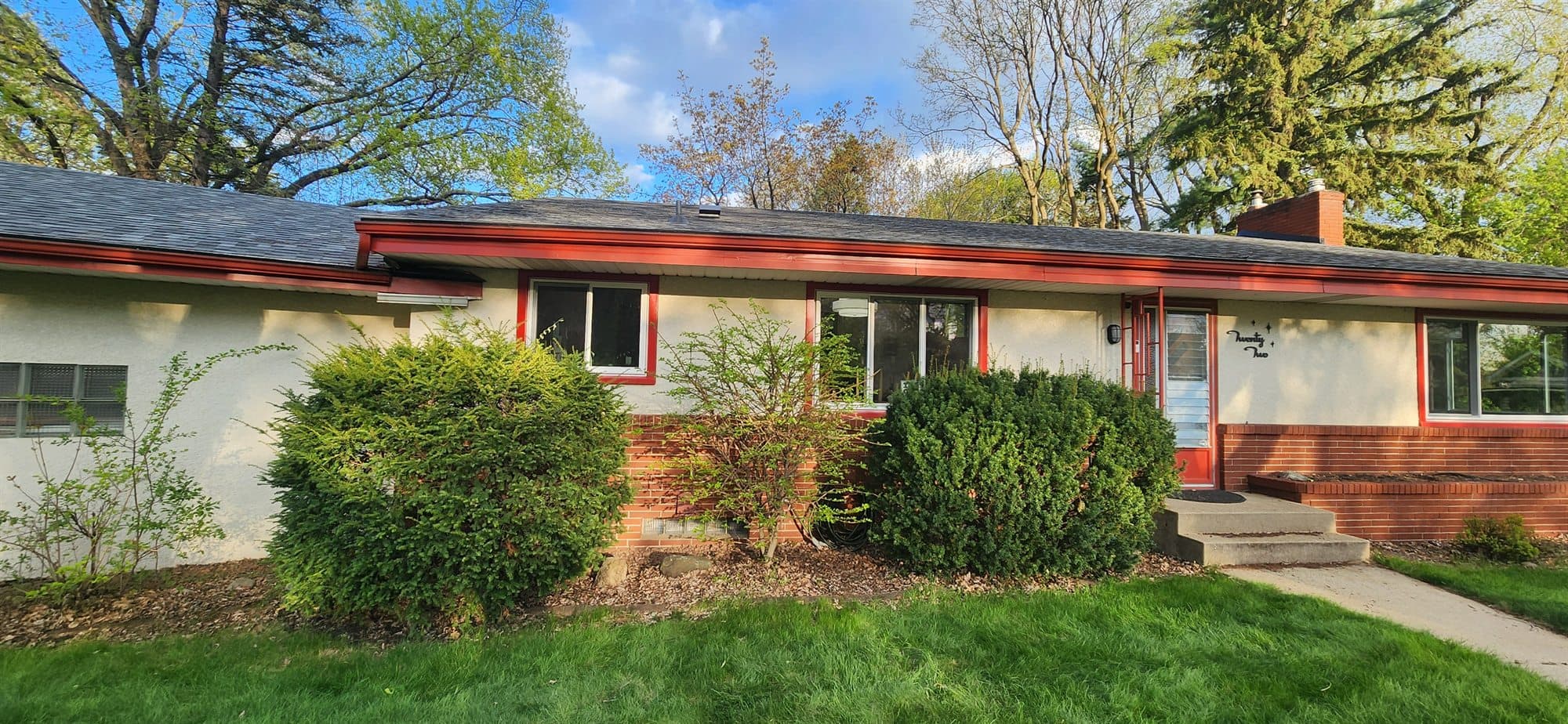
Ice dams are an attic problem that shows up on the roof. Warm air leaks from the house into the attic, the snow on the deck melts from underneath, the water runs down to the cold overhang and freezes. A new roof with ice and water shield at the eaves stops the leak that follows. It does not stop the dam. That takes air sealing at the attic floor, enough insulation on top of it, and air moving from the soffit to the ridge so the deck stays cold.
The problem with doing the insulation separately is the baffles. A baffle is the chute at the eave end of each rafter bay that keeps the insulation from blocking the soffit vent and gives air a path up to the ridge. From inside a low attic they are set lying on your stomach at the eave with insulation in your face, and in a rambler attic many bays cannot be reached at all. From above, with the deck open at the eave, every bay is in front of you. So the order is: tear-off, baffles into every bay from the roof side, soffit vents opened where they are blocked or painted shut, ridge slot cut, roof on. Then the insulation.
The blow-in comes after the roof because the attic needs to be dry and closed, and because the baffles need to be in first so the new insulation has somewhere to stop. Attic air sealing, which is the first half of the insulation job on its own page, is done from inside before the blow-in. The whole thing is one scope with the insulation as its own line, so you see what the roof costs and what the attic adds.
What you supply
- Photos of the roof from the yard and of the attic: the insulation depth, the eaves, and any frost or stains on the sheathing
- A note about which rooms are cold, which eaves ice up and whether bath fans vent into the attic
- The attic access cleared and anything stored on the attic floor moved out
- Your shingle choice from samples at the free in-home estimate
What JMB supplies
- The full roof replacement: tear-off, decking, ice and water shield, synthetic underlayment, flashing, shingles
- Baffles set at every rafter bay from above while the deck is open at the eave
- Soffit vents opened or added where they are blocked, painted shut or missing; ridge vent cut in and sized to the intake
- Bath fans found venting into the attic rerouted through the roof with new caps
- Attic air sealing at top plates, chases and the hatch, then blown-in insulation to the depth the Minnesota code calls for
- The city's permit and inspection, photos of the baffles, the sealed attic and the finished depth in your job folder
How it is priced: per project
Quoted in writing from your photos, with a reply within one business day. What moves the number:
- Attic floor area and the depth being added, which set the insulation line
- Number of rafter bays getting baffles and how many soffit vents need opening or adding
- Air sealing scope: how many chases, can lights and top plates, and whether the hatch gets an insulated cover
- Bath fans or dryer vents rerouted through the roof
- Cellulose vs. fiberglass blow-in
- The roof itself: squares, pitch, layers, decking, access
An attic photo showing the insulation depth against a joist and one of the eave tells us most of what the insulation line will be. The roof is measured at the estimate.
How long it takes
Baffles and venting add a few hours to the roof days. Air sealing and blow-in are a separate day after the roof is on, usually within the same week.
How your project works
- 1
Send photos, get a written quote
Send three photos of the space and a sentence about what you want. You get a clear, itemized reply within one business day. Prefer a look in person? A free in-home estimate is always an option.
- 2
Pick materials, or bring your own
We help you choose profiles and materials that fit the house and the budget, or match your existing millwork exactly — or you buy the door or trim yourself and we install it. Everything is confirmed before the crew is scheduled.
- 3
Clean, precise installation
The crew shows up on time, protects floors and furniture, and installs with tight joints and consistent reveals. Photos of the finished work go in your job folder.
- 4
Walkthrough and invoice
We walk the finished work with you. If anything is not right, we fix it before we call the job done. Then one invoice, paid by check or direct deposit — no card fees, no payment links.
Situations and options
Roof plus baffles and venting only
The ventilation half without the insulation: baffles in every bay from above, soffit intake opened, ridge vent sized to it. Right when the insulation depth is already good but the air path is blocked.
Roof, venting and blow-in top-up
The full package. Baffles and venting during the roof, then air sealing and blown insulation to the code depth over what is there. The usual answer to ice dams on a rambler or two-story with an open attic.
Roof with insulation removal and replacement
When the old insulation is wet, moldy or full of rodent droppings, it comes out before the new goes in. Removal is its own line and is covered on the insulation pages.
Story-and-a-half or cathedral section
Where there is no open attic, the insulation goes in from the roof side during the reroof: baffles into the sloped bays or rigid foam over the deck. Covered on the knee wall and cathedral ceiling pages.
Roof Replacement With Attic Insulation Top-Up — Baffles and Blow-In: questions, answered
Should I add attic insulation before or after a new roof?
After, in the same job. The baffles that keep insulation off the soffit vents are far easier to set from above while the deck is open at the eave, and they need to be in before the new insulation goes in. So the order is: roof off, baffles and vents, roof on, then air sealing and blow-in from inside. Doing the insulation first means pulling it back from every eave later or burying the vents.
Will a new roof stop my ice dams?
A new roof stops the leak from an ice dam, because ice and water shield at the eaves keeps backed-up water out of the house. It does not stop the dam, which forms because warm air from the house melts the snow from underneath. Stopping the dam takes air sealing at the attic floor, enough insulation and a clear path from soffit to ridge. The roof is the right time to do the venting half, and the blow-in follows.
Why install attic baffles from the roof instead of from inside?
Because from inside a low attic the eave is the hardest place to reach; on a rambler many bays cannot be reached at all without crushing the insulation. From above, with the first sheets of deck off at the eave, every rafter bay is open in front of you and a baffle goes in each one in a minute, stapled where it belongs. It is the only time the whole eave is accessible.
Can you add soffit vents during a roof replacement?
Yes. With the roof open we can see which bays have no vent below them and which soffit vents are painted shut or stuffed with insulation. Blocked ones are cleared, missing ones are cut in from below, and the baffle above each one keeps the new insulation from blocking it again. The ridge vent is sized to the intake so the system is balanced rather than pulling from the house.
How much insulation should be in my attic in Minnesota?
The Minnesota code sets a depth for attics, and most houses built before the 1990s have well under it. We measure what is there against a joist, add the air sealing first because insulation does not stop air, then blow cellulose or fiberglass over the old insulation to the code depth, with depth markers left in the attic so you can see it. The number of inches goes on your scope, not on this page.
Does the bath fan venting into the attic get fixed with the roof?
It should, and it is easy when the roof is open: a fan that dumps into the attic puts a shower's worth of moisture onto the underside of the deck every morning, which is where frost on the nails and black stains on the sheathing come from. We run the duct to a new roof cap set into the new shingles, insulate the duct, and seal around the fan housing from the attic side. It is its own line on the scope.
Recent JMB work, from our job log
59 installs recorded across 30 Twin Cities communities since Dec 2025. Window and door installs for homeowners, builders and dealers. Counts come straight from our job log; no customer names.
Get a written quote for this job
Three photos and a sentence is enough: a reply within one business day, or ask for a free in-home estimate. Or text the photos to 763-333-4066.
Related jobs we do
Roof Replacement Contractor — Full Roof Replacement, Start to Finish
Your roof is at the end of its life and you want one contractor for the whole job: inspection, materials, tear-off, deck, flashing, permit and cleanup, with the number written down before the first shingle comes off.
Read moreAttic Insulation Blown In — Air Sealed First, Then Filled
Ice dams, a furnace that never shuts off, a bedroom that is cold at the ceiling: the attic is the first place to look and the best payback in the house when the air sealing is done before the fluff.
Read moreIce Dam Prevention Checklist — Stop Ice Dams Before Winter
You had ice dams last winter and do not want them again. Here is what causes them, what to check in the attic and at the eave, and what we fix before the snow flies.
Read moreFrost in Attic on Nails and Ice on the Sheathing — Find and Fix It
You went up for the Christmas boxes and the nail tips were white with frost, or there was ice on the plywood and a wet spot on the bedroom ceiling in March. The attic is telling you where the house leaks.
Read moreRidge Vent Installation — Cut In on an Existing Roof, Box Vents Closed
An attic that bakes in July and frosts in January usually has no exhaust at the top and no intake at the bottom. A ridge vent cut in now, with the soffits opened, fixes both without waiting for a new roof.
Read moreKnee Wall Insulation — Story-and-a-Half and Cape Cod Side Attics
The upstairs bedrooms in a story-and-a-half are hot in July and cold in January because the short walls and the slopes were never insulated right; we fix the wall, the floor under it and the slope together.
Read morePage reviewed October 2, 2026 · JMB Builders LLC, MN license BC809005 · All roofing pages
Where we work
Roofing near you
Based in Zimmerman, scheduling across the Twin Cities metro. Closest first: