
Ice Dam Prevention Checklist — Stop Ice Dams Before Winter
You had ice dams last winter and do not want them again. Here is what causes them, what to check in the attic and at the eave, and what we fix before the snow flies.
Ice dam prevention starts in the attic, not on the roof. Our ice dam prevention checklist: seal the air leaks in the attic floor, bring the insulation up to the code range, open every soffit bay with a baffle, check the ridge vents, box the attic hatch, and clear the gutters before the first snow. JMB Builders does the whole list across the Twin Cities metro, priced per project, quoted from attic and eave photos within one business day.
- Priced per project: air sealing and insulation together
- Best done September through November, before snow
- Quote from attic and eave photos in 1 business day
- Licensed MN contractor BC809005
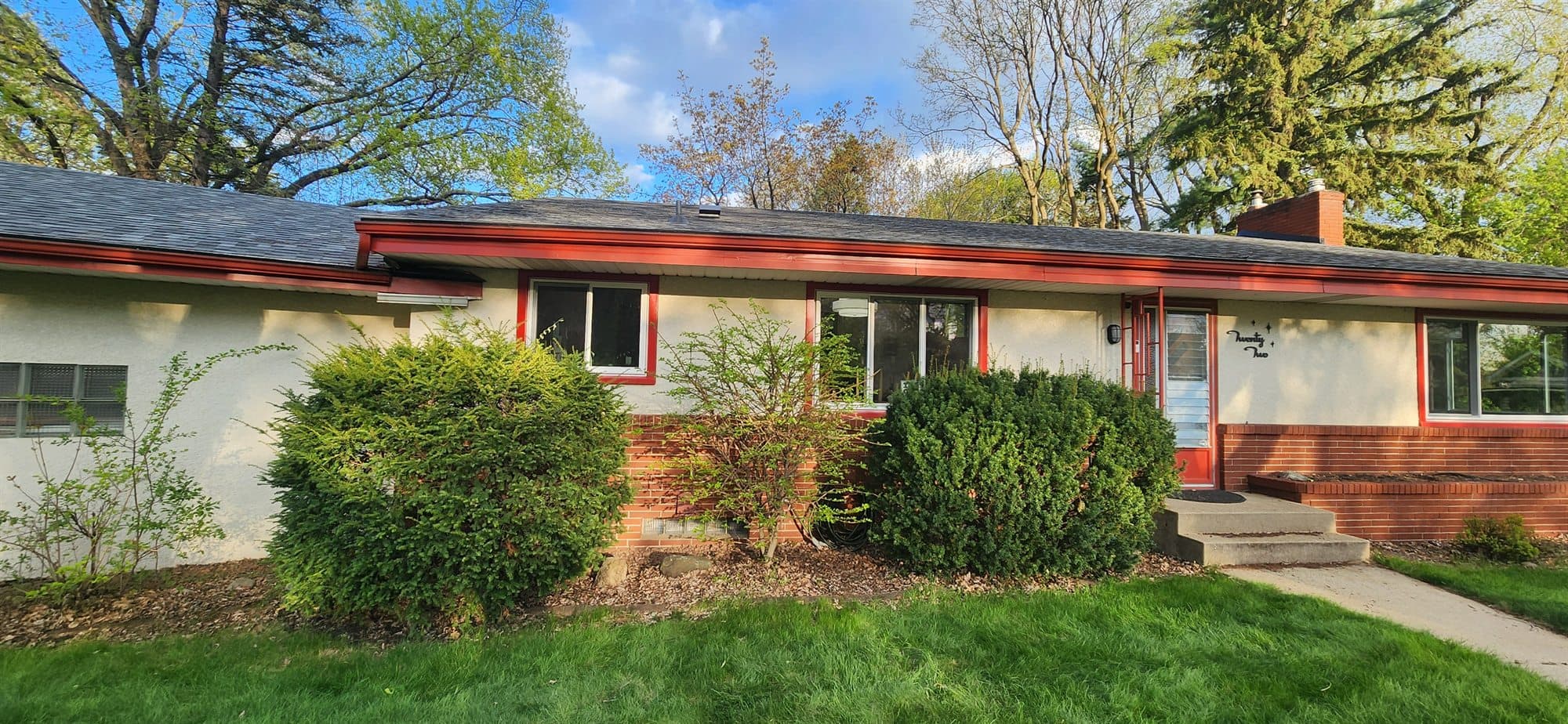
An ice dam is a ridge of ice at the roof edge. Heat leaking out of the house warms the roof deck, snow melts from underneath, the water runs down to the cold overhang and freezes. The next melt backs up behind that ridge and works under the shingles. The icicles are the symptom. The cause is heat getting into the attic, and that is where prevention happens.
Most of that heat does not conduct through the insulation. It rides warm air up through holes in the attic floor: the top plates of interior walls, wire and pipe penetrations, the chimney chase, bath fans dumping into the attic, can lights, and an uninsulated hatch. Seal those, then add insulation, then make sure the soffit and ridge vents can move cold air across the underside of the deck. Do it in that order. Insulation over a leak just hides the leak.
JMB Builders runs this checklist across the Twin Cities metro every fall. Send photos of the attic and of where the ice formed last winter, and we quote the whole list as one project. Ice and water shield under the shingles is a backup, not prevention; if the roof edge already leaked, see the ice dam roof repair page and we do both.
What you supply
- Photos of last winter's ice dams or icicles if you have them, and where the ceiling stained
- Attic photos: the insulation depth, the hatch, the underside of the roof near the eave, and any bath fan duct
- Where the can lights, bath fans and the chimney are on the top floor
- A clear path to the attic hatch on the day
- Roof access from the ground for the gutter check; we bring the ladder
What JMB supplies
- An attic inspection with photos of every leak path we find, before any work starts
- Air sealing: foam and caulk at top plates, penetrations and the chimney chase, covers over can lights, sealed hatch
- Bath fan and dryer ducts rerouted to a roof or wall cap so they stop steaming the attic
- Baffles at every soffit bay so the insulation cannot block the intake vents
- Blown cellulose or fiberglass to the code range for a Minnesota attic, with depth markers
- An insulated, weatherstripped box over the hatch or pull-down stairs
- A check of ridge, roof and gable vents, replaced or added where the attic cannot breathe
- Gutters and downspouts cleared so meltwater has somewhere to go
- A written list of what was found and what was fixed, with photos in your job folder
How it is priced: per project
Quoted in writing from your photos within one business day. What moves the number:
- Attic square footage and how much insulation is already there
- How many leak paths there are: a house with twenty can lights takes longer than one with two
- Bath fans or a dryer venting into the attic that need ducting out through the roof or a gable
- Soffit bays that are packed solid and need the insulation pulled back before baffles go in
- Whether vents exist at all: some older roofs have no ridge vent and painted-shut soffits
- A pull-down stair that needs a built box instead of a simple hatch cover
- Gutter condition: clearing is quick; gutters pulling off the fascia are a separate line
Send a photo straight down at the insulation next to a tape measure, one of the hatch, and one of the eave from outside. That is enough for a firm number on most houses.
How long it takes
Attic air sealing, baffles and blow-in on a typical house: one to two days. The hatch box and the gutter check happen in the same visit. Book in the fall; the calendar fills fast once the first storm hits.
How your project works
- 1
Send photos
Last winter's ice, any ceiling stains, and the attic: insulation depth next to a tape, the hatch, the eave line from inside, and every duct you can see.
- 2
Attic inspection
On the first morning we go through the attic with a light and a camera and mark every leak path, blocked soffit and open duct. You get the photos before we seal anything.
- 3
Seal, vent, insulate
Air sealing first, baffles second, ducts rerouted, then the blow-in and the hatch box. The order matters and it all happens in one or two days.
- 4
Eave and gutters
Gutters and downspouts cleared, vents checked from the roof, and a photo set of the finished attic in your job folder so you know what is up there.
Situations and options
1. Seal the attic floor
Every hole between the heated house and the attic gets closed: top plates of interior walls, wire and plumbing penetrations, the chimney chase, the plumbing vent stack, the open tops of interior wall cavities, and can lights covered with an airtight box. This step does more for ice dams than any amount of insulation.
2. Insulate to the code range
After sealing, insulation gets blown to the depth the code calls for in a Minnesota attic. Old batts stay if they are dry; we blow over them. Depth markers go in so anyone can see the level from the hatch. Knee walls and sloped ceilings on story-and-a-half houses get their own treatment.
3. Open the soffit vents
Cold air has to enter at the soffit and leave at the ridge to keep the deck cold. A baffle in every rafter bay holds the insulation back and keeps the channel open. Soffit panels get checked from outside; painted-over or solid soffit gets vented or replaced.
4. Get the moisture out
Bath fans and dryers that vent into the attic dump warm wet air right onto the roof deck. Each one gets a rigid or insulated duct out through a roof cap or gable. Frost on the nails in winter is the sign this is happening.
5. Box the hatch
The attic hatch is usually a bare piece of drywall over the warmest room in the house. It gets a foam-board box with weatherstrip on the lip, or a built cover over pull-down stairs, so it seals when it is closed.
6. Gutters and the roof edge
Full gutters freeze into a solid bar and start the dam early. We clear them, check that downspouts run, and look at the first courses of shingle and the drip edge. If last year's dam already lifted shingles, that repair is quoted alongside.
Heat cables: last resort
Roof heat cables melt channels through a dam that has already formed. They do nothing about the cause, run up the electric bill, and need a licensed electrician for the circuit. We install them only over a problem eave that cannot be fixed from the attic, such as a vaulted ceiling with no access.
Ice Dam Prevention Checklist — Stop Ice Dams Before Winter: questions, answered
What causes ice dams on a Minnesota roof?
Heat escaping into the attic warms the roof deck and melts the snow from underneath. The meltwater runs down to the overhang, which is cold because there is no house under it, and freezes into a ridge. The next melt pools behind the ridge and backs up under the shingles. The heat gets there mostly by warm air leaking through the attic floor, not by conduction through the insulation, which is why air sealing comes first.
How do I prevent ice dams in Minnesota?
Work from the inside out. Seal every air leak in the attic floor, then bring the insulation up to the code range, then make sure soffit and ridge vents can move cold outdoor air under the roof deck. Get bath fans and dryer vents out of the attic, insulate the hatch, and clear the gutters before snow. Ice and water shield under the shingles is a backup for the water that still gets there; it does not stop the dam from forming.
Does adding attic insulation stop ice dams?
On its own, usually not. Insulation slows heat conducting through the ceiling, but warm air moving through holes carries far more heat, and blown insulation does not stop moving air. Seal the top plates, penetrations, chimney chase and can lights first, then add insulation. Houses that had insulation added without sealing often still have ice dams and a wet attic on top of it.
Do heat cables prevent ice dams?
No. Heat cables melt channels through a dam so water can drain, which limits the damage, but the dam still forms and the cable runs all winter. They belong on an eave that cannot be fixed from inside, such as a vaulted ceiling with no attic. The circuit and the outdoor outlet are electrical work, so a licensed electrician handles that part when we install them.
Should I rake the snow off my roof to prevent ice dams?
Raking the first few feet above the gutter after a heavy snow takes away the fuel for the dam and is worth doing from the ground with a roof rake. It is a stopgap, not a fix, and it is easy to tear shingles or pull off a gutter. Never climb onto a snowy roof. If you are raking every storm, the attic is the problem and this checklist is the cure.
When is the best time to do ice dam prevention work?
September through November, before snow and before the attic gets too cold to work in comfortably. The attic is dry, the roof is safe to walk for the vent check, and the fix is in place for the first storm. It can be done in winter from inside, but blown insulation over frost and a tarp-covered gutter check are second-best.
Get a written quote for this job
Three photos and a sentence is enough. You hear back within one business day. Or text the photos to 763-204-2099.
Related jobs we do
Attic Insulation Blown In — Air Sealed First, Then Filled
Ice dams, a furnace that never shuts off, a bedroom that is cold at the ceiling: the attic is the first place to look and the best payback in the house when the air sealing is done before the fluff.
Read moreIce Dam Roof Damage Repair and Prevention
The icicles were the warning; the stain over the window is the bill. We fix the eave, the sheathing and the ceiling, then air-seal and insulate the attic so the roof stays cold and the ice stays off.
Read moreIce Dam Soffit Damage Repair — Soffit and Fascia After an Ice Dam
Water ran behind the gutter all February, the soffit panels are stained and bowed, and one section is hanging. We put the eave back together and make sure the soffit can vent so the next ice dam is smaller.
Read moreAttic Hatch Insulation — Insulated Cover Box Over the Access
Frost on the hatch, a cold spot in the hall ceiling, a strip of bare roof above it in a snowfall: the attic access is an uninsulated hole in an insulated ceiling, and a box fixes it in an afternoon.
Read moreRoof Vent Replacement, Pipe Boots and Flashing Repair
Cracked plastic box vents, sun-split pipe boots, a bath fan blowing into the attic — the small roof jobs that cause big leaks, done in one visit at a per-unit price.
Read moreCrawl Space Insulation — Walls, Vapor Barrier and Encapsulation
The floor over the crawl space is cold, the batts under it are hanging in the mice's way and the vents blow winter through it; sealing and insulating the walls turns it into part of the house.
Read morePage reviewed September 24, 2026 · JMB Builders LLC, MN license BC809005 · All insulation pages
Where we work
Insulation near you
Based in Zimmerman, scheduling across the Twin Cities metro. Closest first: