
One Claim, Roof, Siding and Windows — One Scope, One Sequence
The adjuster's estimate is nine pages: roof on the first three, siding in the middle, windows at the end. Three crews from three companies will each leave a seam the other two blame. Here is how it runs as one job.
One claim covering roof, siding and windows is one storm, one adjuster and one estimate, but three trades that have to happen in the right order: roof first so the house is dry, then windows set and flashed into the open wall, then siding closed over the window flashing. JMB Builders writes one line-item scope across all three and sequences the work so each trade's flashing laps the right way. Twin Cities metro, priced per project against the approved scope.
- One scope across roof, siding and windows
- Roof, then windows, then siding, so the flashing laps right
- One contractor, one final invoice for depreciation
- Send photos, reply within one business day
- Licensed MN contractor BC809005
Send photos and hear back within one business day — or book a free in-home estimate.
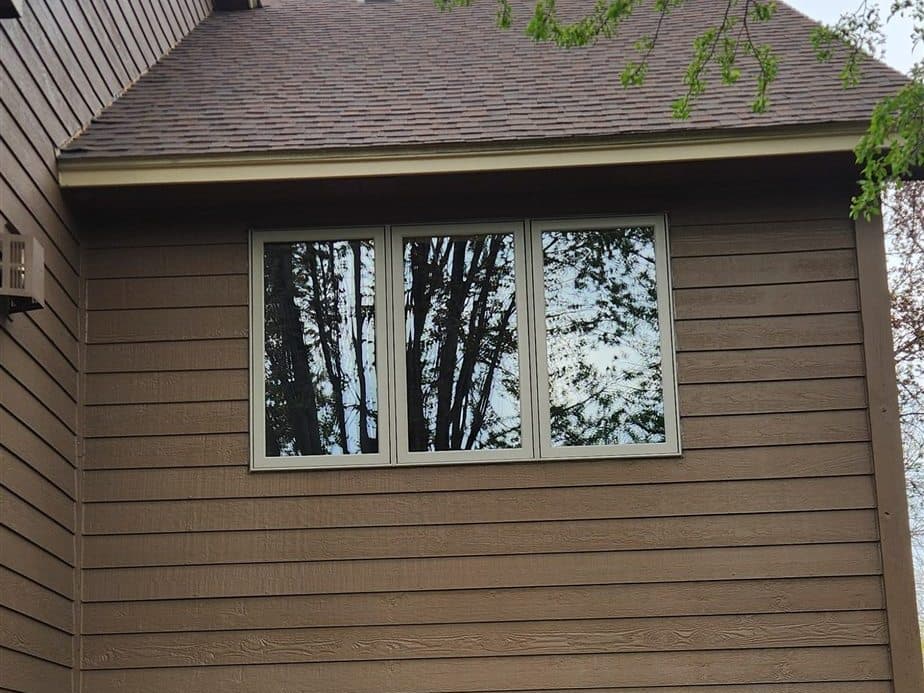
A Minnesota hailstorm does not pick a trade. The same cell that bruises the shingles dents the siding on the north wall and cracks the glass in the windows set in it. The adjuster writes it all on one estimate, and then most homeowners hand the pages to three different companies. The roofer finishes and the siding crew tears the drip edge he just set. The window installer flashes a new unit and the siding crew covers it before anyone checks the laps. When the wall leaks a year later, each one points at the other two.
The order is fixed by how water runs. The roof goes first, because until it sheds water nothing below it is safe, and because the drip edge, step flashing and kick-out flashing at the roof-to-wall joints have to be in before siding goes up against them. Windows go second, into the wall with the old siding stripped back around each opening: the unit is set in a sill pan, the flashing tape runs sides over sill and head over sides, and the housewrap laps over the head flashing. Siding goes last, closed over all of it, with the J-channel and trim sealed to the window frames. Gutters and downspouts hang after the fascia is done. Done in that order each layer protects the one under it. Done in any other order something gets cut, bent or buried.
One scope makes the paperwork match the work. We write a line-item scope that follows the adjuster's estimate section by section, roof, siding, windows, gutters, in their units, so the two documents reconcile line by line and nothing lives in the gap between trades. Items that belong to two trades at once, like the housewrap and flashing at a window opening or the kick-out at a roof-wall joint, are written once, in the right place. When the work is done there is one final invoice for the whole claim and one set of finished photos, which is what releases the depreciation on a replacement-cost policy. You file the claim and talk to your insurer. Minnesota does not allow a contractor to waive or pay your deductible, and we do not.
What you supply
- The storm date, your photos from that day and the full adjuster's estimate, every section
- Your claim number and whether the policy is replacement cost or actual cash value
- Decisions on any upgrades across the three trades before orders go in
- Access to the house, yard and attic for inspection, and a driveway spot for a dumpster
- Your paint color for new interior casing — painting is quoted as a separate line, or paint it yourself
What JMB supplies
- A walk of the whole house: roof, every elevation of siding, every window and the gutters, photographed by elevation
- One line-item scope in the adjuster's sections and units, with shared items like window flashing and kick-outs written once
- A walk with your adjuster across all three trades when you want us there
- A sequence: roof and roof-wall flashing, then windows set and flashed, then siding, trim and gutters
- Windows ordered to the approved scope with options such as the maker you had, timed to arrive before the siding starts
- Housewrap and flashing details at every opening done once, in the right order, and photographed before siding covers them
- One dumpster, one cleanup, one final invoice with finished photos for the depreciation release
How it is priced: per project
Quoted in writing from your photos, with a reply within one business day. What moves the number:
- Roof size, pitch and layers, and the flashing details at roof-to-wall joints
- Siding squares per elevation and whether the whole house or only the hit sides are on the scope
- Window count and the glass, sash or whole-unit mix across them
- Gutters, downspouts, soffit and fascia on the same claim
- Matching questions on siding and windows where only some elevations are replaced
- Upgrades you choose in any trade, paid as the difference on their own lines
- Two-story and walk-out elevations that need scaffold for siding and windows together
Send the whole adjuster's estimate, not just the window pages, and a photo of each side of the house. We reply within one business day with how we would sequence it.
How long it takes
Roof first, usually a day or two. Windows go in when they arrive from the maker, weeks after approval. Siding follows the windows, a week or two on a typical house. The whole claim is a season, mostly waiting.
How your project works
- 1
Send photos, get a written quote
Send three photos of the space and a sentence about what you want. You get a clear, itemized reply within one business day. Prefer a look in person? A free in-home estimate is always an option.
- 2
Pick materials, or bring your own
We help you choose profiles and materials that fit the house and the budget, or match your existing millwork exactly — or you buy the door or trim yourself and we install it. Everything is confirmed before the crew is scheduled.
- 3
Clean, precise installation
The crew shows up on time, protects floors and furniture, and installs with tight joints and consistent reveals. Photos of the finished work go in your job folder.
- 4
Walkthrough and invoice
We walk the finished work with you. If anything is not right, we fix it before we call the job done. Then one invoice, paid by check or direct deposit — no card fees, no payment links.
Situations and options
Roof, then windows, then siding
The standard sequence when all three are on the claim. Roof-wall flashing goes in with the roof, windows are set and flashed into the stripped openings, siding closes over everything. Gutters hang last.
Windows and siding, roof already done
A roofer finished before you called. We check the drip edge and kick-out flashing they left at the walls, then set windows and run siding. Any roof-wall flashing that has to be redone is written as its own line.
Only the storm side
Roof full, but siding and windows on one or two elevations. We document the match between new and old siding and windows on the elevations that meet at a corner, for the matching question you take to your insurer.
Phased by approval
The roof is approved and the siding and windows are in supplement. The roof goes on now so the house is dry, with the wall flashing left ready for the siding. The rest follows when approved, and each phase has its own invoice.
One Claim, Roof, Siding and Windows — One Scope, One Sequence: questions, answered
Should the roof, siding or windows be replaced first after a hailstorm?
Roof first, windows second, siding last. The roof has to shed water before anything below it is safe, and the step and kick-out flashing at roof-to-wall joints go in with the roof so siding can lap over them. Windows are set and flashed into the wall with the siding stripped back around each opening. Siding then closes over the window flashing and the roof-wall flashing. Gutters hang after the fascia. Water runs down, so each layer is installed before the one that laps over it.
Can one contractor do the roof, siding and windows on my storm claim?
Yes. JMB Builders is a licensed Minnesota residential building contractor and does roofing, siding and windows on storm claims across the Twin Cities metro. The advantage is not convenience, it is the seams: the flashing where the roof meets the wall, where the window meets the housewrap and where the siding meets the window frame are each done once by the same people in the right order, and photographed before they are covered.
Why does it matter if different companies do the roof, siding and windows?
Because every leak on a storm-repaired house is at a joint between two trades. The siding crew bends the drip edge the roofer set. The roofer never installed a kick-out and the siding crew covered the spot. The window installer's head flashing is tucked under the housewrap instead of over it and the siding hides it. Each company did its part. One scope and one sequence make the joints somebody's job.
Can the roof be done before the siding and windows are approved?
Yes, and it usually should be. A roof that is approved goes on so the house is dry, and the roof-wall flashing is left ready for siding to lap over it. The siding and windows follow when their lines are approved or supplemented. Each phase gets its own invoice matched to its part of the scope, so depreciation on the roof can release while the rest is still in review, if your policy allows it. Ask your adjuster.
Is it one final invoice for the whole storm claim or one per trade?
One, matched to the adjuster's estimate section by section, when the work runs as one job. Roof lines, siding lines, window lines and gutter lines in the same order as the approved scope, with any supplement lines added and finished photos of each. On a replacement-cost policy that single invoice is what you send to release the held-back depreciation. When the work is phased, each phase gets its own invoice and they add up to the scope.
How long does a roof, siding and window claim take all together?
A season, most of it waiting. The roof itself is a day or two. Windows arrive weeks after the scope is approved, longer after a storm that hit the whole metro. Siding runs a week or two on a typical house once the windows are in. Approval and supplements on the insurer's side set the rest. We sequence the trades so the house is dry and closed at every stage of the wait.
Recent JMB work, from our job log
59 installs recorded across 30 Twin Cities communities since Dec 2025. Window and door installs for homeowners, builders and dealers. Counts come straight from our job log; no customer names.
Get a written quote for this job
Three photos and a sentence is enough: a reply within one business day, or ask for a free in-home estimate. Or text the photos to 763-333-4066.
Related jobs we do
Insurance Claim Window Replacement — From the Storm to New Windows
Hail or straight-line wind took out windows on one side of the house and you have never filed a claim. Here is the whole path, from the first photos to the last check.
Read moreHail-Cracked Vinyl Siding Claim — Chips, Cracks and the Light Test
In daylight the siding looks fine. Shine a light across it at a low angle and the north and west walls are covered in half-moon cracks. That is what the adjuster needs to see, and what we photograph.
Read moreSiding Matching Insurance Claim — One Wall Hit, the Rest Discontinued
The adjuster approved the north wall. The siding on the north wall has not been made in ten years, and the other three walls have faded to a color nobody sells. Here is what to put in the file.
Read moreHail Damage Roof Inspection and Insurance Claim Repair
After a hailstorm the question is simple: is there real damage, and is it enough to matter? We look, we document, and we tell you straight before anyone calls your insurance company.
Read moreWhole-House Window Replacement on a Storm Claim — Every Side Hit
The hail came in sideways and then the wind turned, so every side of the house took hits. Twenty windows on one claim is a different job than two, and the scope has to be organized like one.
Read moreActual Cash Value vs Replacement Cost — Why the First Check Is Less
The adjuster's estimate says one number, the check that came says a smaller one, and the letter mentions depreciation. Nothing is wrong. Here is what the numbers are and what has to happen for the rest to arrive.
Read morePage reviewed October 2, 2026 · JMB Builders LLC, MN license BC809005 · All insurance repairs pages
Where we work
Insurance repairs near you
Based in Zimmerman, scheduling across the Twin Cities metro. Closest first: