
Frost in Attic on Nails and Ice on the Sheathing — Find and Fix It
You went up for the Christmas boxes and the nail tips were white with frost, or there was ice on the plywood and a wet spot on the bedroom ceiling in March. The attic is telling you where the house leaks.
Frost in attic on nails and ice on the underside of the sheathing means warm, damp house air is getting into the attic and freezing on the coldest surfaces. JMB Builders fixes it across the Twin Cities metro in this order: find and seal the air leaks in the attic floor, duct every bath fan outside, open the soffit and ridge ventilation, then bring the insulation up. Priced per project, quoted from your attic photos within one business day.
- Air seal first, then vent, then insulate
- Bath fans ducted through the roof, never into the attic
- Quote from attic photos in 1 business day
- Licensed MN contractor BC809005
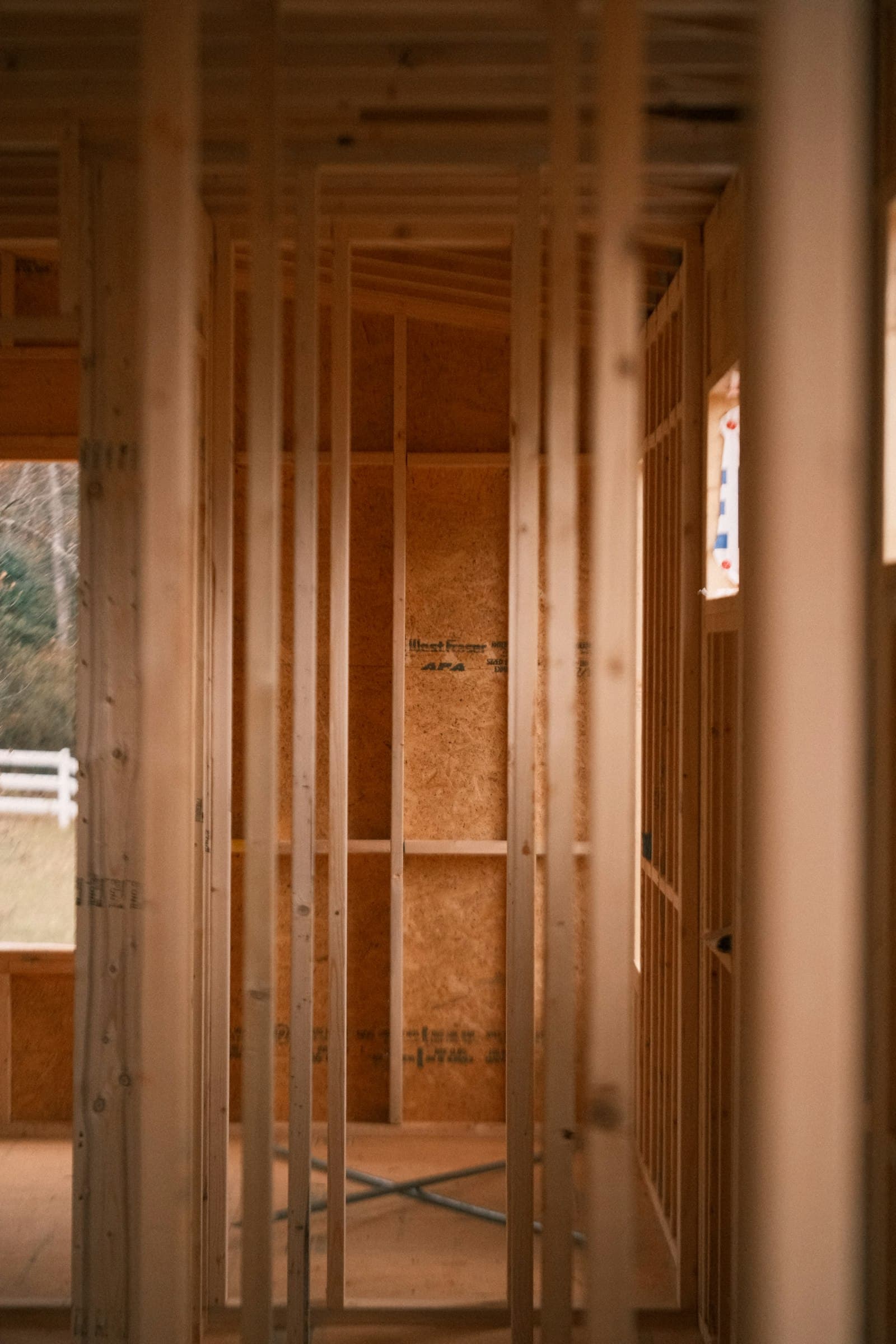
Every nail through the roof sheathing is a little piece of metal that is as cold as the outdoors. When house air gets into the attic it carries moisture, and that moisture freezes on the coldest things first: the nail tips, then the sheathing, thickest on the north side. A light frost on the nail tips in the deepest cold snap is normal in a Minnesota attic. Frost across the sheathing, ice you can knock off with your hand, and drips on warm days are not. That water rusts the nails, stains and swells the plywood, feeds mold on the north slope, and shows up as the brown ring on the ceiling below when it melts.
The moisture comes from the house. The big leaks are the tops of the interior walls where the drywall meets the top plate, the plumbing stack, the chimney or duct chase, recessed can lights, the attic hatch, and any wiring hole. The worst single source is a bath fan that ends in the attic or in a piece of flex duct that fell off the roof cap, dumping a shower's worth of steam into the attic every morning. A dryer or range hood vented up there is the same problem. A humidifier set high adds to it. Low ventilation finishes the job: insulation pushed into the soffits with no baffles, soffit vents painted over, no ridge vent, so the damp air that gets in has no way out.
The fix is in order. Air seal first, because sealing is what stops the moisture: the frost pattern on a cold morning shows where the leaks are, and we pull the insulation back and foam and caulk every one, cover the cans, seal the chase, box the hatch. Bath fans get an insulated duct sloped to a roof or gable cap with a damper. Then ventilation: baffles at every rafter bay to open the soffits, and a ridge or roof vent to match. Then insulation on top, up to the code range, which is on the blow-in page. Sheathing that has gone soft from years of this is a roofing repair, and heavy mold on the sheathing is referred to a remediation contractor before we work up there.
What you supply
- Photos from the hatch on a cold morning: the frost or ice, the nail tips, the north side of the roof, and the soffit edge
- Where the bath fans, the dryer and the range hood go; a photo of any duct you can see in the attic
- Whether the ceiling below has stains and where they are
- The humidifier setting on the furnace, if you have one
- Clear access to the hatch; we cover the floor below it
What JMB supplies
- A look at the frost pattern and the attic floor to find the leaks before anything is sealed
- Air sealing of top plates, wire and pipe holes, the plumbing stack, the chimney chase, can lights and the hatch with foam, caulk and covers
- Insulated bath fan duct run to a roof or gable cap with a damper, and a dryer or range hood rerouted the same way
- Baffles at every soffit bay, soffit vents opened, and a ridge vent or roof vents to balance them
- Insulated, weatherstripped hatch or pull-down stair cover
- Insulation pulled back and put back, and topped up to the code range when you want that done in the same visit
- A licensed electrician for new fan wiring or replacing unrated can lights
- Photos before and after from the attic in your job folder
How it is priced: per project
Quoted in writing from your photos within one business day. What moves the number:
- How much air sealing the ceiling needs; a house full of can lights and a chimney chase is more than a plain ceiling
- Bath fans, a dryer or a range hood to reroute through the roof, and how far each runs
- Soffit bays to baffle and whether the soffit vents are open or painted shut
- A ridge vent or roof vents to add
- Insulation to top up after the sealing, quoted with it or separately
- Access: a tight hatch, a story-and-a-half with knee-wall attics, or deep insulation to work through
- Damaged sheathing or heavy mold, which brings in the roofing side or a remediation contractor
Photos on a cold morning show the leaks better than anything we can find in April. Tell us where the bath fans are and whether the ceiling has stains.
How long it takes
Air sealing, fan ducting and baffles on a typical attic: one day. Add a second day when there are several fans to reroute, a ridge vent to cut in, or insulation to blow the same trip.
How your project works
- 1
Send photos, get a written quote
Send three photos of the space and a sentence about what you want. You get a clear, itemized quote within one business day. We only come out to measure first when the job needs a tape measure — no pressure, no games.
- 2
Pick materials, or bring your own
We help you choose profiles and materials that fit the house and the budget, or match your existing millwork exactly — or you buy the door or trim yourself and we install it. Everything is confirmed before the crew is scheduled.
- 3
Clean, precise installation
The crew shows up on time, protects floors and furniture, and installs with tight joints and consistent reveals. Photos of the finished work go in your job folder.
- 4
Walkthrough and invoice
We walk the finished work with you. If anything is not right, we fix it before we call the job done. Then one invoice, paid by check or direct deposit — no card fees, no payment links.
Situations and options
Air seal and vent, insulation is fine
The depth is there but the frost says the air is getting through anyway. Insulation pulled back at the walls, every leak sealed, hatch boxed, baffles set. Often a one-day fix that stops the frost.
Bath fan into the attic
The single worst source. New insulated duct from the fan to a roof cap or gable cap with a damper, sloped so condensation runs back to the fan and not into the attic. A dryer or range hood venting up there gets the same fix.
Frost plus ice dams
Frost inside and ice at the gutters are the same warm air, one condensing and one melting snow. The same sealing and venting fixes both; the eave damage and the checklist are on the ice dam pages.
Full fix with insulation top-up
Sealing, fan ducting, baffles and vents, then cellulose or fiberglass blown to the code range in the same visit. The order matters: never the insulation first.
Stained or soft sheathing
Years of frost have delaminated the plywood or rotted a patch near the eave. We seal and vent the attic, and the roofing side replaces the sheathing from above, usually with the shingles over it.
Frost in Attic on Nails and Ice on the Sheathing — Find and Fix It: questions, answered
Is frost on the nails in my attic normal?
A light frost on the nail tips during the coldest few nights of a Minnesota winter is common and usually harmless; the nails are the coldest thing up there and a little house air will always reach them. Frost across the sheathing, ice you can break off, water drips on warm days, or rusty nail tips and dark stains on the plywood mean too much warm air is getting in, and that gets fixed by sealing the attic floor and venting the attic.
Why is there ice on the underside of my roof sheathing?
Warm, moist air from the house is leaking into the attic and freezing on the plywood, which is as cold as the outside. The air comes through the tops of the walls, can lights, the plumbing stack, the chimney chase and the hatch, and most of all from a bath fan or dryer venting into the attic. Poor soffit and ridge ventilation keeps that air up there. Sealing the leaks and ducting the fans out stops it; more insulation alone does not.
Can a bath fan venting into the attic cause frost?
It is the most common single cause we find. A shower puts a large amount of steam through the fan, and if the duct ends in the attic, or the flex duct has fallen off the roof cap, all of it lands on the cold sheathing above the bathroom and freezes. The fix is an insulated duct run to a roof or gable cap with a damper, sloped back toward the fan. The frost pattern usually points straight at it.
Will adding insulation stop attic frost?
Not by itself, and it can make it worse by hiding the leaks and making the attic colder. Insulation slows heat; it does not stop air, and the moisture rides on the air. Seal the top plates, penetrations, cans and hatch first, duct the fans out, open the soffit and ridge vents, and then add insulation. Done in that order the insulation stays dry and the frost stops.
Is the mold on my attic sheathing from the frost?
Usually. Frost that melts and wets the plywood every warm day for years grows the dark staining you see on the north slope and over the bathroom. Light surface staining stays put once the attic is dry; we fix the cause and it does not spread. Heavy, fuzzy mold across the sheathing is referred to a remediation contractor to clean before we work in the attic. Soft or delaminated plywood is replaced from the roof side.
How do you find the air leaks in an attic?
On a cold morning the frost finds them for us: it is heaviest right above the biggest hole, over the bathroom, along the top of a wall or around a can light. Otherwise we pull the insulation back along the walls and chases and look for the dark, dirty insulation that marks air moving through it. Every one gets foamed or caulked, the cans get covers, and the hatch gets a gasketed box.
Why is water dripping from my soffit in winter?
Often it is attic frost melting. Warm, moist house air leaks into the attic, freezes on the nails and sheathing, and on a warm day the frost melts and runs down the deck to the soffit. It can also be an ice dam leaking at the eave. Air sealing the attic floor and fixing bath fans that vent into the attic stops the frost; we check for both on the same visit.
Recent JMB work, from our job log
59 installs recorded across 30 Twin Cities communities since Dec 2025. Window and door installs for homeowners and for the builders and dealers we sub for. Counts come straight from our job log; no customer names.
Get a written quote for this job
Three photos and a sentence is enough. You hear back within one business day. Or text the photos to 763-204-2099.
Related jobs we do
Attic Insulation Blown In — Air Sealed First, Then Filled
Ice dams, a furnace that never shuts off, a bedroom that is cold at the ceiling: the attic is the first place to look and the best payback in the house when the air sealing is done before the fluff.
Read moreAttic Hatch Insulation — Insulated Cover Box Over the Access
Frost on the hatch, a cold spot in the hall ceiling, a strip of bare roof above it in a snowfall: the attic access is an uninsulated hole in an insulated ceiling, and a box fixes it in an afternoon.
Read moreIce Dam Prevention Checklist — Stop Ice Dams Before Winter
You had ice dams last winter and do not want them again. Here is what causes them, what to check in the attic and at the eave, and what we fix before the snow flies.
Read moreRidge Vent Installation — Cut In on an Existing Roof, Box Vents Closed
An attic that bakes in July and frosts in January usually has no exhaust at the top and no intake at the bottom. A ridge vent cut in now, with the soffits opened, fixes both without waiting for a new roof.
Read moreRoof Vent Replacement, Pipe Boots and Flashing Repair
Cracked plastic box vents, sun-split pipe boots, a bath fan blowing into the attic — the small roof jobs that cause big leaks, done in one visit at a per-unit price.
Read moreBasement Wall Insulation Before Finishing — Rigid Foam and Framing
Before the framing, the wiring and the drywall go in, the concrete wall needs the right insulation in the right order — or the finished basement smells like a wet basement in five years.
Read morePage reviewed September 27, 2026 · JMB Builders LLC, MN license BC809005 · All insulation pages
Where we work
Insulation near you
Based in Zimmerman, scheduling across the Twin Cities metro. Closest first: