
Ridge Vent Installation — Cut In on an Existing Roof, Box Vents Closed
An attic that bakes in July and frosts in January usually has no exhaust at the top and no intake at the bottom. A ridge vent cut in now, with the soffits opened, fixes both without waiting for a new roof.
JMB Builders does ridge vent installation on existing shingle roofs across the Twin Cities metro. We pull the cap shingles, cut the slot on both sides of the ridge, set a baffled shingle-over ridge vent and cap it. The old box vents are closed and shingled over so the ridge does not pull air through them, and blocked soffits are opened for intake. Priced per linear foot of ridge, quoted from photos within one business day.
- Priced per linear foot of ridge
- Old box vents closed and shingled over
- Soffit intake checked and opened if blocked
- Quote from photos in 1 business day
- Licensed MN contractor BC809005
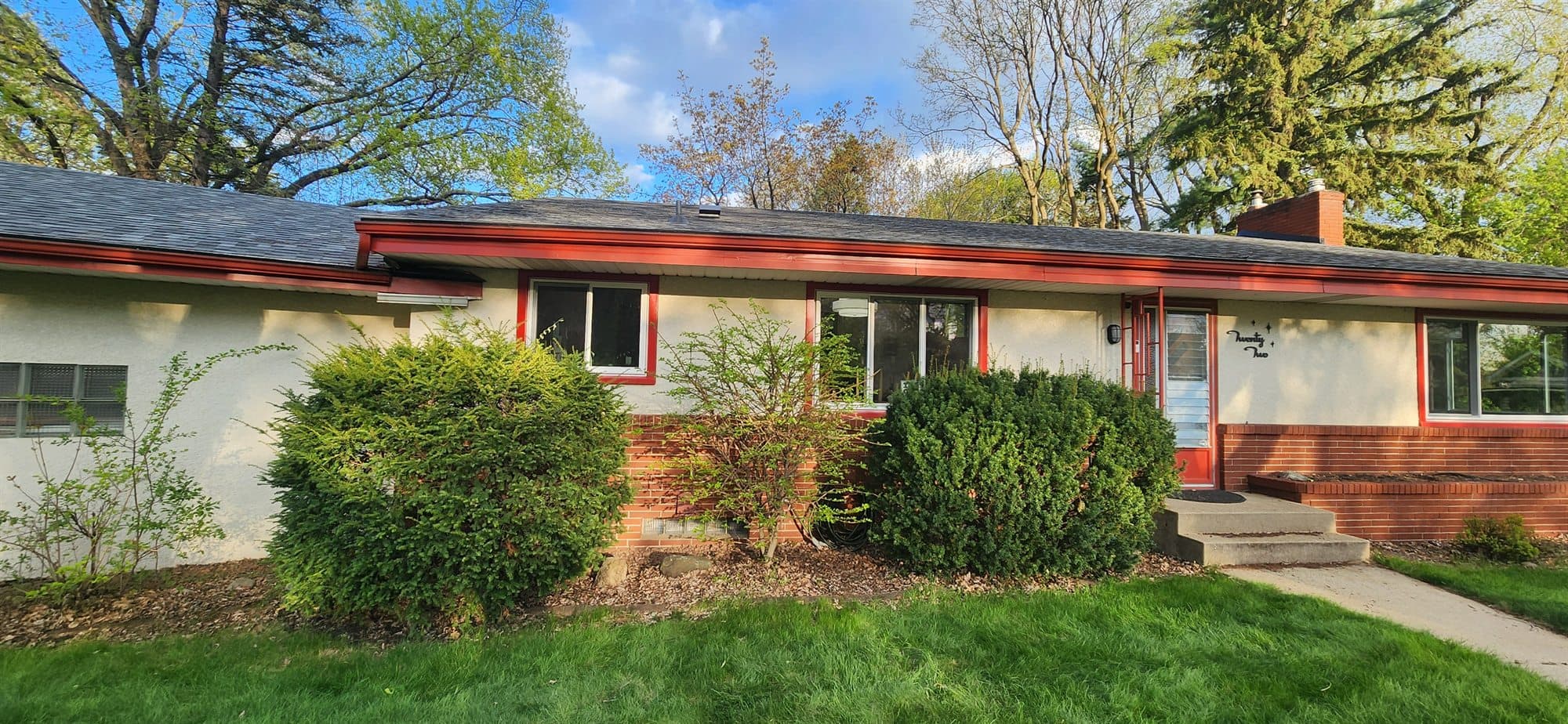
A ridge vent works because warm air leaves at the highest point of the roof and cooler air replaces it at the soffits. That only happens when both ends are open. Most of the ridge vent calls we get are on roofs with a couple of plastic box vents doing half the job, soffits stuffed with insulation, and an attic that shows frost on the nails every winter. Cutting in a ridge vent on that roof without touching the soffits moves the problem around. Doing both fixes it.
The job itself is simple carpentry. The cap shingles come off the ridge, a slot is cut through the sheathing on each side, the vent is nailed down over the slot with an end plug at each end, and new cap shingles go over the vent. The box vents are pulled, the holes are patched with sheathing and ice and water membrane, and shingles are woven back in. From the yard you see a slightly taller ridge and no more box vents.
This is a good job to do on a roof with years left in it. On a roof that is due for replacement within a few years we will tell you to wait and have the ridge vent done with the reroof instead.
What you supply
- Photos of the roof from the yard on two sides, showing the ridge and every vent that sticks through
- A photo of the soffit from below, and one from inside the attic looking toward the eaves if you can get it
- The length of the ridge, paced off from the ground, if you have it; otherwise we scale it from the photos
- A specific ridge vent product if you want one; we stock a standard shingle-over vent with an external baffle
What JMB supplies
- Shingle-over ridge vent with an external baffle and filter, plus end plugs and the nails it calls for
- New cap shingles over the vent, matched to the roof as closely as the color run allows
- Removal of the old box vents, sheathing patches and ice and water membrane, shingles woven back in
- Rafter baffles set from inside the attic and insulation pulled back where it is blocking the soffit vents
- Continuous or individual soffit vents cut in where the soffit is solid
- Sealing of gable vents when they would short-circuit the ridge vent, if you want them closed
- Photos of the finished ridge and the closed vents in your job folder
How it is priced: per linear foot
Quoted in writing from your photos within one business day. What moves the number:
- Length of ridge to be cut and vented, and how many separate ridges the roof has
- Number of box vents, turbines or power vents to remove and shingle over
- Whether the soffits already have working intake or need vents cut in and baffles set
- Roof pitch and height; a steep two-story roof takes staging and more time per foot
- Whether the sheathing is plywood or old board decking that needs a wider patch at each old vent
- Matching cap shingles on an older roof where the color has faded
Send the yard photos plus one from inside the attic at the eave if you can; that tells us whether the soffit intake is open and makes the quote firm.
How long it takes
Most single-ridge roofs: half a day, including closing the box vents. Add a half day when soffit vents have to be cut in or baffles set from inside the attic.
How your project works
- 1
Send photos, get a written quote
Send three photos of the space and a sentence about what you want. You get a clear, itemized quote within one business day. We only come out to measure first when the job needs a tape measure — no pressure, no games.
- 2
Pick materials, or bring your own
We help you choose profiles and materials that fit the house and the budget, or match your existing millwork exactly — or you buy the door or trim yourself and we install it. Everything is confirmed before the crew is scheduled.
- 3
Clean, precise installation
The crew shows up on time, protects floors and furniture, and installs with tight joints and consistent reveals. Photos of the finished work go in your job folder.
- 4
Walkthrough and invoice
We walk the finished work with you. If anything is not right, we fix it before we call the job done. Then one invoice, paid by check or direct deposit — no card fees, no payment links.
Situations and options
Cut in on the existing roof
The standard job. Cap shingles off, slot cut on both sides of the ridge, vent nailed over the slot and capped. Done on a dry day and closed up the same day so the attic is never open overnight.
Replace box vents with a ridge vent
The old box vents are pulled, the holes patched with sheathing and membrane, and shingles woven in. Leaving them in place lets the ridge vent pull air from the nearest box vent instead of the soffits, so they come out.
Open the soffit intake
Insulation pushed back from the eaves, rafter baffles stapled in so the attic insulation cannot slide down again, and soffit vents cut in where the soffit is solid wood or closed aluminum. Without this the ridge vent has nothing to pull.
Hip roof with a short ridge
A hip roof has less ridge to work with. We vent the ridge that is there and, when it is too short for the attic, add a hip vent along the hips or keep a box vent or two low on the back slope. We tell you which from the photos.
Gable vents and a ridge vent together
Gable vents near the ridge can short-circuit a ridge vent, pulling air in through the gable instead of the soffits. On most houses we leave them; on a house with good soffit intake and gable vents right at the peak we may close them from inside with a foam block.
Ridge Vent Installation — Cut In on an Existing Roof, Box Vents Closed: questions, answered
Can you add a ridge vent to an existing roof without replacing it?
Yes. The cap shingles come off, the slot is cut through the sheathing on both sides of the ridge, the vent is nailed down and new cap shingles go over it. Nothing else on the roof has to move. The only reason to wait is a roof that will be replaced within a few years; then the ridge vent goes in with the new shingles.
Do I need soffit vents for a ridge vent to work?
Yes. A ridge vent is exhaust; it needs intake low on the roof to pull from, and that is the soffit. With the soffits blocked, the ridge vent pulls air from wherever it can, including the nearest box vent or the house itself. We check the soffits from below and from inside the attic before we cut the ridge, and open them as part of the job when they are stuffed with insulation or never had vents.
Should I remove box vents when installing a ridge vent?
Yes, on the same roof plane as the ridge vent. Two exhaust vents at different heights short-circuit each other: the ridge vent pulls air in through the box vent a few feet below it and the soffits never get used. We pull the box vents, patch the sheathing, run ice and water membrane over the patch and weave shingles back in so you cannot tell where they were.
Does a ridge vent let snow or rain in?
A shingle-over ridge vent with an external baffle and an internal filter is built to keep wind-driven rain and snow out while air moves through. We use that type, not the cheap roll vents with no baffle. Fine snow can drift through any roof vent in a bad wind; a small dusting on the attic floor after a blizzard is normal and dries, a wet patch under the ridge after every storm is not.
Will a ridge vent help with ice dams?
It helps, but it is not the fix on its own. Ice dams come from heat leaking into the attic and warming the roof deck, so the first step is air sealing and insulation on the attic floor. Good ventilation, soffit to ridge, then carries away the heat that still gets through and keeps the deck closer to the outside temperature. Do the attic floor first or at the same time.
Can you put a ridge vent on a hip roof?
Yes, on the ridge that is there. A hip roof has a short ridge, sometimes only a few feet, so it may not vent enough attic on its own. Then we add a hip vent along the top of the hips or keep one or two low box vents on the back slope. We work it out from the roof photos and tell you what the roof needs before we quote it.
Recent JMB work, from our job log
59 installs recorded across 30 Twin Cities communities since Dec 2025. Window and door installs for homeowners and for the builders and dealers we sub for. Counts come straight from our job log; no customer names.
Get a written quote for this job
Three photos and a sentence is enough. You hear back within one business day. Or text the photos to 763-204-2099.
Related jobs we do
Roof Vent Replacement, Pipe Boots and Flashing Repair
Cracked plastic box vents, sun-split pipe boots, a bath fan blowing into the attic — the small roof jobs that cause big leaks, done in one visit at a per-unit price.
Read moreAttic Insulation Blown In — Air Sealed First, Then Filled
Ice dams, a furnace that never shuts off, a bedroom that is cold at the ceiling: the attic is the first place to look and the best payback in the house when the air sealing is done before the fluff.
Read moreIce Dam Roof Damage Repair and Prevention
The icicles were the warning; the stain over the window is the bill. We fix the eave, the sheathing and the ceiling, then air-seal and insulate the attic so the roof stays cold and the ice stays off.
Read moreShingle Roof Replacement — Tear Off and Reroof
When the roof is done — curling, bald, losing granules by the gutter-full — it comes off to the deck and goes back on with the flashing, membrane and ventilation a Minnesota winter demands.
Read moreGable Vent Trim Replacement — Rotted Gable Vents and Louvers
The wood louver at the peak of the gable is gray, the slats are split, and the bottom rail is soft enough to push a finger into. We replace the vent and the trim around it so it stops feeding water into the wall.
Read moreChimney Flashing Repair — Step and Counter Flashing Rebuilt
A stain on the ceiling next to the fireplace, wet brick in the attic, a ring of roof cement around the chimney — the flashing rebuilt in metal, cut into the brick, so it stays fixed.
Read morePage reviewed September 26, 2026 · JMB Builders LLC, MN license BC809005 · All roofing pages
Where we work
Roofing near you
Based in Zimmerman, scheduling across the Twin Cities metro. Closest first: