
Trim Painting and Interior Door Painting After Installation
New trim is only finished when it is painted. We do that part too: fill, caulk, prime, enamel, and the doors sprayed flat, sequenced with the carpentry so the room is done once.
JMB Builders does trim painting and interior door painting across the Twin Cities metro, on trim we installed and on trim that is already there. Every trim job we do is offered with painting as its own line: nail holes filled, joints caulked, primed, then two coats of enamel brushed on site. Doors come off the hinges and are sprayed flat so there are no brush marks. Priced per room for trim and per door for doors.
- Priced per room for trim, per door for doors
- Filled, caulked, primed, two coats of enamel
- Doors sprayed off the hinges, no brush marks
- Offered as its own line on every trim job
- Licensed MN contractor BC809005
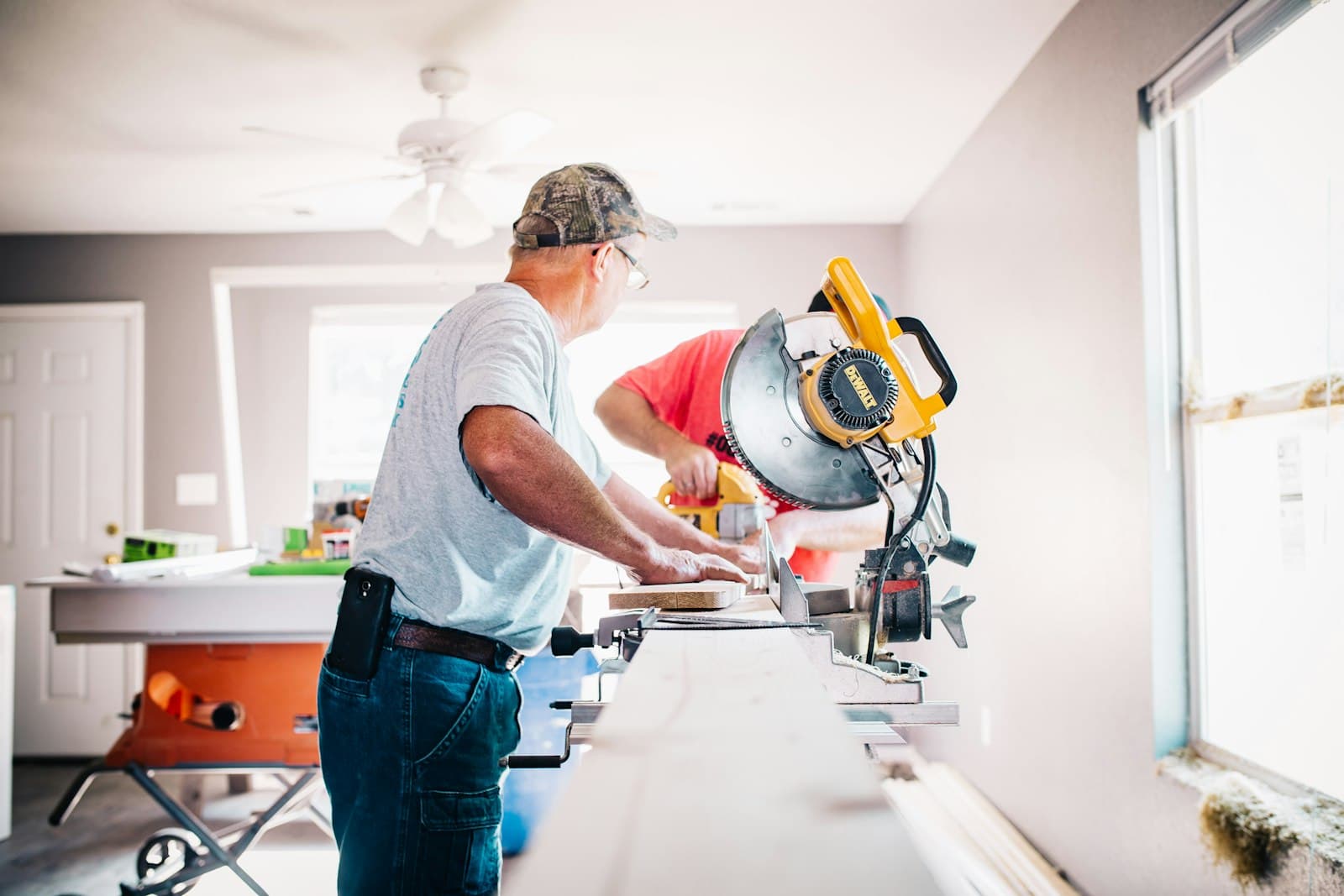
Trim goes in primed. Every crown, casing, baseboard, board-and-batten wall and door we install is filled and caulked when we leave, and it still looks like a job in progress until it is painted. That is why painting is a line on every trim quote we write: you can have us do it, or leave it primed and caulked and paint it yourself. This page is the painting itself: what we do, in what order, and how it is priced.
The prep is most of the work. Nail holes filled and sanded flush, every joint and wall line caulked, MDF edges sealed, primer where the filler and the caulk changed the surface, then a trim enamel that levels out and dries hard enough to wipe. Trim on the wall is brushed on site. Doors are the exception: a door brushed on its hinges shows every stroke, so we pull the doors, spray them flat in the garage or off-site, and rehang them when they are cured. The slabs, the jambs and the casing end up the same sheen and the same color.
What you supply
- The color and sheen, or a swatch from the trim already in the house and we match it; semi-gloss or satin is usual for trim
- A room that is clear enough to work in: furniture pulled back from the walls, or we cover it
- Which doors get painted: slab only, or slab plus jamb and casing, and whether the hardware is being replaced at the same time
What JMB supplies
- Filling and sanding of every nail hole, caulk at every joint and wall line, and a sealer on MDF edges before primer
- Primer on new bare wood and on any spot the filler or caulk changed, and a bonding primer over old glossy trim
- Two coats of a waterborne or alkyd trim enamel in the color and sheen you picked
- Trim on the wall brushed on site with a clean line at the wall, or sprayed with the room masked when the whole room is being painted
- Doors pulled, hardware bagged, slabs sprayed flat off-site or in the garage, both sides, and rehung when cured
- Masking and floor protection, and cleanup so the room is usable the same day the trim is dry to the touch
- Photos of the finished room in your job folder
How it is priced: per room
Quoted in writing from your photos within one business day. What moves the number:
- Trim is priced per room, doors are priced per door; a door means the slab, and the jamb and casing are added when you want them done too
- Linear feet of trim in the room and how many pieces: a room with crown, chair rail and wainscot has more edges than one with baseboard alone
- New primed trim vs. old painted trim that needs cleaning, scuff-sanding and a bonding primer first
- Stained trim being converted to painted, which needs degreasing, sanding and a stain-blocking primer
- Brushed on site vs. sprayed with the room masked, and doors sprayed off-site vs. on the hinges
- Panel doors and louvered doors take longer to prep and coat than flush slabs
- Color changes: dark to white or white to dark usually needs an extra coat
Send a photo of the room and count the doors. Say whether the trim is new and primed or old and painted, and the color you want. That is enough to quote trim per room and doors per door.
How long it takes
Trim in one room: a day for prep and the first coat, a second visit or the next morning for the final coat. Doors: pulled on day one, sprayed and cured over a couple of days, rehung on the return trip.
How your project works
- 1
Send photos, get a written quote
Send three photos of the space and a sentence about what you want. You get a clear, itemized quote within one business day. We only come out to measure first when the job needs a tape measure — no pressure, no games.
- 2
Pick materials, or bring your own
We help you choose profiles and materials that fit the house and the budget, or match your existing millwork exactly — or you buy the door or trim yourself and we install it. Everything is confirmed before the crew is scheduled.
- 3
Clean, precise installation
The crew shows up on time, protects floors and furniture, and installs with tight joints and consistent reveals. Photos of the finished work go in your job folder.
- 4
Walkthrough and invoice
We walk the finished work with you. If anything is not right, we fix it before we call the job done. Then one invoice, paid by check or direct deposit — no card fees, no payment links.
Situations and options
Paint the trim we just installed
The separate line on every trim quote. We schedule it right after the carpentry, while the room is already covered, so the filling, caulking, priming and enamel happen in one sequence and the room is finished once.
Interior doors sprayed off the hinges
Doors pulled, hardware removed and bagged, slabs sprayed flat on both sides in the garage or off-site with a fine-finish tip, cured, and rehung. The jambs and casing are brushed on site to match.
Repaint existing trim
Trim that is yellowed, chipped or the wrong color. Cleaned, scuff-sanded, caulk redone where it cracked, bonding primer, then two coats of enamel. Includes converting old oak trim to painted with a stain-blocking primer.
Whole-house trim and door package
Every door and all the trim on a floor, sequenced room by room so you always have doors on the bedrooms. Priced per room and per door, one number for the whole floor.
Trim Painting and Interior Door Painting After Installation: questions, answered
Do you paint the trim you install?
Yes. Painting is quoted as a separate line on every trim job, so you can see what the carpentry costs and what the painting costs. Take the line and the same crew fills, caulks, primes and paints it right after the trim goes in. Or leave it primed and caulked and paint it yourself. Either way the trim is installed the same way.
What is the right order: paint the trim or the walls first?
On new trim, prime and paint the trim first, then cut the wall color in against it; a clean line is easier to cut on a wall than on a profiled molding. If the walls are already painted and only the trim is new, we brush the trim and cut a line at the wall, and touch up the wall where the caulk landed. On a room getting both, we do the trim enamel first, let it cure, then the walls. Doors are sprayed separately and come back last.
Why do you spray doors instead of brushing them?
A door is a big flat panel and a brush leaves marks on it that show in raking light, especially in white. Sprayed flat, an enamel levels out into a finish that looks factory-made. Doors come off the hinges, the hardware comes off, the slab gets sprayed on both sides in the garage or off-site, and it cures flat so nothing sags. Then it is rehung on the same hinges. Jambs and casing stay on the wall and get brushed or sprayed with the room masked.
What paint do you use on trim and doors?
A trim enamel, which is a paint that levels out brush marks and dries harder than wall paint so it can be wiped and does not stick when a door closes on it. Waterborne enamels are the usual choice now: low smell, fast recoat, and they stay white. An alkyd enamel is still the choice for a door that gets a lot of hands on it. Semi-gloss is the most common sheen for trim in Minnesota homes, satin when you want it softer.
How do you prep new trim before painting?
Every nail hole is filled and sanded flush. Every joint, miter and wall line is caulked with a paintable caulk. MDF cut edges get sealed so they do not soak up paint and go fuzzy. Then a coat of primer over the bare spots, the filler and the caulk, a light sand, and two coats of enamel. The filling and caulking are what make the difference between trim that reads as one piece and trim that shows every board; the paint just makes it visible.
Can you paint over stained oak trim?
Yes, it is a common job in Twin Cities houses from the eighties and nineties. Old oak trim gets cleaned to get the polish and hand oils off, scuff-sanded, and primed with a stain-blocking bonding primer so the tannin in the oak does not bleed through the white. Then the grain is either left to show through, which most people like, or filled first for a smooth look, which costs more. Two coats of enamel finish it. Doors are pulled and sprayed the same as new ones.
Get a written quote for this job
Three photos and a sentence is enough. You hear back within one business day. Or text the photos to 763-204-2099.
Related jobs we do
Baseboard & Casing Installation
Straight lines, tight miters, and coped inside corners — baseboard and window & door casing installed room by room or across your whole home.
Read moreInterior Door Installation & Replacement
Doors that close with a solid click, swing true, and match throughout the house — bedroom, bathroom, and closet doors installed by a licensed contractor who hangs doors for a living.
Read moreCrown Molding Installation
Crisp corners, seamless joints, and profiles that fit your home — crown molding installed by a licensed Minnesota contractor who treats trim as a craft, not an afterthought.
Read moreBoard-and-Batten Wall Installation
Even batten spacing, level cap rails, and layouts that land clean around outlets and windows — board-and-batten walls built to fit your room, not a template.
Read moreLabor-Only Door Installation — We Install the Door You Bought
You buy the door, we install it right — entry doors, house-to-garage doors, and interior doors hung plumb, sealed tight, and trimmed out by a licensed Minnesota contractor.
Read moreAttic Hatch Trim — Casing, Painted Panel and Insulated Lid
The scuttle hole with a raw drywall edge and a loose square of drywall dropped on top of it: we case it, build a real lid, seal it and insulate it.
Read morePage reviewed September 24, 2026 · JMB Builders LLC, MN license BC809005 · All finish carpentry pages
Where we work
Finish carpentry near you
Based in Zimmerman, scheduling across the Twin Cities metro. Closest first: