
Match Old Window Trim Profile — Historic Casing Replacement
One window in a 1920s house got new trim that matches nothing, or the old casing is gone and the lumberyard has never seen the profile. We get the profile made and put it back.
To match an old window trim profile we take a short cutoff or a profile tracing from your casing to a millwork shop, have it run on a custom knife or build it up from stock pieces, and install it so the new window reads like the old ones. JMB Builders does historic window casing replacement across the Twin Cities metro, in paint-grade or the original species. Priced per window, quoted from photos within one business day.
- Priced per window, plus one profile setup per house
- Custom knife, built-up profile or salvage
- Quote from photos in 1 business day
- Licensed MN contractor BC809005
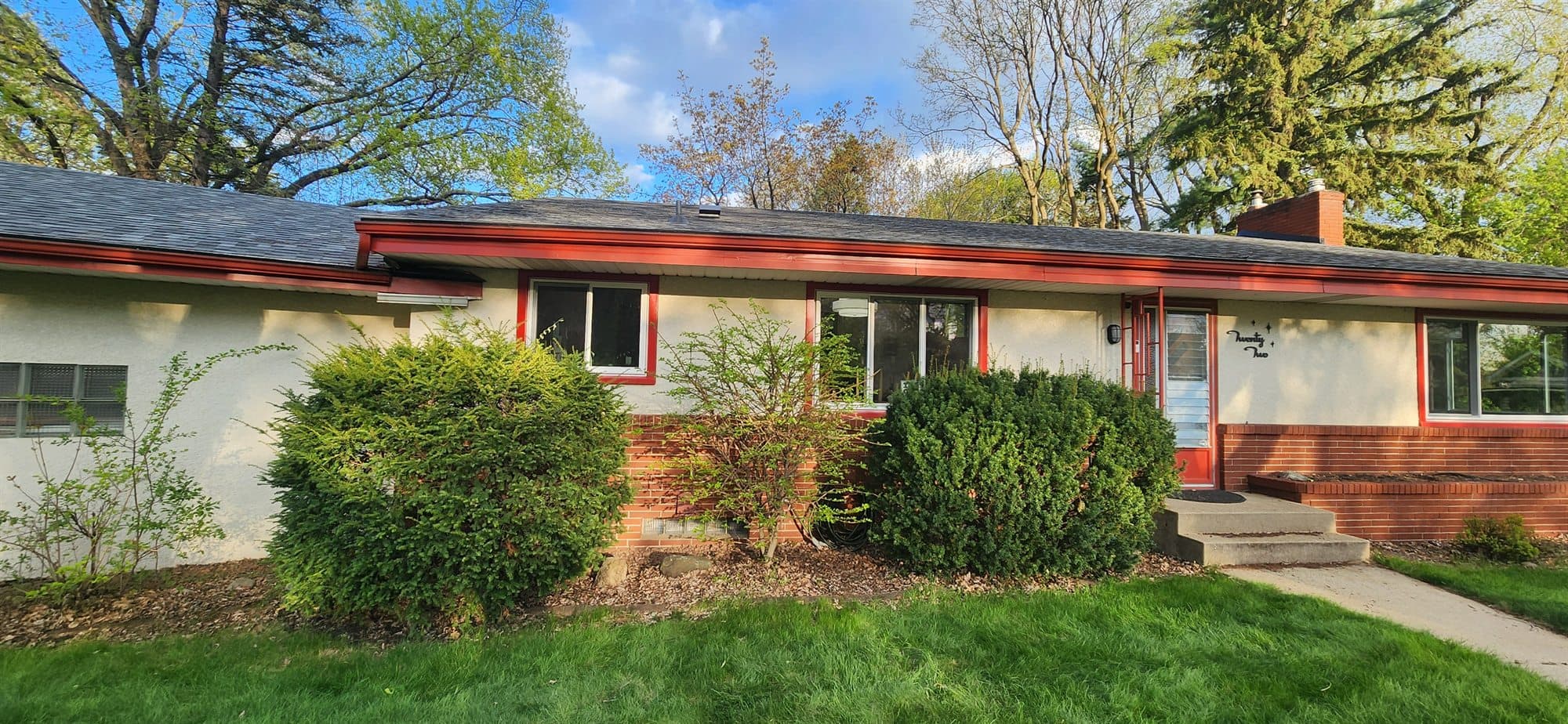
Window casing in a Twin Cities house built before the war was milled locally in profiles that stopped being made decades ago. Wide flat casing with a back band. Fluted casing with bullseye corner blocks and plinths. A tall head casing with a cap. Fir, birch and oak that were stained, then painted over in the fifties. None of it is on the rack at a big box store, and the nearest stock profile is close enough to be wrong.
There are three ways to get it back. A millwork shop grinds a knife to the profile from a sample and runs as many feet as you need, which is the exact match and carries a one-time setup. Or the profile is built up on site from stock pieces, a flat board plus a back band plus a bead, which matches most Craftsman and Colonial casings closely and needs no knife. Or salvage: architectural salvage yards around the metro carry old casing by the bundle, and a matching piece from the same era is often the best match of all, especially for stain-grade.
JMB Builders matches old window trim across the Twin Cities metro for one replaced window, a room, or a whole house where the windows were changed and the trim came off. We pull a sample, choose the method that fits the profile and the budget, and install it with the same reveals, the same head detail and the same stool horns as the original windows. Painting or staining is quoted as a separate line, or paint it yourself.
What you supply
- A straight-on photo of an original window with its trim and a close-up of the casing profile from the side, in raking light
- A photo of the window that needs trim, and how many windows are involved
- A cutoff of the old casing if any came off during the window work; a piece a few inches long is enough
- Whether it stays painted or you want to get back to stained wood
- Your paint or stain color if we are finishing it; painting is quoted as a separate line, or paint it yourself
What JMB supplies
- A profile tracing or sample taken from your existing casing with a profile gauge
- Custom-milled casing run by a millwork shop from a knife ground to your profile
- Built-up profiles from stock flat casing, back band and bead where that reads the same
- Sourcing from salvage yards for stain-grade matches in fir, birch or oak
- Corner blocks, plinths and head caps to match the originals
- Installation with the original reveals, head detail and stool horns
- Photos of the finished window in your job folder
- Painting or staining when you want it done, quoted as its own line
How it is priced: per window
Quoted in writing from your photos within one business day. What moves the number:
- Custom knife at a millwork shop vs. a built-up profile vs. salvage — the knife is a one-time setup shared across every window in the house
- One window vs. a room vs. a whole house, since the setup spreads out as the count goes up
- Paint-grade vs. matching the original species for stain
- Plinth blocks, corner blocks and a built-up head cap vs. plain mitered casing
- Jambs and stool that also have to be matched, not just the face casing
- Stripping paint from a sample to read the true profile
- Lead time at the millwork shop
A close-up of the casing edge in raking light, with a tape next to it, lets us read the profile before we ever take a sample.
How long it takes
Built-up or salvage profiles: a window in a couple of hours once the material is in hand. Custom-milled casing: the millwork shop's lead time first, usually a few weeks, then a window per couple of hours.
How your project works
- 1
Send photos, get a written quote
Send three photos of the space and a sentence about what you want. You get a clear, itemized quote within one business day. We only come out to measure first when the job needs a tape measure — no pressure, no games.
- 2
Pick materials, or bring your own
We help you choose profiles and materials that fit the house and the budget, or match your existing millwork exactly — or you buy the door or trim yourself and we install it. Everything is confirmed before the crew is scheduled.
- 3
Clean, precise installation
The crew shows up on time, protects floors and furniture, and installs with tight joints and consistent reveals. Photos of the finished work go in your job folder.
- 4
Walkthrough and invoice
We walk the finished work with you. If anything is not right, we fix it before we call the job done. Then one invoice, paid by check or direct deposit — no card fees, no payment links.
Situations and options
Custom knife at a millwork shop
We take a sample or a tracing to a local millwork shop, they grind a knife to it and run the footage. Exact match, any species. The setup cost is per profile, not per window, so it makes the most sense on a room or a whole house.
Built-up profile from stock
Most Craftsman and Colonial casings are a flat board with a back band, sometimes a bead. We build that up from stock pieces on site. Not identical under a magnifying glass, identical from the room. No lead time.
Salvaged original casing
Architectural salvage yards in the metro stock old casing by the bundle. For stain-grade fir, birch or oak it is the only way to match the color and grain of eighty-year-old wood. We source it, clean it up and fit it.
Corner blocks, plinths and head caps
Victorian and early 1900s trim often has bullseye rosettes at the corners, plinth blocks at the floor and a built-up cap on the head. We source or make those to match so the new window has the same pieces in the same places.
Match Old Window Trim Profile — Historic Casing Replacement: questions, answered
Can old window trim be matched if the profile is not made anymore?
Yes. A millwork shop can grind a knife to any profile from a sample or a tracing and run new casing in whatever species you want. For simpler profiles, the same shape can be built up from a flat board and a back band or bead. And salvage yards carry original casing from the same era, which is the best match for stained wood. Which one fits depends on the profile and how many windows need it.
How do you get the profile of my existing casing?
The easiest way is a short cutoff, which usually exists after window work. Otherwise we press a profile gauge against the casing edge and trace it, or take a thin slice from an inconspicuous spot like inside a closet. Layers of old paint round the profile off, so the sample is stripped before it goes to the shop so the knife matches the wood, not the paint.
Is it worth custom milling casing for one window?
Sometimes not. The knife setup is a fixed cost whether you run one window or twenty, so for a single window a built-up profile or a salvaged piece is usually the better path. For a room or a house, the setup spreads out and custom milling is the clean answer. We quote both so you can see the difference.
What did 1920s window trim look like?
It depends on the style of the house. Craftsman bungalows had wide flat casing, often with a back band, a thick stool with long horns and a head casing with a cap. Colonials had narrower molded casing with mitered corners. Older Victorians had fluted casing with bullseye corner blocks and plinths at the floor. Most of it was fir, birch or oak, stained, and a lot of it was painted later. Send a photo and we tell you what you have.
Can you match stained trim, not just painted?
Yes, with more care. New wood of the same species will not match eighty-year-old color without staining to it, so we take a sample to match the stain and finish. Salvaged casing from the same era already has the age and is often the closest match. Old fir and birch in particular are hard to fake with new stock. Staining is quoted as its own line.
The window company replaced my windows and threw out the old trim. Now what?
Common. Send a photo of any window or door in the house that still has its original casing, and one of the bare window. We take the profile from the surviving trim and match it, then case the new windows so they read like the old ones, including the stool horns and the head detail. If nothing survived, salvage yards and old house photos usually get us to the right profile.
Get a written quote for this job
Three photos and a sentence is enough. You hear back within one business day. Or text the photos to 763-204-2099.
Related jobs we do
Craftsman Window Trim — 1x4 Casing With a Header and Stool
Flat boards, square cuts, a header that stands proud of the legs. Craftsman trim is simple to look at and exact to build, and it suits a 1920s bungalow or a new farmhouse the same.
Read moreBaseboard & Casing Installation
Straight lines, tight miters, and coped inside corners — baseboard and window & door casing installed room by room or across your whole home.
Read moreReplace Painted Trim With Stained Wood — Stain-Grade Window Casing
The kitchen has oak cabinets and the windows have painted trim, or the new windows came with stained frames inside white casing. We swap the trim to stain-grade wood that matches.
Read moreTrim After Insert Window Installation — Casing Fit to the New Reveal
The new casements went into the old frames, and now there is a step, a strip of foam and an old jamb that does not meet the new window. We fit the trim to what is actually there.
Read morePicture Frame Window Casing — Mitered Trim on All Four Sides
Four pieces, four miters, no ledge. Picture frame casing is the cleanest window trim there is, and the least forgiving, because every corner has to close and stay closed.
Read moreArched Window Trim — Casing and Jambs for Round Top Windows
The window company set the arch and stopped. The straight legs are easy; the curve is where most trim jobs fall apart, and it is the part you look at every day.
Read morePage reviewed September 24, 2026 · JMB Builders LLC, MN license BC809005 · All window trim pages
Where we work
Window trim near you
Based in Zimmerman, scheduling across the Twin Cities metro. Closest first: