
Siding Patch After Window or Door Removal — Close In the Opening
The old basement window is gone, the side door nobody used is coming out, or the bathroom window is being moved. The hole has to be closed so that from the yard you cannot tell there was one.
A siding patch after window or door removal is the outside half of closing an opening: the hole is framed, sheathed, tied into the house wrap, insulated, and then sided so the patch blends into the wall. JMB Builders does it across the Twin Cities metro in vinyl, LP, cedar, fiber cement and stucco, and can close the inside with drywall on the same job. Priced per opening, quoted from your photos within one business day.
- Priced per opening, outside and inside
- Framed, sheathed, wrapped and insulated before siding
- Siding woven in, not a square patch
- Quote from photos in 1 business day
- Licensed MN contractor BC809005
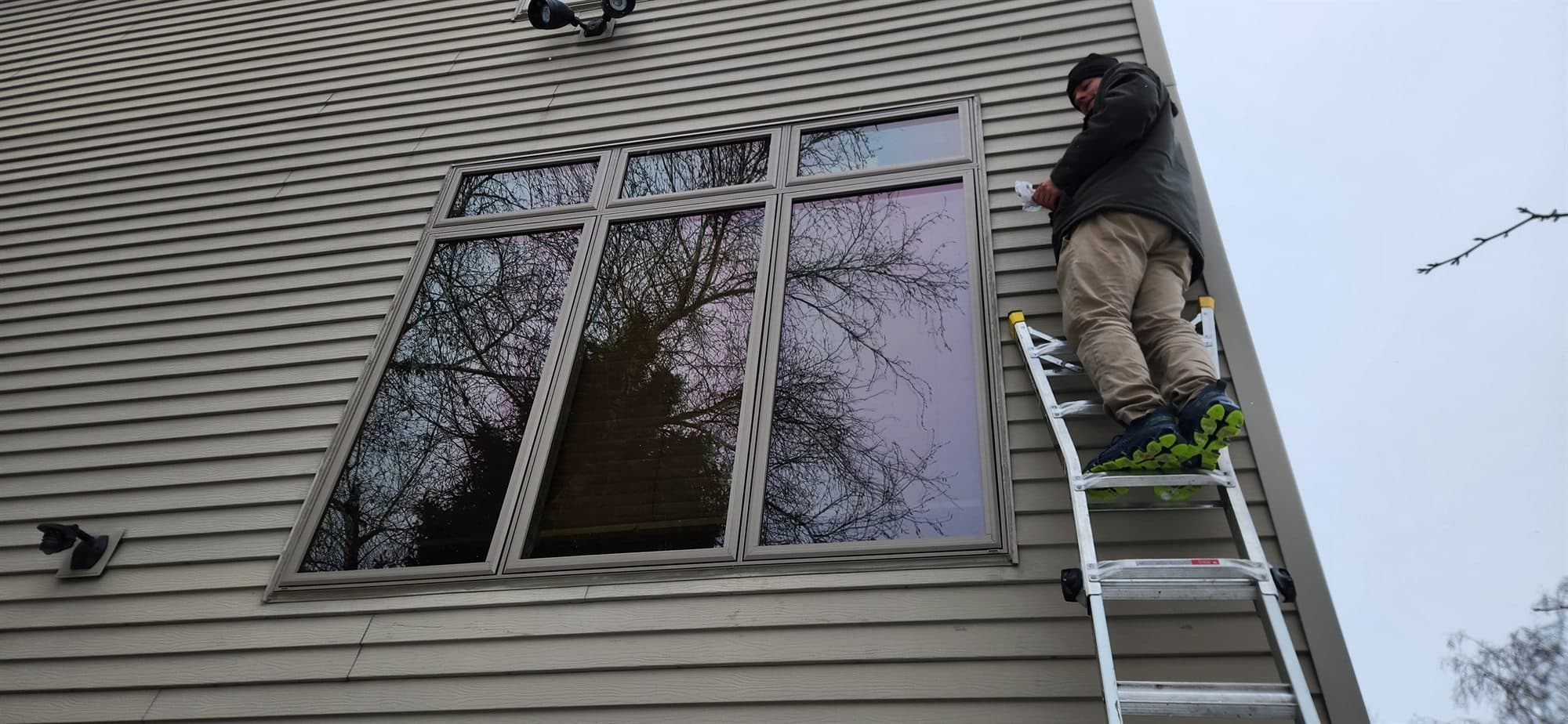
Openings get closed for a lot of reasons: a bathroom that is being rearranged and the window lands in the shower, a side door that opens onto nothing, a basement window replaced with a smaller egress one somewhere else, or a window in the way of a new kitchen wall. Taking the window or door out is an hour. Closing the hole so it never leaks and never shows is the job.
From the outside the order is framing, sheathing, wrap, siding. Studs go in the opening on the same spacing as the wall with a plate at the bottom, the sheathing is cut to fit and fastened to the new framing and the old, and the house wrap is lapped over the patch from above and taped at every edge so water drains out and never in. The cavity gets insulation to match the wall before the sheathing closes it. Only then does siding go on.
The siding is what everyone sees, so it cannot look like a patch. On vinyl that means taking panels out to a corner or a seam and running full panels across the old opening. On lap siding it means staggering the new joints so no two land on top of each other and the new boards run into the old courses. Matching the color and the weathering is the honest limit on any siding, so we tell you from the photos whether the patch will disappear or just be close.
What you supply
- Photos: the window or door from outside with the whole wall in frame, one from inside, and a close-up of the siding profile
- Whether the inside gets drywalled by us on the same visit or is being handled by another trade
- Any leftover siding in the garage; it is the perfect match
- Paint color code for painted siding, or we match it from a sample; painting is quoted as a separate line
What JMB supplies
- Removal of the window or door, jamb, trim and flashing
- Studs and a sill plate in the opening, matched to the wall framing
- Sheathing cut to the opening and fastened to new and old framing
- House wrap lapped from above and taped at every edge, tied into the existing wrap
- Insulation in the cavity to match the wall, with a vapor retarder on the warm side
- Siding woven into the existing courses: vinyl unlocked to a seam, lap siding with staggered joints, stucco patched with lath
- Drywall, tape, texture and base trim on the inside when you want it on the same job
- Painting of the repaired area on painted siding, quoted as its own line
- Photos of the framing and wrap before the siding goes on, in your job folder
How it is priced: per opening
Quoted in writing from your photos within one business day. What moves the number:
- Size of the opening: a basement window vs. a patio door
- Siding type: vinyl and lap siding weave in; stucco is a patch with lath and texture
- Whether the profile and color are still made, or panels have to be moved from a hidden wall
- Closing the inside with drywall and texture on the same job
- Rot at the old opening's sill or framing found when the unit comes out
- Second-story openings that need staging
- Repainting the patched area on painted siding
A photo of the whole wall tells us where the nearest corner or seam is, which decides how much siding has to come off to hide the patch. Send that one and the quote is firm.
How long it takes
A basement or bathroom window: one day outside, plus a second visit for drywall and texture inside. A door opening in lap siding with paint: two days plus drying time.
How your project works
- 1
Send photos, get a written quote
Send three photos of the space and a sentence about what you want. You get a clear, itemized quote within one business day. We only come out to measure first when the job needs a tape measure — no pressure, no games.
- 2
Pick materials, or bring your own
We help you choose profiles and materials that fit the house and the budget, or match your existing millwork exactly — or you buy the door or trim yourself and we install it. Everything is confirmed before the crew is scheduled.
- 3
Clean, precise installation
The crew shows up on time, protects floors and furniture, and installs with tight joints and consistent reveals. Photos of the finished work go in your job folder.
- 4
Walkthrough and invoice
We walk the finished work with you. If anything is not right, we fix it before we call the job done. Then one invoice, paid by check or direct deposit — no card fees, no payment links.
Situations and options
Vinyl siding
Panels are unlocked with a zip tool back to the nearest corner or seam and full-length panels run across the closed opening, so there is no butt joint where the window was. A discontinued profile means moving originals from a hidden wall.
Lap siding: LP, cedar or fiber cement
New boards are cut in with the joints staggered across several courses so the patch has no outline. Cut ends are sealed or primed, the boards are gapped and flashed at the joints, and the area is painted to blend, quoted as its own line.
Stucco
The opening is sheathed and wrapped, lath is tied to the old, and a scratch, brown and finish coat are floated in and textured to match. A stucco patch is visible up close until it is painted; a dashed or heavy texture blends best.
Outside and inside on one job
We close the wall from both sides: framing, wrap and siding outside; insulation, drywall, tape, matched texture and baseboard inside. One quote, one crew, and the room is ready for paint when we leave.
Siding Patch After Window or Door Removal — Close In the Opening: questions, answered
Will you be able to see where the window was from outside?
On vinyl or steel siding, usually not: we run full panels across the closed opening from a corner or seam so there is no patch outline. On lap siding the joints are staggered and the area is repainted, and it blends unless the old paint has chalked. On stucco the texture is matched and the wall is painted, and the patch is invisible from the yard and close to it up near the wall. Faded siding is the limit, and we say so from the photos.
Can you close in a window opening and drywall the inside too?
Yes. The inside of the opening gets insulation, a vapor retarder, drywall, tape and a matched texture, and the baseboard runs through, on the same job as the siding. It is one quote per opening for both sides. If a remodeler is handling the inside, we close the outside and leave the cavity insulated and ready for their drywall.
Do you insulate the wall where the window was removed?
Yes, before the sheathing closes it. The new stud cavity gets batt insulation to match the rest of the wall and a vapor retarder on the warm side, so the closed opening is not a cold spot that sweats in January. On a basement block wall the opening is filled with block or framed and foamed to match what the rest of the wall has.
How do you keep the patched area from leaking?
The house wrap is the answer, not the siding. New wrap over the patch is tucked under the wrap above it and lapped over the wrap below, then taped at every edge, so any water that gets past the siding drains down and out. The sheathing joint is taped as well. We photograph the wrap before the siding covers it so you can see it was done.
Can you remove an exterior door and side over it?
Yes. The door and jamb come out, the threshold and any rot at the sill are dealt with, the opening is framed with studs and a bottom plate, sheathed, wrapped and insulated, and the siding is woven across it. Because the opening runs to the floor the bottom course of siding has to be matched carefully at the foundation. A door opening is priced the same way as a window, per opening.
Does closing a window opening need a permit?
It depends on the city and on what the window did. Removing a bedroom window can remove the room's egress, which is not allowed, and some cities want a permit for any change to the exterior wall. We tell you if the window you want gone is the egress for that room, and we pull a permit when the city requires one.
Recent JMB work, from our job log
59 installs recorded across 30 Twin Cities communities since Dec 2025. Window and door installs for homeowners and for the builders and dealers we sub for. Counts come straight from our job log; no customer names.
Get a written quote for this job
Three photos and a sentence is enough. You hear back within one business day. Or text the photos to 763-204-2099.
Related jobs we do
Remove a Door and Close the Wall — Fill In a Doorway
A second door into the bedroom nobody uses, a doorway that eats the only wall the couch fits on, an old closet door after the closet moved. We take the door out and make the wall whole.
Read moreVinyl Siding Panel Repair — Replace Cracked or Torn Vinyl Panels
A mower rock, a hailstorm or a windy night cracked or tore a few panels and the rest of the wall is fine. We replace just those panels, matched as close as the product allows, and fix the wrap behind them.
Read moreCedar Siding Repair — Rotted Lap and Shake Boards Replaced
Cedar that has gone soft at the bottom courses, split at the nails or been drilled by woodpeckers — replaced board by board, flashed right and primed, so the house stays cedar.
Read moreSiding Repair — Storm, Hail and Woodpecker Damage
Wind took a run of siding off the gable, hail cracked the west wall, or a woodpecker found the LP — we repair the section, fix what is under it, and match it as close as the product allows.
Read moreEgress Window Trim — Finish the Inside of an Egress Window
The well is dug, the concrete is cut, the window is in. Inside, you have a foot-deep hole with foam and bare lumber. We finish it so it looks like part of the room.
Read moreBoard and Batten Siding Installation — Gable Accents and Whole Walls
The gables in board and batten and the rest in lap, or the whole house vertical: we lay out the battens so they land square at the corners and flash the panel joints so the look holds up to Minnesota weather.
Read morePage reviewed September 26, 2026 · JMB Builders LLC, MN license BC809005 · All siding pages
Where we work
Siding near you
Based in Zimmerman, scheduling across the Twin Cities metro. Closest first: