
What Size Hail Damages Windows and Doors? Quarter to Baseball
Send the hail size you saw (or the date) and three photos of the storm side.
Reply within one business day. Or call / text 763-250-3621.
No hail size by itself decides what size hail damages windows and doors. The National Weather Service rates hail against objects: a quarter is 1 inch, a golf ball 1.75 inches, a hen egg 2 inches. Measure a stone with a ruler and photograph it. Wind, the storm side, and the age and material of the window count as much as size. JMB Builders checks screens, capping, sash corners, glass and door skins, opening by opening, priced per opening.
- Priced per opening
- Screens, capping, sash, glass and door skins checked
- MN Lic. BC809005
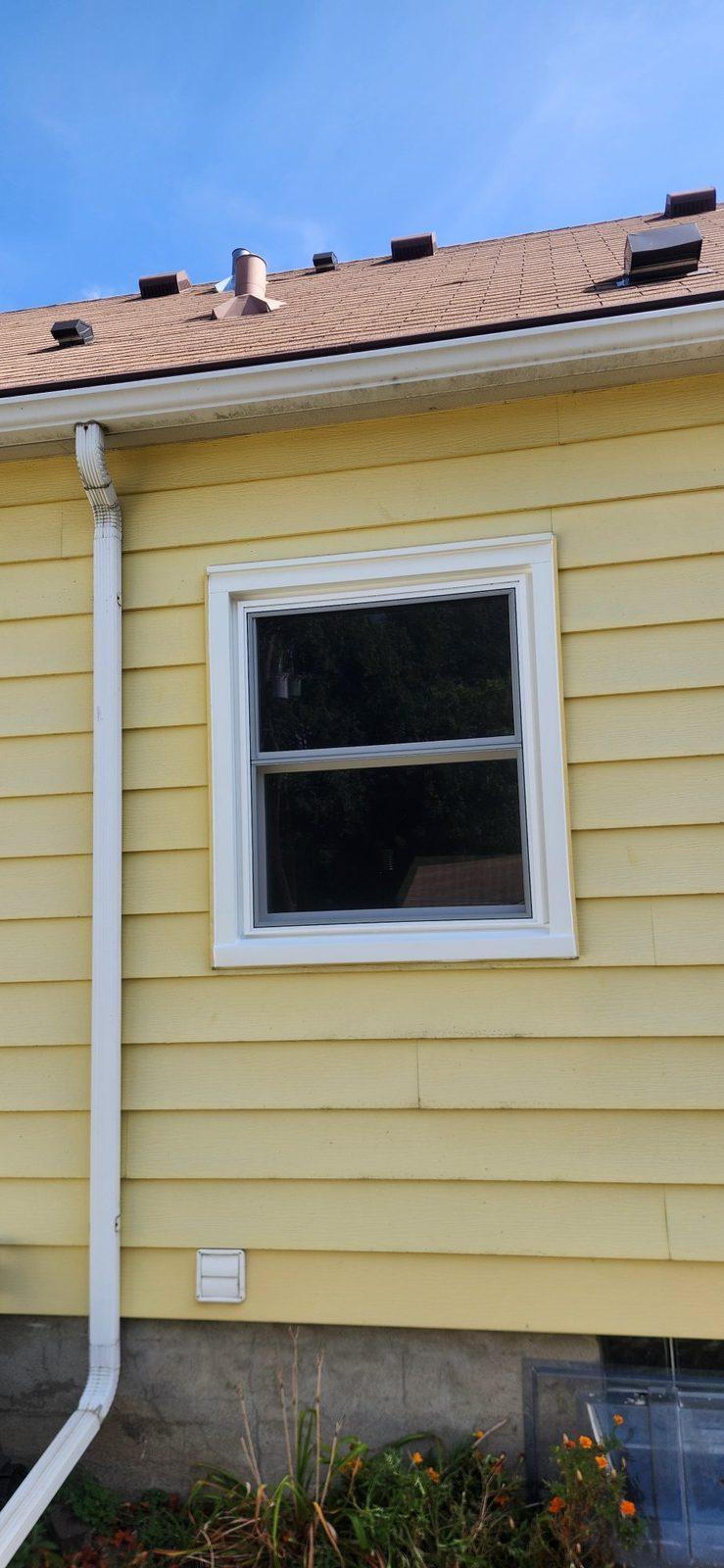
People ask us what size hail breaks a window. There is no clean answer, and anyone who gives you one number is guessing. The National Weather Service rates hail against objects: a quarter is 1 inch, a golf ball 1.75 inches, a hen egg 2 inches. Measure a stone with a ruler and photograph it. The size is where the story starts, not where it ends.
Hail size alone does not decide damage. Wind pushes hail sideways, so the wall that faced the storm takes hits the other walls never see. An old aluminum storm window, a vinyl sash with a brittle corner and a newer steel door all take the same stone differently. Eaves shade the top of a window; a window low on a gable or a walkout wall is wide open. Two houses on the same block can come out of one storm with different damage.
So we do not tell you what a size did. We go to the storm side and look. Screens first, because they show hits that the frame may not. Then the aluminum capping on the trim and sills, the corners of each vinyl sash, the glass and the glass edge, and the skins on steel and fiberglass doors. We photograph each opening with a scale reference and write down what we find, wall by wall.
Then the paperwork. We inspect the windows and doors, photograph and document the damage, write an itemized estimate, and can be there when the adjuster looks at the house. We are a contractor, not a public adjuster. We do not read your policy for you, tell you what it covers, or negotiate your claim. Ask your agent, your adjuster or an attorney.
Send what you have: photos, the adjuster's estimate, your storm date
Send the hail size you saw (or the date) and three photos of the storm side: the whole wall, one window up close, the door. We reply within one business day. Or book a free in-home estimate.
We never pay, waive or rebate a deductible — Minnesota law forbids it.
What you supply
- The storm date, and the hail size you saw if you measured a stone
- A photo of a hailstone next to a ruler or a coin, if you have one
- Photos of the storm side: the whole wall, each window, each door
- The claim number and the adjuster's scope if you already filed
- Access to every wall, inside and out, and to the screens
What JMB supplies
- A walk of every wall, starting with the side that faced the storm
- A check of screens, capping, sash corners, glass, glass edges and door skins at each opening
- Photos of each opening with a scale reference, sorted by wall
- Notes that say which openings show hail marks and which do not
- An itemized estimate, opening by opening: the unit, the labor, the trim
- Being there when the adjuster looks at the house, when you want us there
How it is priced: per opening
Quoted in writing from your photos, with a reply within one business day. What moves the number:
- How many openings on the storm side show marks, and how many on the other walls
- Screen only, capping only, sash, glass unit, or the whole window or door
- Window and door material: aluminum, vinyl, wood with cladding, steel or fiberglass
- Whether the maker still makes a matching sash, screen or door slab
- Second-story and walkout openings that need ladders or staging
- Trim and capping that has to be bent new to match the rest of the wall
Send the hail size you saw (or the date) and three photos of the storm side: the whole wall, one window up close, the door. We reply within one business day. Or book a free in-home estimate.
How long it takes
The inspection and photos take an hour or two for most houses. Repairs wait on parts: screens and capping go fast, made-to-order windows and doors take longer.
How your project works
- 1
Send photos, get a written quote
Send three photos of the space and a sentence about what you want. You get a clear, itemized reply within one business day. Prefer a look in person? A free in-home estimate is always an option.
- 2
Pick materials, or bring your own
We help you choose profiles and materials that fit the house and the budget, or match your existing millwork exactly — or you buy the door or trim yourself and we install it. Everything is confirmed before the crew is scheduled.
- 3
Clean, precise installation
The crew shows up on time, protects floors and furniture, and installs with tight joints and consistent reveals. Photos of the finished work go in your job folder.
- 4
Walkthrough and invoice
We walk the finished work with you. If anything is not right, we fix it before we call the job done. Then one invoice, paid by check or direct deposit — no card fees, no payment links.
Situations and options
Hail smaller than a penny
Pea- and marble-size hail. The Storm Prediction Center table starts at marble size, half an inch. At this size we look hardest at screens: small dents, stretched mesh, bent screen frames. We still walk the storm side and check capping and glass, because wind can drive small stones hard.
Quarter size (1 inch)
We check screens for holes and stretched mesh, aluminum capping on trim and sills for round dents, and vinyl sash corners for cracks. We look at the glass edge and the door skins on the storm side. Many walls show marks at this size and many do not.
Golf ball size (1.75 inches)
Same checklist, and we look closer. Capping dents, split vinyl sash corners and sills, chipped or cracked glass, dented steel door skins and marked fiberglass doors. We open each sash and check the weatherstrip and the balance, and we compare the storm side with the other walls.
Hen egg size (2 inches)
We expect to find marks and look for all of them: every screen, every piece of capping, each sash corner, the glass, and both faces of each door. We photograph the gutters, siding and roof edge on the same side, because the adjuster reads the whole wall together.
Tennis ball and baseball (2.5 to 2.75 inches)
The Storm Prediction Center lists a tennis ball at 2.5 inches and a baseball at 2.75 inches. We check every opening on every wall, inside and out, and look for broken glass, cracked frames and dented door slabs. Broken glass is photographed before anything is covered.
Wind-driven hail and the storm side
Wind pushes hail at an angle. The wall that faced the storm takes the hits; the other walls may be clean. We start on the storm side and photograph the clean walls too, so the notes show where the damage is and where it is not.
What you do, what we do on a claim
You file the claim and talk to your insurer. We are a contractor, not a public adjuster, and we do not interpret coverage.
Who does what on a claimWe photograph every opening and write a line-item estimate.
How we document each windowWe can be there when the adjuster visits, if you want us there.
What happens at the adjuster visitMinnesota law does not let a contractor pay, waive or rebate your insurance deductible, or promise to. We will not, and the deductible is yours to pay.
The deductible rule in plain wordsLicensed Minnesota residential building contractor BC809005, Zimmerman.
Look up the license
What Size Hail Damages Windows and Doors? Quarter to Baseball: questions, answered
Can quarter-size hail damage windows?
It can, and often it does not. The National Weather Service rates hail against objects: a quarter is 1 inch, a golf ball 1.75 inches, a hen egg 2 inches. Measure a stone with a ruler and photograph it. At quarter size we look at screens, the aluminum capping on trim and sills, vinyl sash corners and the glass edge on the side that faced the storm. Wind, the age of the window and what it is made of matter as much as the size. The only way to know is to look at each opening.
Does hail size alone decide if windows are damaged?
No. Hail size alone does not decide damage: wind, the storm side, and the age and material of the window all count. Wind drives hail into one wall and leaves the others alone. An old aluminum storm window, a vinyl sash with a brittle corner and a wood window with clad sills each take the same stone differently. Eaves and porches shade some openings. Two houses on one street can come out of the same storm with different damage. We check each opening and write down what we find.
Why is one side of the house damaged and not the others?
Hail rarely falls straight down. Wind pushes it at an angle, so the wall that faced the storm takes the hits and the walls on the far side may be clean. That is normal, and it is useful: marks on one side and clean walls on the others point to a storm, not to wear. We photograph the storm side opening by opening and photograph the clean walls too. Note which way the storm came from if you saw it, and the date.
Can small hail damage window screens?
Yes, screens are often the first thing to show it. Screen mesh is thin, and small hail can dent it, stretch it or punch through, and bend a light aluminum screen frame. Hail smaller than a penny may leave nothing on the glass or the frame and still mark the screens on the storm side. Leave the damaged screens in place until they are photographed. Take a close photo of the mesh against the light and a wider one showing which window it came from.
How do I find the hail size reported near me?
Search the NCEI Storm Events Database from NOAA. Pick Minnesota, the event type Hail, your county and the date, and it lists the hail reports with their size and place. For example: On June 19, 2026, hail of about 2 inches was reported in St. Paul, Roseville and Falcon Heights, 1.75 inches in North St. Paul and Little Canada, and 1 to 1.25 inches in Columbia Heights and Fridley, as reported to the National Weather Service. Write down the date and size for your claim.
What should I photograph after large hail?
Start with a hailstone next to a ruler or a coin, if you can get one before it melts. Then the storm side: the whole wall, then each window and door up close. Get the screens, the aluminum capping on trim and sills, the corners of each sash, the glass and the glass edge, and both faces of each door. Add the gutters and siding on the same wall. Photograph the other walls too, clean or not. Write the date on everything.
Recent JMB work, from our job log
59 installs recorded across 30 Twin Cities communities since Dec 2025. Window and door installs for homeowners and the builders we work with. Counts come straight from our job log; no customer names.
Related jobs we do
Hail Damage Window Replacement — Cracked Glass, Sashes and Frames
Hail left star cracks in the glass, dents in the sill and a sash that will not close tight. Here is how each one gets fixed, and what goes on the list for your adjuster.
Read moreHail Damaged Window Screens — Count Them, Replace With the Window
Hail shredded the screens on the storm side and dented a few frames. Before anything gets fixed, every screen gets counted, sized and photographed so none is left off the claim.
Read moreHail-Dented Window Capping Claim — Re-Wrap the Trim or Leave It
Every window on the west side has capping that looks like a golf ball. The windows themselves are fine. Whether that is a re-wrap or a shrug depends on where the dents are and what is under them.
Read moreDate of Loss for Hail Claim on Windows — Pinning the Storm
Two hailstorms came through this summer and you did not check the windows until fall. Now the claim wants a date of loss, or the adjuster says the dents are old. Here is how the date gets pinned down.
Read moreHail Pitted Window Glass — Pits, Chips and Bruises Without a Crack
No cracks, but when the low sun hits the west windows you can see dozens of little dings in the glass that were not there before the storm.
Read moreDocument Hail Damage on Every Window — An Opening-by-Opening Log
Twenty-six windows, four doors, a patio slider and screens in the garage. The storm hit all of it, and the claim needs to say exactly which ones and how.
Read morePage reviewed November 22, 2026 · JMB Builders LLC, MN license BC809005 · All insurance repairs pages
Where we work
Insurance & Storm Damage Repairs near you
Based in Zimmerman, scheduling across the Twin Cities metro. A few of the towns we cover: