
Actual Cash Value vs Replacement Cost — Why the First Check Is Less
The adjuster's estimate says one number, the check that came says a smaller one, and the letter mentions depreciation. Nothing is wrong. Here is what the numbers are and what has to happen for the rest to arrive.
Actual cash value vs replacement cost is why the first insurance check is less than the adjuster's estimate. Replacement cost is what it takes to put the item back new. Actual cash value is that number minus depreciation for age and wear. On a replacement-cost policy the insurer pays actual cash value first and releases the depreciation after the work is done and invoiced. JMB Builders writes the scope and the final invoice that release it.
- RCV minus depreciation equals the first check
- Depreciation released against a final invoice
- Scope and invoice written line by line to the adjuster's
- Send photos, reply within one business day
- Licensed MN contractor BC809005
Send photos and hear back within one business day — or book a free in-home estimate.
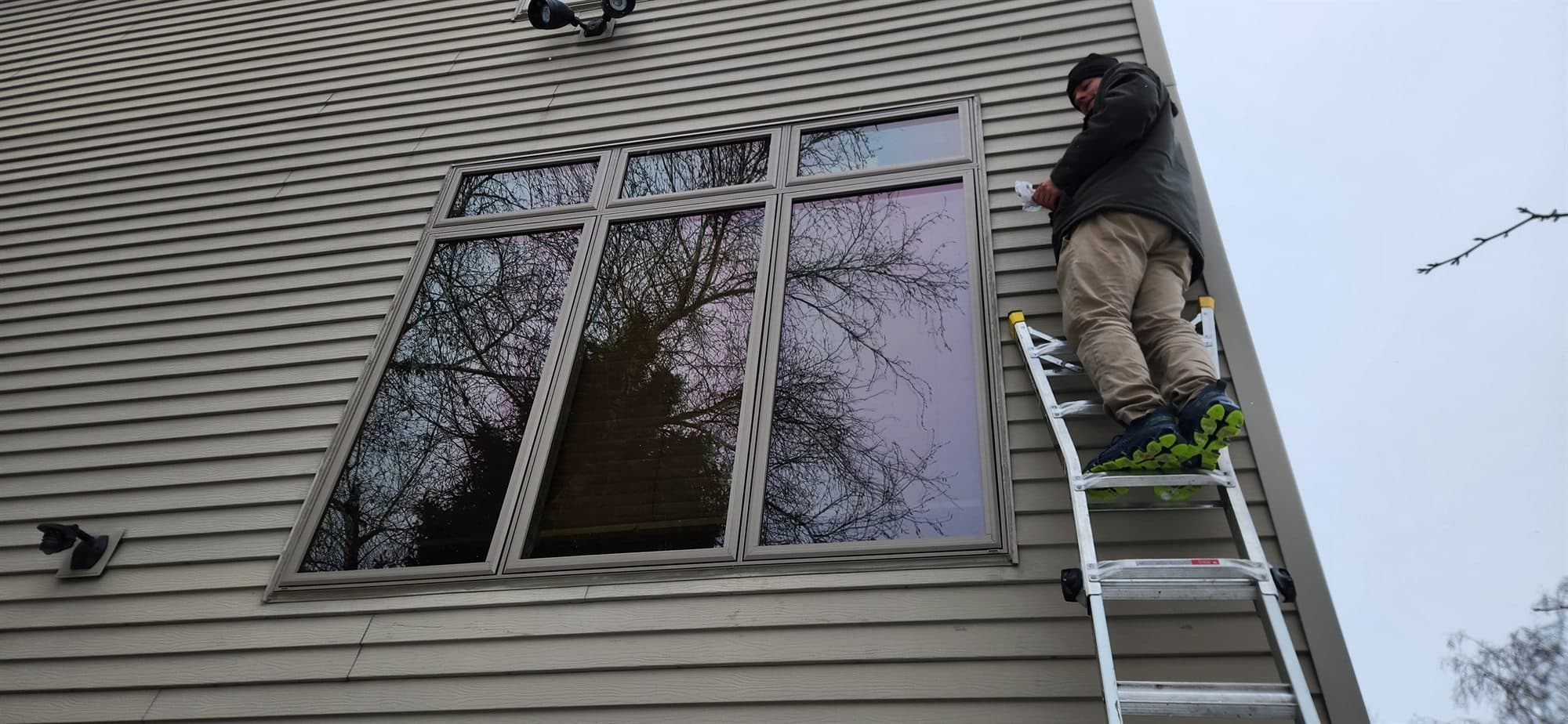
An adjuster's estimate for storm damage has a line for every item, and each line has a replacement cost: what it takes today to put that item back new, material and labor. That total is the replacement cost value, RCV. From it the insurer subtracts your deductible, and then subtracts depreciation, which is a percentage off each item for its age and condition. A fifteen-year-old roof depreciates more than a two-year-old window. What is left is the actual cash value, ACV, and that is the first check.
On a replacement-cost policy the depreciation is recoverable. The insurer holds it back until the work is actually done, then releases it when you send proof: a final invoice from the contractor that matches the scope, often with photos and sometimes a completion form. That is the second check. On an actual-cash-value policy, there is no second check; the depreciation is not recoverable and what you got is what the claim pays. Which policy you have is on your declarations page, and if you are not sure, ask your agent.
Our part is the paperwork that makes the second check easy. The scope we write before the work matches the adjuster's line by line, so there is nothing to argue about later. The final invoice matches the scope line by line, with the before-and-after photos, and if items were added by supplement, those lines are on it too. You send it to your insurer; the release is between you and them. We do not promise what they will pay or when, and we never touch your deductible, which Minnesota law does not allow a contractor to waive or pay.
What you supply
- The adjuster's estimate, which shows RCV, depreciation, deductible and ACV per line or in the summary
- Your declarations page or a word from your agent on whether the policy is replacement cost or actual cash value
- Your claim number and the adjuster's contact, so the final invoice goes to the right place
- Your choice of what gets done now and whether any items are upgraded, since upgrades are paid directly
What JMB supplies
- A scope written line by line against the adjuster's estimate before the work starts, with any missed items noted for a supplement
- The repair, done to the approved scope and photographed before and after
- A final invoice that matches the scope line by line, with supplement lines added, so depreciation can be released
- A completion letter or the insurer's completion form filled in, when they ask for one
- Upgrades shown as their own lines paid directly, kept separate from the claim lines
- Photos in your job folder for the file, and a copy of everything we sent
How it is priced: per project
Quoted in writing from your photos, with a reply within one business day. What moves the number:
- The approved scope: what is on it and what was added by supplement
- Items you choose to upgrade beyond like-kind, which are paid directly as the difference
- Items you choose not to repair, which do not get their depreciation released
- Whether the work is phased, since each phase can be invoiced and released separately on some policies
- Trades on the claim and their timing: roof, siding, windows, interior
Send the adjuster's estimate and photos of the damage. We reply within one business day with whether the scope reads complete and what to ask your agent about depreciation on your policy.
How long it takes
The scope is written before the work starts. The final invoice goes to you the day the work is done. How long the insurer takes to release depreciation is theirs; ask your adjuster when you send the invoice.
How your project works
- 1
Send photos, get a written quote
Send three photos of the space and a sentence about what you want. You get a clear, itemized reply within one business day. Prefer a look in person? A free in-home estimate is always an option.
- 2
Pick materials, or bring your own
We help you choose profiles and materials that fit the house and the budget, or match your existing millwork exactly — or you buy the door or trim yourself and we install it. Everything is confirmed before the crew is scheduled.
- 3
Clean, precise installation
The crew shows up on time, protects floors and furniture, and installs with tight joints and consistent reveals. Photos of the finished work go in your job folder.
- 4
Walkthrough and invoice
We walk the finished work with you. If anything is not right, we fix it before we call the job done. Then one invoice, paid by check or direct deposit — no card fees, no payment links.
Situations and options
Replacement-cost policy, full scope
You do everything on the adjuster's estimate. The first check is ACV less your deductible; the final invoice releases the depreciation. The out-of-pocket is your deductible and any upgrades you chose.
Replacement-cost policy, partial scope
You do the roof and the windows and skip the fence. Depreciation on the items done is released against the invoice; depreciation on the items skipped usually is not. We invoice only what was done, line by line, so the release is clean.
Actual-cash-value policy
The first check is the only check. We write the scope so you can see what the ACV covers and what the gap to a full repair is, and you choose what to do with the difference paid directly. Ask your agent whether the policy can be changed for next time.
Supplement before the final invoice
The adjuster missed items. The supplement is approved first, then those lines carry their own RCV and depreciation, and the final invoice includes them so the full depreciation is released at once rather than in pieces.
Actual Cash Value vs Replacement Cost — Why the First Check Is Less: questions, answered
Why is my insurance check smaller than the adjuster's estimate?
Because the first check is actual cash value: the replacement cost on the estimate, minus your deductible, minus depreciation for the age and condition of what was damaged. On a replacement-cost policy that depreciation is recoverable and comes as a second check after the work is done and invoiced. On an actual-cash-value policy it is not. The estimate shows which it is in the summary; your agent can confirm.
What is recoverable depreciation and how do I get it?
It is the part of the replacement cost the insurer holds back until the repair is actually done. To release it you send proof the work was completed, usually the contractor's final invoice matching the scope, sometimes photos and a completion form. We write the invoice to match the adjuster's lines so it goes through without questions. The release itself is between you and your insurer.
Do I have to use the whole insurance check on the repair?
On a replacement-cost policy, the depreciation is only released for work that was done, so the items you skip stay at actual cash value. Whether you may keep ACV money for items you do not repair depends on your policy and your mortgage company, which often has to endorse the check; ask your agent. We invoice only what we did, so the file matches reality.
What does the contractor send to release depreciation?
A final invoice that matches the adjuster's scope line by line, including any supplement lines, with the before-and-after photos, and a completion letter or the insurer's own form if they ask. That is what JMB Builders sends you when the work is finished. You forward it; some insurers want it from you, not from us.
Does the deductible come out of the first check or the second?
The first. The insurer subtracts the deductible and the depreciation from the replacement cost to get the first check, so the deductible is your out-of-pocket at the start of the job. The second check is the depreciation only. Minnesota law does not allow a contractor to waive, rebate or pay the deductible, so plan on paying it by check or direct deposit.
Can I upgrade the materials and still collect the depreciation?
Usually, on the part that matches the scope. The claim pays for a replacement in kind; the upgrade is the difference, which you pay directly. We put the upgrade on its own line on the final invoice so the claim lines match the scope and the depreciation on them is released. Ask your agent how your insurer wants upgrades shown before the invoice goes in.
Recent JMB work, from our job log
59 installs recorded across 30 Twin Cities communities since Dec 2025. Window and door installs for homeowners, builders and dealers. Counts come straight from our job log; no customer names.
Get a written quote for this job
Three photos and a sentence is enough: a reply within one business day, or ask for a free in-home estimate. Or text the photos to 763-204-2099.
Related jobs we do
Contractor Estimate for Window Insurance Claim, Line by Line
The adjuster is coming Thursday and you want something on paper that lists every window and door the storm hit. This is what that estimate should look like and what goes in it.
Read moreInsurance Adjuster Missed Window Damage — Asking for a Supplement
The check came and the scope lists three windows, but six screens are torn and a sash on the back is cracked. Here is how the missing items get documented and back in front of your insurer.
Read moreStorm Damage Repair Under Your Deductible — Paid Direct, No Claim
Two cracked panes, a torn screen, a bent piece of fascia and a few chipped siding panels. Enough to fix, not enough to file. We quote it so you can see where it lands against your deductible and decide.
Read moreStorm Chaser vs Local Contractor — How to Vet One in Minnesota
The morning after the hail there are trucks on every block and a card in your door. Some of them are good. Here is how to tell, without taking anyone's word for it, including ours.
Read moreHail Damage Roof Inspection and Insurance Claim Repair
After a hailstorm the question is simple: is there real damage, and is it enough to matter? We look, we document, and we tell you straight before anyone calls your insurance company.
Read moreAdjuster Says Hail Damage to Windows Is Cosmetic — What to Photograph
The adjuster walked around, saw dents and chips, and called it cosmetic. Before you accept that, check each window for damage that affects how it works.
Read morePage reviewed October 1, 2026 · JMB Builders LLC, MN license BC809005 · All insurance repairs pages
Where we work
Insurance repairs near you
Based in Zimmerman, scheduling across the Twin Cities metro. Closest first: