
Plaster Wall Repair — Cracks, Loose Plaster and Lath Patched to Match
A pre-1950s house with cracks that come back every spring, a ceiling that sags or a bulge that moves when you press it — plaster repairs done so they hold instead of reopening.
JMB Builders does plaster wall repair in older homes across the Twin Cities metro. Cracks are opened, bridged with mesh and filled with setting compound; loose plaster is pulled back tight to the lath with plaster washers; sections that have let go are cut out and replaced with drywall shimmed flush, then skimmed to match. Priced per unit, one price per repair, quoted from your photos within one business day.
- Priced per unit, one price per repair
- Plaster washers, mesh and setting compound, not spackle
- Failed sections replaced with drywall shimmed flush
- Quote from photos in 1 business day
- Licensed MN contractor BC809005
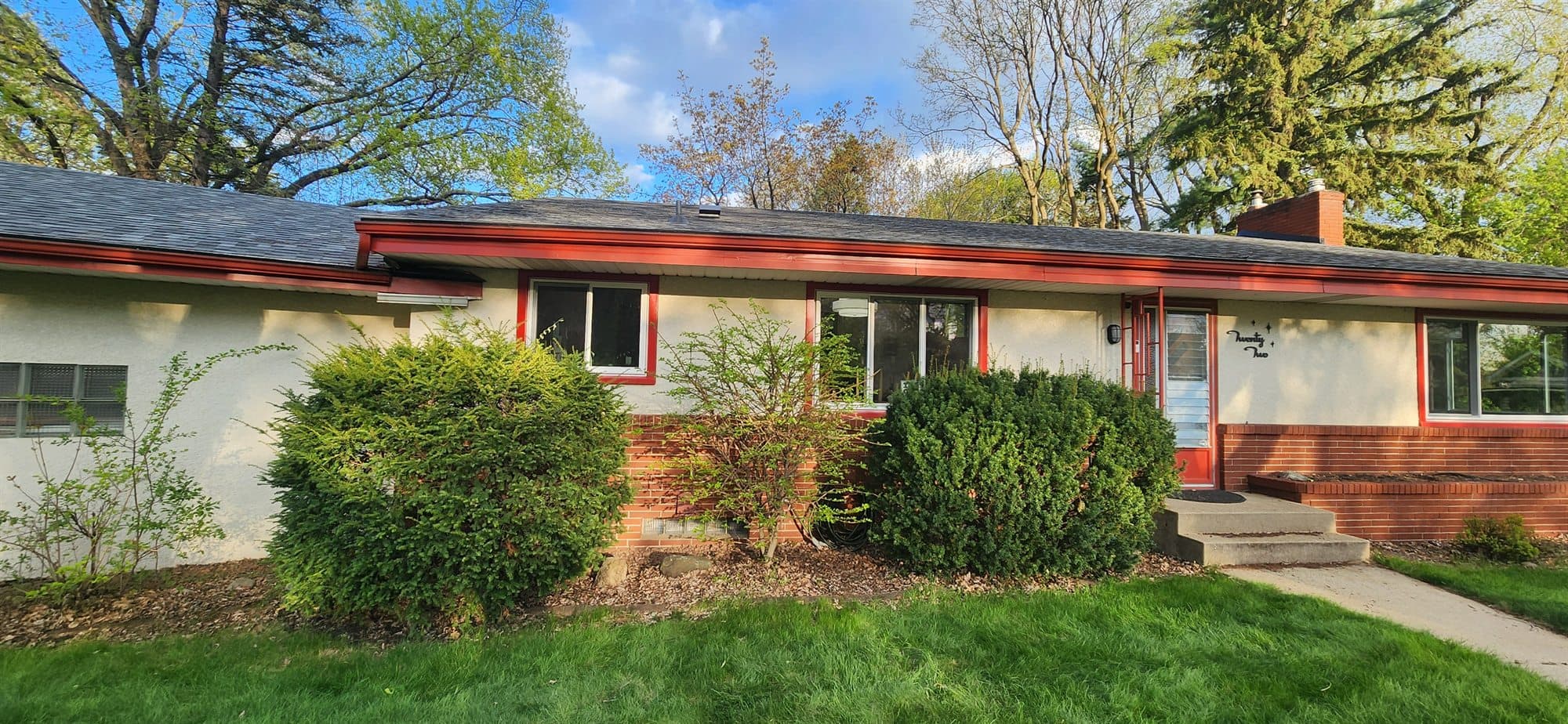
Most houses in Minneapolis, St. Paul and the first-ring suburbs built before the 1950s have plaster on wood lath, and the later ones have plaster over gypsum board. Plaster cracks because the house moves and the plaster does not. Filling the crack with spackle and painting it is why the same crack is back a year later. The repair has to bridge the crack, and if the plaster has pulled away from the lath behind it, the repair has to pull it back first.
We use the same three fixes every time. Cracks get raked out, taped with mesh and filled with a setting-type compound that does not shrink. Loose or bulging plaster gets screwed back to the lath with plaster washers, then the washers are skimmed over. Plaster that has failed outright, usually on a ceiling or under a window, gets cut out to sound edges and replaced with drywall shimmed out to the plaster thickness. Everything is skimmed and sanded so the wall reads as one surface, ready for paint.
What you supply
- Furniture moved off the wall or the ceiling area, or tell us and we cover and move it
- Your paint, or a chip of the wall color, if you want us to paint the repair — painting is quoted as a separate line, or paint it yourself
- A word on whether the crack has been patched before and how long ago it came back
What JMB supplies
- Plastic and drop cloths, and the room's registers taped off
- Plaster washers and screws to pull loose plaster back to the lath
- Fiberglass mesh and setting-type compound on every crack
- Drywall cut to fit and shimmed flush where a section of plaster is gone
- Lath replaced or a drywall backer added where the lath has rotted or split
- Skim coat, sanded, and a texture match where the wall or ceiling has one
- Primer on the repair so paint takes evenly
- Painting of the wall or ceiling when you want it, as its own line
- Photos of the finished repair in your job folder
How it is priced: per unit
Quoted in writing from your photos within one business day. What moves the number:
- A hairline crack vs. a crack with loose plaster on one or both sides
- Whether the plaster is still keyed to the lath or has let go and needs washers or replacement
- Wall vs. ceiling: ceiling work is overhead on a plank or scaffold and takes longer
- Size of any section that has to be cut out and replaced with drywall
- Lath damage behind the plaster from a leak or an old electrical job
- Textured or sand-finish plaster that has to be matched instead of a smooth skim
- Number of repairs in one visit — the second and third are always cheaper than the first
- Painting the wall or ceiling after the repair, quoted as a separate line
Send a photo of each spot from a few feet back and one close-up, and press on the wall next to the crack: tell us if it gives. That one detail changes the repair.
How long it takes
Several cracks in one room: one day plus a return visit for the final coat and sanding. A ceiling section replaced with drywall: two visits over three or four days for the coats to cure.
How your project works
- 1
Send photos, get a written quote
Send three photos of the space and a sentence about what you want. You get a clear, itemized quote within one business day. We only come out to measure first when the job needs a tape measure — no pressure, no games.
- 2
Pick materials, or bring your own
We help you choose profiles and materials that fit the house and the budget, or match your existing millwork exactly — or you buy the door or trim yourself and we install it. Everything is confirmed before the crew is scheduled.
- 3
Clean, precise installation
The crew shows up on time, protects floors and furniture, and installs with tight joints and consistent reveals. Photos of the finished work go in your job folder.
- 4
Walkthrough and invoice
We walk the finished work with you. If anything is not right, we fix it before we call the job done. Then one invoice, paid by check or direct deposit — no card fees, no payment links.
Situations and options
Cracks that keep coming back
Raked out to a V, bridged with mesh tape and filled with setting compound in two coats, then skimmed wide so the repair does not show as a ridge. Corner and ceiling-line cracks get the same treatment.
Loose or bulging plaster
The plaster keys have broken off the lath and the wall moves when you press it. Plaster washers screwed through the plaster into the lath pull it back tight, and the washers get skimmed over.
Plaster ceiling sagging or fallen
A sagging plaster ceiling is close to coming down. We either washer it back to the lath if it is mostly sound or take the failed area down to the lath and hang drywall on it, shimmed flush with the plaster around it.
Holes from plumbing or electrical work
The hole a plumber or electrician left in the plaster gets a drywall patch shimmed to the plaster depth, taped, and skimmed to match. Lath is added behind it when the original is gone.
Plaster Wall Repair — Cracks, Loose Plaster and Lath Patched to Match: questions, answered
Why do plaster cracks keep coming back after I patch them?
Because the crack is a movement joint and spackle is not flexible or strong enough to bridge it. The house shifts a little every season and the plaster cracks at the same weak line. A repair that lasts opens the crack, bridges it with mesh tape and fills it with a setting-type compound, and if the plaster beside the crack is loose, screws it back to the lath first.
Can loose plaster be repaired or does it have to come down?
Usually it can be saved. Plaster that is loose but still in one piece gets pulled back to the lath with plaster washers, which are wide screw-in discs that spread the load. Then the washers are skimmed over. Plaster that is crumbling, soft from water, or has fallen comes down to the lath and is replaced with drywall.
Do you replace plaster with drywall or re-plaster?
For a section, we use drywall shimmed out to the plaster thickness and skim the joint so it blends. It is stronger and faster than new lime plaster and, once painted, you cannot tell. For a whole room of failed plaster, the honest answer is to take it down and drywall the room, which is a different job.
Is a sagging plaster ceiling dangerous?
It can be. Plaster is heavy, and a ceiling that sags has separated from the lath and is hanging on very little. Stay from under it, and send us a photo. If it is mostly sound it can be washered back up; if it is soft or the sag is deep it comes down in a controlled way and gets replaced with drywall.
Will the repair show through the paint?
Not if the repair is skimmed wide and feathered, primed, and the whole wall is painted. A repair on a wall with a sand or swirl texture gets that texture matched before primer. Painting only the patch will always show a little because the sheen is different, so plan on painting corner to corner.
Can old plaster contain asbestos or lead?
Plaster itself rarely does, but some old skim coats and joint materials did, and the paint on it in a pre-1978 house is often lead. We work wet and with a vacuum sander to keep dust down, and we do not sand old paint dry. If you want it tested before we start, say so and we hold off until it is.
Get a written quote for this job
Three photos and a sentence is enough. You hear back within one business day. Or text the photos to 763-204-2099.
Related jobs we do
Drywall Repair — Holes, Cracks and Doorknob Dents Patched to Match
A doorknob through the wall, a crack that keeps opening over a door, a hole where the old TV mount was — patched, textured and primed so nobody can find it after paint.
Read moreDrywall Texture Matching — Knockdown, Orange Peel and Skip Trowel
The patch is flat but you can still see it, because the texture around it is not — matched and blended by hand or hopper so the wall reads as one surface after paint.
Read moreCeiling Water Damage Repair — Stained, Sagging Drywall Replaced
A brown ring on the ceiling, a bubble of paint, or drywall sagging under the bathroom — the leak stopped, the wet board out, and a new ceiling that matches, with photos for the adjuster.
Read moreMatch Old Window Trim Profile — Historic Casing Replacement
One window in a 1920s house got new trim that matches nothing, or the old casing is gone and the lumberyard has never seen the profile. We get the profile made and put it back.
Read moreInterior Painting Contractor — Rooms and Whole-House Interiors
A bedroom that needs a color, a hallway full of nail holes, or every wall in the house before you move in — patched, primed and painted by the same crew that does the carpentry.
Read moreBasement Drywall Installation — Hung, Taped and Finished for Paint
The basement is framed, wired and insulated — now the drywall goes up, gets finished flat, and the room becomes a room, with the painting as its own line if you want it.
Read morePage reviewed September 24, 2026 · JMB Builders LLC, MN license BC809005 · All drywall pages
Where we work
Drywall near you
Based in Zimmerman, scheduling across the Twin Cities metro. Closest first: