
Woodpecker Hole Repair — Cedar, LP SmartSide and Stucco Siding
Every spring the same bird works the same corner, and the holes are into the sheathing now. We patch the siding so it does not show, find out what is drawing the bird, and put up something that sends it elsewhere.
Woodpecker hole repair in siding depends on the siding. JMB Builders patches cedar with a wood plug or a new board, LP SmartSide with a matching patch or a new lap, and stucco with a lath-backed patch textured to blend, across the Twin Cities metro. We also find why the bird picked that spot, insects or a hollow, and put up deterrents before the holes are closed. Priced per project, quoted from photos within one business day.
- Priced per project, one wall or a few holes
- Patched with matching material, not caulk
- Cause found: insects, hollow spots, drumming
- Quote from photos in 1 business day
- Licensed MN contractor BC809005
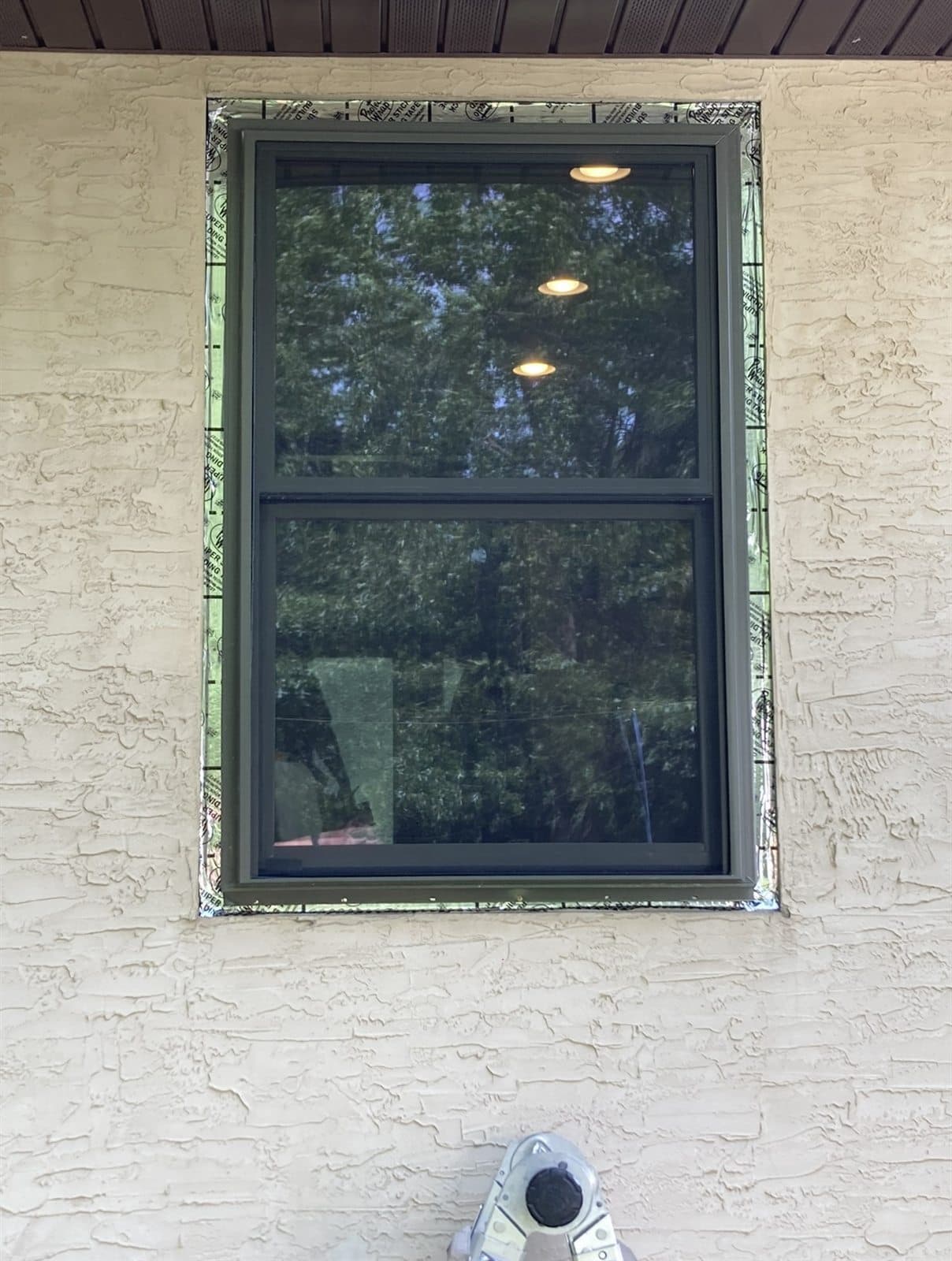
Woodpeckers hit houses for three reasons, and the holes tell you which. A cluster of small holes in a line, usually in cedar or LP, is a bird feeding on insects it can hear behind the siding: carpenter bees, ladybugs and box elder bugs overwintering in the wall, or larvae in soft wood. A patch of shallow dents on a corner board, a gutter or a hollow-sounding spot is drumming, a male announcing territory in spring, and he picks whatever is loudest. One large round hole, often high on a gable or in stucco over foam, is a nest cavity started in spring or a roost started in fall.
The repair has to match the siding. Caulk in a woodpecker hole is the wrong fix on every material: it stays soft, the bird comes back to it, and it shows. Cedar gets a tapered cedar plug glued into a drilled hole or a new board when the holes run along it. LP SmartSide gets the damaged area cut back to solid, a matching LP patch set in, edges sealed, then primed and painted. Stucco gets the loose material cut out, new lath or mesh tied to the old, a stucco patch floated and textured to match, and paint. If the sheathing or foam behind any of it is wet or chewed, that comes out first.
Woodpeckers are protected by federal law, so the tools are repair and deterrent, not removal. Deterrents that work are the ones that move or shine: reflective tape or streamers hung at the spot, a stretch of bird netting held a few inches off the wall over the favored area, and covering the holes fast so the bird does not settle in. Fixing the insect problem or the hollow that drew the bird is the deterrent that lasts.
What you supply
- Photos: the holes up close, the whole wall so we can see the siding type, and the corner or trim the bird favors
- When the pecking happens: spring, fall or all year, and roughly what time of day; it tells us why the bird is there
- Any spare siding, cedar boards or stucco color you have from the original job
- Paint color code for painted siding if you have it, or we match it from a sample; painting is quoted as a separate line
What JMB supplies
- Cedar plugs or new cedar boards for holes in cedar lap or shake siding
- Matching LP SmartSide patches or a new lap board, edges sealed and primed
- Lath or mesh and stucco patch material for stucco, textured to blend, on conventional stucco
- Replacement of wet or chewed sheathing and foam behind the holes
- A check for insects in the wall and a referral to a pest company if there is an active problem
- Reflective tape, streamers or bird netting installed over the favored area on request
- Painting of the patched area to blend, quoted as its own line
- Photos of the wall before the patch and after in your job folder
How it is priced: per project
Quoted in writing from your photos within one business day. What moves the number:
- Number of holes and how spread out they are on the wall
- Siding material: cedar plugs, LP patches or a stucco patch with lath
- How high the holes are; gable-end holes need an extension ladder or staging
- Sheathing or foam board behind the holes that is wet or chewed
- Whole boards replaced vs. plugs or patches in sound boards
- Deterrents installed on the wall after the repair
- Painting the patched area to blend with the wall
A close-up of one hole with something for scale, and a note on what month the bird shows up, is enough to quote the patch and tell you which deterrent is likely to work.
How long it takes
A few plugs in cedar: a couple of hours plus paint. A run of LP holes with a new lap board: one day plus drying time between coats. A stucco patch: two visits, one for the patch and one for texture and paint.
How your project works
- 1
Send photos, get a written quote
Send three photos of the space and a sentence about what you want. You get a clear, itemized quote within one business day. We only come out to measure first when the job needs a tape measure — no pressure, no games.
- 2
Pick materials, or bring your own
We help you choose profiles and materials that fit the house and the budget, or match your existing millwork exactly — or you buy the door or trim yourself and we install it. Everything is confirmed before the crew is scheduled.
- 3
Clean, precise installation
The crew shows up on time, protects floors and furniture, and installs with tight joints and consistent reveals. Photos of the finished work go in your job folder.
- 4
Walkthrough and invoice
We walk the finished work with you. If anything is not right, we fix it before we call the job done. Then one invoice, paid by check or direct deposit — no card fees, no payment links.
Situations and options
Cedar siding holes
Each hole is drilled clean and a tapered cedar plug is glued in and cut flush, or the board is replaced when the holes run along the lap. The plugs take stain or paint and disappear. Shakes with holes are replaced one at a time.
LP SmartSide holes
The damaged area is cut back to solid material and a patch of matching LP is fitted with the edges sealed, or the whole lap board is replaced when the holes run its length. Primed and painted to match. Wet OSB behind an open hole gets replaced first.
Stucco holes
Loose stucco is cut out around the hole, new lath or mesh is tied into the old, the patch is floated in two coats and textured to match the wall, then painted. Holes in foam-backed stucco get the foam replaced under the patch so the bird has nothing soft to return to.
Deterrents after the repair
Reflective tape or streamers at the spot, or bird netting held off the wall over the favored corner or gable, put up the same day the holes are closed so the bird finds nothing familiar when it comes back.
Woodpecker Hole Repair — Cedar, LP SmartSide and Stucco Siding: questions, answered
Why do woodpeckers keep pecking my house?
Three reasons. Feeding: the bird hears insects behind the siding, often carpenter bees, ladybugs or box elder bugs overwintering in the wall, and the holes are small and clustered. Drumming: a male in spring hammers whatever is loudest, a hollow corner board, a gutter or a metal cap, to claim territory, and leaves shallow dents. Nesting or roosting: one large round hole started in spring or fall, often high on a gable or in stucco over foam. The pattern of holes tells us which, and the fix is different for each.
Can you fill woodpecker holes with caulk or wood filler?
It is the wrong fix and it shows. Caulk stays soft, and the bird comes back to it because soft is what it was looking for. Filler shrinks and cracks outdoors. Cedar gets a glued cedar plug, LP gets a matching LP patch, stucco gets a lath-backed stucco patch, and each is painted to blend. A hole patched with the same material as the wall is the one the bird ignores.
How do you repair woodpecker holes in stucco?
We cut the loose stucco back to a sound edge, tie new lath or mesh to the old, fill the hole in two coats of stucco patch, and float or dash the top coat to match the texture on the wall. Then it is painted to blend. On stucco over foam board the bird usually went through to the foam, so the foam is replaced under the patch. That works on conventional stucco; a synthetic stucco system with a bonded finish is referred to a stucco specialist.
What keeps woodpeckers away from siding?
Things that move and shine at the spot the bird likes: reflective tape, mylar streamers or a hanging shiny object work for most drumming and feeding birds. Bird netting held a few inches off the wall over the favored area stops a bird that will not take the hint. Closing the holes the same day matters, because an open hole is an invitation. Fixing the insects in the wall is the fix that lasts. Woodpeckers are federally protected, so deterrents are the only option.
Will the woodpecker holes come back after the repair?
They come back when the reason is still there. If the bird was feeding on insects in the wall and the insects are still in the wall, the holes reappear next to the patch. If it was drumming on a hollow corner and the corner still sounds hollow, it drums again. We look for the reason before we patch, fix what we can, refer out an active insect problem, and put up deterrents. That is how the repair sticks.
Do woodpecker holes let water into the wall?
Yes, and that is the real cost. A hole through cedar or LP exposes the house wrap or OSB behind it, and a hole in stucco lets water into the foam or the sheathing. Left open for a season, the OSB swells and the wet spot draws more insects and more birds. We replace the wet sheathing or foam under the patch when we find it, and photograph it so you can see what was there.
Recent JMB work, from our job log
59 installs recorded across 30 Twin Cities communities since Dec 2025. Window and door installs for homeowners and for the builders and dealers we sub for. Counts come straight from our job log; no customer names.
Get a written quote for this job
Three photos and a sentence is enough. You hear back within one business day. Or text the photos to 763-204-2099.
Related jobs we do
Cedar Siding Repair — Rotted Lap and Shake Boards Replaced
Cedar that has gone soft at the bottom courses, split at the nails or been drilled by woodpeckers — replaced board by board, flashed right and primed, so the house stays cedar.
Read moreSiding Repair — Storm, Hail and Woodpecker Damage
Wind took a run of siding off the gable, hail cracked the west wall, or a woodpecker found the LP — we repair the section, fix what is under it, and match it as close as the product allows.
Read moreLP SmartSide Siding Installation — Engineered Wood Lap and Panel
Engineered wood siding that looks like painted cedar and takes a hailstorm, installed with the sealed cuts, joint flashing and clearances that keep it that way through Minnesota winters.
Read moreCorner Board Replacement — Rotted Exterior Corner Trim
The bottom of the corner board is soft, the paint is lifting in sheets, and the siding ends behind it are starting to go too. We replace the corner, flash it, and tie the siding back in so it stays dry.
Read moreStucco Window Trim Repair — Rotted Trim on a Stucco House
The wood trim around the windows on your stucco house is soft at the bottom and the caulk against the stucco has split. We replace the trim in PVC and seal it to the stucco the right way.
Read moreBoard and Batten Siding Installation — Gable Accents and Whole Walls
The gables in board and batten and the rest in lap, or the whole house vertical: we lay out the battens so they land square at the corners and flash the panel joints so the look holds up to Minnesota weather.
Read morePage reviewed September 26, 2026 · JMB Builders LLC, MN license BC809005 · All siding pages
Where we work
Siding near you
Based in Zimmerman, scheduling across the Twin Cities metro. Closest first: