
Fall and Winter Siding Replacement — Cold-Weather Installs, Minnesota
The quote came back in October and you are wondering whether to wait until May or let the crew side the house with snow on the ground.
Siding replacement in winter in Minnesota works when the material is handled for the cold: vinyl is stored warm, cut with a fine blade and gapped longer because it is at its smallest; LP SmartSide and James Hardie go up at any temperature the crew can work in, with sealants and primers used within the range on their labels. JMB Builders sides Twin Cities houses through fall and winter. Licensed MN contractor BC809005, priced per project. Free in-home estimate.
- Vinyl gapped for expansion when installed cold
- LP and Hardie install below freezing
- Sealants used within the range on the label
- Wall wrapped before dark every day
- Licensed MN contractor BC809005
Send photos and hear back within one business day — or book a free in-home estimate.
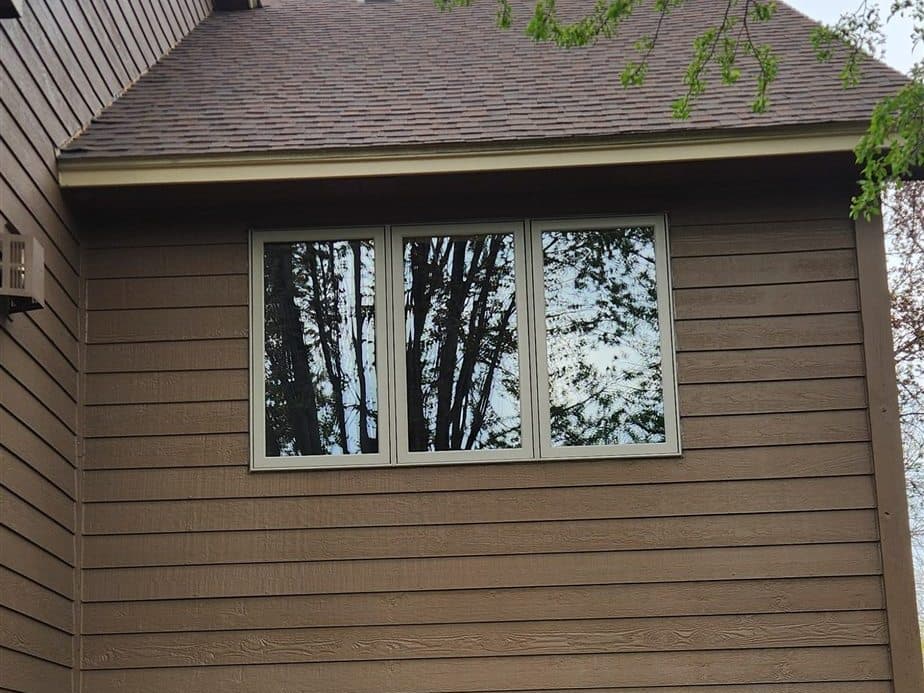
Siding goes on year-round in Minnesota. Fall is the best season for it: the ground is firm for staging, the days are cool, and the wall is dried in before the snow. Winter is workable too, with shorter days and a few rules. The crew works in the cold more easily than the materials do, so the job is planned around the materials.
Vinyl is the one that needs the most care. At twenty degrees a vinyl panel is as short as it will ever be and it is brittle; drop it and it cracks, cut it with a coarse blade and it chips. We keep the panels in a heated trailer or the garage until they are cut, cut them with a fine-tooth blade run backward, and leave a longer gap at the J-channel and the corners than we would in July, because that panel is going to grow in summer and it needs somewhere to go. Nailed in the center of the slot, loose, like always. A vinyl job done right in January stays flat in August; one done with summer gaps will buckle.
LP SmartSide and James Hardie do not care much about the temperature. Engineered wood and fiber cement cut the same at ten degrees as at seventy, and the fasteners drive the same. What has limits are the sealants, the touch-up paint and any primer on cut ends: each has a minimum application temperature on the label, and we work within it, which sometimes means caulking a wall on the warm afternoon and not the cold morning. Snow is cleared off the staging and the wall before work starts, ice on the planks stops work on tall walls, and the day ends when the light does, with the wall wrapped.
What you supply
- Photos of the house and a note on when you want it done; fall dates book early
- A heated garage bay or room in the garage for vinyl storage, if you have one
- The driveway plowed or cleared to the dumpster spot and the first wall
- Material and color choice from the samples at the free in-home estimate
What JMB supplies
- A schedule built around the material: fall for everything, winter for LP, Hardie, steel or carefully handled vinyl
- Heated storage for vinyl until it is cut, fine-tooth blades, and expansion gaps set for the install temperature
- Sealants, primers and touch-up paint applied only within the temperature range on their labels
- Snow and ice cleared from staging and the wall each morning; no staging work on iced planks
- House wrap and flashing on every stripped wall before dark
- The same tear-off, sheathing repair, wrap, flashing and trim as a summer job
- Photos of the wrapped wall and the finished siding in your job folder
How it is priced: per project
Quoted in writing from your photos, with a reply within one business day. What moves the number:
- Material: vinyl needs cold handling, LP SmartSide, Hardie and steel need less
- Daylight hours, which shorten the working day in December and January
- Snow and ice removal from staging and the work area
- Squares, stories, trim and sheathing repair, the same as any siding job
- Whether sealant and touch-up work has to wait for a warm day and a return trip
Cold weather does not change the price of the siding itself. It can change the schedule, and we tell you that up front.
How long it takes
Fall jobs run the same as summer: a week for a rambler, one to two weeks for a two-story. Winter adds days for short daylight and snow. Sealant touch-ups may wait for a warm afternoon.
How your project works
- 1
Send photos, get a written quote
Send three photos of the space and a sentence about what you want. You get a clear, itemized reply within one business day. Prefer a look in person? A free in-home estimate is always an option.
- 2
Pick materials, or bring your own
We help you choose profiles and materials that fit the house and the budget, or match your existing millwork exactly — or you buy the door or trim yourself and we install it. Everything is confirmed before the crew is scheduled.
- 3
Clean, precise installation
The crew shows up on time, protects floors and furniture, and installs with tight joints and consistent reveals. Photos of the finished work go in your job folder.
- 4
Walkthrough and invoice
We walk the finished work with you. If anything is not right, we fix it before we call the job done. Then one invoice, paid by check or direct deposit — no card fees, no payment links.
Situations and options
Fall before the snow
September through November is the best siding season here. Firm ground, cool crew, no bugs, and the house is dried in with new wrap before the first freeze-thaw cycle hits the old wall.
Vinyl in winter
Doable with the rules: panels kept warm until cut, fine blade, longer expansion gaps, no nailing tight. We will tell you honestly if the forecast makes us want to wait a week; brittle vinyl and a windy ten-degree day are a bad pair.
LP SmartSide or Hardie in winter
Engineered wood and fiber cement go up through the winter. The boards cut and nail the same. Sealants and cut-end primer wait for the label temperature, which can mean a return trip for caulking on a warmer day.
Steel in winter
Steel siding is the least affected by cold of any material; it cuts, bends and fastens the same. Gloves and handling are the only difference. A good choice when the job cannot wait for spring.
Fall and Winter Siding Replacement — Cold-Weather Installs, Minnesota: questions, answered
Can siding be installed in winter in Minnesota?
Yes. LP SmartSide, James Hardie and steel install in any temperature the crew can work in. Vinyl installs in winter too, with care: it is brittle when cold, so it is stored warm, cut with a fine blade and gapped longer for summer expansion. The limits are on sealants, primers and touch-up paint, which have minimum temperatures on their labels and are applied only within them.
How cold is too cold to install vinyl siding?
There is no single number; it is about how the panels are handled. Vinyl stored outside at single digits cracks when it is bent or nailed, so we keep it warm until it is cut and put it up quickly. Below about twenty degrees with wind, the crew slows and the risk of cracked panels goes up, and we may wait for a better day. The expansion gap gets set for the temperature of the panel at install.
Does vinyl siding installed in winter buckle in summer?
Only if it was gapped for winter and nailed tight. A cold vinyl panel is at its shortest; by July it will have grown. We leave a longer gap at the J-channel and the corners when installing cold and nail in the center of the slot with the head loose, so the panel has room to move. Done that way it stays flat through the summer. Done with summer gaps in January, it buckles.
Can James Hardie or LP SmartSide be installed below freezing?
Yes. Fiber cement and engineered wood cut, fit and nail the same in the cold. What has temperature limits are the sealant at the joints and trim, the primer on cut ends and any touch-up paint. Each has a range on the label. We use them within it, which sometimes means the caulking waits for a warmer afternoon or a short return trip. The siding itself does not wait.
Is fall a good time to replace siding?
Fall is the best time. The ground is firm for staging, the crew works better in cool weather, and the house goes into winter with new wrap and flashing instead of the old wall taking another freeze-thaw season. Fall dates fill early because everyone figures this out in September, so send photos as soon as you are thinking about it.
What happens if it snows during my siding job?
Any stripped wall is already wrapped and taped, so snow on it does nothing. The next morning the staging and the work area are cleared, and if the planks are iced we do not work the tall walls until they are safe. Light snow slows the day; a storm stops it. The schedule slides, the price does not, and the house is never open to the weather.
Recent JMB work, from our job log
59 installs recorded across 30 Twin Cities communities since Dec 2025. Window and door installs for homeowners, builders and dealers. Counts come straight from our job log; no customer names.
Get a written quote for this job
Three photos and a sentence is enough: a reply within one business day, or ask for a free in-home estimate. Or text the photos to 763-333-4066.
Related jobs we do
Siding Replacement Contractor — New Siding on the Whole House
The siding is worn out, the paint is failing or the hail got it, and you want one contractor to take it to the sheathing and put the whole exterior back right.
Read moreSiding Replacement: What to Expect on the Day — Noise, Nails, Dumpster
You signed the quote, the material is ordered, and now you want to know what the week is actually going to be like at your house.
Read moreVinyl Siding Installation and Replacement
New vinyl siding that stays flat and stays on: the wrap and flashing underneath done properly, the panels hung with room to move, and the windows and doors trimmed so they do not look like an afterthought.
Read moreLP SmartSide Siding Installation — Engineered Wood Lap and Panel
Engineered wood siding that looks like painted cedar and takes a hailstorm, installed with the sealed cuts, joint flashing and clearances that keep it that way through Minnesota winters.
Read moreJames Hardie Fiber Cement Siding Installation
Fiber cement siding does not burn, rot, or feed woodpeckers. It is heavy, it is dusty to cut, and it is unforgiving of a sloppy install — which is exactly why it is worth hiring a crew that hangs it right.
Read moreAluminum Siding Replacement — Dented, Chalking Panels Off, New Siding
The aluminum siding has been on since the sixties, the paint rubs off white on your hand, and every panel below shoulder height has a dent in it.
Read morePage reviewed October 2, 2026 · JMB Builders LLC, MN license BC809005 · All siding pages
Where we work
Siding near you
Based in Zimmerman, scheduling across the Twin Cities metro. Closest first: