
James Hardie Fiber Cement Siding Installation
Fiber cement siding does not burn, rot, or feed woodpeckers. It is heavy, it is dusty to cut, and it is unforgiving of a sloppy install — which is exactly why it is worth hiring a crew that hangs it right.
JMB Builders installs James Hardie fiber cement siding across the Twin Cities metro as an independent licensed contractor: HardiePlank lap, HardiePanel and HardieTrim, over new house wrap with every opening flashed, cut with dust collection, gapped and caulked or flashed at the joints as the product specifies. It is the heaviest siding we hang and the longest-lasting. Priced per project, quoted from your photos within one business day and confirmed with a measured site visit.
- Independent installer, not a manufacturer program
- Cut with dust collection, joints flashed to spec
- Photo quote first, then a measured visit
- Licensed MN contractor BC809005
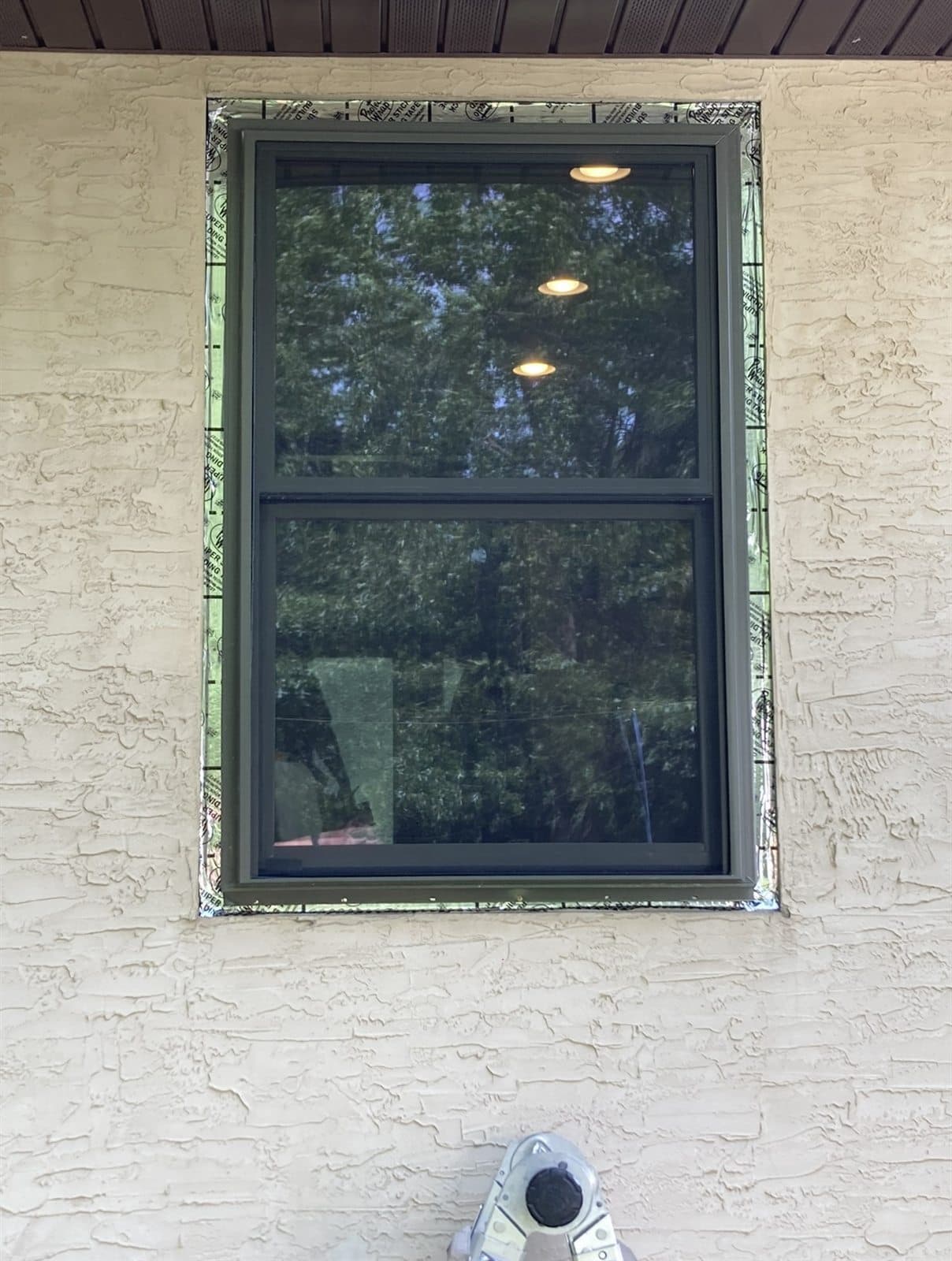
James Hardie is a cement board with cellulose fiber in it. It does not burn, it does not rot, insects and woodpeckers leave it alone, and it holds paint for a long time because it does not move. The trade-off is weight and dust. A board takes two people to hang straight, every cut throws silica dust that needs a shear or a saw with collection, and the board snaps if it is dropped on a corner. None of that is a problem for a crew set up to do it. All of it is a problem for a crew that is not.
The install rules are the same rules as any siding, but with less room for shortcuts. House wrap and flashed openings under everything. A gap at every trim board and every butt joint, with flashing behind the joint or a sealant the manufacturer accepts. Clearance from the roof, the deck and the ground. Nails at the right depth: overdriven nails crack the board, underdriven nails leave it loose. Cut edges primed. We follow the published installation instructions for the product and we are an independent installer, not part of any manufacturer program, so you get our workmanship and the product's own material warranty as it comes from the manufacturer.
Hardie comes pre-painted in their ColorPlus finish or primed for paint. Painting primed Hardie is quoted as its own line, same as any job we do.
What you supply
- Photos of every side of the house and a close-up of the current siding and a window
- Your choice of lap width and texture, and prefinished color or paint color
- Driveway space for the dumpster and material; Hardie arrives on a heavy pallet
- A decision on whether windows are replaced at the same time
What JMB supplies
- Removal and disposal of the old siding and trim, sheathing replaced where soft
- House wrap taped at seams, flashing tape at every window, door and penetration
- HardiePlank lap, HardiePanel or HardieShingle in the texture and finish you chose
- HardieTrim or PVC trim at corners and openings, drip cap flashing over every horizontal trim
- Joint flashing behind butt joints, correct gaps to trim, roof and grade, cut edges primed
- Shear and dust-collecting saw cutting, with the site cleaned of cement dust
- Painting of primed siding and trim, quoted as its own line
- Photos of the wrapped house and the finished house in your job folder
How it is priced: per project
Quoted in writing from your photos within one business day. What moves the number:
- Wall area and number of stories; Hardie on a second story takes staging and two sets of hands
- Number of windows, doors and corners to trim; each opening is cut and flashed by hand
- Lap vs. panel vs. shingle, and lap width
- ColorPlus prefinished vs. primed with painting as its own line
- What comes off and what the sheathing looks like under it
- HardieTrim vs. PVC trim for the corners and openings
- New windows installed during the siding job
Photos of each side from the yard get the photo quote. At the site visit we measure every wall, count openings and confirm the number before ordering.
How long it takes
A single-story house: one to two weeks to side. A two-story: two to three weeks. Painting primed Hardie adds a few days after, weather allowing.
How your project works
- 1
Send photos, get a written quote
Send three photos of the space and a sentence about what you want. You get a clear, itemized quote within one business day. We only come out to measure first when the job needs a tape measure — no pressure, no games.
- 2
Pick materials, or bring your own
We help you choose profiles and materials that fit the house and the budget, or match your existing millwork exactly — or you buy the door or trim yourself and we install it. Everything is confirmed before the crew is scheduled.
- 3
Clean, precise installation
The crew shows up on time, protects floors and furniture, and installs with tight joints and consistent reveals. Photos of the finished work go in your job folder.
- 4
Walkthrough and invoice
We walk the finished work with you. If anything is not right, we fix it before we call the job done. Then one invoice, paid by check or direct deposit — no card fees, no payment links.
Situations and options
HardiePlank lap siding
Horizontal lap in smooth or cedar-grain texture, in several widths. The standard Hardie job. Long boards, joints staggered and flashed, and a consistent reveal set with a gauge on every course.
HardiePanel and battens
Vertical panel siding with battens for a board-and-batten look in fiber cement. The panels are large and heavy; the seams land on framing and the battens cover them with flashing behind.
HardieShingle accents
Shingle panels on a gable, a dormer or a front bump-out with lap below, separated by a belly band with a drip cap so the two textures each shed water.
Hardie siding with PVC trim
Some homeowners want the siding in fiber cement and the trim in cellular PVC for crisper corners and easier mitering. We do that combination with the same flashing detail at every opening.
James Hardie Fiber Cement Siding Installation: questions, answered
What are the cost factors for Hardie plank siding?
Wall area and height first, then the number of openings and corners to trim, then the product choice: lap width, prefinished ColorPlus vs. primed, and HardieTrim vs. PVC trim. Tear-off and sheathing repair are the same as any re-side. Hardie costs more to install per square than vinyl or LP because it is heavier, slower to cut and needs two people to hang. We list every line on the quote.
James Hardie or LP SmartSide, which should I choose?
Both are good siding installed right. Hardie is fiber cement: it will not burn or rot and it ignores woodpeckers, but it is heavier, more brittle in handling and costs more to install. SmartSide is engineered wood: lighter, easier to cut, takes hail well, and costs less, but it is wood and depends on sealed edges. Both need paint eventually unless prefinished. We install both and will quote both if you are undecided.
Are you a James Hardie certified or preferred contractor?
No. We are an independent licensed Minnesota contractor who installs Hardie products to the manufacturer's published installation instructions. We do not make claims about Hardie's contractor programs. The product's material warranty comes from James Hardie as printed; our workmanship comes from us, and you can see it in the photos of the wall before the siding goes on.
Does Hardie siding need to be painted?
Primed Hardie does; it comes with a factory primer and gets finish paint after install. ColorPlus Hardie comes factory-painted and does not, though the touch-up kit is used on cut edges. Painting is quoted as its own line on our jobs, or leave it primed and paint it yourself.
Why does fiber cement siding crack?
Overdriven nails, a board dropped on its corner, no gap at the trim so it has nowhere to go, or a butt joint driven tight. Fiber cement does not move much but it does not flex either. Nailed at the right depth into framing, gapped at the trim and the joints, and handled by two people, it does not crack. Cracks on an existing Hardie house are almost always an installation problem, and we repair them.
Is the dust from cutting fiber cement a problem?
It is if it is not managed. Cutting fiber cement makes silica dust, which is a health hazard for the crew and a mess for the homeowner. We use shears for most cuts, which make no dust, and a saw with dust collection for the rest, cutting away from open windows and the AC unit. The site is cleaned of dust before we leave each day.
Get a written quote for this job
Three photos and a sentence is enough. You hear back within one business day. Or text the photos to 763-204-2099.
Related jobs we do
LP SmartSide Siding Installation — Engineered Wood Lap and Panel
Engineered wood siding that looks like painted cedar and takes a hailstorm, installed with the sealed cuts, joint flashing and clearances that keep it that way through Minnesota winters.
Read moreVinyl Siding Installation and Replacement
New vinyl siding that stays flat and stays on: the wrap and flashing underneath done properly, the panels hung with room to move, and the windows and doors trimmed so they do not look like an afterthought.
Read moreSiding and Windows at the Same Time — One Crew, One Job
If the siding is coming off anyway, it is the cheapest the windows will ever be to replace — and the only time the window flashing and the wall flashing can be done as one piece.
Read morePVC Exterior Trim Replacement — Swap Rotting Wood for Cellular PVC
You have painted the same trim three times and it still rots at the bottom. Cellular PVC ends that, as long as it is flashed, glued and fastened the way the material needs.
Read moreSiding Repair — Storm, Hail and Woodpecker Damage
Wind took a run of siding off the gable, hail cracked the west wall, or a woodpecker found the LP — we repair the section, fix what is under it, and match it as close as the product allows.
Read moreExterior Window Trim After New Siding Replacement
The siding is done, the windows are sitting in a thin strip of J-channel, and the house still looks unfinished. We trim them out in boards that shed water and last.
Read morePage reviewed September 24, 2026 · JMB Builders LLC, MN license BC809005 · All siding pages
Where we work
Siding near you
Based in Zimmerman, scheduling across the Twin Cities metro. Closest first: