
Roof Tear-Off vs Second Layer — Why the Old Shingles Come Off
One bid says tear off, another says lay the new shingles over the old and save the dumpster, and you want to know what the second one is actually saving you and what it is costing.
Roof tear-off vs second layer: a layover nails new shingles over the old ones and skips the dumpster; a tear-off strips the roof to the deck first. JMB Builders tears off on every roof replacement across the Twin Cities metro, because a second layer hides soft decking, leaves the old flashing in place, blocks the ice and water shield from reaching the deck and doubles the weight. If your roof already has two layers, both come off. Priced per project.
- Tear-off on every roof, down to the deck
- A layover hides soft decking and old flashing
- Two existing layers: both come off, bigger dumpster
- Send photos, reply within one business day
- Licensed MN contractor BC809005
Send photos and hear back within one business day — or book a free in-home estimate.
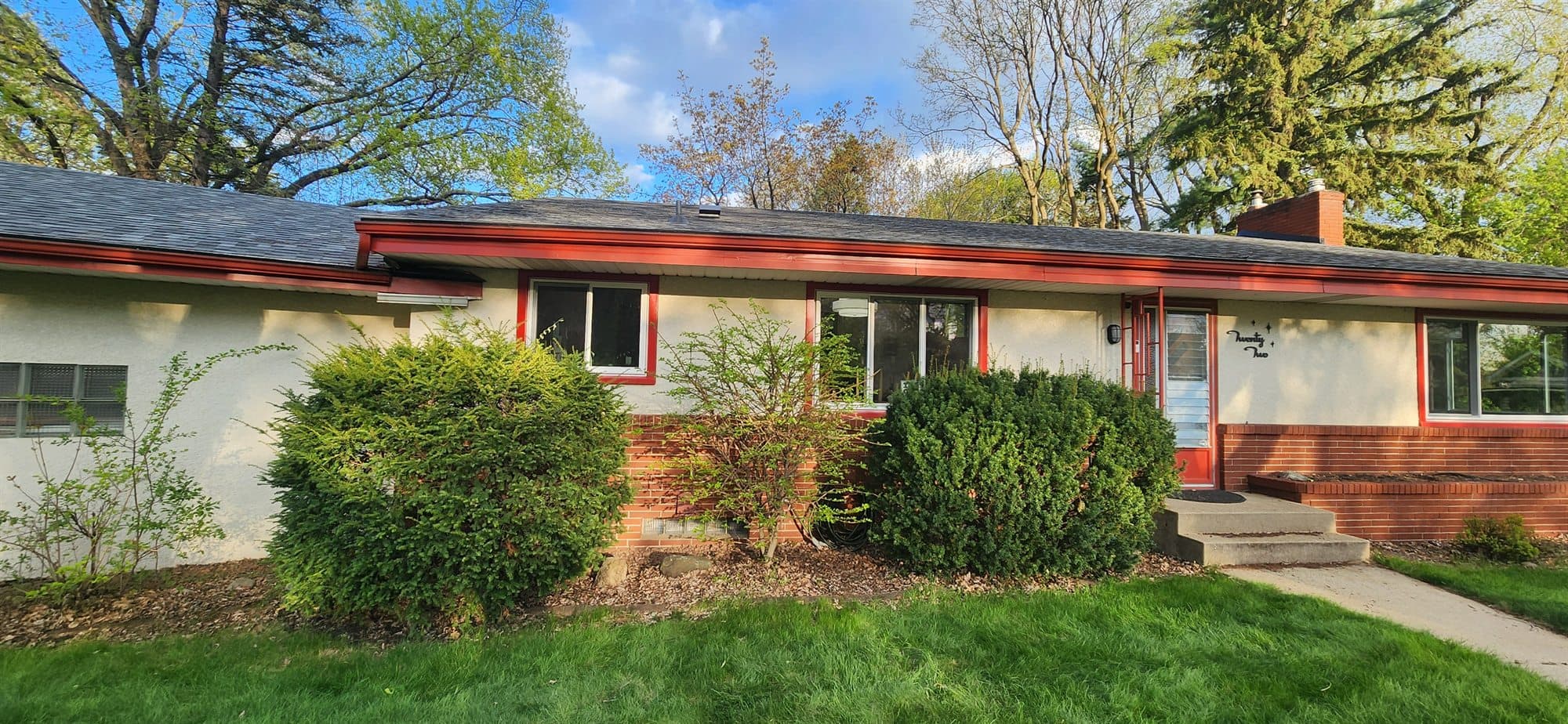
A layover, or second layer, is what it sounds like: the old shingles stay, the new ones go on top. It was common thirty years ago and the code in most places still allows one extra layer on a roof that has only one. It saves the tear-off labor and the dumpster. That is the whole saving, and on a roof replacement it is a small share of the job.
What it costs is everything you cannot see. The decking never gets looked at, so a soft sheet over the bathroom stays soft under two layers of shingles. The old step flashing at the walls stays, bent up and reused, and that is the first place the new roof leaks. Ice and water shield cannot go on the deck at the eaves where it belongs; it goes on top of old shingles, which is not where it does its job in a Minnesota winter. The new shingles sit on the bumps of the old ones so they never lie flat, run hotter, and wear out sooner. And the next roofer tears off two layers instead of one and charges for it.
If your roof already has two layers, there is no third. Both come off. The tear-off takes longer, the dumpster is heavier and the decking almost always has surprises because it has been hidden for forty years. That is a known cost and we put it on the scope as a line, with decking quoted per sheet before the job starts.
What you supply
- A photo of the roof edge at the eave or rake where the layers show, and one of the attic underside
- Any old roofing paperwork or the age of the house if you do not know how many layers are up there
- Driveway space for the dumpster, which is bigger for a two-layer tear-off
What JMB supplies
- A layer count at the free in-home estimate, from the eave edge and the attic, so the dumpster and labor are right
- Tear-off of every layer to the deck, old flashing and boots included, with the deck photographed bare
- Decking replacement where soft, quoted per sheet; plank decks overlaid where the shingle maker requires
- Ice and water shield on the deck at eaves, valleys and penetrations, synthetic underlayment elsewhere
- New drip edge, step flashing, kick-outs, pipe boots and ridge vent, then the shingles
- The city's building permit and inspection, magnet sweep, finished photos in your job folder
How it is priced: per project
Quoted in writing from your photos, with a reply within one business day. What moves the number:
- Number of layers coming off; two layers is roughly double the tear-off labor and dumpster weight
- Decking condition found under the old layers, quoted per sheet
- Squares and pitch, which set the labor for the tear-off as much as the install
- Old flashing and vents that come off and are replaced, counted at the estimate
- Access for the dumpster, since a heavier load needs a closer drop
- Shingle line and any add-ons at the same time
A photo of the eave edge shows us the layers. If you are not sure, we count them at the estimate before the scope is written.
How long it takes
One layer: tear-off and dry-in the first morning, shingles the same or next day. Two layers: add most of a day for the tear-off and the extra decking work.
How your project works
- 1
Send photos, get a written quote
Send three photos of the space and a sentence about what you want. You get a clear, itemized reply within one business day. Prefer a look in person? A free in-home estimate is always an option.
- 2
Pick materials, or bring your own
We help you choose profiles and materials that fit the house and the budget, or match your existing millwork exactly — or you buy the door or trim yourself and we install it. Everything is confirmed before the crew is scheduled.
- 3
Clean, precise installation
The crew shows up on time, protects floors and furniture, and installs with tight joints and consistent reveals. Photos of the finished work go in your job folder.
- 4
Walkthrough and invoice
We walk the finished work with you. If anything is not right, we fix it before we call the job done. Then one invoice, paid by check or direct deposit — no card fees, no payment links.
Situations and options
One layer, sound deck
The standard tear-off. Shingles, underlayment and flashing come off in a morning, the deck is probed and photographed, and the roof is dried in the same day.
Two layers already on the roof
Both come off; a third layer is not allowed and would be too heavy anyway. Expect more decking repair, a heavier dumpster and an extra day. The deck under a forty-year-old layover almost always needs sheets.
Old layover over cedar shakes
Some older houses have asphalt laid over cedar shakes on skip sheathing. All of it comes off and the roof gets solid decking before anything goes back on. Covered on its own page.
Layover bid from someone else
If another bid is a layover, ask them how they will replace the step flashing and where the ice and water shield goes. The honest answer is that they will not and it goes on top of old shingles.
Roof Tear-Off vs Second Layer — Why the Old Shingles Come Off: questions, answered
Can you put a second layer of shingles over the old ones?
The code in most Twin Cities cities allows a second layer on a roof that has only one and a sound deck, so it is legal in many cases. We do not do it. A layover hides soft decking, reuses the old step flashing, puts the ice and water shield on top of old shingles instead of on the deck, and leaves the new shingles sitting on the bumps of the old ones. The money it saves is the tear-off labor and the dumpster, which is a small share of the roof.
How many layers of shingles are allowed on a roof?
Two is the common limit; a third layer is not allowed under the code and the rafters were not sized for the weight. If your roof already has two layers, the next roof is a full tear-off of both. We check the layer count at the eave edge and in the attic at the estimate so the labor and the dumpster on the scope are right.
Why do roofers tear off the old shingles?
To see the deck and to get the membrane and flashing onto it. Ice and water shield only stops an ice dam leak if it is stuck to the deck at the eave. Step flashing only works if it is new and woven in with the shingles. Soft or delaminated sheathing can only be found and replaced when it is bare. A tear-off also lets the new shingles lie flat, which is what the wind rating and the self-seal strip assume.
What problems does a second layer of shingles cause?
The new shingles telegraph every bump and curl of the old layer so they never seal flat, which shortens their life and hurts the wind rating. Heat is trapped between the layers. Leaks at walls and chimneys continue because the flashing was not replaced. Soft decking stays hidden until someone steps through it. And the next replacement costs more because two layers come off at once.
How much more does a two-layer tear-off cost?
It is a line on the scope, not a guess: roughly double the tear-off labor and a heavier dumpster, plus whatever decking turns up under the old layers, which we quote per sheet before the job. We do not put a dollar figure on a page. We do put every one of those factors on the written scope so you can see what the second layer added.
How can I tell how many layers my roof has?
Look at the eave edge or a rake edge from a ladder: you will see one or two thicknesses of shingle stacked above the drip edge. In the attic, two layers of nails through the deck, with the newer nails shorter or in a different pattern, is another sign. Send a close photo of the edge and we can usually tell. We confirm it at the estimate.
Recent JMB work, from our job log
59 installs recorded across 30 Twin Cities communities since Dec 2025. Window and door installs for homeowners, builders and dealers. Counts come straight from our job log; no customer names.
Get a written quote for this job
Three photos and a sentence is enough: a reply within one business day, or ask for a free in-home estimate. Or text the photos to 763-333-4066.
Related jobs we do
Roof Replacement Contractor — Full Roof Replacement, Start to Finish
Your roof is at the end of its life and you want one contractor for the whole job: inspection, materials, tear-off, deck, flashing, permit and cleanup, with the number written down before the first shingle comes off.
Read moreCedar Shake to Asphalt Roof Replacement — Skip Sheathing to Solid Deck
Your house has a cedar shake roof that is mossy, split and curling, you are done with wood, and you want to know what it takes to put a normal shingle roof on a deck that was built for shakes.
Read moreSoft Spots on the Roof — Rotted Roof Decking Replaced
You stepped on the roof, or the roofer did, and it gave like a mattress. Here is what is under that spot and how it gets replaced without a whole new roof.
Read moreIce and Water Shield and Underlayment — What Goes Under the Shingles
Your roof quote lists ice and water shield and synthetic underlayment and you want to know what they are, where they go on a Minnesota roof, and whether the whole roof should get the membrane.
Read moreShingle Roof Replacement — Tear Off and Reroof
When the roof is done — curling, bald, losing granules by the gutter-full — it comes off to the deck and goes back on with the flashing, membrane and ventilation a Minnesota winter demands.
Read moreAdd Drip Edge to an Existing Roof — Retrofit at Eaves and Rakes
Water drips behind the gutter instead of into it, the fascia is going soft, and the roofer who put the shingles on never installed drip edge.
Read morePage reviewed October 2, 2026 · JMB Builders LLC, MN license BC809005 · All roofing pages
Where we work
Roofing near you
Based in Zimmerman, scheduling across the Twin Cities metro. Closest first: