
Rain Garden Installation in Anoka County — Dug, Amended, Planted
Roof water that sits on the lawn for days, a downspout that washes out the bed, or a watershed program that will help pay for a rain garden if it is built right.
JMB Builders does rain garden installation in Anoka County and across the north Twin Cities metro. We check how fast the soil drains, dig a shallow basin away from the foundation, amend the soil, build a rock inlet from the downspout or sump line and a rock overflow to the lawn, then plant and mulch it. Priced per project, quoted from yard photos within one business day.
- Priced per project, quote from photos
- Soil drainage checked before we dig
- Rock inlet and overflow built in
- Plants and mulch, or you plant it
- Licensed MN contractor BC809005
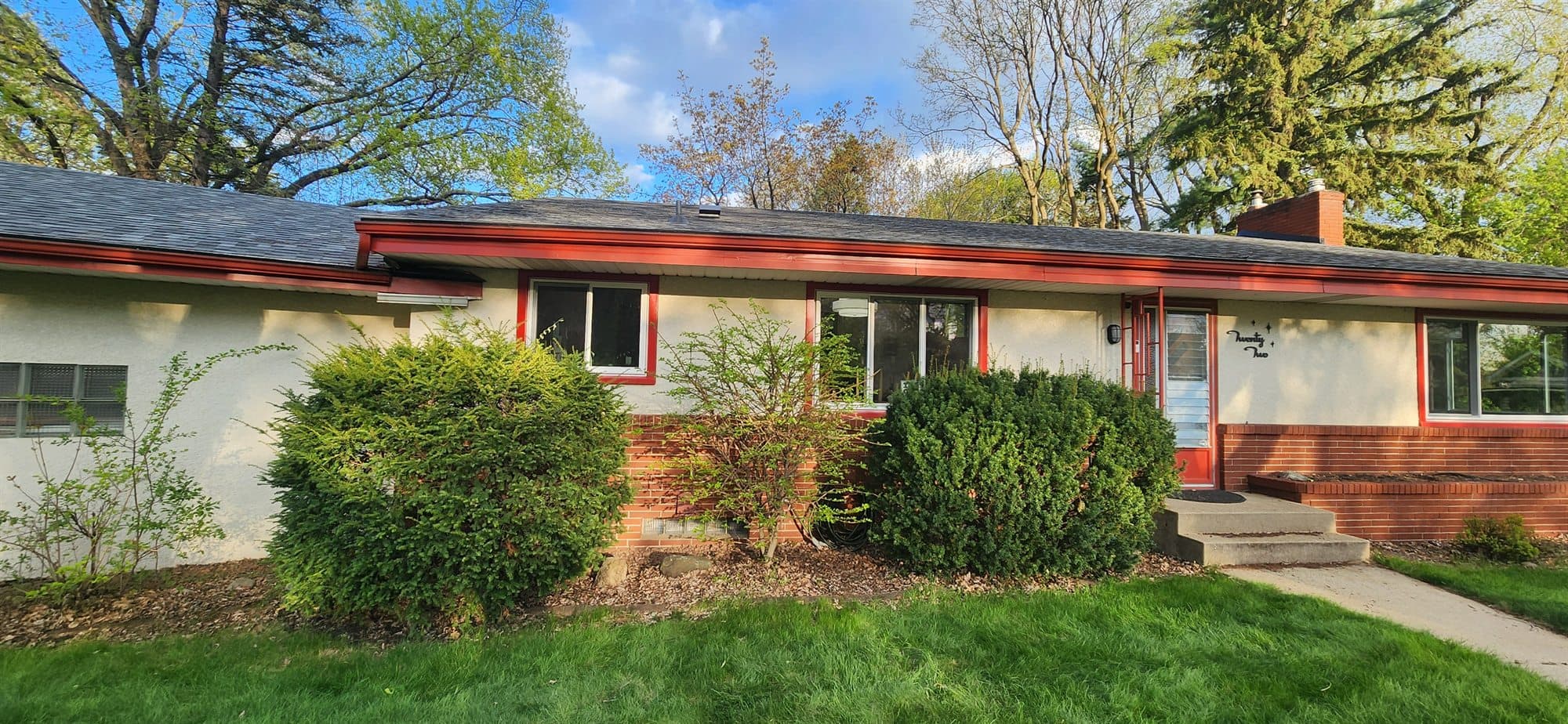
A rain garden is a shallow, flat-bottomed bowl planted with deep-rooted plants that takes the water from a downspout, a sump line or a paved area and lets it soak in over a day or so instead of running to the street. It is not a pond and it should not hold standing water for long. When one fails it is almost always because it sits on tight clay nobody tested, it was dug in the low spot where water already stands, or the overflow was left out and the water went back toward the house.
We start with a simple drainage test: a hole dug where the garden will go, filled with water, and checked the next day. Sandy ground across much of Anoka County drains fast and takes a smaller basin. Clay needs a bigger footprint and more amended soil. The garden goes well away from the foundation, never over a septic drainfield, a well or a buried line, and on a spot that falls away from the house.
Many watershed districts and the county conservation district in the north metro run cost-share or grant programs for rain gardens. Most want their design reviewed and approved before anything is dug, so check with yours first. We build to the approved plan and give you the photos they ask for at the end.
What you supply
- Photos of the yard, each downspout and the sump line outlet, ideally during or right after a rain
- Your watershed or conservation district plan if you are in a cost-share program
- Plant choices, or tell us sun or shade and we bring a native perennial mix
- Sprinkler lines, dog fence and private buried lines pointed out; the locate does not mark those
What JMB supplies
- Utility locate and a drainage test hole before the basin is laid out
- Basin dug flat on the bottom with a level berm on the downhill side
- Existing soil loosened and mixed with compost and sand to the depth the plan calls for
- Buried pipe or a rock swale from the downspout or sump line to a rock inlet pad
- Rock-lined overflow at the berm so big storms spill to the lawn, not back to the house
- Planting, shredded hardwood mulch and edging, and extra soil hauled away
- Photos of each step in your job folder for a cost-share program
How it is priced: per project
Quoted in writing from your photos within one business day. What moves the number:
- Size of the basin, set by the roof area draining to it and how fast the soil drains
- Clay that needs more amended soil vs. sandy ground that drains on its own
- Length of the pipe or swale from the downspout or sump line to the garden
- Machine access to the spot vs. hand-digging in a fenced back yard
- Number and size of plants, and whether you supply or plant them yourself
- Hauling away the dug soil vs. using it for the berm or elsewhere on the lot
Send a photo of each downspout, the spot you have in mind and the yard around it. If you are in a watershed program, send its plan and we quote to it.
How long it takes
Most single-downspout rain gardens: one day to dig, amend and plant. Larger gardens with a long pipe run: two days. Plants need watering the first season.
How your project works
- 1
Send photos, get a written quote
Send three photos of the space and a sentence about what you want. You get a clear, itemized quote within one business day. We only come out to measure first when the job needs a tape measure — no pressure, no games.
- 2
Pick materials, or bring your own
We help you choose profiles and materials that fit the house and the budget, or match your existing millwork exactly — or you buy the door or trim yourself and we install it. Everything is confirmed before the crew is scheduled.
- 3
Clean, precise installation
The crew shows up on time, protects floors and furniture, and installs with tight joints and consistent reveals. Photos of the finished work go in your job folder.
- 4
Walkthrough and invoice
We walk the finished work with you. If anything is not right, we fix it before we call the job done. Then one invoice, paid by check or direct deposit — no card fees, no payment links.
Situations and options
Downspout rain garden
One or two downspouts piped underground or run in a rock swale to a garden out in the yard. The most common size for a house lot, and the one most cost-share programs are set up for.
Sump line rain garden
The sump pump discharge line buried and ended at a rain garden instead of the lawn next to the house. Useful where the sump runs all spring and the yard stays soggy by the foundation.
Driveway or patio runoff garden
A garden at the low edge of a driveway or patio to catch the water that runs off it. Often paired with a curb cut or a strip of rock where the water leaves the pavement.
Existing rain garden rebuild
A garden that holds water for days, has gone to weeds or has silted in. We dig out the silt, re-amend the soil, fix the inlet and overflow, and replant.
Rain Garden Installation in Anoka County — Dug, Amended, Planted: questions, answered
How deep should a rain garden be?
Shallow. Most residential rain gardens are a flat-bottomed bowl only several inches deep below the berm, with loosened and amended soil below that. A deeper hole holds water longer and drowns the plants. The exact depth and size come from the roof area draining into it and how fast your soil drains, which is why we test the soil before we dig.
Where should a rain garden go in my yard?
Downhill from the house and well away from the foundation, on a spot that drains on its own after a rain. Not in the low spot where water already stands for days, not over a septic drainfield or well, and not over buried utilities. Sun or part sun gives the most plant choices. We look at the yard photos and the drainage test and mark it out with you before digging.
Does the watershed district help pay for a rain garden in Anoka County?
Often, yes. Several watershed districts and the county conservation district in the north metro offer cost-share or grants for rain gardens that treat roof or driveway runoff. Most require you to apply and have the design approved before construction, and some send someone to look at it when it is done. Check with your district first; we build to their plan and provide the photos they ask for.
Can a sump pump drain into a rain garden?
Yes, and it is one of the better places for it. The discharge line is buried with a fall so it drains empty, ends at a rock inlet in the garden, and the garden's overflow sends big volumes to the lawn. The sump line still gets a freeze fitting or air gap near the house so a frozen line in March does not stop the pump.
How long does water stay in a rain garden?
A properly sized garden on soil that drains should be empty within about a day or two after a normal rain. Water standing much longer than that means the soil is too tight, the basin is too deep, or silt has sealed the bottom. The fix is loosening and amending the soil or rebuilding the basin, not adding more plants.
Do rain gardens attract mosquitoes?
Not when they drain the way they should. Mosquitoes need standing water for several days to breed, and a working rain garden empties faster than that. A garden that holds water for a week is a failed garden and needs its soil fixed.
Recent JMB work, from our job log
59 installs recorded across 30 Twin Cities communities since Dec 2025. Window and door installs for homeowners and for the builders and dealers we sub for. Counts come straight from our job log; no customer names.
Get a written quote for this job
Three photos and a sentence is enough. You hear back within one business day. Or text the photos to 763-204-2099.
Related jobs we do
Yard Drainage Solutions — Grading and Buried Downspout Extensions
Water in the window well, a wet corner of the basement every spring, a side yard that is mud until June — most of it is fixed outside with a shovel, some pipe and the right grade.
Read moreBury Sump Pump Discharge Line — Freeze-Safe Run to a Pop-Up
The sump line ends at the foundation or in a hose across the lawn, the water comes right back to the pit, and every winter it freezes and ices the sidewalk.
Read moreShrub Planting Service and Tree Planting — Foundation Plantings
Dead junipers in front of the picture window, a bare foundation on a new house, or a fence line that needs screening — planted right so it is still alive in three years.
Read moreLandscape Bed Edging and Mulch Installation — Beds Redone
Beds that have lost their edge to the lawn, mulch that is more dirt than mulch, and shrubs hidden in weeds — recut, edged and mulched so the house looks kept.
Read moreFrench Drain Installation in Yard — Pipe, Stone, Fabric, Outlet
Part of the yard stays soggy for days after every rain, the mower sinks in, and the water has nowhere to go because the ground is flat or runs the wrong way.
Read moreFence Post Replacement — Rotted or Heaved Wood Posts Reset
One post is gone at the ground and the section beside it is flat on the lawn; the rest of the fence is fine. That is a post job, not a fence job, and it is priced by the post.
Read morePage reviewed September 26, 2026 · JMB Builders LLC, MN license BC809005 · All landscaping pages
Where we work
Landscaping near you
Based in Zimmerman, scheduling across the Twin Cities metro. Closest first: