
Landscape Bed Edging and Mulch Installation — Beds Redone
Beds that have lost their edge to the lawn, mulch that is more dirt than mulch, and shrubs hidden in weeds — recut, edged and mulched so the house looks kept.
JMB Builders does landscape bed edging and mulch installation across the Twin Cities metro and north to St. Cloud. Beds are recut to a clean line or a new shape, weeds and old mulch pulled, steel, paver or spade edging set along the lawn, and fresh shredded hardwood or cedar mulch spread to an even depth around the plants. Priced per project, by the bed and the yards of mulch, quoted from your photos.
- Priced per project, by the bed and the mulch
- Steel, paver or spade-cut edging
- Old mulch and weeds out before the new goes in
- Quote from photos in 1 business day
- Licensed MN contractor BC809005
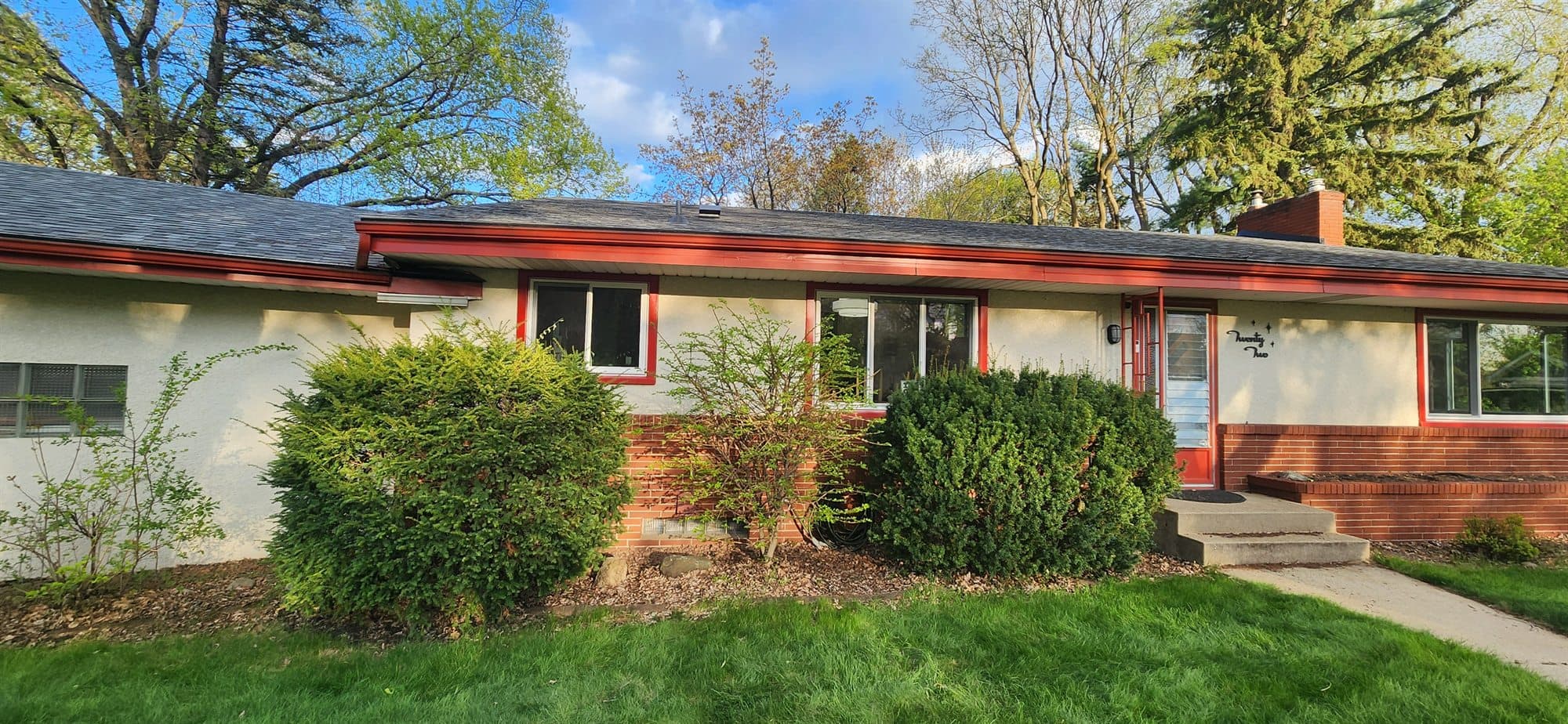
A landscape bed is defined by its edge. When the edge goes, the lawn creeps into the mulch, the mulch washes into the lawn, and the bed becomes a strip of weeds with a few shrubs in it. Redoing a bed starts at the line: recut it with a spade, or set a steel, paver or poly edge along it so the mower can ride the edge and the line stays put.
Then the bed itself. Weeds come out by the root, old broken-down mulch that is holding weed seed gets raked off or turned in, and the soil around the shrubs is shaped so water runs into the bed rather than off it. Landscape fabric goes under rock, not under mulch, where it stops the mulch from breaking down into the soil and ends up on the surface in two years. Fresh mulch goes on at an even depth and is kept off the trunks of the shrubs and trees.
This is the bed work we do around the house: along the foundation, around the trees in the front yard, along a walk or a patio we built. New shrubs and trees, rock instead of mulch, and drainage fixes are their own pages and go on the same quote when the job calls for them.
What you supply
- The mulch you want: shredded hardwood, cedar, dyed brown or black; we deliver it
- The edge you want: steel, paver, poly, or a clean spade cut with no product
- Which plants stay and which go; anything you are unsure about, we look at on the day
- Sprinkler heads and low-voltage lights marked or pointed out so the edger does not find them
What JMB supplies
- Beds recut to a clean line, or reshaped and enlarged where you want a new curve
- Steel edging staked in, paver edging set on a compacted base, or poly edging spiked, per your choice
- Weeds pulled by the root, volunteer trees cut, old mulch raked off or turned in
- Dead or unwanted shrubs removed and hauled, stumps cut below grade
- Soil shaped around the plants, and a pre-emergent if you want one
- Mulch delivered and spread to an even depth, pulled back from trunks and siding
- Lawn edge cleaned up, walks and driveway blown off, and photos in your job folder
How it is priced: per project
Quoted in writing from your photos within one business day. What moves the number:
- Total length of bed edge and the number of beds; a long curved front bed is more edge than a square one
- Edging type: a spade cut is fastest, poly is next, steel and paver edging are set on a base and take longest
- Condition of the beds: light weeding vs. an overgrown bed with volunteer trees and buried plastic to pull out
- Yards of mulch, which depends on bed area and how thin the old layer is
- Mulch type: shredded hardwood vs. cedar or dyed mulch
- Shrubs to remove and haul, and stumps to cut
- New plants or rock in the same visit, quoted on their own lines
Send a photo of each bed from the lawn and say what edge and mulch you want. We estimate the mulch from the photos and the number is firm.
How long it takes
Foundation beds on a typical house: one day for edging, cleanup and mulch. A large yard with several beds and steel edging: two days.
How your project works
- 1
Send photos, get a written quote
Send three photos of the space and a sentence about what you want. You get a clear, itemized quote within one business day. We only come out to measure first when the job needs a tape measure — no pressure, no games.
- 2
Pick materials, or bring your own
We help you choose profiles and materials that fit the house and the budget, or match your existing millwork exactly — or you buy the door or trim yourself and we install it. Everything is confirmed before the crew is scheduled.
- 3
Clean, precise installation
The crew shows up on time, protects floors and furniture, and installs with tight joints and consistent reveals. Photos of the finished work go in your job folder.
- 4
Walkthrough and invoice
We walk the finished work with you. If anything is not right, we fix it before we call the job done. Then one invoice, paid by check or direct deposit — no card fees, no payment links.
Situations and options
Recut and mulch
The basic refresh: bed edges recut with a spade to a clean line, weeds out, old mulch raked, fresh mulch spread. No edging product. Done every couple of years it keeps a bed sharp.
Steel edging
A thin steel edge staked along the bed line, set just above grade so the mower wheel rides it. It holds a straight line or a long curve for decades and all but disappears once the mulch is in.
Paver or block edging
A single course of pavers or a small block set flush on a compacted base along the bed. A mowing strip the mower rides over, and it matches a paver walk or patio.
Redo an overgrown bed
Everything out: weeds, dead shrubs, old plastic and rock, then the bed reshaped, edged and mulched. Usually paired with a few new shrubs so it is a bed again and not a blank.
Tree rings and island beds
A clean circle around each front-yard tree, edged and mulched with the mulch kept off the trunk, or a new island bed cut into the lawn and planted.
Landscape Bed Edging and Mulch Installation — Beds Redone: questions, answered
What is the best landscape edging for Minnesota?
Steel edging holds up best. It is staked into the ground, moves with the frost and settles back, and does not crack or heave the way some plastic and poured edges do. Paver edging on a compacted base is the other durable choice and it gives you a mowing strip. Poly edging is the cheapest and works when it is installed deep and staked well, but it heaves and lifts at the joints over time. A plain spade-cut edge costs nothing but has to be recut every year or two.
Should I put landscape fabric under mulch?
No. Fabric belongs under rock. Under mulch it stops the mulch from breaking down into the soil, which is the point of mulch, and in a couple of years the mulch slides off it and the fabric is on the surface with weeds growing on top of it. Weeds are handled by pulling them out by the root, a good mulch depth, and a pre-emergent if you want one.
How deep should mulch be?
Deep enough to shade out weed seed and hold moisture, but not piled against trunks and stems. Around trees and shrubs the mulch is pulled back so the bark at the base stays dry; a mulch volcano around a trunk rots it. If the old mulch is still sound, a thinner top-up on it is enough; if it has broken down to dirt, it gets raked and replaced.
Do you remove the old mulch before putting down new?
It depends on what is there. Old mulch that has turned to soil gets turned in or raked out, because piling new on it just raises the bed against the siding. Mulch that is still coarse gets fluffed and topped up. Old rock, plastic sheeting or fabric under a bed that is being converted to mulch all comes out and is hauled.
Can you remove old shrubs when you redo the beds?
Yes. Dead, overgrown or just unwanted shrubs come out with the root ball where we can get it, or are cut and the stump cut below grade. They are hauled off with the weeds and old mulch. New shrubs to replace them go on the same quote as their own line, and the bed is mulched after they are in.
How often should landscape beds be re-edged and mulched?
A spade-cut edge wants recutting every year or two as the lawn creeps in; a steel or paver edge holds the line for years. Mulch gets topped up every year or two, depending on the type; shredded hardwood breaks down faster than cedar or bark nuggets. If the bed has an edge that holds and the mulch is kept at depth, weeding is a few minutes a month.
Get a written quote for this job
Three photos and a sentence is enough. You hear back within one business day. Or text the photos to 763-204-2099.
Related jobs we do
Shrub Planting Service and Tree Planting — Foundation Plantings
Dead junipers in front of the picture window, a bare foundation on a new house, or a fence line that needs screening — planted right so it is still alive in three years.
Read moreLandscape Rock Installation — River Rock Beds and Foundation Rock
Rock is the bed you do not redo every two years: no mulch washing out, no re-spreading, and a clean line along the foundation, the deck or the fence that stays.
Read morePaver Walkway Installation — Front Walks and Paths
A cracked, heaved front walk is the first thing a visitor steps on. A paver walk on a proper base stays flat, sheds water, and can be reset if the ground ever moves.
Read moreYard Drainage Solutions — Grading and Buried Downspout Extensions
Water in the window well, a wet corner of the basement every spring, a side yard that is mud until June — most of it is fixed outside with a shovel, some pipe and the right grade.
Read moreSod Installation — New Lawn Sod and Sod Repair Patches
A lawn that never came back, a new house sitting in dirt, or a strip of bare ground where the trench went through — sodded on prepped soil so it takes root instead of shrinking.
Read moreLawn Repair After Construction — Regrade, Topsoil and Seed
The addition is done, the septic is in, the windows are new — and the yard is ruts, clay and a pile where the lawn used to be. We put the grade back and grow a lawn on it.
Read morePage reviewed September 24, 2026 · JMB Builders LLC, MN license BC809005 · All landscaping pages
Where we work
Landscaping near you
Based in Zimmerman, scheduling across the Twin Cities metro. Closest first: