
Yard Drainage Solutions — Grading and Buried Downspout Extensions
Water in the window well, a wet corner of the basement every spring, a side yard that is mud until June — most of it is fixed outside with a shovel, some pipe and the right grade.
JMB Builders does yard drainage solutions across the Twin Cities metro and north to St. Cloud: regrading the soil so it slopes away from the foundation, burying downspout extensions and sump discharge lines in solid pipe out to a pop-up emitter in the yard, and putting in a catch basin or French drain where water pools next to the house. Most jobs are quoted from photos taken during a rain. Priced per project.
- Priced per project, quote from photos
- Grade sloped away from the foundation
- Downspouts buried in solid pipe to a pop-up
- Sump discharge lines run away from the house
- Licensed MN contractor BC809005
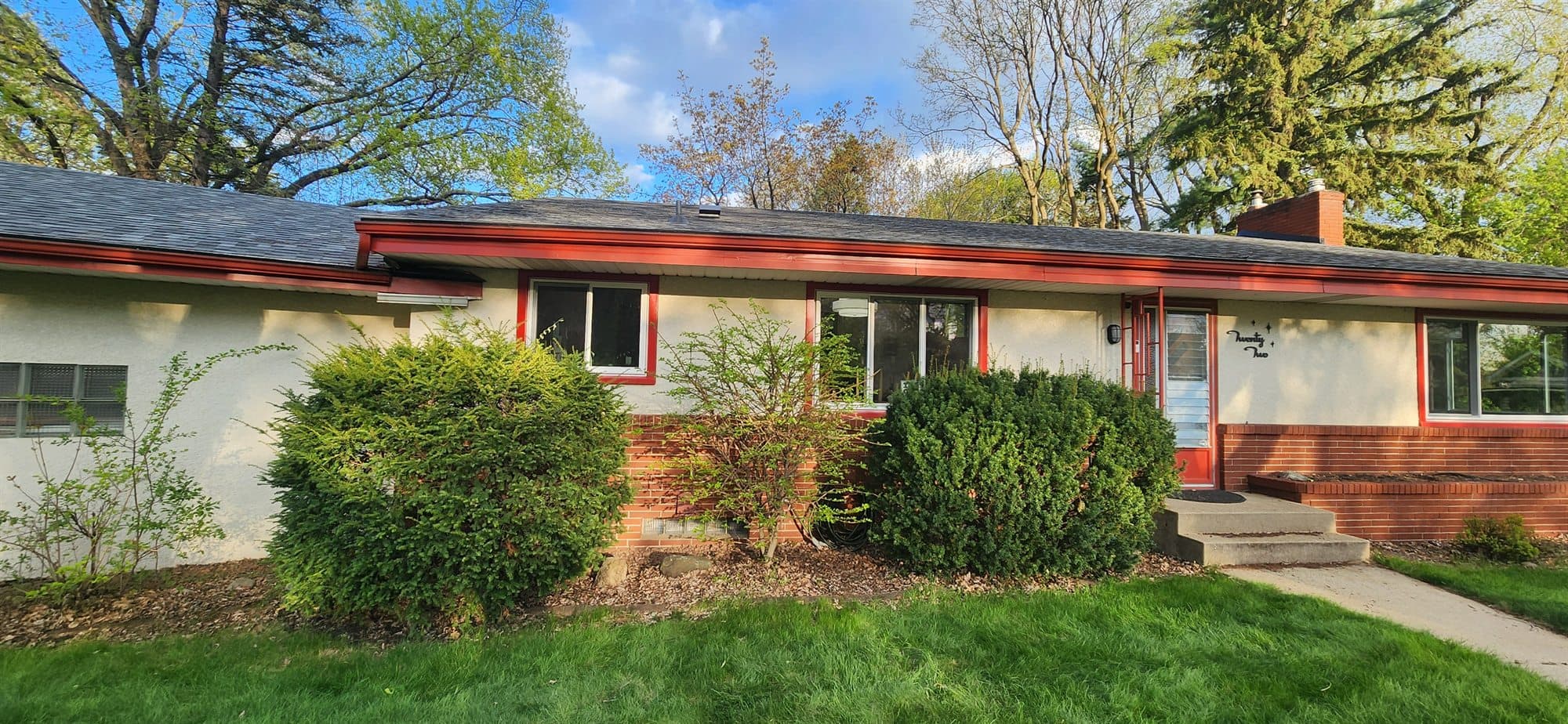
Most wet basements in the Twin Cities are an outside problem. The soil around the house has settled over the years until it slopes toward the foundation, the downspouts dump the whole roof at the corners, and the sump pump discharges a few feet from the wall so the same water goes around again. Water sits against the foundation, finds a crack or a window well, and shows up inside. Fixing it means moving the water: grade, downspouts, discharge.
The grade comes first. Topsoil or clay fill is added along the foundation and shaped so the ground falls away from the house for the first several feet, then sodded or seeded. Where the grade cannot fall, because of a walk, a patio or a neighbor's lot, a catch basin or a French drain collects the water and a pipe carries it away. Window wells that fill get a drain or a cover.
Then the roof water. Each downspout gets an adapter into solid PVC or corrugated pipe buried in a trench, run with a fall across the yard, and ended at a pop-up emitter in the lawn that opens when water flows and sits flush for the mower. The sump discharge line gets the same treatment, with an air gap or a freeze-proof fitting near the house so a frozen pipe in March cannot back the pump up. A dry creek bed or a rock swale does the same job on the surface where a buried line will not work.
What you supply
- Photos during or right after a rain: where the water pools, where the downspouts and the sump line end, and the wet spot inside
- Where the water can go: your own lawn, a swale, or a storm drain if the city allows it; we check the rules for your street
- Sprinkler lines, invisible dog fence and any private buried lines pointed out; the locate does not mark those
- Access for a trencher or mini excavator, or a note that it will be hand-dug
What JMB supplies
- Utility locate before we dig, and hand-digging near private lines
- Topsoil or clay fill brought in and graded to slope away from the foundation, then sodded or seeded
- Downspout adapters, solid pipe in a trench with a fall, and a pop-up emitter in the lawn or a daylight outlet on a slope
- Sump discharge line buried to daylight with a freeze protection fitting or air gap near the house
- Catch basin, channel drain or French drain with a perforated pipe in stone and fabric where water collects
- Window well drains or covers where wells fill
- Dry creek bed or rock swale for surface water where a buried line is not practical
- Trenches backfilled, compacted and patched with sod, and photos in your job folder
How it is priced: per project
Quoted in writing from your photos within one business day. What moves the number:
- Number of downspouts and the length of pipe from each to where the water can go
- How far the grade has to be built up along the foundation, and the yards of fill and sod that takes
- Whether a catch basin, channel drain or French drain is needed, and how much stone and pipe it takes
- Soil: sandy soil trenches fast, clay is slow and needs a longer run to drain
- Trencher or excavator access vs. hand-digging along a tight side yard or under a deck
- Obstacles in the run: a walk, driveway or patio the pipe has to go under
- Sump discharge line distance and the freeze protection at the house
- Sod or seed to patch the trenches and the regraded strip
Photos during a rain are worth more than any description. Show where the water sits, where each downspout ends, and the lowest point of the yard. That is usually enough to quote without a visit.
How long it takes
Downspouts on one house buried to pop-ups: one day. Regrading along the foundation with sod: one to two days. A French drain or catch basin system: two to three days.
How your project works
- 1
Send photos, get a written quote
Send three photos of the space and a sentence about what you want. You get a clear, itemized quote within one business day. We only come out to measure first when the job needs a tape measure — no pressure, no games.
- 2
Pick materials, or bring your own
We help you choose profiles and materials that fit the house and the budget, or match your existing millwork exactly — or you buy the door or trim yourself and we install it. Everything is confirmed before the crew is scheduled.
- 3
Clean, precise installation
The crew shows up on time, protects floors and furniture, and installs with tight joints and consistent reveals. Photos of the finished work go in your job folder.
- 4
Walkthrough and invoice
We walk the finished work with you. If anything is not right, we fix it before we call the job done. Then one invoice, paid by check or direct deposit — no card fees, no payment links.
Situations and options
Buried downspout extensions
Each downspout into an adapter and solid pipe buried across the yard to a pop-up emitter or a daylight outlet on a slope. The splash blocks and the flip-up extensions that are always kicked loose go away.
Regrade along the foundation
Fill brought in along the house, shaped so the ground falls away for the first several feet, and sodded. The first fix for a basement that leaks in the spring thaw or after a heavy rain.
Sump discharge line
The sump pump line run underground to the back of the lot or a daylight outlet, with a freeze fitting or air gap at the house so a frozen pipe in March does not stop the pump. Ends the puddle by the foundation every time the pump runs.
Catch basin or French drain
Where the grade cannot fall, a catch basin at the low point or a French drain along the wet strip collects water into a pipe that carries it out. Perforated pipe in stone, wrapped in fabric, sloped to the outlet.
Window well drainage
A well that fills with rain or snowmelt gets a drain at the bottom tied to the downspout line or a gravel sump, and a cover if the well is under a roof valley. Paired with regrading around the well.
Dry creek bed
A shallow rock-lined channel that carries downspout or surface water across the yard on top of the ground. Fabric, river rock and larger stone at the edges. The choice where a buried pipe cannot get the fall it needs.
Yard Drainage Solutions — Grading and Buried Downspout Extensions: questions, answered
Why is water pooling next to my house?
The ground there has settled below the yard around it, so it is the low point, and the downspouts and the sump line are probably adding to it. Backfill around a foundation settles for years after the house is built, and the trench that was dug for the foundation is the first place it drops. The fix is to bring the grade back up so it falls away from the house, and move the downspout and sump water past the settled zone.
How far should downspouts extend from the house?
Past the settled backfill zone and to a spot where the water runs away from the house on its own, which is farther than a splash block or a flip-up extension reaches. A buried line to a pop-up emitter out in the lawn does that without a pipe lying across the yard, and the emitter sits flush so the mower goes over it. On a slope the line can end at a daylight outlet instead.
Can a buried downspout line freeze in Minnesota?
It can hold ice in winter, which is why the pipe is laid with a fall so it drains empty, and why a sump discharge line gets a freeze fitting or an air gap at the house so the pump can still push water out if the buried run is frozen. Roof water in winter is snowmelt, and the ground is frozen anyway, so a frozen downspout line in January is not a problem; a frozen sump line is, and that is the one we protect.
Will regrading fix my wet basement?
Often, when the water is coming in at the top of the wall, at a window well or after rain and snowmelt. Grade that falls away from the house, downspouts moved out into the yard and a sump line run away from the wall take most of the water off the foundation. If the basement is wet from groundwater coming up through the floor, or a high water table, that is an inside drain tile and sump job and we refer it to a waterproofing contractor.
What is a French drain and do I need one?
A trench with a perforated pipe in stone, wrapped in fabric, sloped to an outlet. It collects water from the soil around it and carries it away. It is the fix where the grade cannot be made to fall away from the house, along a wet strip between two houses, or at the base of a slope that drains toward the yard. Most drainage jobs do not need one; regrading and burying the downspouts do the job. When one is needed the outlet has to be lower than the drain, which is the first thing we check.
Can you run the drain line to the street or the storm sewer?
It depends on the city. Some allow a downspout or sump line to the curb or a storm drain connection with a permit; many do not, and none allow it into the sanitary sewer. We check the rules for your street and design the run to end on your own lot, at a pop-up in the lawn or a daylight outlet, unless the city allows otherwise. The water has to stay off the neighbor's lot too.
Get a written quote for this job
Three photos and a sentence is enough. You hear back within one business day. Or text the photos to 763-204-2099.
Related jobs we do
Landscape Rock Installation — River Rock Beds and Foundation Rock
Rock is the bed you do not redo every two years: no mulch washing out, no re-spreading, and a clean line along the foundation, the deck or the fence that stays.
Read moreSod Installation — New Lawn Sod and Sod Repair Patches
A lawn that never came back, a new house sitting in dirt, or a strip of bare ground where the trench went through — sodded on prepped soil so it takes root instead of shrinking.
Read morePaver Repair — Relevel Sunken Pavers and Reset a Patio
Pavers are the one patio you can fix instead of replace. A sunken corner, a heaved walk or a whole wavy patio comes up, gets a new base, and goes back down flat.
Read moreRetaining Wall Installation — Block Walls Built and Repaired
A slope that will not hold, a bed that spills onto the driveway, or a block wall that is leaning out after ten winters — built or rebuilt on a base with drainage behind it.
Read moreBasement Window Trim-Out — Half-Below-Grade & Egress Windows
Thick foundation walls, a sill that sweats every winter, an egress unit sitting in a window well — basement windows need trim built for a basement, not copied from upstairs.
Read moreLandscape Bed Edging and Mulch Installation — Beds Redone
Beds that have lost their edge to the lawn, mulch that is more dirt than mulch, and shrubs hidden in weeds — recut, edged and mulched so the house looks kept.
Read morePage reviewed September 24, 2026 · JMB Builders LLC, MN license BC809005 · All landscaping pages
Where we work
Landscaping near you
Based in Zimmerman, scheduling across the Twin Cities metro. Closest first: