
Sash, Insert or Full-Frame on a Window Claim — What the Frame Decides
Send the frame corner, the sill and the adjuster's line for that window.
Reply within one business day. Or call / text 763-250-3621.
On an insert or full-frame window replacement insurance claim, the frame is what the choice turns on. A sound frame with a tight corner, a solid sill and clean capping can take a new sash or an insert. A split corner, a rotted sill or torn capping means the window comes out to the rough opening. JMB Builders photographs each frame and writes every opening as its own itemized line, priced per opening.
- Priced per opening
- Frame corner, sill and capping checked
- MN Lic. BC809005
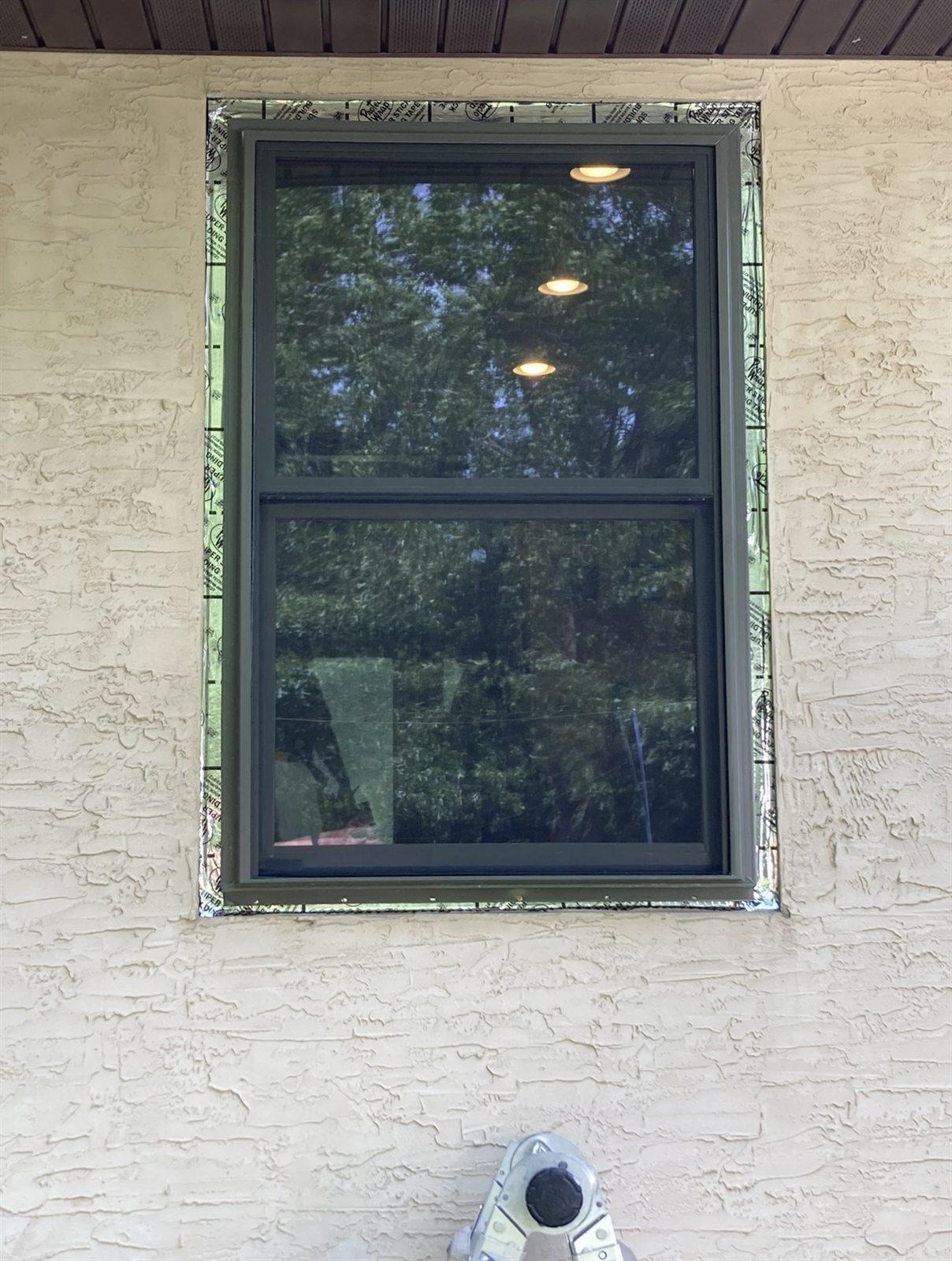
A window has three parts that matter on a claim: the glass, the sash that holds it, and the frame the sash sits in. The frame is the box fastened into the rough opening, with the sill at its bottom and trim or aluminum capping wrapped over it outside. A new sash goes into a sound frame when only the moving part was hit. An insert, a complete new window, slides into the old frame when the frame is sound but the sash is not made anymore or the whole unit is damaged. Full-frame takes everything out to the studs when the frame is split, rotted, out of square, or the capping and trim over it are torn.
In photos the difference is plain. A sash-only hit shows dents, chips or a cracked corner on the moving sash, and a frame that looks clean. An insert job shows a damaged sash or glass, with tight frame corners, a sill that is solid under a screwdriver, and capping with no tears. A full-frame job shows a split at a frame corner, dark or soft wood at the sill, capping that is dented through, torn or pulled loose, or a gap where the frame meets the siding.
On an estimate each one is its own line. A sash line replaces the sash. An insert line sets a new window in the old frame with new capping. A full-frame line removes the window, flashes the opening, sets the new one and trims it. The siding or stucco around a full-frame opening is a line of its own. That joint where the frame meets the siding is the water line. An insert set into a split frame leaves the leak where it was. Full-frame breaks that joint and rebuilds it with new flashing, so the siding repair belongs on the scope too.
The adjuster decides what the claim pays for. Our side is the carpentry. We inspect the windows and doors, photograph and document the damage, write an itemized estimate, and can be there when the adjuster looks at the house. We are a contractor, not a public adjuster. We do not read your policy for you, tell you what it covers, or negotiate your claim. Ask your agent, your adjuster or an attorney.
Send what you have: photos, the adjuster's estimate, your storm date
Send the frame corner, the sill and the adjuster's line for that window. We reply within one business day with sash, insert or full-frame and why. Or book a free in-home estimate.
We never pay, waive or rebate a deductible — Minnesota law forbids it.
What you supply
- Photos of each damaged window from inside and outside
- Close-ups of the frame corners, the sill, the capping and the frame-to-siding joint
- The adjuster's scope, with the line written for each window
- The window brand from the label or glass etching, if you can find it
- Access inside and out to every window on the claim
What JMB supplies
- A check of every frame corner, sill and capping on the claimed windows
- Photos with a scale reference at the frame corner, the sill and the frame-to-siding joint
- An itemized estimate that writes sash, insert or full-frame for each opening and why
- Meeting your adjuster at the house, when you want us there
- New windows measured and ordered, in options such as MI, Silver Line, Andersen, Ply Gem or ProVia
- Inserts: old sash and stops out, gaps insulated, new stops and exterior capping
- Full-frame: sill pan, flashing tape, new trim inside and out, and the siding joint closed up
How it is priced: per opening
Quoted in writing from your photos, with a reply within one business day. What moves the number:
- Sash, insert or full-frame on each opening
- Window size, style and glass package
- What surrounds the frame: lap siding, steel or vinyl siding, brick or stucco
- New exterior capping or trim, and new interior casing on full-frame openings
- Siding or stucco patch at the frame-to-siding joint
- Second-story or ladder-only access
- How many openings are on the same scope
Send the frame corner, the sill and the adjuster's line for that window. We reply within one business day with sash, insert or full-frame and why. Or book a free in-home estimate.
How long it takes
Sashes and windows are made to order, so the wait is the order. Once here: several inserts a day with capping; full-frame one to three openings a day, each closed and weathertight the same day.
How your project works
- 1
Send photos, get a written quote
Send three photos of the space and a sentence about what you want. You get a clear, itemized reply within one business day. Prefer a look in person? A free in-home estimate is always an option.
- 2
Pick materials, or bring your own
We help you choose profiles and materials that fit the house and the budget, or match your existing millwork exactly — or you buy the door or trim yourself and we install it. Everything is confirmed before the crew is scheduled.
- 3
Clean, precise installation
The crew shows up on time, protects floors and furniture, and installs with tight joints and consistent reveals. Photos of the finished work go in your job folder.
- 4
Walkthrough and invoice
We walk the finished work with you. If anything is not right, we fix it before we call the job done. Then one invoice, paid by check or direct deposit — no card fees, no payment links.
Situations and options
New sash in a sound frame
Some scopes write a sash line: a complete factory sash for that window, ordered from the maker that built it. It fits when the frame corners are tight, the sill is solid and the capping is clean. We read the label and measure, so the sash ordered is the one that fits the frame.
Insert in a sound frame
A complete new window slides into the old frame once the sash and stops are out. Interior trim stays. Outside, the old frame is wrapped in new capping. It fits when the frame is sound but the sash is not made anymore, the window is old, or the whole unit took the hit.
Full-frame: split or rotted frame
The window and its trim come out to the rough opening. It fits when a frame corner is split, the sill is soft or rotted, or the frame is twisted out of square. The new window goes in on a sill pan with flashing tape, then new trim inside and out.
Full-frame: torn capping or trim
When the capping or brickmould is torn through and the wood under it is wet or cracked, new capping over it only hides the problem. Pulling the frame lets us see the sheathing and flash the opening before the new window goes in.
Scope says one thing, frame says another
The adjuster wrote a sash or an insert, and the frame corner is split. We photograph the frame and write it into an itemized estimate. You send it to your insurer as a supplement, and the adjuster decides.
What you do, what we do on a claim
You file the claim and talk to your insurer. We are a contractor, not a public adjuster, and we do not interpret coverage.
Who does what on a claimWe photograph every opening and write a line-item estimate.
How we document each windowWe can be there when the adjuster visits, if you want us there.
What happens at the adjuster visitMinnesota law does not let a contractor pay, waive or rebate your insurance deductible, or promise to. We will not, and the deductible is yours to pay.
The deductible rule in plain wordsLicensed Minnesota residential building contractor BC809005, Zimmerman.
Look up the license
Sash, Insert or Full-Frame on a Window Claim — What the Frame Decides: questions, answered
What is the difference between an insert and a full-frame window?
An insert is a complete new window built to slide inside your existing frame. The old sash and stops come out; the frame, the interior trim and the wall around it stay, and the outside of the old frame gets new capping. A full-frame window replaces everything down to the rough opening: frame, sill, trim and the flashing behind them. An insert gives up a little glass because it sits inside the old frame. Full-frame takes longer, but it lets us see and fix what is behind the frame.
Will insurance pay for full-frame replacement?
That is the adjuster's decision, made under your policy. What helps is showing the frame damage plainly. Photograph the split or rotted frame corner, the sill, the exterior trim or capping, and the joint where the frame meets the siding, each with a tape measure or coin for scale. We are a contractor, not a public adjuster. We do not read your policy for you, tell you what it covers, or negotiate your claim. Ask your agent, your adjuster or an attorney.
My adjuster wrote a sash — is that enough?
It is when the frame is sound. We check each frame corner for splits, press on the sill for soft wood, look at the capping for dents and tears, and look at the joint where the frame meets the siding. Frame damage the adjuster missed can be sent to your insurer as a supplement. We inspect the windows and doors, photograph and document the damage, write an itemized estimate, and can be there when the adjuster looks at the house.
Can you match an insert to my other windows?
Usually, yes. An insert is a complete window, so it can be ordered in the same style, color, grille pattern and glass as the others on that wall. Options such as MI, Silver Line, Andersen, Ply Gem or ProVia make insert sizes in common styles. Older or discontinued windows are harder: the frame color and the width of the frame you see may not line up exactly. Send a photo of the label or glass etching and one of the whole wall, and we tell you how close a match is.
What photos show whether the frame is damaged?
Four close-ups per window, each with a tape measure or coin for scale: the frame corners, top and bottom; the sill from outside, with a screwdriver pressed into any dark spot; the exterior capping or trim; and the joint where the frame meets the siding or stucco. Add one photo of the whole window from outside, one from inside, and one of that wall. Take them in daylight, straight on, before anything is pulled off or patched.
Does full-frame replacement mean new trim and siding work?
Yes, some. The exterior trim or capping comes off with the window, and new trim goes back on. On lap siding, the pieces right at the opening come loose and go back, or are replaced if they split. On stucco, the edge around the window is cut back and patched. Inside, the casing comes off and goes back or is replaced. Each is its own line on the estimate. Painting is quoted as a separate line, or leave it primed and caulked and paint it yourself.
Recent JMB work, from our job log
59 installs recorded across 30 Twin Cities communities since Dec 2025. Window and door installs for homeowners and the builders we work with. Counts come straight from our job log; no customer names.
Related jobs we do
Insert Replacement Windows — Pocket Install in the Old Frame
The frames are sound, the trim is worth keeping, and you want new windows without opening the walls. An insert sets into the old frame.
Read moreFull Frame Window Replacement — Old Window Out to the Rough Opening
The frame is rotted, the sill is soft, or you want the most glass the opening allows. Full frame takes it all out and starts over at the studs.
Read moreIs It Just the Glass? Why a Window Claim Is Usually Sash or Unit
The estimate says glass, one line, and the glass is indeed cracked. It is also the least of it. The sash corner split when the hail hit and the frame sill has a hole in it.
Read moreInsurance Won't Replace All Windows for Matching — What to Document
Hail cracked one window. The line was discontinued, the grilles and color are different now, and the adjuster is only paying for the one.
Read moreXactimate Window Line Items Explained — Reading the Adjuster's Lines
The adjuster's estimate came back as twelve pages of codes, quantities and three columns of numbers, and you need to know whether it covers all twenty-two windows.
Read moreInsurance Adjuster Missed Window Damage — Asking for a Supplement
The check came and the scope lists three windows, but six screens are torn and a sash on the back is cracked. Here is how the missing items get documented and back in front of your insurer.
Read morePage reviewed November 22, 2026 · JMB Builders LLC, MN license BC809005 · All insurance repairs pages
Where we work
Insurance & Storm Damage Repairs near you
Based in Zimmerman, scheduling across the Twin Cities metro. A few of the towns we cover: