
Whole House Fan Removal and Ceiling Seal — Opening Closed, Insulated
The old whole house fan in the hallway ceiling has not run in years, the louvers rattle, and in January you can feel cold air falling through it.
Whole house fan removal and ceiling seal takes out an old hallway-ceiling attic fan that leaks cold air all winter. A licensed electrician disconnects the circuit, then JMB Builders removes the fan and louver, frames the ceiling opening, patches and finishes the drywall, air-seals the patch from the attic side, and insulates it to match the attic, across the Twin Cities metro. Priced per unit, quoted from photos within one business day.
- Priced per unit
- Fan out, opening framed and drywalled
- Air-sealed and insulated from the attic
- Quote from photos in 1 business day
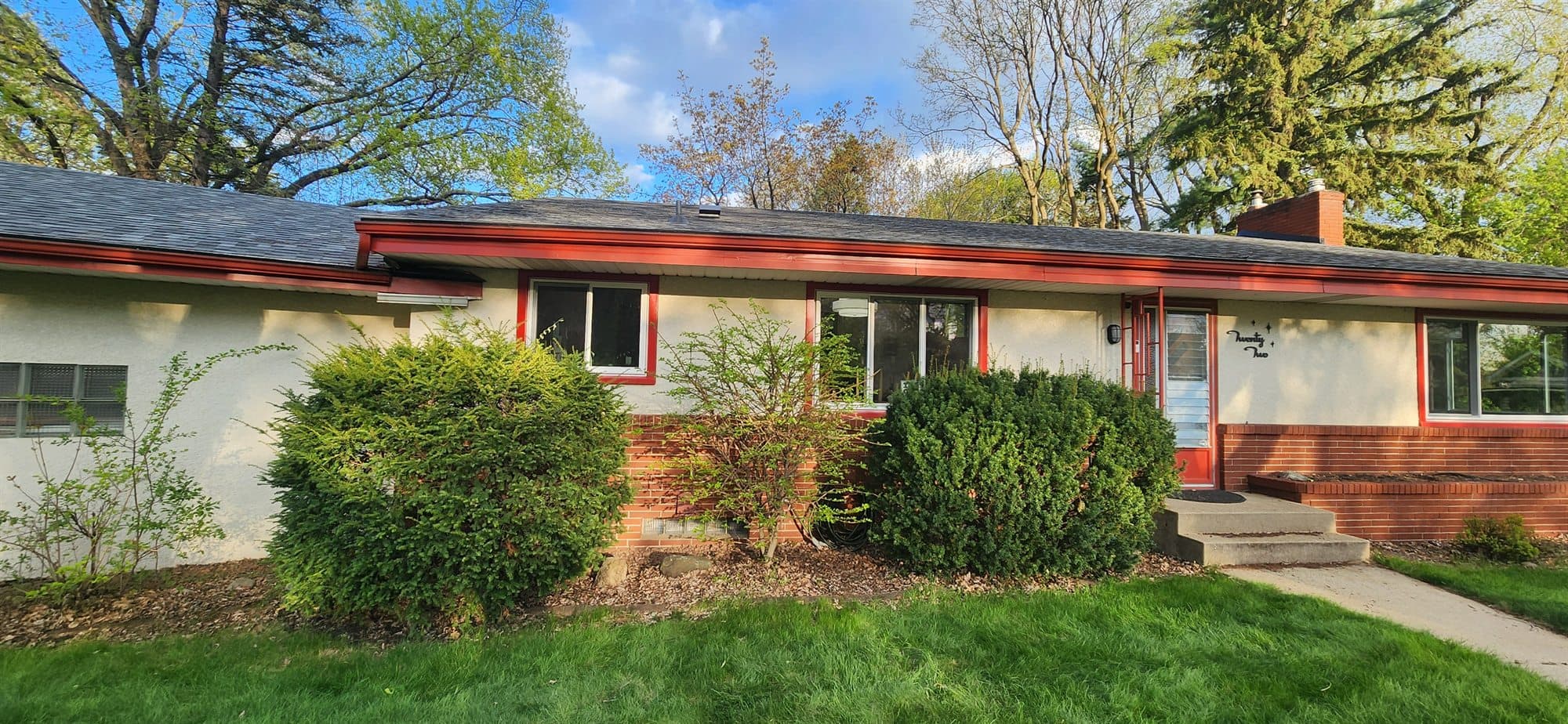
Many older ramblers and split levels in the Twin Cities have a whole house fan in the hallway ceiling: a big belt- or direct-drive fan sitting on a box in the attic with a louvered grille below. When it is off, the louvers are the only thing between the heated house and the attic, and they do not seal. Warm, moist air goes up, cold air comes down, and frost can build on the attic side.
Covering the grille from below helps a little. Taking the fan out and closing the ceiling fixes it. The fan and its box come out of the attic, the ceiling opening gets framing at the edges, a drywall patch goes in and is finished to match the ceiling, and from the attic side the patch is sealed and covered with insulation to the same depth as the rest of the attic.
The fan's wiring is disconnected and made safe by a licensed electrician before the fan is removed. If the attic insulation is thin everywhere, a full attic air-seal and blow-in can be quoted for the same visit.
What you supply
- A photo of the grille from below and the fan from the attic side, if you can reach it
- A photo of the switch or timer that runs the fan
- Your ceiling paint color, or a leftover can
- Whether the attic has been air-sealed or insulated recently
What JMB supplies
- Fan circuit disconnected and made safe by a licensed electrician before removal
- Removal and haul-away of the fan, box, belt, motor and louvered grille
- Framing at the edges of the ceiling opening where the joists were cut or headered
- Drywall patch hung, taped, finished and textured to blend
- Air sealing of the patch and the old opening from the attic side
- Insulation over the patch to match the depth of the surrounding attic
- Ceiling painting quoted as its own line
How it is priced: per unit
Quoted in writing from your photos within one business day. What moves the number:
- Size of the fan and the ceiling opening
- Access to the fan in the attic and headroom above it
- Ceiling texture to match, like popcorn or knockdown vs. smooth
- Whether the switch or timer is removed and its box covered
- Depth of the existing attic insulation around the opening
- Painting of the full ceiling vs. the patch only
Send a photo from the attic side if you can safely get there; it shows the size of the box and how the opening was framed.
How long it takes
Removal, framing and drywall patch: one day, plus a short return trip for final drywall coats and paint.
How your project works
- 1
Send photos, get a written quote
Send three photos of the space and a sentence about what you want. You get a clear, itemized quote within one business day. We only come out to measure first when the job needs a tape measure — no pressure, no games.
- 2
Pick materials, or bring your own
We help you choose profiles and materials that fit the house and the budget, or match your existing millwork exactly — or you buy the door or trim yourself and we install it. Everything is confirmed before the crew is scheduled.
- 3
Clean, precise installation
The crew shows up on time, protects floors and furniture, and installs with tight joints and consistent reveals. Photos of the finished work go in your job folder.
- 4
Walkthrough and invoice
We walk the finished work with you. If anything is not right, we fix it before we call the job done. Then one invoice, paid by check or direct deposit — no card fees, no payment links.
Situations and options
Remove and close the ceiling
The fan is taken out, the opening is framed and drywalled, and the attic side is sealed and insulated. The permanent fix for a fan that is no longer used.
Keep the fan, add a winter cover
When you still use the fan in summer, an insulated, gasketed cover can be built over the fan box on the attic side, or a seasonal cover fitted below. It cuts the leak but is not as tight as closing it.
Remove and air-seal the whole attic
When the attic insulation is thin or has old air leaks at lights and top plates, the fan removal is done with a full attic air-seal and blown-in insulation in the same visit.
Whole House Fan Removal and Ceiling Seal — Opening Closed, Insulated: questions, answered
Should I remove my old whole house fan?
If the fan has not run in years and you feel cold air at the grille in winter, removing it and closing the ceiling is usually the better choice. The louvers on an old whole house fan do not seal, so heat and moisture go into the attic all winter. If you still use it in summer, a tight insulated cover is the other option.
Why is cold air coming from my whole house fan?
The louvered grille on a whole house fan is only a flap, not a seal, and it sits right under an open box to the attic. Warm air rises out through it and cold attic air falls in. Taping plastic over it helps a little, but the leak stays until the opening is closed or covered on the attic side.
Who disconnects the wiring on a whole house fan?
A licensed electrician disconnects the fan circuit and makes the wiring safe, including the switch or timer on the wall. That happens before the fan comes out. The ceiling framing, drywall and insulation work follows.
How is the ceiling opening fixed after a whole house fan comes out?
Framing is added at the edges of the opening so the drywall has something solid to land on. A drywall patch goes in, gets taped and finished, and is textured and painted to blend with the rest of the ceiling. From the attic side, the patch is sealed and covered with insulation.
Can the whole house fan hole be insulated from the attic?
Yes, and it should be. After the drywall patch is in, the attic side is air-sealed and insulation is added over the patch to the same depth as the rest of the attic. That is what stops the heat loss and the frost.
Does removing a whole house fan help with attic frost?
It can. Warm, moist house air leaking through an old fan is one of the ways frost builds on the nails and sheathing in a Minnesota attic. Closing and sealing the opening removes that leak. Other leaks at lights, pipes and top plates may still need sealing.
Recent JMB work, from our job log
59 installs recorded across 30 Twin Cities communities since Dec 2025. Window and door installs for homeowners and for the builders and dealers we sub for. Counts come straight from our job log; no customer names.
Get a written quote for this job
Three photos and a sentence is enough. You hear back within one business day. Or text the photos to 763-204-2099.
Related jobs we do
Attic Hatch Insulation — Insulated Cover Box Over the Access
Frost on the hatch, a cold spot in the hall ceiling, a strip of bare roof above it in a snowfall: the attic access is an uninsulated hole in an insulated ceiling, and a box fixes it in an afternoon.
Read moreAttic Insulation Blown In — Air Sealed First, Then Filled
Ice dams, a furnace that never shuts off, a bedroom that is cold at the ceiling: the attic is the first place to look and the best payback in the house when the air sealing is done before the fluff.
Read moreFrost in Attic on Nails and Ice on the Sheathing — Find and Fix It
You went up for the Christmas boxes and the nail tips were white with frost, or there was ice on the plywood and a wet spot on the bedroom ceiling in March. The attic is telling you where the house leaks.
Read moreDrywall Ceiling Repair After Attic Work — Foot Through the Ceiling
Someone stepped off the joist. Or the insulation hose punched through, or the new furnace duct cracked every seam in the hallway. The ceiling gets patched from below and the attic put back from above.
Read moreCeiling Painting — Flat Ceiling Paint, Stains Blocked First
A brown ring from an old leak, a ceiling that went yellow, or a freshly scraped and skimmed ceiling that needs its first real coat: painted flat, even and without roller marks.
Read moreBasement Wall Insulation Before Finishing — Rigid Foam and Framing
Before the framing, the wiring and the drywall go in, the concrete wall needs the right insulation in the right order — or the finished basement smells like a wet basement in five years.
Read morePage reviewed September 26, 2026 · JMB Builders LLC, MN license BC809005 · All insulation pages
Where we work
Insulation near you
Based in Zimmerman, scheduling across the Twin Cities metro. Closest first: