
Narrow Paver Path Along the Side of the House — Drive to Back Gate
The strip between the house and the fence is mud from the downspout to the gate and the mower can't get through it; a paver path makes it a walk instead of a swamp.
A narrow paver path along the side of the house runs from the driveway to the back yard through the fence gate, on a strip that is usually shaded, wet and worn to mud. JMB Builders builds them across the Twin Cities metro: the strip dug out, class 5 compacted, pavers set with edge restraint on both sides and pitched away from the foundation, and the gate rehung to clear the new surface. Priced per linear foot.
- Priced per linear foot of path
- Pitched away from the foundation, not toward it
- Edge restraint both sides; gate rehung to clear the pavers
- Quote from photos, reply within one business day
- Licensed MN contractor BC809005
Send photos and hear back within one business day — or book a free in-home estimate.
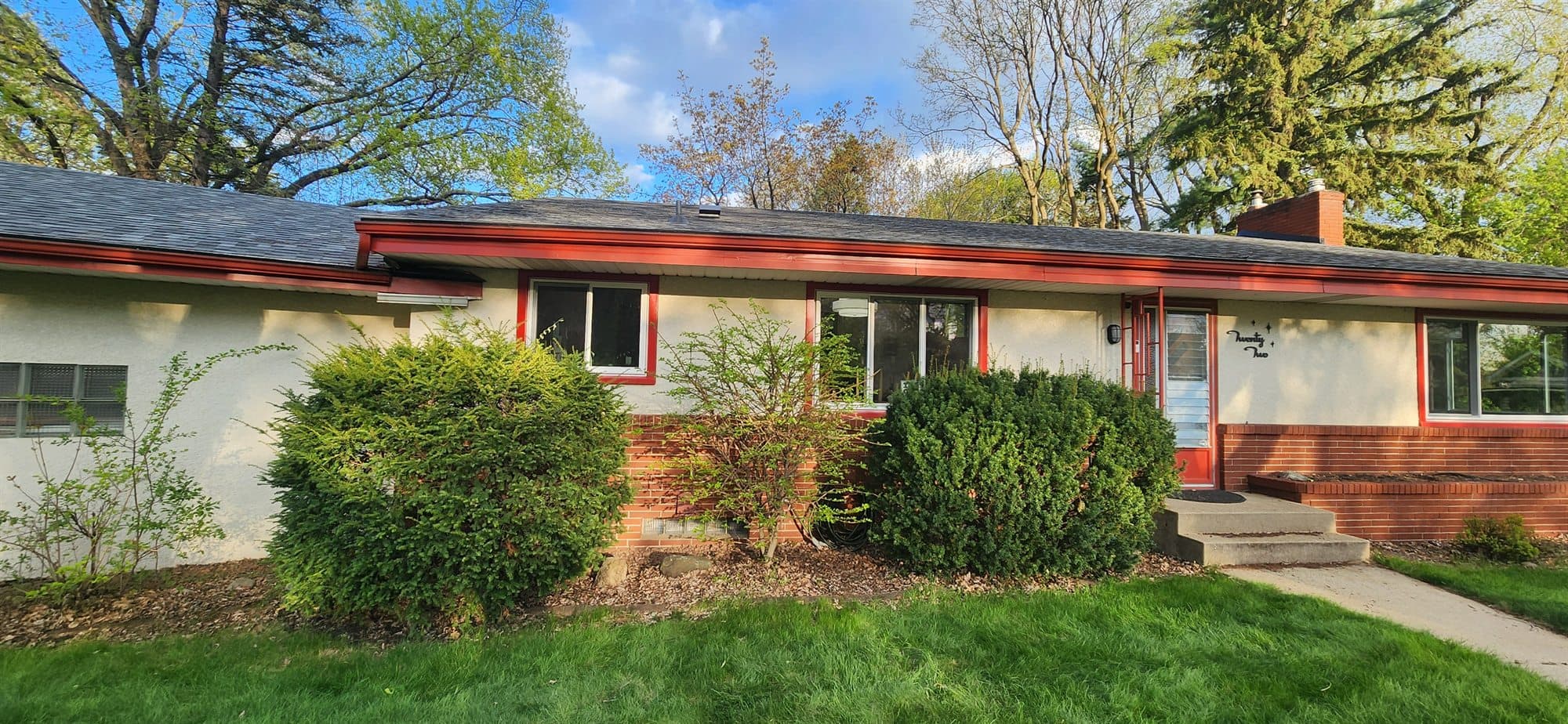
The side yard is the strip nobody designed. It is a few feet wide between the house and the lot line, it gets the downspout, the AC condenser, the hose bib, and every trip to the back yard with the mower or the trash cans. Grass will not grow in it, so it is mud by April and dust by August, and the gate at the end of it drags. A narrow paver path turns it into the walk it already is, and done right it also stops sending water toward the basement wall.
We dig the strip out, compact class 5, and set the pavers on screeded sand with rigid edge restraint spiked in on both sides, because a path this narrow is all edge and the sides creep if nothing holds them. The path is pitched a touch away from the foundation so the downspout and the roof runoff run toward the lot line or a drain, not back against the house. Where the downspout lands on the path we set it to a splash block or bury the extension under the pavers before they go down.
The gate is part of the job. A paver path is higher than the mud it replaces, so a gate that just cleared the dirt now drags. We rehang it or trim it, set a paver threshold under it, and if the gate posts have heaved we reset them while the ground is open. The path is wide enough for the mower and the bins, which on most lots means the full width between the house and the fence.
What you supply
- The paver style and color, or let us match the front walk or back patio; we order and deliver them
- Whether the AC condenser stays where it is; we work around it, and a pad under it is a separate small job
- Shrubs along the side of the house trimmed back or removed so we can dig the strip
- A word with the neighbor if the path runs right at the lot line
What JMB supplies
- The strip dug out to firm ground and the hand-dig near the AC line set, gas meter and buried cable
- Class 5 compacted and bedding sand screeded with a pitch away from the foundation
- Pavers set in a running bond or herringbone, cut to the house and the fence line
- Rigid edge restraint spiked into the base along both sides
- Polymeric sand swept in and set with water
- The downspout extended under or across the path to a splash block or a buried drain
- The gate rehung or trimmed to clear the new surface, with a paver threshold under it
- Photos of the finished path in your job folder
How it is priced: per linear foot
Quoted in writing from your photos, with a reply within one business day. What moves the number:
- Length and width of the strip; most run the full width between the house and the fence
- Access: everything comes through by wheelbarrow, since the side yard is the access
- What is in the way: the AC condenser, a window well, the gas meter, shrubs with roots
- The downspout: a splash block, or an extension buried under the path to the back yard
- Gate work: rehung and trimmed vs. gate posts reset
- Grade along the strip; a side yard that drops to the back needs a step or two
- Tying into an existing front walk or back patio at either end
Send a photo down the strip from the driveway and one from the gate looking back, with a tape across the width. Side yard paths are quoted from photos.
How long it takes
A side yard path from the driveway to the gate: one to two days, including the gate.
How your project works
- 1
Send photos, get a written quote
Send three photos of the space and a sentence about what you want. You get a clear, itemized reply within one business day. Prefer a look in person? A free in-home estimate is always an option.
- 2
Pick materials, or bring your own
We help you choose profiles and materials that fit the house and the budget, or match your existing millwork exactly — or you buy the door or trim yourself and we install it. Everything is confirmed before the crew is scheduled.
- 3
Clean, precise installation
The crew shows up on time, protects floors and furniture, and installs with tight joints and consistent reveals. Photos of the finished work go in your job folder.
- 4
Walkthrough and invoice
We walk the finished work with you. If anything is not right, we fix it before we call the job done. Then one invoice, paid by check or direct deposit — no card fees, no payment links.
Situations and options
Driveway to the back gate
The straight run along the house from the driveway edge to the gate, full width between the house and the fence, pitched away from the foundation. The most common side yard path.
Path with a step down to the back yard
On a lot that drops toward the back, one or two block steps built into the path at the grade change so the path does not run at a slope that ices up.
Path around the AC and the window well
The path cut around the condenser and a basement window well, with a paver pad under the condenser as an add-on and the well left clear so it drains.
Shared path between two houses
On a tight lot where two side yards meet at the line, a path built on your side with edge restraint at the line, or one shared path if both neighbors want in on it.
Narrow Paver Path Along the Side of the House — Drive to Back Gate: questions, answered
How wide should a side yard paver path be?
Wide enough for the mower and the trash cans without stepping off, which on most lots means the full width between the house and the fence, cut around the condenser and the window wells. A path that is narrower than the strip leaves a sliver of mud on each side that never grows grass, so we usually pave edge to edge and put the edge restraint at the house and the fence line.
Will the path send water toward my foundation?
Not if it is pitched right, and that is the first thing we set. The base and the bedding sand are screeded with a slight fall away from the house toward the lot line or a drain, so the roof runoff and the downspout run off the path instead of pooling against the foundation. A side yard path that was set flat or pitched the wrong way is a wet basement waiting for spring.
What happens to the downspout that empties onto the side yard?
It gets dealt with before the pavers go down. The simplest fix is an extension to a splash block at the far edge of the path. The better one is a buried downspout extension run under the path to a pop-up emitter in the back yard, which gets the water past the path and the foundation. Either way, the downspout no longer dumps on the walk.
Will the fence gate still open over the pavers?
Not without work, which is why the gate is part of the job. The pavers sit higher than the dirt they replace, so a gate that cleared the mud now drags. We rehang it higher or trim the bottom rail, set a paver threshold under it so the gap is even, and reset the gate posts if they have heaved. The gate swings clean when we leave.
Can you build the path around my AC unit?
Yes. The condenser stays where it is, and we hand-dig around the refrigerant line set and the power feed, then cut the pavers around the unit with room on the service side. If you want a level paver pad under the condenser too, that is a separate small job where a licensed HVAC tech lifts the unit on and off.
Pavers or gravel for a side yard path?
Gravel is cheaper and fine where the strip is wide and dry, but gravel walks into the lawn, catches in the mower and does not pitch water away from the house the way a paver surface does. In a narrow, shaded, wet strip, which is most side yards, pavers on a compacted base with edge restraint are the surface that stays put and keeps the basement dry.
Recent JMB work, from our job log
59 installs recorded across 30 Twin Cities communities since Dec 2025. Window and door installs for homeowners, builders and dealers. Counts come straight from our job log; no customer names.
Get a written quote for this job
Three photos and a sentence is enough: a reply within one business day, or ask for a free in-home estimate. Or text the photos to 763-204-2099.
Related jobs we do
Paver Walkway Installation — Front Walks and Paths
A cracked, heaved front walk is the first thing a visitor steps on. A paver walk on a proper base stays flat, sheds water, and can be reset if the ground ever moves.
Read morePaver Sidewalk — Cracked Concrete Sidewalk Out, Pavers In
The concrete sidewalk along the house has a slab tipped up at every joint; it comes out, and a paver sidewalk that can be lifted and reset if the ground ever moves goes in.
Read morePaver Pad for Trash Cans, AC Unit, Generator or Grill — Small Pads
The trash cans sink into the mud beside the garage every spring and the AC condenser has tipped on its plastic pad; a small paver pad under each fixes both for good.
Read moreYard Drainage Solutions — Grading and Buried Downspout Extensions
Water in the window well, a wet corner of the basement every spring, a side yard that is mud until June — most of it is fixed outside with a shovel, some pipe and the right grade.
Read moreSagging Fence Gate Repair — Gate Rebuilt, Post Reset, Latch Lined Up
The gate drags a groove in the grass, you have to lift it to close it, and the latch has not caught since last winter.
Read moreBlock Steps Installation — Paver and Retaining Wall Block Stairs
Timber steps rotting into the hill, a front walk that ends in a scramble up the grade, or a retaining wall you need to get through — steps built in block that stay level and even.
Read morePage reviewed October 1, 2026 · JMB Builders LLC, MN license BC809005 · All pavers pages
Where we work
Pavers near you
Based in Zimmerman, scheduling across the Twin Cities metro. Closest first: