
Choosing LVP: Wear Layer Thickness, Core Type and What to Buy
Every box of vinyl plank lists a wear layer, a thickness and a core, and the numbers are not interchangeable. Here is what each one means for your floor and what we need to know before you order.
LVP wear layer thickness is the number to shop by: it is the clear top coat, measured in mils, and it decides how the floor holds up to chairs, dogs and grit. Plank thickness and core type (rigid SPC or WPC vs. flexible glue-down) decide how the plank handles subfloor flaws and heat. JMB Builders installs the LVP you buy across the Twin Cities metro, priced per project; send the product link before you order and we check it.
- Priced per project, install what you buy
- We check the product against your subfloor, free
- Quote from photos in 1 business day
- Licensed MN contractor BC809005
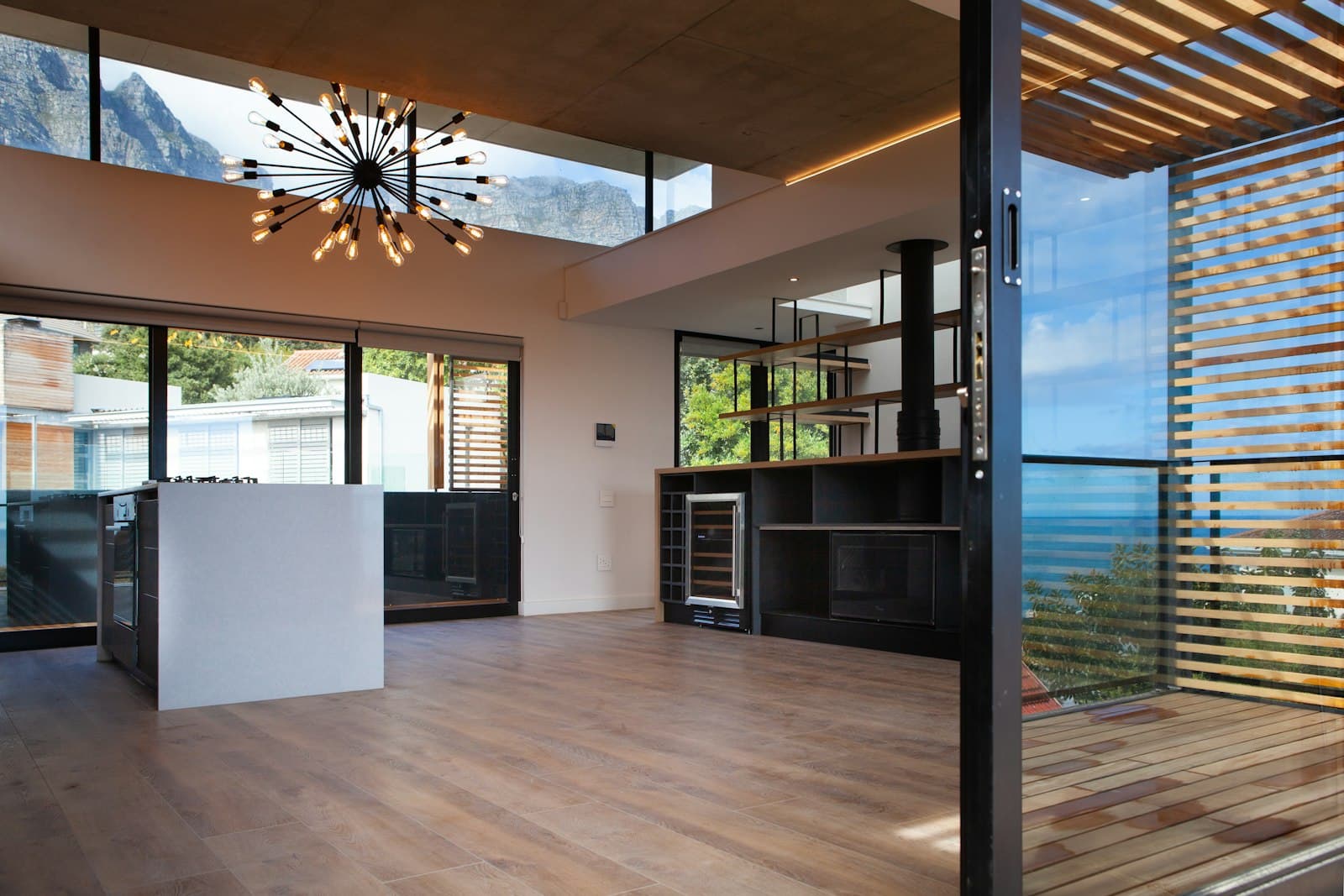
Luxury vinyl plank is sold on three numbers: the wear layer in mils, the total thickness in millimeters, and the core. The wear layer is the clear coating over the printed layer and it is the one that matters for how long the floor looks new. The thickness and core matter for how the plank behaves on your subfloor, over a basement slab, or in a sunroom that swings hot and cold. A thick plank with a thin wear layer scratches early; a thin plank with a thick wear layer telegraphs every ridge in the subfloor.
Core type is the other decision. Rigid-core planks (SPC and WPC) are stiff, click together and float over the subfloor. Flexible LVP is thinner, usually glued down, and follows whatever is under it. Rigid core hides small subfloor flaws and handles a basement slab well; glue-down takes a flatter subfloor but stays put in big rooms, under heavy furniture and in rooms that get hot.
JMB Builders installs the plank you buy, from any store or online, across the Twin Cities metro. Before you order, send the product link and photos of the room and subfloor. We tell you whether the wear layer, core and pad make sense for that floor, what quantity to order, and what trim and transitions to buy with it. Then we lay it flat, undercut the doors, set the transitions and put the base back on.
What you supply
- The product link or box label before you order: wear layer, thickness, core type, attached pad or not, click or glue-down
- Photos of the room, the floor that is there now, and any door thresholds and stair edges
- Square footage of the room measured wall to wall, plus the waste the maker calls for
- The planks, delivered and acclimating in the room per the box
- Matching transitions, stair nosings and reducers from the same line, ordered with the planks
- Paint for new base and shoe — painting is quoted as a separate line, or leave it primed and caulked and paint it yourself
What JMB supplies
- A free read of the product against your subfloor, room and use, before you order
- Removal of the old floor and disposal, when it has to come up
- Subfloor flattening: patch, sand or self-leveler to the tolerance the plank maker calls for
- Moisture check on basement slabs before anything goes down
- Separate underlayment or vapor barrier when the plank needs it, adhesive for glue-down
- Door jamb and casing undercuts, transitions and stair nosings set
- Base and shoe reinstalled or replaced, primed and caulked; painting quoted as its own line
- Photos of the finished floor in your job folder
How it is priced: per project
Quoted in writing from your photos within one business day. What moves the number:
- Floating click plank vs. glue-down, which adds adhesive, a flatter subfloor and more time
- What has to come up first: carpet and pad, old vinyl, tile, or nothing
- How much subfloor flattening or patching the plank's tolerance requires
- Basement slab moisture and whether a separate vapor barrier is needed
- Room count, closets, hallways and stairs, which add cuts and nosings
- Doors that need undercutting or trimming and base that comes off and goes back
- Painting of new base and shoe, quoted as a separate line
Send the product link, the room photos and the square footage before you order. We would rather tell you the pad is wrong for a slab before the boxes arrive.
How long it takes
One room of click LVP: a day. A main floor with hallways and closets: two to four days. Add a day when the old floor is tile or the subfloor needs leveling.
How your project works
- 1
Send photos, get a written quote
Send three photos of the space and a sentence about what you want. You get a clear, itemized quote within one business day. We only come out to measure first when the job needs a tape measure — no pressure, no games.
- 2
Pick materials, or bring your own
We help you choose profiles and materials that fit the house and the budget, or match your existing millwork exactly — or you buy the door or trim yourself and we install it. Everything is confirmed before the crew is scheduled.
- 3
Clean, precise installation
The crew shows up on time, protects floors and furniture, and installs with tight joints and consistent reveals. Photos of the finished work go in your job folder.
- 4
Walkthrough and invoice
We walk the finished work with you. If anything is not right, we fix it before we call the job done. Then one invoice, paid by check or direct deposit — no card fees, no payment links.
Situations and options
Wear layer
The clear top coat, listed in mils. Thin wear layers suit a guest room; the thicker layers sold for busy homes hold up to dogs, chairs and tracked-in grit. For a kitchen, entry, mudroom or a house with a big dog, buy the thickest wear layer the budget allows. Total plank thickness does not make up for a thin one.
Rigid core: SPC and WPC
SPC (stone-plastic composite) is dense and stiff, dents less, and hides small subfloor bumps. WPC (wood-plastic composite) is lighter, a bit softer underfoot and quieter. Both click together and float. SPC is the usual pick for basements and kitchens; WPC for bedrooms and living rooms where comfort matters more.
Flexible glue-down LVP
Thinner planks with no rigid core, glued to the subfloor. They need a flat, clean subfloor because every flaw shows through, but they stay put in long rooms, under islands and heavy furniture, and in sunrooms where a floating floor can move with heat. Also the choice where the height change at doors has to stay small.
Click vs. glue-down
Click plank floats, goes in faster, and can be pulled up later. Glue-down is fixed to the subfloor, takes adhesive and more prep, and is the better call for large open areas, rooms that get hot, and commercial-style use. Most homes get click; we say when a room is a glue-down room.
Attached pad vs. separate underlayment
Many rigid-core planks come with a pad glued to the back. Do not add a second pad under those unless the maker allows it; two pads let the joints flex and break. Planks without a pad take the underlayment the maker specifies, and a basement slab may need a vapor barrier too. The spec sheet says which; send it to us.
What we need before you order
The product link, the square footage plus waste, the room and subfloor photos, and whether the room is on a slab, over a crawlspace or upstairs. We reply with a yes on the product, the quantity, and the list of transitions, nosings and trim to order in the same line so the color matches.
Choosing LVP: Wear Layer Thickness, Core Type and What to Buy: questions, answered
What wear layer thickness should I buy for LVP?
Buy by the room. The wear layer is the clear coat over the print, listed in mils, and thicker holds up longer against grit, chairs and claws. Guest rooms and low-traffic bedrooms can take the thinner residential layers. Kitchens, entries, hallways, mudrooms and any house with a large dog should get the thickest layer in your budget. The wear layer matters more than the total plank thickness for how long the floor looks new.
What thickness LVP should I buy?
Total thickness, in millimeters, is mostly about the core. Thicker rigid-core planks are stiffer, hide small subfloor flaws better and feel more solid, but they raise the floor height, which matters at doors and at the transition to tile or hardwood. Thinner glue-down planks keep the height low but need a flatter subfloor. Pick the wear layer for the traffic first, then the thickness that suits your subfloor and door heights.
Rigid core or flexible LVP, which is better?
Rigid core (SPC or WPC) clicks together, floats over the subfloor and forgives minor bumps; it is the usual choice for basements, kitchens and most bedrooms. Flexible LVP is glued down, needs a flat subfloor, and is the better choice for large open floors, rooms that get hot from sun or a wood stove, and places where floor height has to stay low. Send a photo of the room and subfloor and we tell you which one suits it.
Does LVP with an attached pad need underlayment?
Usually not. A plank with a pad already glued to the back is meant to go straight on the subfloor, and adding a second underlayment lets the click joints flex and fail. The exceptions are a vapor barrier over a basement slab when the maker calls for one, or a specific thin underlayment the maker approves. Planks without a pad need the underlayment the spec sheet names. Send the product link and we read the sheet for you.
Is SPC or WPC better for a basement?
SPC is the more common pick for a basement slab. It is denser, stiffer and less affected by temperature swings, and it handles the small unevenness of a concrete floor. WPC is softer and warmer underfoot, which some people prefer in a finished basement living area, and it works fine on a flat, dry slab. Either way we moisture-test the slab first and use a vapor barrier if the plank maker requires one.
What should I tell you before I order vinyl plank?
Send the product link or a photo of the box label so we can see the wear layer, thickness, core, pad and click or glue-down. Add photos of the room and the current floor, the wall-to-wall square footage, and whether the room is on a slab, over a crawlspace or upstairs. We reply within one business day with whether the plank suits the floor, how much to order including waste, and which transitions, nosings and trim to buy from the same line.
Get a written quote for this job
Three photos and a sentence is enough. You hear back within one business day. Or text the photos to 763-204-2099.
Related jobs we do
LVP Flooring Installation — Luxury Vinyl Plank Installer
Luxury vinyl plank laid flat and tight — floating or glue-down, on a wood subfloor or a basement slab — by the crew that also handles the doors, the trim and the transitions.
Read moreLVP Over a Concrete Basement Floor — Moisture-Tested, Then Laid Flat
Bare or painted concrete downstairs, an old glue-down floor, or carpet you are done with — vinyl plank laid over the slab so it stays flat, tight and dry.
Read moreReplace Carpet With LVP — Carpet Out, Vinyl Plank In, One Crew
Worn, stained or allergy-trapping carpet out of the bedrooms, the living room or the whole main floor — and waterproof vinyl plank in its place, with the trim and doors handled by the same crew.
Read moreLaminate Flooring Installation — Click-Lock Laminate Installer
Click-lock laminate installed flat and quiet — the right underlayment, joints that stay tight, doors undercut and the transitions done — in bedrooms, living rooms and offices.
Read moreSubfloor Repair — Soft Spots, Water Damage and Squeaks
A floor that gives under your foot by the toilet, the patio door or the dishwasher — opened up, the rotted subfloor cut out and replaced, and the floor made solid before anything new goes over it.
Read moreHardwood Floor Installation — Nail-Down Solid and Engineered
Real wood floors, installed the way they stay flat in a Minnesota house — acclimated, nailed tight on a checked subfloor, and trimmed out by the same crew.
Read morePage reviewed September 24, 2026 · JMB Builders LLC, MN license BC809005 · All flooring pages
Where we work
Flooring near you
Based in Zimmerman, scheduling across the Twin Cities metro. Closest first: