
What to Do After Storm Damage to Your House — Homeowner Checklist
The hail has stopped, the wind is down, and there are strangers with clipboards on the block already. Here is what to do in the next hour, the next day and the next week.
What to do after storm damage to your house, in order: photograph everything before anyone touches it, get a tarp over any open roof, write down the date and time of the storm, call your insurance company to open a claim, and have a contractor meet the adjuster. Do not sign with anyone who offers to waive your deductible. JMB Builders handles the tarp, the documentation and the adjuster meeting across the Twin Cities metro, priced per project.
- Photos first, then the tarp, then the claim
- We meet the adjuster on the roof with our own photos
- Repairs priced per project from the adjuster's scope
- Licensed MN contractor BC809005
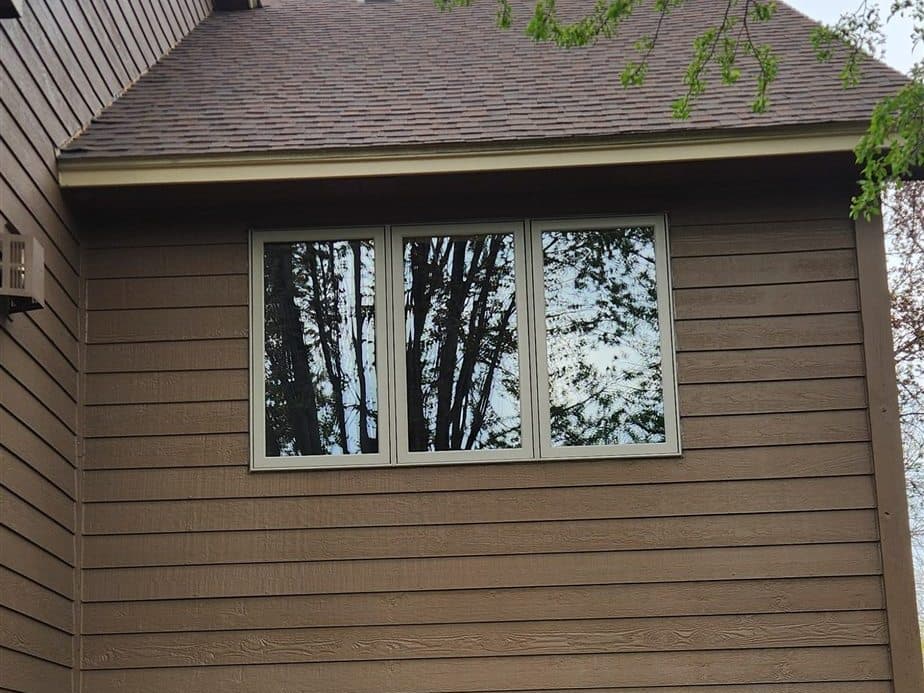
The hour after a storm is when the most mistakes get made. Somebody climbs on a wet roof. Somebody signs a contract on the porch with a company that showed up from out of state. Somebody sweeps up the broken glass and throws away the evidence. The damage is done already; what happens next decides whether the insurance claim goes smoothly or turns into a year of phone calls.
The order matters. Photos come before any cleanup, because the adjuster needs to see what the storm did, not what you did afterward. A tarp comes before the claim, because your policy expects you to keep more water out. The claim comes before the contractor's contract, because the adjuster's scope is what the repair gets priced from. And the deductible is yours to pay, in Minnesota, by law; a contractor who offers to eat it is telling you how they plan to pad the rest of the job.
JMB Builders does storm work across the Twin Cities metro: emergency tarps, the photo set, the adjuster meeting, and the roof, siding, trim, gutter and window repairs that come out of it. Send photos and we tell you what you are looking at within one business day.
What you supply
- Photos of everything before anything is cleaned up or moved, with the date and time of the storm
- Your insurance company's claim number and the adjuster's name and appointment time once you have them
- A copy of the adjuster's scope when it arrives, so the repair quote matches it line by line
- The decision on what to repair and what to leave, once you see the scope and our quote
- The deductible, paid to us like any other part of the job
What JMB supplies
- An emergency tarp on an open roof, fastened so it stays on through the next storm
- Boards over broken windows and doors until replacements are in
- A full photo set from the roof and the ground, with a chalk mark on every hail hit and a count per slope
- Meeting the adjuster at your house so damage is not missed while you stand in the yard
- A repair quote written to the adjuster's scope, with anything they missed listed separately for a supplement
- The repairs: roof, siding, exterior trim, gutters, window and door replacement, one crew
- Photos of the finished work in your job folder for your insurance file
How it is priced: per project
Quoted in writing from your photos within one business day. What moves the number:
- What the adjuster's scope covers and what it leaves out that still needs fixing
- Roof: a slope of shingles vs. a full replacement, and how many layers come off
- Siding: matching a section vs. a whole elevation when the old profile is no longer made
- Trim, gutters, window wraps and screens, which add up to a lot of small lines
- Broken glass and damaged sashes vs. windows that have to be replaced whole
- Tarp and board-up as a separate emergency line, which most policies reimburse
- Your deductible, which is yours to pay and cannot be waived by a Minnesota contractor
Send the storm date and a few photos of the worst of it. If the roof is open, say so in the first message and we schedule the tarp before anything else.
How long it takes
Tarp or board-up: same or next day. Photo set and adjuster meeting: within the week the claim is opened. Repairs: scheduled once the scope is approved; a roof and siding claim usually runs a week or two on site.
How your project works
- 1
Photos and the tarp
You photograph from the ground and send the storm date. If the roof is open or a window is out, we come out for the tarp or board-up first and photograph the roof while we are up there.
- 2
You open the claim
With your insurer, using the storm date. Tell us the adjuster's appointment as soon as you have it so we can be there.
- 3
Adjuster meeting and scope
We walk the property with the adjuster, mark every hit, and compare notes. When the scope arrives we write the repair quote to it and flag anything missing for a supplement.
- 4
Repairs
Roof, siding, trim, gutters and windows, staged in the order that keeps water out. Photos at each stage go in your job folder for the insurance file and for the depreciation release.
Situations and options
1. Photos before anything else
From the ground, every side of the house, then close-ups: dented gutters and downspouts, holes in siding, broken glass, torn screens, shingles in the yard, dents in the AC unit fins and the mailbox. Put a coin or a tape next to hail dents. Do not climb on the roof; we do that part.
2. Stop the water
An open roof or a broken window gets covered right away. A tarp that runs over the ridge and is nailed through strapping stays on; one weighted with bricks blows off tonight. Keep the receipt for anything you buy. Your policy expects you to limit further damage.
3. Write it down
The date and time of the storm, the size of the hail if you saw it, which direction the wind came from, and which sides of the house took the hit. Storms are logged; this is how the adjuster matches your claim to the event.
4. Open the claim
Call the insurance company or use the app. Give the storm date and a short list of what you see. They assign an adjuster and an appointment. You can do this before a contractor has looked at anything, and it does not commit you to a repair.
5. The adjuster meeting
Have a contractor there. We go on the roof with the adjuster, walk every slope and elevation, and point out what is easy to miss: soft metal, gutter dents, window wraps, screens, the shed roof. The adjuster writes a scope; what is on it is what gets paid.
6. Repairs and the deductible
Once the scope arrives, the repair quote is written to match it, with any missed items listed for a supplement. You pay the deductible to the contractor as part of the job. In Minnesota a contractor is not allowed to pay, waive or rebate it, so anyone offering to is padding the claim somewhere else.
What to check, by part of the house
Roof: shingles in the yard, granules in the gutters, vents and pipe boots dented. Siding: holes, cracks at the bottom edge of vinyl, chips in LP or Hardie. Windows: glass, screens, aluminum wraps, glazing beads. Trim and gutters: dents on soft aluminum. Decks, fences and the AC condenser fins.
What to Do After Storm Damage to Your House — Homeowner Checklist: questions, answered
Should I call my insurance company or a contractor first after hail?
Take photos first, then get a tarp on anything open. After that, either order works, but opening the claim early gets you an adjuster appointment sooner, and a contractor can then plan to be there. What you should not do is sign a contractor's contract before the adjuster has written a scope. A quick look from a contractor to confirm there is real damage, before you file, is reasonable and we do that from photos.
Can a contractor waive my insurance deductible in Minnesota?
No. Minnesota law bars a contractor from paying, waiving, rebating or absorbing your insurance deductible on a residential claim. An offer to do it means the cost gets hidden in the claim as inflated or invented work, which is insurance fraud you would be part of. Pay the deductible to the contractor as a normal part of the job and keep the paperwork clean.
Should I tarp my roof myself after a storm?
If water is coming in and you can reach the spot safely from a ladder, a tarp is better than nothing. Run it over the ridge so water cannot get under the top edge, and fasten it through wood strapping, not bricks. Do not walk a wet, hail-damaged or steep roof. Most policies reimburse an emergency tarp, so keep receipts, and we do it the same or next day when you call.
What does hail damage look like on a house?
On shingles, round bruises where the granules are knocked off, soft to the touch, scattered at random rather than in lines. On aluminum gutters, downspouts, window wraps and vent caps, small round dents. On vinyl siding, cracks and holes, worst on the side the storm came from; on LP or Hardie, chips out of the face. Screens tear and the fins on the AC condenser flatten. Granules piled in the gutters after a storm are a sign to get the roof looked at.
What if the adjuster misses damage?
It happens, which is why we go up with them. If the scope comes back short, we photograph what was missed, write it up as a supplement with the same line-item format the adjuster uses, and send it to the claim. Supplements are normal; most claims get at least one. It goes faster when the damage was documented before any repair started.
Do I have to use the contractor my insurance company suggests?
No. You choose the contractor. The insurer pays the claim based on the adjuster's scope, and any licensed contractor can do the work to it. Use someone local who will still be here when the depreciation check comes and when a question about the work comes up two winters from now. Ask for the Minnesota license number and look it up.
Get a written quote for this job
Three photos and a sentence is enough. You hear back within one business day. Or text the photos to 763-204-2099.
Related jobs we do
Hail Damage Roof Inspection and Insurance Claim Repair
After a hailstorm the question is simple: is there real damage, and is it enough to matter? We look, we document, and we tell you straight before anyone calls your insurance company.
Read moreHail Damaged Trim Replacement — Insurance Claim Trim Repair
The roof and siding are on the claim and a crew is lined up for them. The dented window wraps, the cracked shutters and the trim line items are still sitting on the scope with nobody to do them. That is the work we take.
Read moreSiding Repair — Storm, Hail and Woodpecker Damage
Wind took a run of siding off the gable, hail cracked the west wall, or a woodpecker found the LP — we repair the section, fix what is under it, and match it as close as the product allows.
Read moreRoof Leak Repair — Pipe Boots, Valleys and Chimney Flashing
A brown ring on the ceiling, a drip down the furnace flue, water in the attic under a vent — we find where it gets in and fix that spot, not the whole roof.
Read moreGutter Installation — Seamless Gutters and Downspouts
Gutters that hang straight, drain to the right corner and stay on the house through a Minnesota winter, hung on fascia that has been checked first.
Read moreChimney Flashing Repair — Step and Counter Flashing Rebuilt
A stain on the ceiling next to the fireplace, wet brick in the attic, a ring of roof cement around the chimney — the flashing rebuilt in metal, cut into the brick, so it stays fixed.
Read morePage reviewed September 24, 2026 · JMB Builders LLC, MN license BC809005 · All roofing pages
Where we work
Roofing near you
Based in Zimmerman, scheduling across the Twin Cities metro. Closest first: