
Window Well Installation and Covers — Wells Replaced, Gravel and Drain
A well rusted through at the bottom, one the snowblower crushed, one that fills with water every spring, or an egress well that needs a ladder and a cover — replaced, drained and covered so the basement stays dry.
JMB Builders does window well installation and covers across the Twin Cities metro: rusted, crushed or missing galvanized wells replaced at basement windows, new wells set for egress windows, gravel and a drain at the bottom so they do not fill, and clear or grate covers to keep rain, leaves and kids out. The well is anchored to the foundation and sealed. The egress window itself is a window job, quoted separately. Priced per well.
- Priced per well, quoted from photos
- Galvanized or composite wells, anchored and sealed
- Gravel and a drain at the bottom of every well
- Clear polycarbonate or grate covers, openable from inside
- Licensed MN contractor BC809005
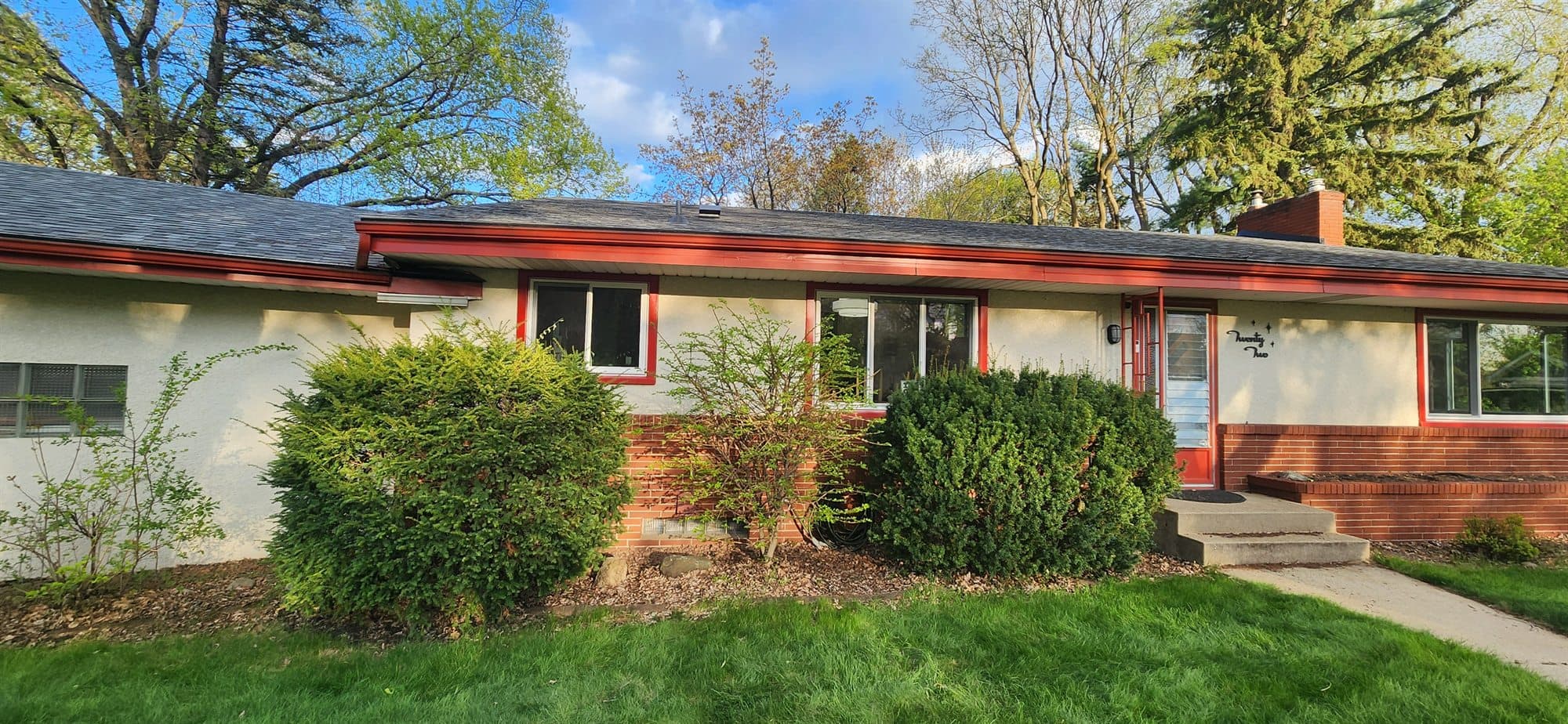
A window well has two jobs: hold the soil back from a below-grade window, and get rid of the water that lands in it. Galvanized wells rust through at the bottom after enough winters, plastic ones crack when the snowblower hits them, and the ones that were set without gravel under them fill like a bucket in a spring rain and put water straight through the window. The fix is a new well set right: gravel at the bottom, a drain if there is anywhere for it to go, anchored to the foundation, and a cover on top.
The build: the old well is unbolted and pulled, the soil behind it is dug out to the bottom of the window plus room for gravel, and the foundation wall is cleaned where the new well will land. The new well is set with its top a little above the finished grade so surface water runs around it, not into it, and the flanges are anchored to the concrete or block with masonry anchors and sealed. The bottom gets clean gravel to below the window sill. Where the house has exterior drain tile, a drain from the well ties into it; where it does not, a deeper gravel sump under the well takes the water. Then the soil goes back and is graded away from the well.
Egress wells are the same job bigger. A bedroom or basement egress window needs a well wide and deep enough to climb out of, with a built-in ladder or steps when it is deep, and a cover that opens from inside without tools or a key. We set the well and cover to the code requirements for egress; the window itself, if it is being cut in or replaced, is a window job and gets quoted on its own by our window side, and the two are scheduled together. Covers on ordinary wells are clear polycarbonate bubbles or flat covers that keep rain and leaves out, or steel grates where someone might step on them.
What you supply
- A photo of each well from outside and one from inside the basement, and a note on which ones fill with water
- The well style you prefer: galvanized steel, composite or plastic, or a stacked-block look; we order it
- The cover type: clear bubble, flat polycarbonate, or a steel grate, and whether it needs to hold a person's weight
- Sprinkler lines and buried downspout runs near the wells pointed out; the locate does not mark those
What JMB supplies
- Utility locate, and the old well unbolted, pulled and hauled
- Excavation to the bottom of the well plus gravel depth, and the foundation face cleaned
- New well set above grade, anchored to the foundation with masonry anchors and sealed at the flanges
- Clean gravel at the bottom and a drain tied to the drain tile where there is one, or a gravel sump where there is not
- Egress wells with a ladder or steps and a cover that opens from inside, set to the egress requirements
- Clear, flat or grate cover fitted to the well and fastened so wind and kids cannot lift it
- Soil backfilled and graded away from the well, sod or rock restored, and photos in your job folder
How it is priced: per unit
Quoted in writing from your photos within one business day. What moves the number:
- Number of wells in the visit, and which are standard basement wells vs. egress wells
- Well material: galvanized steel is the least expensive, composite and stacked-block wells cost more
- Depth of the well, which sets the digging and the gravel, and whether it needs a ladder
- Whether there is drain tile to tie into, or the well needs a gravel sump dug under it
- Cover type: a clear bubble, a flat polycarbonate cover, or a load-rated steel grate
- Concrete block vs. poured foundation, which changes the anchors and the sealing
- Landscape rock, a deck or a walk in the way of the digging
- Regrading around the well where the yard slopes toward it
Send a photo of each well from outside and one from inside, and tell us which ones take on water. If the egress window itself is being replaced, say so and we quote the window separately in the same email.
How long it takes
One standard well with a cover: half a day. A deep egress well with a ladder and a drain: a day. Several wells around a house: one to two days. Add the window schedule when an egress window goes in at the same time.
How your project works
- 1
Send photos, get a written quote
Send three photos of the space and a sentence about what you want. You get a clear, itemized quote within one business day. We only come out to measure first when the job needs a tape measure — no pressure, no games.
- 2
Pick materials, or bring your own
We help you choose profiles and materials that fit the house and the budget, or match your existing millwork exactly — or you buy the door or trim yourself and we install it. Everything is confirmed before the crew is scheduled.
- 3
Clean, precise installation
The crew shows up on time, protects floors and furniture, and installs with tight joints and consistent reveals. Photos of the finished work go in your job folder.
- 4
Walkthrough and invoice
We walk the finished work with you. If anything is not right, we fix it before we call the job done. Then one invoice, paid by check or direct deposit — no card fees, no payment links.
Situations and options
Rusted well replaced
A galvanized well rusted through at the bottom is pulled, the hole is cleaned out, gravel goes in, and a new galvanized or composite well is anchored and sealed. The most common call, usually paired with a cover.
Well that fills with water
The well is pulled, a drain is tied to the drain tile or a gravel sump is dug below it, fresh gravel goes in, and the grade around the well is fixed so the yard stops draining into it. A cover keeps the rain out of the well in the first place.
Egress well with ladder and cover
A well sized and set for an egress window, with a built-in ladder or steps when it is deep and a cover that opens from inside without tools. The window is quoted on its own by our window side and the two go in the same week.
Covers only
Wells are fine, they just need covers: clear bubbles or flat polycarbonate on standard wells, a grate on one under a deck or walk, and an inside-openable cover on an egress well. Measured, ordered and fitted in one short visit.
Stacked-block or composite well
For a finished basement bedroom where the view out the window matters: a terraced composite well or a stacked landscape-block well with steps, set on gravel with the same drain. Costs more than steel and looks like part of the yard.
Window Well Installation and Covers — Wells Replaced, Gravel and Drain: questions, answered
Why does my window well fill with water?
There is nowhere for the water to go. Wells set without gravel under them, or with a drain that silted up, hold rain and snowmelt like a bucket, and a yard that slopes toward the well or a downspout that lands near it keeps it full. The fix is gravel to below the sill, a drain tied to the drain tile or a gravel sump under the well, the grade around it corrected, and a cover so most of the rain never gets in.
Do window wells need a drain?
They need somewhere for water to go. When the house has exterior drain tile at the footing, a pipe from the bottom of the well tied into it is the best drain there is. When there is no drain tile, a deeper pocket of clean gravel under the well lets the water soak away. Either one only works if the gravel stays clean, so a cover that keeps leaves and dirt out is part of the same fix.
Can you replace a window well without replacing the window?
Yes, and most of the time that is the job. The old well unbolts from the foundation, the new one is set and anchored beside the same window, and the window is not touched. If the window itself is fogged, rotted or is being upsized to an egress window, that is a window job we quote on its own, and the well and the window go in together in the same visit or the same week.
What are the requirements for an egress window well?
The code sets a minimum size for the well so a person can get out and a firefighter can get in, requires a ladder or steps when the well is deeper than a set height, and requires that any cover opens from inside without tools or special knowledge. The numbers are set by the state code and your city, and we build to them rather than quote them here. The window opening has its own size requirements, which is the window side of the job.
Which window well cover is best?
A clear polycarbonate bubble or flat cover for a standard well: it keeps rain, leaves and animals out and still lets light in. A steel grate where people or a mower could step on the well, or where the cover needs to hold weight. On an egress well the cover has to open from inside without tools, so it is a hinged or lift-off polycarbonate cover, not a screwed-down grate. We measure each well and order the cover to fit.
How do you attach a window well to the foundation?
With masonry anchors through the well's flanges into the concrete or block, and a bead of sealant behind each flange so water does not run down between the well and the wall. The well is set with its top rim above the finished grade so surface water goes around it, and the soil is backfilled and graded away from it. On a block foundation the anchors go into the block webs, not the hollow cores.
Recent JMB work, from our job log
59 installs recorded across 30 Twin Cities communities since Dec 2025. Window and door installs for homeowners and for the builders and dealers we sub for. Counts come straight from our job log; no customer names.
Get a written quote for this job
Three photos and a sentence is enough. You hear back within one business day. Or text the photos to 763-204-2099.
Related jobs we do
Yard Drainage Solutions — Grading and Buried Downspout Extensions
Water in the window well, a wet corner of the basement every spring, a side yard that is mud until June — most of it is fixed outside with a shovel, some pipe and the right grade.
Read moreBasement Window Trim-Out — Half-Below-Grade & Egress Windows
Thick foundation walls, a sill that sweats every winter, an egress unit sitting in a window well — basement windows need trim built for a basement, not copied from upstairs.
Read moreEgress Window Trim — Finish the Inside of an Egress Window
The well is dug, the concrete is cut, the window is in. Inside, you have a foot-deep hole with foam and bare lumber. We finish it so it looks like part of the room.
Read moreReplace a Glass Block Window With One That Opens
Glass block lets light in and nothing else: no air, no view, no way out. We take it out of the foundation and put in a basement window that slides or tilts open.
Read moreLandscape Rock Installation — River Rock Beds and Foundation Rock
Rock is the bed you do not redo every two years: no mulch washing out, no re-spreading, and a clean line along the foundation, the deck or the fence that stays.
Read moreFence Post Replacement — Rotted or Heaved Wood Posts Reset
One post is gone at the ground and the section beside it is flat on the lawn; the rest of the fence is fine. That is a post job, not a fence job, and it is priced by the post.
Read morePage reviewed September 26, 2026 · JMB Builders LLC, MN license BC809005 · All landscaping pages
Where we work
Landscaping near you
Based in Zimmerman, scheduling across the Twin Cities metro. Closest first: