
Pollinator Garden Installation — Native Bed With a Mowed Edge
A native bed that looks planned has an edge, plants in groups and a shape. We do the sod removal and the planting; the bees do the rest.
Pollinator garden installation takes a piece of lawn and makes it a native planting bed: sod stripped, the bed shaped with a mowed strip or steel edge so it reads as a garden, native perennials and grasses planted in groups by height and bloom time, and mulch between them while they fill in. JMB Builders installs them across the Twin Cities metro, including beds planned for the state's Lawns to Legumes program. Priced per project by area and plant count.
- Priced per project, by bed area and plants
- Sod out, natives planted in groups, mulched
- A clean edge so the neighbors see a garden
- Quote from photos, reply within one business day
- Licensed MN contractor BC809005
Send photos and hear back within one business day — or book a free in-home estimate.
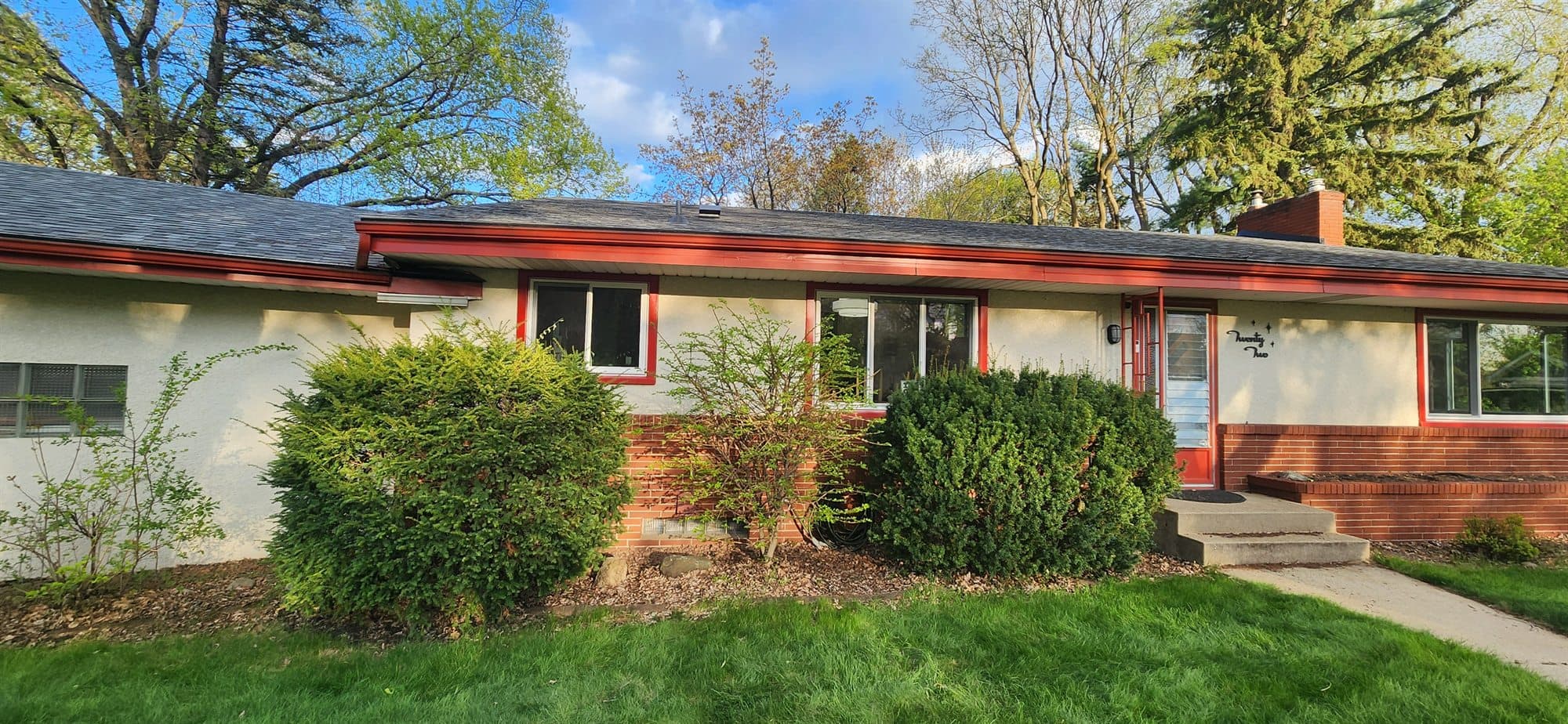
A pollinator garden is a perennial bed of native plants, and the difference between one that gets compliments and one that gets a letter from the city is the edge and the layout. Natives planted in a loose scatter with no border look like the lawn was let go. The same plants in a bed with a clear shape, a mowed strip or a steel edge around it, taller plants to the back and groups of the same plant together, look like a garden from the street. We build the second kind.
The sod comes out first, cut and hauled, since natives planted into turf lose to the grass. The bed is shaped to the yard, often a curve off a corner of the lawn or a strip along the drive, and edged. Plants go in from a list we write for the spot: sun or shade, dry or wet, bloom spread from spring to fall, with milkweed for the monarchs, coneflower, bee balm, blazing star, asters and a native grass or two for structure, in groups of three or five so each shows. Shredded mulch goes between them for the first couple of seasons while they fill in, and we leave you the watering schedule and the plant map.
If you are applying to the state's Lawns to Legumes program for a pollinator planting, we plan the bed to fit what the program asks for and give you the plant list and the layout for the application. A bee lawn, fescue overseeded with clover and creeping thyme that you mow high, is the other way to go, and we do that as a lawn job.
What you supply
- A photo of the spot and how much sun it gets through the day
- How big and what shape, or let us suggest one from the photo
- Preferences: a few plants you want, colors, how tall it can be, and whether it is for a program application
- Water through the first season; the plants are tough once rooted and need little after
What JMB supplies
- A plant list and layout for the spot: sun, soil, height and bloom time, in groups
- Sod cut and hauled, soil loosened, no fertilizer
- Bed shaped and edged with a mowed strip or a steel edge
- Native perennials and grasses bought from a native plant nursery and planted to the layout
- Shredded mulch between the plants for the fill-in years
- A plant map and a watering and first-year care sheet, and photos in your job folder
How it is priced: per project
Quoted in writing from your photos, with a reply within one business day. What moves the number:
- Bed area, which sets the sod to remove and the plant count
- Plant size: plugs and small pots cost less and fill in slower than larger pots
- Steel edge vs. a mowed strip
- Soil: a bed in heavy clay or a wet spot gets different plants and more prep
- A bed planned for a program application, with the plant list written to fit
- Access for sod hauling and mulch delivery
Send a photo of the spot at midday and say how big you are thinking. The light and the size set the plant list, and the quote covers plants, sod removal, edge and mulch.
How long it takes
A bed off a corner of the lawn: one day, sod out through planting and mulch. A larger front-yard conversion: two days. The bed fills in over two to three seasons.
How your project works
- 1
Send photos, get a written quote
Send three photos of the space and a sentence about what you want. You get a clear, itemized reply within one business day. Prefer a look in person? A free in-home estimate is always an option.
- 2
Pick materials, or bring your own
We help you choose profiles and materials that fit the house and the budget, or match your existing millwork exactly — or you buy the door or trim yourself and we install it. Everything is confirmed before the crew is scheduled.
- 3
Clean, precise installation
The crew shows up on time, protects floors and furniture, and installs with tight joints and consistent reveals. Photos of the finished work go in your job folder.
- 4
Walkthrough and invoice
We walk the finished work with you. If anything is not right, we fix it before we call the job done. Then one invoice, paid by check or direct deposit — no card fees, no payment links.
Situations and options
Corner pollinator bed
A curved bed off a corner of the lawn, edged, with a dozen or two native species in groups. The common first pollinator garden and the easiest to keep looking planned.
Boulevard or driveway strip
The strip along the drive or the street converted to short natives that take heat and salt, kept low so sight lines stay open. Checked against city rules for the boulevard.
Rain garden that is also a pollinator bed
A basin that takes a downspout, planted with natives that handle wet and dry. Drainage and pollinators in one bed; see the rain garden page for the digging side.
Bee lawn conversion
The lawn itself overseeded with fine fescue, clover and creeping thyme and mowed high, so it blooms and still works as a lawn. Done as a lawn renovation rather than a bed.
Pollinator Garden Installation — Native Bed With a Mowed Edge: questions, answered
How do you make a pollinator garden look neat?
Give it an edge, a shape and groups. A mowed strip or a steel edge around the bed, a clear outline that fits the yard, taller plants to the back, and each species planted in a group of three or five instead of scattered. Mulch between the plants for the first couple of years. A bed built that way reads as a garden from the street even in April when nothing is up.
What native plants are good for pollinators in Minnesota?
Milkweed for monarchs, purple coneflower, bee balm, blazing star, black-eyed Susan, asters and goldenrod for fall, wild lupine and columbine for spring, with little bluestem or prairie dropseed for structure. The list for your bed depends on sun and soil, and it is written so something is blooming from spring through fall. We buy from a native plant nursery so the plants are the real species, not cultivars that feed nothing.
Do you remove the grass before planting natives?
Yes, always. Natives planted into turf lose to the grass in the first season. The sod is cut and hauled, the soil loosened, and the plants go into bare ground with mulch between them. No fertilizer: natives want lean soil and fertilizer just feeds the weeds.
Can you help with the Lawns to Legumes program?
Yes. The state's Lawns to Legumes program supports pollinator plantings on residential lots, and the application wants a plan and a plant list. We plan the bed to fit what the program asks for and give you the plant list and the layout drawing for your application. The program's rules and timing are on the state's site; we do the planning and the planting side.
How much work is a pollinator garden to maintain?
Water the first season, pull the weeds that come into the mulch for the first couple of years while the plants fill in, and cut it back once in late spring, leaving the stems standing over winter for the insects that overwinter in them. After it fills in, the plants shade out most weeds and it needs less than a lawn. We leave a care sheet for the first year.
Will the city complain about a native garden in my front yard?
Not about a bed with an edge, a shape and a mulched surface, which is a garden under any city's rules. Trouble comes from a yard that looks unmanaged: no edge, tall plants to the sidewalk, weeds mixed in. We keep the bed back from the walk and the street, keep the boulevard low if it is planted, and build it so it is obviously planned.
Recent JMB work, from our job log
59 installs recorded across 30 Twin Cities communities since Dec 2025. Window and door installs for homeowners, builders and dealers. Counts come straight from our job log; no customer names.
Get a written quote for this job
Three photos and a sentence is enough: a reply within one business day, or ask for a free in-home estimate. Or text the photos to 763-204-2099.
Related jobs we do
Rain Garden Installation in Anoka County — Dug, Amended, Planted
Roof water that sits on the lawn for days, a downspout that washes out the bed, or a watershed program that will help pay for a rain garden if it is built right.
Read moreShrub Planting Service and Tree Planting — Foundation Plantings
Dead junipers in front of the picture window, a bare foundation on a new house, or a fence line that needs screening — planted right so it is still alive in three years.
Read moreSteel Landscape Edging Installed — Steel and Aluminum Bed Edging
Plastic edging heaves, kinks and pops up every spring. A steel edge set right is a straight line between lawn and bed that holds for years.
Read moreSod Installation — New Lawn Sod and Sod Repair Patches
A lawn that never came back, a new house sitting in dirt, or a strip of bare ground where the trench went through — sodded on prepped soil so it takes root instead of shrinking.
Read moreDeer Fence for a Vegetable Garden — Tall Fence With Buried Rabbit Wire
Deer go over a short fence and rabbits go under a tall one. A garden fence that works does both jobs: height for the deer, buried wire for the rabbits.
Read moreAccent Boulder Placement — Landscape Boulders Set by Machine
A boulder that was set right looks like it was always there; one dropped on the mulch looks like a delivery. We dig the seat, set the stone and bury its base.
Read morePage reviewed October 1, 2026 · JMB Builders LLC, MN license BC809005 · All landscaping pages
Where we work
Landscaping near you
Based in Zimmerman, scheduling across the Twin Cities metro. Closest first: