
Low Voltage Landscape Lighting — Path, Step and Wall Lights Installed
Steps you can see at night, a lit front walk and a wall that glows under the cap, all on a low voltage system that plugs into an outdoor outlet.
Low voltage landscape lighting installation is a plug-in transformer on an exterior GFCI outlet, a buried wire run, and fixtures: path lights along the walk, step lights set into paver or block steps, wall lights under retaining wall caps and uplights on trees and the house. JMB Builders installs it across the Twin Cities metro, often as part of a patio or wall job, priced per project by the fixture count and the wire run.
- Priced per project, by fixtures and wire run
- Transformer plugs into an exterior GFCI outlet
- Fixtures such as Kichler, Volt or FX Luminaire
- Quote from photos, reply within one business day
- Licensed MN contractor BC809005
Send photos and hear back within one business day — or book a free in-home estimate.
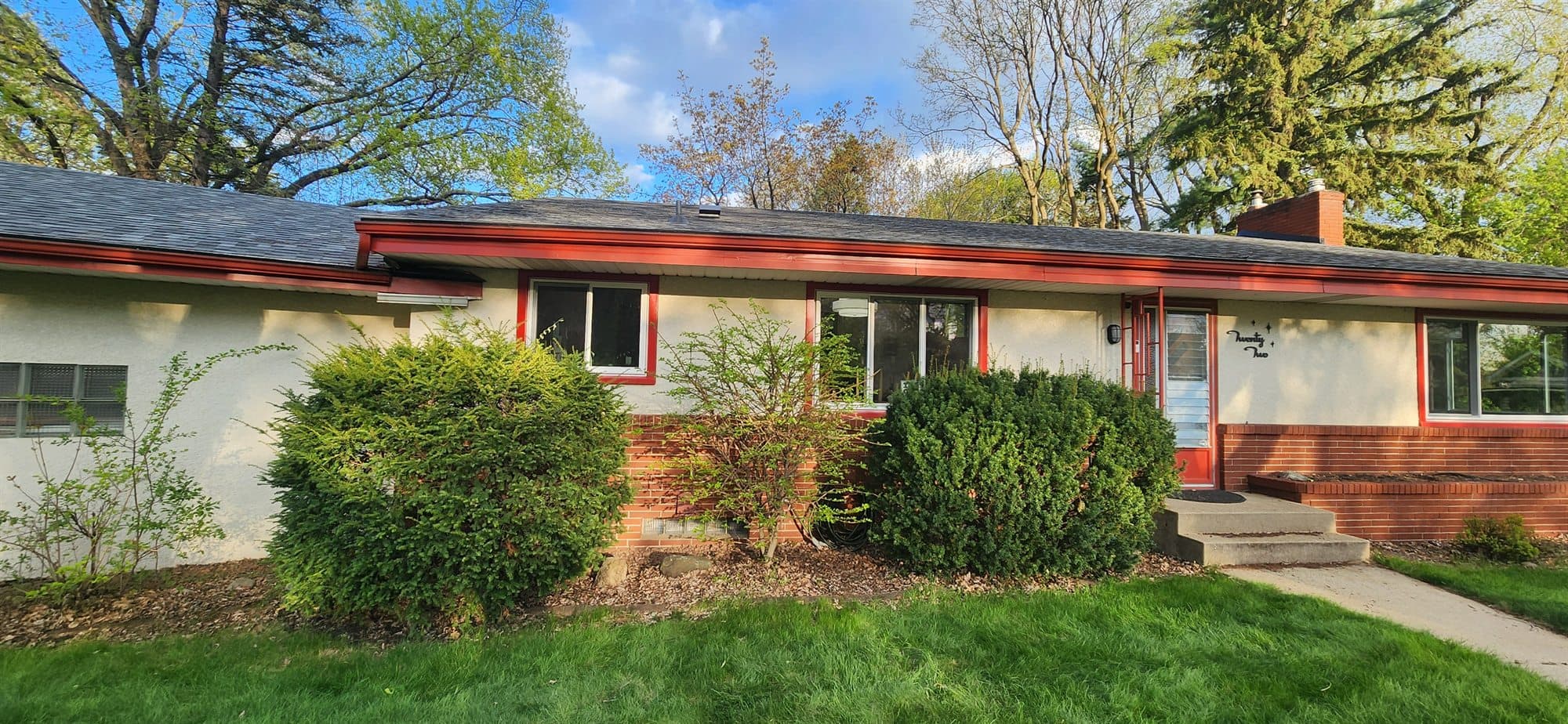
Low voltage lighting is the lighting a carpenter's crew can install: a transformer that plugs into an outdoor GFCI outlet steps house power down to a safe low voltage, and from there the wire is buried a few inches deep and the fixtures clip onto it. No permit, no electrician, as long as there is an exterior outlet to plug into. If there is not, a new outlet is put in by a licensed electrician first and we take it from there.
The job is layout first. Path lights go where you walk, spaced so the pools of light meet, not in a runway down both sides. Step lights set into the risers or under the caps of paver and block steps light the tread without glare, and they are easiest to install while the steps are being built, so we plan them into patio and wall jobs. Wall lights under a retaining wall or seat wall cap wash the face of the wall. Uplights at the base of a tree or the corner of the house pick out the things you want seen from the street.
The wire is sized for the run so the last fixture is as bright as the first, buried in a slit cut in the lawn or tucked under the edge of a bed, and connected with waterproof connectors. The transformer gets a photocell and a timer so it comes on at dusk and off when you want. Fixtures are brass or aluminum LED units from makers such as Kichler, Volt or FX Luminaire, and we help you pick by look and by how the light falls.
What you supply
- An exterior GFCI outlet near where the transformer goes; if there is not one, a licensed electrician adds it first
- What you want lit: the walk, the steps, a wall, trees, the front of the house
- Fixture style preference, or we show you options from makers such as Kichler, Volt or FX Luminaire
- Sprinkler lines marked along the wire route
What JMB supplies
- A layout walked with you at the house, with fixture spots marked
- Transformer sized for the system with a photocell and timer, mounted by the outlet
- Low voltage wire sized for the run, buried in a slit in the lawn or along the bed edge
- Path, step, wall and uplight fixtures with LED lamps, set and aimed at dusk
- Step and wall lights built into paver steps and walls when we are building them
- Waterproof connectors at every fixture, and photos in your job folder
How it is priced: per project
Quoted in writing from your photos, with a reply within one business day. What moves the number:
- Number of fixtures and the mix of path, step, wall and uplights
- Fixture grade: aluminum vs. brass, and the maker
- Length of the wire runs and how many runs from the transformer
- Step and wall lights built into new work vs. retrofitted into existing steps and walls
- Burying wire across lawn vs. along beds, and any crossings under walks
- Whether a licensed electrician has to add an exterior outlet first
Send a photo of the front of the house at dusk and of the walk, steps or wall you want lit, and a photo of the nearest outdoor outlet. We lay it out from that.
How long it takes
Path and uplights on a front yard: one day. Step and wall lights added while a patio or wall is built: an extra half day on that job.
How your project works
- 1
Send photos, get a written quote
Send three photos of the space and a sentence about what you want. You get a clear, itemized reply within one business day. Prefer a look in person? A free in-home estimate is always an option.
- 2
Pick materials, or bring your own
We help you choose profiles and materials that fit the house and the budget, or match your existing millwork exactly — or you buy the door or trim yourself and we install it. Everything is confirmed before the crew is scheduled.
- 3
Clean, precise installation
The crew shows up on time, protects floors and furniture, and installs with tight joints and consistent reveals. Photos of the finished work go in your job folder.
- 4
Walkthrough and invoice
We walk the finished work with you. If anything is not right, we fix it before we call the job done. Then one invoice, paid by check or direct deposit — no card fees, no payment links.
Situations and options
Path lights along the walk
Low fixtures spaced along the front walk and the path to the patio, staggered so the light pools meet. The first system most people put in.
Step lights in paver or block steps
Small fixtures set into the riser or under the cap of each step, lighting the tread without glare. Best installed while the steps are built, with the wire run inside the base.
Retaining wall and seat wall lights
Hardscape lights set under the cap of a wall every few feet, washing the face of the block. Wired while the wall goes up, or retrofitted by lifting the caps.
Uplights on trees and the house
Ground-mounted spots at the base of a tree or the corners of the house, aimed up. Picks out the house from the street and lights the yard without a flood on a pole.
Deck and railing lights
Post cap lights and under-rail strips on a deck, run from the same transformer. Done with a deck build or added to an existing one.
Low Voltage Landscape Lighting — Path, Step and Wall Lights Installed: questions, answered
Does low voltage landscape lighting need an electrician?
Not for the lighting itself. The transformer plugs into an exterior GFCI outlet and everything past it is low voltage, which does not need a permit or a licensed electrician to install. If there is no outdoor outlet where the transformer needs to go, a licensed electrician adds one, and the lighting is installed after that.
How deep is landscape lighting wire buried?
Low voltage wire goes a few inches down, in a slit cut in the lawn with a flat spade or tucked along the edge of a bed under the mulch. Deep enough to be out of the way of an aerator and the edger, shallow enough to find and add to later. Under a walk or driveway it goes through a sleeve.
Can you add lights to steps that are already built?
Yes. On paver or block steps the cap or a riser block is lifted, the fixture set into a notch and the wire run behind it, and the cap set back. It is more work than building them in from the start, so if steps or a wall are in your plans, the lights go in with them.
What landscape lighting fixtures do you use?
LED fixtures from makers such as Kichler, Volt or FX Luminaire, in cast aluminum or brass. Brass costs more and holds up longest; powder-coated aluminum is fine for most yards. We bring a few to the layout walk so you can see the size and the color of the light before anything is ordered.
Will landscape lights come on by themselves?
Yes. The transformer gets a photocell so the lights come on at dusk, and a timer so they go off at the hour you set, or a photocell at both ends so they run dusk to dawn. Some transformers add an app control. Nothing to switch on, and the LED lamps draw little power.
Do landscape lights survive a Minnesota winter?
Yes, if they are set and wired right. Fixtures are rated for outdoor use and the connectors are waterproof. Path lights in the lawn take a hit from the snowblower, so they are set at the bed edge rather than in the path of the blower, and step and wall lights are flush in the hardscape where nothing touches them. Aim and height are checked again in spring.
Recent JMB work, from our job log
59 installs recorded across 30 Twin Cities communities since Dec 2025. Window and door installs for homeowners, builders and dealers. Counts come straight from our job log; no customer names.
Get a written quote for this job
Three photos and a sentence is enough: a reply within one business day, or ask for a free in-home estimate. Or text the photos to 763-204-2099.
Related jobs we do
Block Steps Installation — Paver and Retaining Wall Block Stairs
Timber steps rotting into the hill, a front walk that ends in a scramble up the grade, or a retaining wall you need to get through — steps built in block that stay level and even.
Read morePaver Walkway Installation — Front Walks and Paths
A cracked, heaved front walk is the first thing a visitor steps on. A paver walk on a proper base stays flat, sheds water, and can be reset if the ground ever moves.
Read morePaver Patio With Seat Wall — Capped Seating Wall Around a Patio
Seating along the edge that never gets put away — a block wall at sitting height, capped and glued, on a base that keeps it level with the patio.
Read moreRetaining Wall Cap Replacement — Loose, Broken and Missing Caps Reset
Caps that slide when you sit on them, split in the frost, or went missing after the plow — reset with adhesive on a level top course so they stay put.
Read moreFront Yard Landscape Makeover — Foundation Beds Torn Out and Redone
The yews are over the windows, the mulch is gone and the edge is lost in the lawn. We take it all out and put back beds that fit the house.
Read moreAccent Boulder Placement — Landscape Boulders Set by Machine
A boulder that was set right looks like it was always there; one dropped on the mulch looks like a delivery. We dig the seat, set the stone and bury its base.
Read morePage reviewed October 1, 2026 · JMB Builders LLC, MN license BC809005 · All landscaping pages
Where we work
Landscaping near you
Based in Zimmerman, scheduling across the Twin Cities metro. Closest first: