
Paver Driveway Apron — Paver Border and Edge on a Driveway
The concrete apron at the garage is cracked, the asphalt edge is crumbling into the lawn, or you want a band of pavers to dress up a plain driveway — cut out, based and set to carry a vehicle.
JMB Builders builds paver driveway aprons and paver borders across the Twin Cities metro: a band of pavers at the garage door or the street end, or a paver edge along both sides of an asphalt or concrete drive. The old apron or edge is cut out, a deep class 5 base is compacted, and driveway-rated pavers go on bedding sand with a concrete or spiked edge restraint. Priced per project after a site measure.
- Priced per project after a site measure
- Driveway-rated pavers on a deep compacted base
- Apron at the garage, the street, or both
- Borders along asphalt or concrete drives
- Licensed MN contractor BC809005
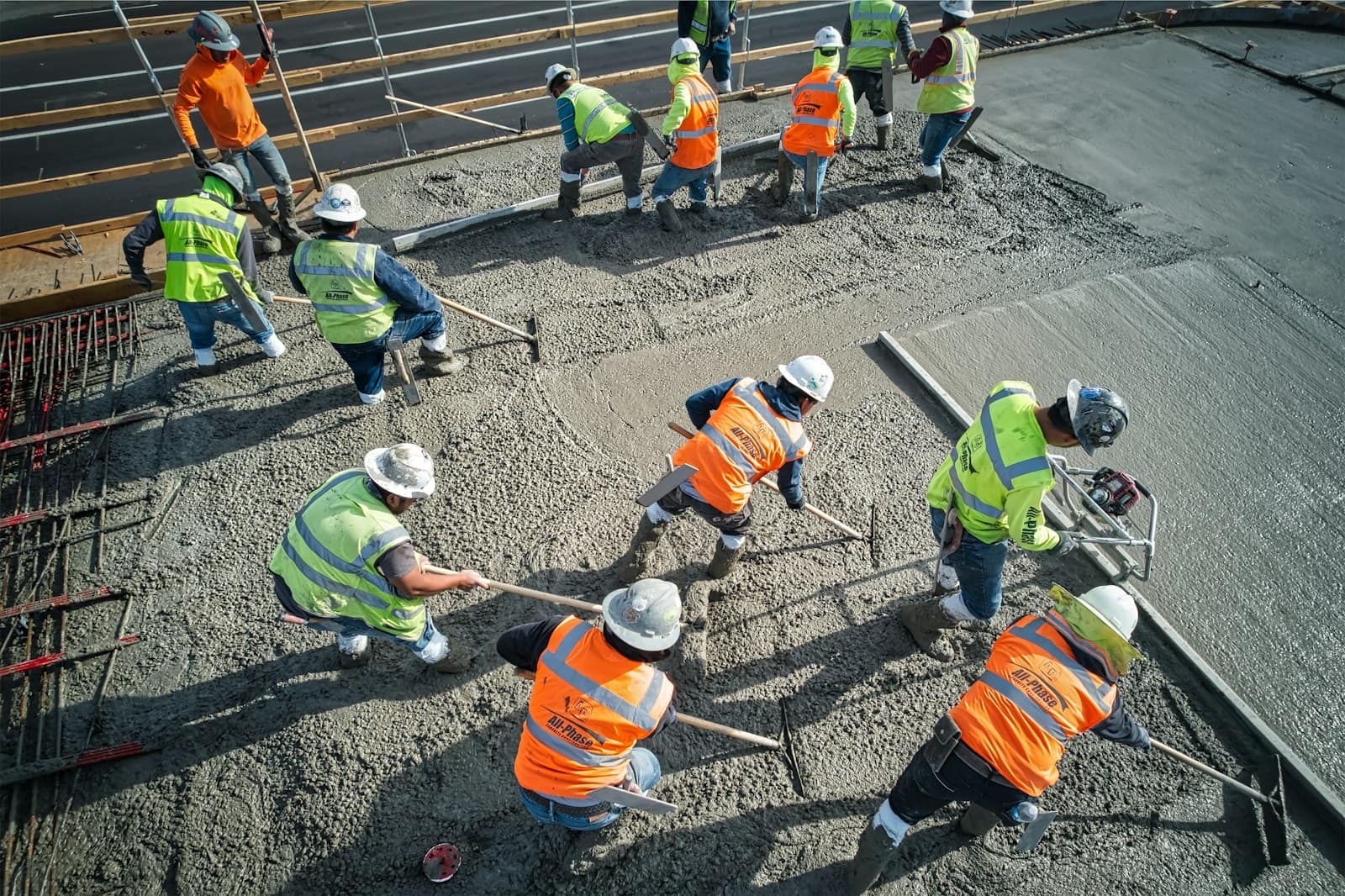
A driveway apron is the strip a car crosses every day, and it carries more load than any patio. The pavers on it need to be a driveway-rated thickness, and the base under them needs to be deeper and compacted harder than a walkway base. Most paver aprons that rut or spread were built with a patio base. Ours are not.
The build: saw-cut a straight line in the existing asphalt or concrete, break out the old apron or edge, dig to driveway depth, and compact class 5 in lifts. On the compacted base goes a screeded layer of bedding sand, then the pavers in the pattern you picked, cut tight to the garage slab and the drive. The edge gets a restraint the paver base needs: a concrete curb poured against the outside course, or a heavy plastic edge spiked into the base. Polymeric sand swept in and set locks the joints.
A border along the sides of a driveway is the same job in a narrow strip: a soldier course or a double row of pavers set on a compacted base so the asphalt has an edge that will not crumble and the mower has a clean line. At the street end, the apron between the sidewalk and the curb is often city right-of-way, and some cities want that piece kept in concrete or permitted. We check your city before we quote that end.
What you supply
- The paver style and color, picked at a supply yard or from samples; we order and deliver
- Photos of the apron or edge from the garage and from the street, and of the driveway surface next to it
- Whether the apron is at the garage, the street, or both, and how wide a band you want
- A place to stage pallets and a spoils pile, and the driveway kept clear during the job
What JMB supplies
- Site measure, a utility locate, and a check of city rules for the street end
- Saw-cutting the asphalt or concrete to a straight line and breaking out the old apron or edge
- Excavation to driveway depth and haul-off of spoils and broken concrete
- Class 5 base compacted in lifts with a plate compactor
- Bedding sand screeded flat, driveway-rated pavers laid and cut to fit
- Concrete curb or spiked plastic edge restraint on every open edge
- Polymeric sand swept and set, and the surface compacted with a pad on the plate
- Photos of the finished apron in your job folder
How it is priced: per project
Quoted in writing from your photos within one business day. What moves the number:
- Square footage of the apron or the length of the border, and how wide the band is
- Paver choice: a standard driveway paver vs. a large-format or permeable unit
- Concrete to break out and haul vs. asphalt, which cuts and lifts faster
- Whether the drive slopes toward the garage and needs a drain or a slight regrade at the apron
- The pattern: a running bond is fast, a herringbone with a soldier border means more cuts
- Concrete curb edge restraint vs. spiked plastic edging
- City permit or right-of-way rules at the street end
Send a photo from the garage looking out and one from the street looking in, and say how wide a band you have in mind. That is enough to schedule the site measure.
How long it takes
A garage apron: two to three days including cure time on a concrete edge. Borders on both sides of a drive: about the same. Both ends of a long drive: about a week.
How your project works
- 1
Send photos, get a written quote
Send three photos of the space and a sentence about what you want. You get a clear, itemized quote within one business day. We only come out to measure first when the job needs a tape measure — no pressure, no games.
- 2
Pick materials, or bring your own
We help you choose profiles and materials that fit the house and the budget, or match your existing millwork exactly — or you buy the door or trim yourself and we install it. Everything is confirmed before the crew is scheduled.
- 3
Clean, precise installation
The crew shows up on time, protects floors and furniture, and installs with tight joints and consistent reveals. Photos of the finished work go in your job folder.
- 4
Walkthrough and invoice
We walk the finished work with you. If anything is not right, we fix it before we call the job done. Then one invoice, paid by check or direct deposit — no card fees, no payment links.
Situations and options
Paver apron at the garage door
The cracked or heaved concrete band in front of the garage slab replaced with pavers. The most common request: it takes the freeze-thaw movement the concrete could not, and a paver can be pulled and reset if one ever moves.
Paver apron at the street
The band where the drive meets the sidewalk or curb. This is often city right-of-way and some cities require concrete or a permit there. We check before we quote and build it to what the city allows.
Paver border along a driveway
A soldier course or double row down each side of an asphalt or concrete drive, set on its own compacted base with edge restraint. It stops the asphalt edge from crumbling and gives the lawn and beds a clean line.
Paver band across a driveway
A decorative strip partway down the drive, or a band that carries a walkway across it. Set flush with the drive on the same deep base as an apron so tires cross it without a bump.
Paver Driveway Apron — Paver Border and Edge on a Driveway: questions, answered
Can you replace a concrete driveway apron with pavers?
Yes. We saw-cut a straight line where the apron meets the drive and the garage slab, break out the concrete, dig the base to driveway depth and compact it, and set driveway-rated pavers on bedding sand with an edge restraint. The joint against the garage slab and the drive is cut tight and sanded so tires cross it flush.
Are pavers strong enough for a driveway?
Driveway-rated pavers are thicker than patio pavers and are made for vehicle loads. What matters more is the base: a deep, compacted class 5 base under the sand carries the weight, and a solid edge restraint keeps the pavers from spreading. Built that way, a paver apron takes a car, a truck and a plow blade.
Why put a paver border along a driveway?
Asphalt has no edge of its own; it crumbles where the lawn meets it and the mower catches it. A paver border on a compacted base gives the asphalt a hard edge, a clean line for the mower, and a strip that stays put when the drive is plowed. It is also the cheapest way to make a plain driveway look finished.
Do I need a permit for a paver apron at the street?
Often, yes, for the piece between the sidewalk and the curb, because that strip is usually city right-of-way. Some cities want it kept in concrete, some allow pavers with a permit, and some do not care. It varies by city, so we check yours before quoting that end. The apron at the garage is on your property and normally needs no permit.
Will the pavers heave in a Minnesota winter?
Not if the base is right. Frost heave comes from water sitting in a shallow base and freezing. A deep, compacted, well-drained class 5 base does not hold water, so it does not heave. If a paver ever does move, it lifts out and resets, which a cracked concrete apron cannot do.
Can you plow over a paver apron?
Yes. Keep the plow blade shoes set so the blade rides on the surface, and use a plastic edge on a snowblower if it has one. The polymeric sand in the joints holds the pavers so a blade does not catch an edge. We set the apron flush with the drive on both sides so there is no lip to hit.
Get a written quote for this job
Three photos and a sentence is enough. You hear back within one business day. Or text the photos to 763-204-2099.
Related jobs we do
Paver Walkway Installation — Front Walks and Paths
A cracked, heaved front walk is the first thing a visitor steps on. A paver walk on a proper base stays flat, sheds water, and can be reset if the ground ever moves.
Read morePaver Patio Installation — Built on a Base for Minnesota Frost
A backyard paver patio that is still flat after the fifth winter: the base does that, and the base is where we spend the time.
Read morePaver Repair — Relevel Sunken Pavers and Reset a Patio
Pavers are the one patio you can fix instead of replace. A sunken corner, a heaved walk or a whole wavy patio comes up, gets a new base, and goes back down flat.
Read moreRetaining Wall Installation — Block Walls Built and Repaired
A slope that will not hold, a bed that spills onto the driveway, or a block wall that is leaning out after ten winters — built or rebuilt on a base with drainage behind it.
Read moreYard Drainage Solutions — Grading and Buried Downspout Extensions
Water in the window well, a wet corner of the basement every spring, a side yard that is mud until June — most of it is fixed outside with a shovel, some pipe and the right grade.
Read moreBlock Steps Installation — Paver and Retaining Wall Block Stairs
Timber steps rotting into the hill, a front walk that ends in a scramble up the grade, or a retaining wall you need to get through — steps built in block that stay level and even.
Read morePage reviewed September 24, 2026 · JMB Builders LLC, MN license BC809005 · All pavers pages
Where we work
Pavers near you
Based in Zimmerman, scheduling across the Twin Cities metro. Closest first: