
Quarter Round After LVP — Shoe Molding After New Flooring
The flooring crew left and there is a gap along every wall. We close it with shoe molding or quarter round, coped at the corners, so the floor looks finished.
JMB Builders installs quarter round after LVP, laminate and hardwood across the Twin Cities metro. Floating floors need an expansion gap at every wall, and that gap shows under the old baseboard once the plank is down. We run shoe molding or quarter round tight to the floor, cope the inside corners, return the ends at doorways, and fill and caulk it ready for paint. Priced per linear foot, quoted from your photos within one business day.
- Priced per linear foot, whole house or one room
- Nailed to the baseboard, never to the floor
- Quote from photos in 1 business day
- Licensed MN contractor BC809005
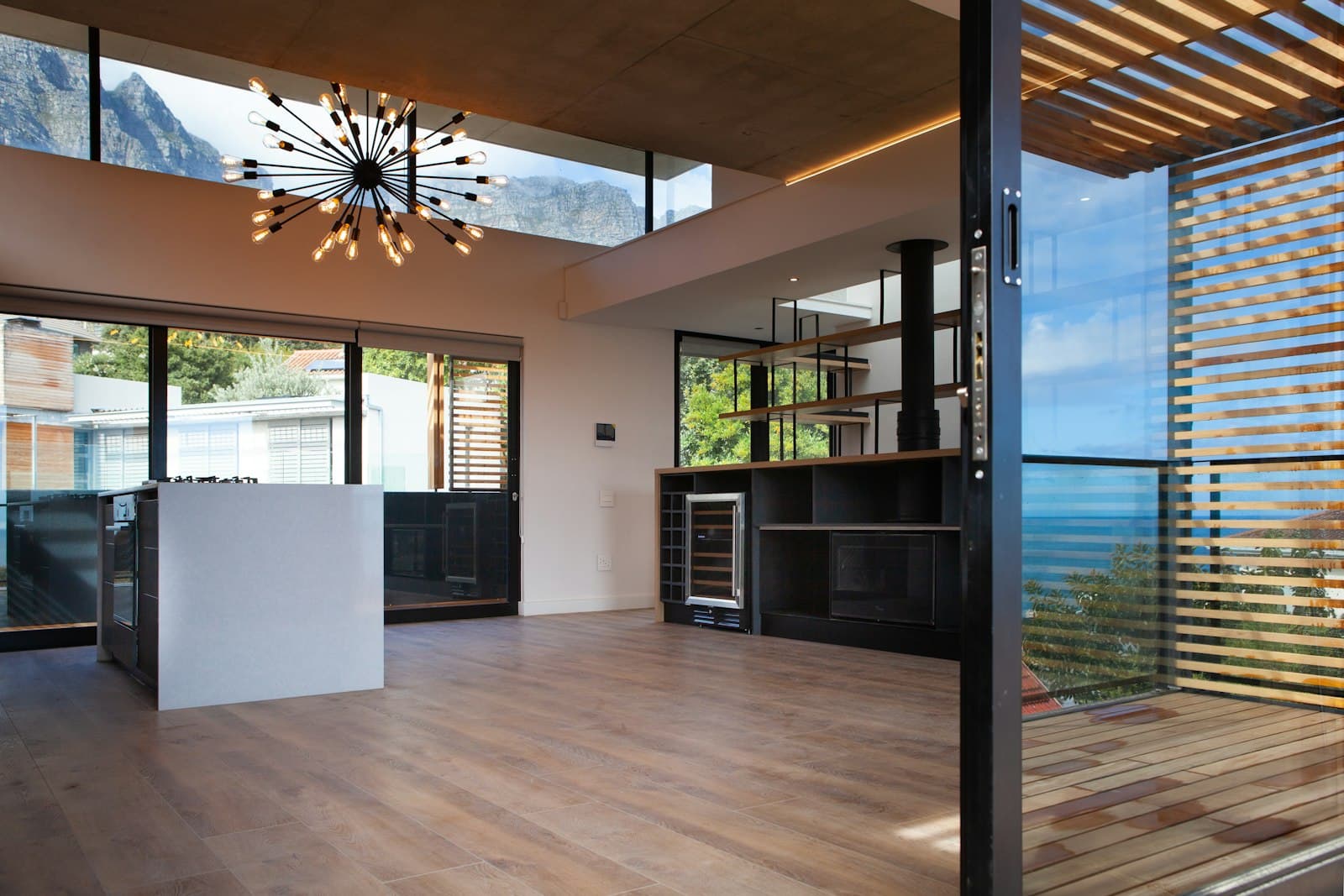
Vinyl plank, laminate and engineered floors float. They are laid with a gap at every wall so the floor can move with the seasons, and the flooring installer usually stops there because the trim is a carpenter's job. When the old baseboard stays, the gap shows under it. Shoe molding or quarter round covers it: a small profile nailed to the baseboard, never to the floor, so the plank can still slide underneath.
Shoe is taller than it is deep and reads lighter against the base; quarter round is a true quarter circle and covers a wider gap. Both get coped at inside corners, mitered at outside corners, and finished with a small mitered return where they die into a door casing or a cabinet. Primed pine or finger-joint shoe is standard for painted trim; stained oak or maple shoe when the base is stained. Painting is quoted as a separate line, or leave it primed and caulked and paint it yourself.
What you supply
- Nothing but the rooms — we bring standard primed shoe and quarter round
- Stained shoe to match if your base is stain-grade, or tell us the species and we source it
- Paint color if we finish it — painting is quoted as a separate line, or paint it yourself
What JMB supplies
- Primed pine or MDF shoe molding or quarter round in standard profiles
- Pin nails and glue at the corners, coped inside corners, mitered returns at casings
- Removal of any old shoe left behind
- Fill, sand and caulk between the shoe and the base
- Trimming the flooring edge back where the installer left it too tight for the shoe to sit flat
- Photos of the finished rooms in your job folder
- Painting of the new shoe when you want it done, quoted as its own line
How it is priced: per linear foot
Quoted in writing from your photos within one business day. What moves the number:
- Total linear feet — a whole main floor vs. one room
- Shoe vs. quarter round, primed vs. stain-grade species
- Number of inside and outside corners and doorway returns
- Old shoe that has to be pulled and the base cleaned up first
- Walls where the baseboard has to be reset or replaced instead of trimmed
- Painting the shoe, quoted as its own line
Send a photo of each room from the doorway and a close-up of the gap at a wall and at a doorway. Rough wall lengths help. We measure on site only if needed.
How long it takes
One room: an hour or two. A whole main floor of shoe or quarter round: most of a day, more with many corners and closets.
How your project works
- 1
Send photos, get a written quote
Send three photos of the space and a sentence about what you want. You get a clear, itemized quote within one business day. We only come out to measure first when the job needs a tape measure — no pressure, no games.
- 2
Pick materials, or bring your own
We help you choose profiles and materials that fit the house and the budget, or match your existing millwork exactly — or you buy the door or trim yourself and we install it. Everything is confirmed before the crew is scheduled.
- 3
Clean, precise installation
The crew shows up on time, protects floors and furniture, and installs with tight joints and consistent reveals. Photos of the finished work go in your job folder.
- 4
Walkthrough and invoice
We walk the finished work with you. If anything is not right, we fix it before we call the job done. Then one invoice, paid by check or direct deposit — no card fees, no payment links.
Situations and options
Shoe molding
Taller than it is deep, with a small profile that sits back against the baseboard. The usual choice for painted trim because it reads as part of the base rather than a separate piece.
Quarter round
A true quarter circle that covers a wider gap than shoe. Used where the flooring gap is larger, where the base is short, or when the existing rooms already have quarter round and you want them to match.
Stain-grade shoe
Oak, maple or another species to match stained baseboard, stained and finished before or after it goes on. Corners are coped tighter because there is no caulk to hide a gap.
Gap too big — reset the base
When the new floor is much lower than the old one, or the base was set high for thick carpet, shoe will not cover it. The baseboard comes off and gets reset to the new floor, priced on the baseboard page.
Quarter Round After LVP — Shoe Molding After New Flooring: questions, answered
Should I use quarter round or shoe molding after LVP?
Shoe molding is the better-looking choice on most painted trim. It is taller than it is deep, so it sits close to the base and does not stick out into the room. Quarter round is a full quarter circle and covers a wider gap, which matters when the flooring gap is big or the base is short. If the rest of the house already has one or the other, match it.
Why did the flooring installer leave a gap at the walls?
Floating floors have to. Vinyl plank, laminate and engineered wood expand and contract with humidity, and the gap at the wall gives them room to move. The manufacturer sets the gap width. The installer is doing it right; the trim that hides it is a separate job, and it is the one we do.
Do you nail the quarter round to the floor or the baseboard?
To the baseboard, angled slightly down, never into the floor. If the shoe is nailed to a floating floor, it pins the plank and the floor can buckle or open a seam when it moves. The shoe sits on the floor but is fastened only to the base, so the plank can slide under it.
Can you install shoe molding without removing the baseboard?
Yes, that is the point of it. The base stays where it is and the shoe covers the gap between the base and the new floor. The only time the base has to come off is when the gap is bigger than any shoe profile will cover, usually because the old floor was thick carpet and the base was set high.
What if the gap is too big for shoe molding?
Then the baseboard is the problem, not the shoe. We pull the base, reset it down to the new floor, and run shoe under it if the floor still needs the expansion room. In some rooms a taller base is the better fix. Send a photo with a tape measure at the gap and we will tell you which it is.
Do you paint the shoe molding?
Yes, as a separate line on the quote. The shoe goes in primed, filled and caulked, and painting it to match the base is its own price. You can also paint it yourself; the caulk line is already done.
Get a written quote for this job
Three photos and a sentence is enough. You hear back within one business day. Or text the photos to 763-204-2099.
Related jobs we do
Flooring Transition Strip Installation — Reducers and T-Molding
The new floor stops at the doorway with a raw edge, or the flooring crew left the transition strips in the box. We fit and set them so every doorway is finished and nothing catches a foot.
Read moreBaseboard & Casing Installation
Straight lines, tight miters, and coped inside corners — baseboard and window & door casing installed room by room or across your whole home.
Read moreShorten Doors After New Flooring — Cut Down Doors That Rub
The flooring crew finished, the doors do not close anymore, and cutting them was not in their contract. We cut them down cleanly and hang them back the same day.
Read moreBasement Finishing Trim Carpenter — Doors, Casing and Baseboard
The drywall is done and the basement is a set of bare openings. We hang the doors and run every stick of trim so the space is ready for paint and carpet.
Read moreAttic Hatch Trim — Casing, Painted Panel and Insulated Lid
The scuttle hole with a raw drywall edge and a loose square of drywall dropped on top of it: we case it, build a real lid, seal it and insulate it.
Read moreAttic Ladder Installation — Pull-Down Stairs, New or Replacement
A hallway scuttle hole you need a stepladder for, or an old attic ladder that groans every time it opens — we frame the opening, set the new unit level and case it so it looks like part of the ceiling.
Read morePage reviewed September 24, 2026 · JMB Builders LLC, MN license BC809005 · All finish carpentry pages
Where we work
Finish carpentry near you
Based in Zimmerman, scheduling across the Twin Cities metro. Closest first: