
Steel vs Vinyl Siding in Minnesota — Hail, Fade, Dents and Cost
You have two quotes in front of you, one for vinyl and one for steel, and you want a straight answer on what the difference buys you on a Minnesota house.
Steel vs vinyl siding in Minnesota comes down to hail, sun and budget. Vinyl costs less, never needs paint, cracks in a hard hailstorm or when hit cold, and fades. Steel costs more, dents instead of cracking, holds its color and does not burn, but a dent is forever and repairs need a matching panel. JMB Builders installs both across the Twin Cities metro and will say which fits your lot. Licensed MN contractor BC809005. Free in-home estimate.
- Vinyl cracks in hail; steel dents
- Steel holds color; vinyl fades on the south side
- Both installed over new wrap and flashing
- Free in-home estimate with samples
- Licensed MN contractor BC809005
Send photos and hear back within one business day — or book a free in-home estimate.
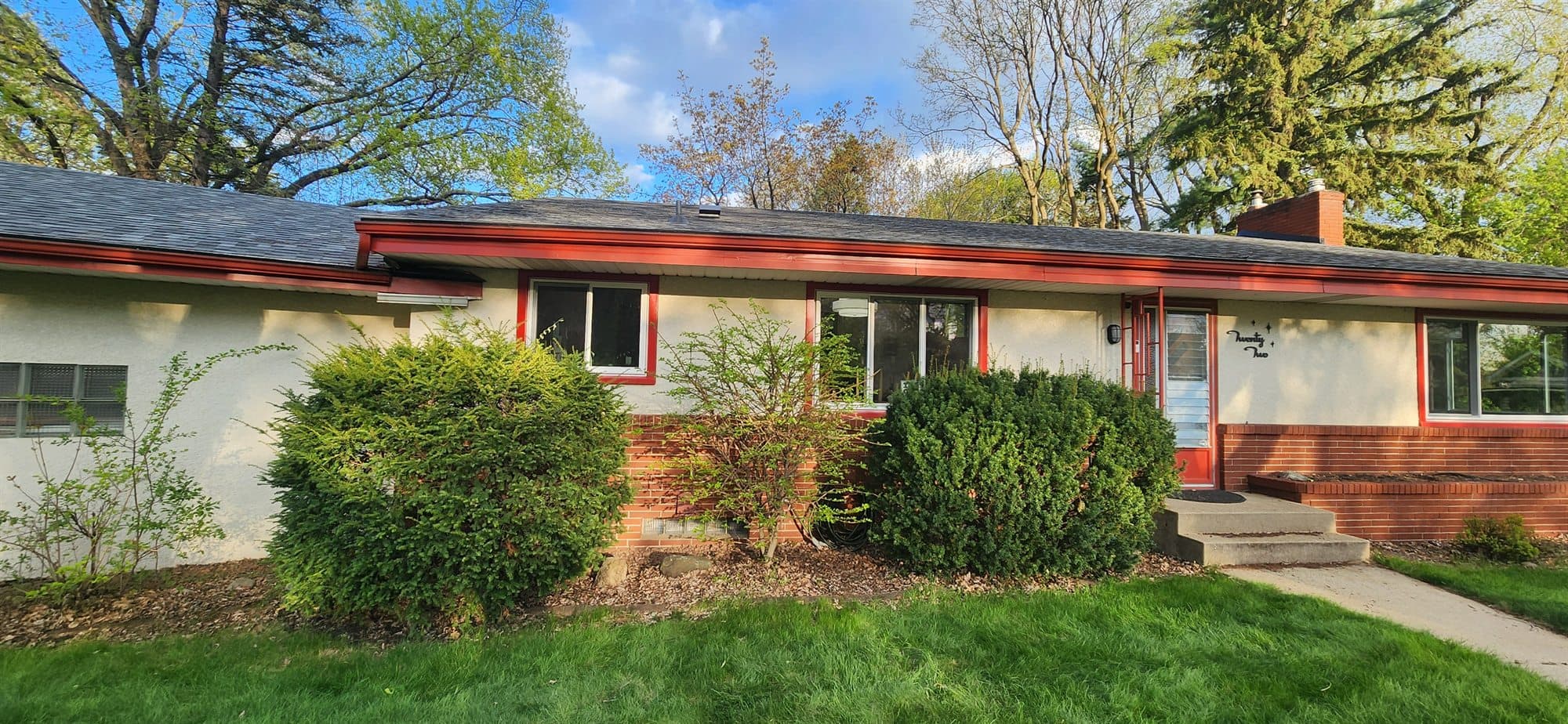
Vinyl and steel are the two sidings that never need paint, and in the Twin Cities they are the two most people choose between on a budget job. They fail differently. Vinyl is a plastic panel hung loose on the wall; it moves with the temperature, it cracks when hail or a baseball hits it cold, and the south and west walls fade over the years. Steel is a painted metal panel fastened tight; it does not move much, it dents when hail hits it hard enough, and the paint holds its color for decades. Neither one rots and neither one burns, though vinyl melts and steel does not.
Hail is the Minnesota question. A moderate hailstorm cracks and chips vinyl, especially older, thinner panels on a cold day, and the insurance claim replaces the walls that were hit. The same storm leaves steel with small dents that most people cannot see from the yard and that the policy may call cosmetic and not pay for. A severe storm dents steel badly and the whole wall is replaced either way. So the honest trade is: vinyl gets replaced after a big storm on the insurer's money, steel mostly shrugs it off and when it does not, you may be arguing about cosmetic exclusions. Ask your agent how your policy treats metal siding before you decide.
Everything else is smaller. Vinyl comes in more profiles and textures and costs less per square. Steel comes in lap and in seamless runs up to the length of the wall, which means no overlap joints on a long rambler. Vinyl is repaired a panel at a time with a zip tool, if the color is still made; a steel repair means a matching panel and a careful seam. Vinyl installed in winter needs cold handling; steel does not care. Both go over the same wrap, flashing and trim, and the install underneath is the same job.
What you supply
- Photos of the house and a note on the lot: open field, lake shore, tree cover or a tight city lot
- Your hail history and how your policy treats metal siding, which your agent can tell you
- Your budget range in rough terms so we quote the right version of each
- The look you want: lap, dutch lap, board and batten, shakes, or seamless runs
What JMB supplies
- Samples of vinyl and steel in current profiles and colors at the free in-home estimate
- A straight recommendation for your house and lot, with the reasons
- Quotes for both when you want to compare, with the same wrap, flashing and trim under each
- Tear-off, sheathing repair, house wrap and flashing, the same for either material
- Vinyl hung loose on the nails and gapped for the season, or steel fastened and seamed to the manufacturer's instructions
- Corner posts, J-channel or trim boards, and blocks for lights, vents and hose bibs
- Photos of the wrapped house and the finished siding in your job folder
How it is priced: per project
Quoted in writing from your photos, with a reply within one business day. What moves the number:
- Steel costs more per square than vinyl; the gap narrows on a plain rambler and widens on a busy elevation
- Vinyl grade: thin builder panels vs. thicker, insulated-backed panels that resist hail better
- Steel type: lap panels vs. seamless runs formed on site, which cost more and need a long truck
- Trim at the windows and doors, which is the same count either way but priced differently in each material
- Squares, stories and staging, the same for both
- Sheathing repair found after tear-off, the same for both
Tell us the lot and your hail history and we will tell you which one we would put on the house. Two quotes if you want them.
How long it takes
Either material on a rambler: about a week. A two-story: one to two weeks. Seamless steel adds a day for the forming truck and the long panels.
How your project works
- 1
Send photos, get a written quote
Send three photos of the space and a sentence about what you want. You get a clear, itemized reply within one business day. Prefer a look in person? A free in-home estimate is always an option.
- 2
Pick materials, or bring your own
We help you choose profiles and materials that fit the house and the budget, or match your existing millwork exactly — or you buy the door or trim yourself and we install it. Everything is confirmed before the crew is scheduled.
- 3
Clean, precise installation
The crew shows up on time, protects floors and furniture, and installs with tight joints and consistent reveals. Photos of the finished work go in your job folder.
- 4
Walkthrough and invoice
We walk the finished work with you. If anything is not right, we fix it before we call the job done. Then one invoice, paid by check or direct deposit — no card fees, no payment links.
Situations and options
Vinyl: the budget answer
Lowest cost per square, the most profiles and colors, no paint ever. Choose a thicker panel on a lot that sees hail. Expect fade on the south and west walls over the years and a crack or two from hail, repaired a panel at a time.
Steel lap: the hail answer
Pre-formed steel lap panels with factory color. Dents instead of cracks, no fade, does not melt near a grill or a neighbor's reflective window. Fewer textures than vinyl. The right pick on open lots north and west of the metro.
Seamless steel: long walls, no joints
Steel formed on site to the length of each wall, so a long rambler has no overlap seams. The cleanest look in steel and the highest cost. Worth it on a lake place or a ranch with sixty-foot walls.
Split the difference
Steel on the walls that face the open sky and take the hail, vinyl on the sheltered sides and the back. The colors are matched across the two materials and the corners carry the change. Cuts the cost and puts the steel where it earns it.
Steel vs Vinyl Siding in Minnesota — Hail, Fade, Dents and Cost: questions, answered
Is steel siding better than vinyl for hail in Minnesota?
For keeping the siding intact, yes. Hail cracks and chips vinyl, especially thinner panels on a cold day, and the damaged walls get replaced. Steel takes small dents that most people cannot see from the yard and stays weather-tight. The catch is insurance: small dents in steel may be called cosmetic and not covered, while cracked vinyl is a straightforward claim. Ask your agent how your policy treats metal siding before choosing.
Does steel siding cost a lot more than vinyl?
Steel costs more per square, and seamless steel more than steel lap. The gap is smallest on a plain rambler with few windows and largest on a busy two-story with lots of trim. The wrap, flashing and tear-off under them cost the same. We will quote both on your house if you want to see the difference in your own numbers rather than in general.
Does vinyl siding fade and does steel?
Vinyl fades, mostly on the south and west walls, and darker colors fade more; after fifteen years a replacement panel in the same color will not match the wall around it. Steel holds its factory color for decades with little change. If you want a dark color on a sunny lot, that is an argument for steel or for one of the fade-resistant vinyl lines.
Which is easier to repair, steel or vinyl siding?
Vinyl, if the color is still made: a cracked panel unlocks with a zip tool and a new one snaps in. If the color is discontinued, the repair shows or the wall gets replaced. Steel repairs mean cutting out the dented panel and seaming in a matching one, which takes more care and a panel in the same color run. Neither is hard for a siding crew; vinyl is faster.
Does steel siding rust or get hot?
Steel siding is galvanized and painted at the factory and does not rust in normal service; cut edges are the only place it can start, and they are capped or sealed. It does not get hotter than vinyl in the sun in any way you would notice inside, since both sit over the same wrap and sheathing. Steel does not melt, which vinyl does near a grill or across from a neighbor's reflective windows.
Can vinyl and steel siding be installed in winter?
Both can. Steel cuts and fastens the same in the cold. Vinyl is brittle when cold and has to be stored warm, cut with a fine blade and gapped longer for summer expansion. Sealants for either material have a minimum temperature on the label. If the job has to happen in January, steel is the easier material; vinyl is fine with the right handling.
Recent JMB work, from our job log
59 installs recorded across 30 Twin Cities communities since Dec 2025. Window and door installs for homeowners, builders and dealers. Counts come straight from our job log; no customer names.
Get a written quote for this job
Three photos and a sentence is enough: a reply within one business day, or ask for a free in-home estimate. Or text the photos to 763-333-4066.
Related jobs we do
Siding Replacement Contractor — New Siding on the Whole House
The siding is worn out, the paint is failing or the hail got it, and you want one contractor to take it to the sheathing and put the whole exterior back right.
Read moreSteel Siding Installation — Steel Lap Siding for Minnesota Homes
Siding that hail dents instead of cracks, woodpeckers give up on and never needs paint — steel lap or board-and-batten hung over fresh housewrap with the flashing done right.
Read moreVinyl Siding Installation and Replacement
New vinyl siding that stays flat and stays on: the wrap and flashing underneath done properly, the panels hung with room to move, and the windows and doors trimmed so they do not look like an afterthought.
Read moreVinyl vs LP SmartSide vs Hardie — Best Siding for Minnesota
Three sidings, one Minnesota winter, one hailstorm a summer. Here is how each one holds up, what it takes to install, and which we would put on your house.
Read moreHail-Dented Steel Siding Claim — Cosmetic Exclusions and Matching
Steel siding sold itself on hail. The west wall still has a dent every hand-width from the storm, and the adjuster used the word cosmetic. Here is what that word means on your policy and what to put in the file.
Read moreAluminum Siding Replacement — Dented, Chalking Panels Off, New Siding
The aluminum siding has been on since the sixties, the paint rubs off white on your hand, and every panel below shoulder height has a dent in it.
Read morePage reviewed October 2, 2026 · JMB Builders LLC, MN license BC809005 · All siding pages
Where we work
Siding near you
Based in Zimmerman, scheduling across the Twin Cities metro. Closest first: