
Pole Barn Condensation Fix — Stop the Roof Steel From Dripping
Frost on the underside of the roof every clear cold night, then a rain shower inside at ten in the morning when the sun hits the steel. It is not a leak, and it has a fix that starts with air, not insulation.
JMB Builders fixes pole barn condensation across the north metro and central Minnesota. A steel roof drips because warm, damp air inside meets steel as cold as the night sky, so the fix goes in order: vent the building at the ridge and eaves, cut the moisture at the floor and the heater, then insulate under the steel with a vapor barrier when the building is heated. Priced per project, quoted from your photos within one business day.
- Vent first, then moisture, then insulate
- Ridge vent and eave vents added to an existing roof
- Unheated storage and heated shops fixed differently
- Quote from photos in 1 business day
- Licensed MN contractor BC809005
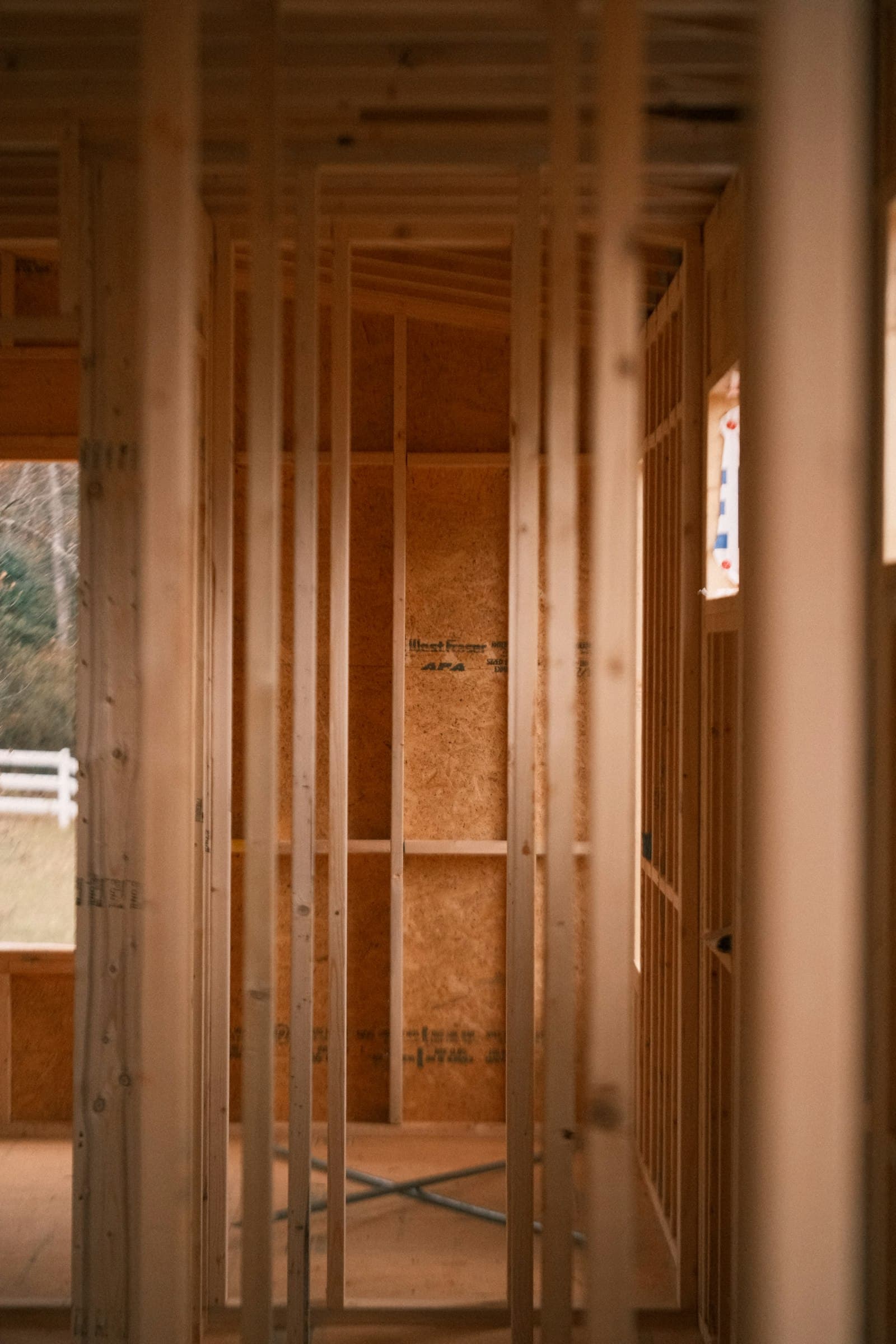
A pole barn drips in winter for one reason: the roof steel gets colder than the air inside the building, and the water in that air condenses on it. On a clear night the steel radiates heat to the sky and drops below the air temperature, so even an unheated barn frosts up. The moisture comes from the truck that came in covered in snow, the wet gravel or dirt floor, the animals, and an unvented propane or kerosene heater, which puts a lot of water into the air. When the sun warms the roof in the morning the frost melts and it rains on everything under it. Rust on the tools and mold on the stored lumber follow.
The fixes go in order from cheapest to most involved. Ventilation first: a vented ridge cap with a closure that lets air out but keeps snow out, and vented eave closures or soffit vents that let air in, so the air in the barn is as dry and as cold as the air outside and the steel never sees a big difference. Most unheated storage buildings stop dripping with that alone, plus a look at where the moisture comes from: no unvented heater, snow knocked off the equipment outside, and a concrete floor with a vapor barrier under it where the floor is dirt or gravel that never dries.
A heated shop needs more, because heated air holds more water and the steel is still cold. That is insulation under the roof steel with a sealed vapor barrier on the warm side, or a flat ceiling with insulation above it and vents above that, or closed-cell foam sprayed on the underside of the steel with a truck-mounted spray rig, which seals, insulates and is its own vapor barrier. A vinyl-faced blanket stuffed between the purlins with the facing torn and unsealed is the version we get called to redo. The full insulate-and-line job is on its own page; this one is about finding the cause and fixing the drip.
What you supply
- Photos of the underside of the roof at the ridge, at the eave, and where it drips the worst
- Photos of the ridge cap and the eave from outside, showing any vents or closures
- What the floor is: concrete, gravel or dirt, and what comes in wet
- How the building is heated, if at all, and with what: forced air, radiant, or a portable propane or kerosene heater
- Whether the walls or roof have any insulation or liner now
What JMB supplies
- A look at the roof, the eaves and the ridge to say where the air is not moving and where the water is coming from
- Vented ridge cap with the right closure for your rib profile, replacing a solid ridge
- Vented eave closures or soffit vents so the ridge has intake air
- Gable vents where the eave cannot be vented
- Insulation under the roof steel with a sealed vapor barrier on the warm side, on a heated building
- A flat ceiling with insulation above and vents above that, framed on trusses rated to carry it
- Closed-cell spray foam on the roof steel with a truck-mounted spray rig, as its own line
- A concrete floor with a vapor barrier over a gravel or dirt floor, quoted as its own line
- Photos of the finished vents and insulation in your job folder
How it is priced: per project
Quoted in writing from your photos within one business day. What moves the number:
- Length of the ridge and the eaves; vents are priced by the foot of roof
- Whether the eave has a soffit that can take vents, or open purlin tails that need vented closures
- Unheated building fixed with ventilation vs. a heated shop that needs insulation and a vapor barrier
- Insulation and vapor barrier under the steel vs. spray foam with a truck-mounted spray rig
- A flat ceiling, which depends on the trusses being rated for it
- Roof height and pitch, which set the lift or scaffold needed to work at the ridge
- A concrete floor or a vented heater to cut the moisture at the source
A photo of the ridge from inside and outside, one of the eave, and how you heat the building tells us which of the fixes yours needs. The quote lists them in order so you can stop where it makes sense.
How long it takes
Ridge and eave vents on a typical shop roof: one to two days. Insulation under the roof steel with a vapor barrier: several days, depending on the roof area. Spray foam adds a day.
How your project works
- 1
Send photos, get a written quote
Send three photos of the space and a sentence about what you want. You get a clear, itemized quote within one business day. We only come out to measure first when the job needs a tape measure — no pressure, no games.
- 2
Pick materials, or bring your own
We help you choose profiles and materials that fit the house and the budget, or match your existing millwork exactly — or you buy the door or trim yourself and we install it. Everything is confirmed before the crew is scheduled.
- 3
Clean, precise installation
The crew shows up on time, protects floors and furniture, and installs with tight joints and consistent reveals. Photos of the finished work go in your job folder.
- 4
Walkthrough and invoice
We walk the finished work with you. If anything is not right, we fix it before we call the job done. Then one invoice, paid by check or direct deposit — no card fees, no payment links.
Situations and options
Ventilation only, unheated building
A vented ridge cap and vented eave closures on a cold storage barn. The inside air matches the outside air, the steel stays close to the air temperature, and the frost stops forming. The first thing we do on almost every drip call.
Vent plus moisture control
Vents, and the moisture source fixed: a concrete floor with a vapor barrier over the gravel, the unvented heater swapped for a vented one, a drain at the door where the snow melts off the truck.
Insulation under the roof steel, heated shop
Blanket or batt insulation between the purlins with a sealed vapor barrier on the room side, plus ridge and eave vents so the air above the insulation stays dry. For a shop heated when you are in it.
Spray foam on the roof steel
Closed-cell foam sprayed on the underside of the roof with a truck-mounted spray rig. Insulation, air seal and vapor barrier in one coat; the choice for a shop heated all winter with no other vapor barrier.
Flat ceiling with a vented attic
A ceiling framed on the trusses, insulation above it, vents above that. Turns the barn into a room and leaves the roof cold and dry. Only on trusses rated for the load; see the insulation and liner page.
Pole Barn Condensation Fix — Stop the Roof Steel From Dripping: questions, answered
Why is my pole barn roof dripping when it is not raining?
It is condensation. Warm, damp air in the building rises to the roof steel, which on a clear night is colder than the air, and the moisture in the air condenses on the steel as water or frost. When the sun warms the roof the frost melts and drips. The moisture comes from wet vehicles, a gravel or dirt floor, animals and unvented heaters. Venting the building and cutting the moisture stops it in most cold storage barns.
How do I stop condensation in an unheated pole barn?
Ventilate it. A vented ridge cap lets the warm, damp air out at the top and vented eave closures or soffit vents let dry outside air in at the bottom, so the air inside stays as cold and dry as the air outside and the steel has nothing to condense. Add to that: no unvented propane heater, knock the snow off the truck before it comes in, and a concrete floor with a vapor barrier if the floor is dirt or gravel. Insulation is not needed for a building you do not heat.
Will insulation alone fix a dripping pole barn roof?
Not by itself. Insulation stuffed under the steel without a sealed vapor barrier lets the damp air through to the cold steel, and the condensation happens inside the insulation, where it stays wet and rots the purlins. Insulation works on a heated building when the vapor barrier on the warm side is sealed and the space above is vented. On an unheated building, ventilation alone does more than insulation.
Does a propane heater cause condensation in a pole barn?
An unvented one does. Burning propane or kerosene puts out water vapor along with the heat, and in a closed steel building all of it goes to the roof. A shop heated with a portable propane heater on a cold day can drip within an hour. A vented heater sends the moisture out the flue, and it is the first change we suggest on a heated building that drips.
Can you add a ridge vent to an existing pole barn roof?
Yes. The solid ridge cap comes off, a vented ridge cap with a closure matched to the rib profile goes on, and the eaves get vented closures or soffit vents so air can come in low and leave high. It works on a roof of any age as long as the panels are sound. A ridge vent without intake at the eaves does very little, so we do both.
Is a dripping roof in a pole barn a leak or condensation?
Look at where and when. Condensation shows up as frost across the whole underside of the roof on cold clear mornings and drips everywhere as it melts, with rust on the screw tips. A leak drips in the same one or two places, in rain or thaw, and stains a line down from a screw, a seam or a ridge cap. Send photos of the underside and we will tell you which. Leaks and storm damage are on the storm damage repair page.
Recent JMB work, from our job log
59 installs recorded across 30 Twin Cities communities since Dec 2025. Window and door installs for homeowners and for the builders and dealers we sub for. Counts come straight from our job log; no customer names.
Get a written quote for this job
Three photos and a sentence is enough. You hear back within one business day. Or text the photos to 763-204-2099.
Related jobs we do
Insulate a Pole Barn — Insulation and Steel Liner Panels Installed
A cold shop, a roof that drips on the truck every spring morning, or a pole barn you want to heat this winter — insulated, sealed and lined in steel so it is a room, not a shed.
Read moreSpray Foam Insulation — Closed Cell for Attics, Rims and Pole Barns
Where fluff will not do the job — a rim joist, a cathedral ceiling with no room for vents, a pole barn with a sweating roof — closed-cell spray foam seals and insulates in one pass.
Read morePole Barn Concrete Floor — Base, Vapor Barrier, Forms and the Pour
A gravel floor you cannot roll a jack on, a dirt floor that turns to mud in April, or a new barn that needs its slab — the floor prepped right and poured as one job with one contractor to call.
Read moreRidge Vent Installation — Cut In on an Existing Roof, Box Vents Closed
An attic that bakes in July and frosts in January usually has no exhaust at the top and no intake at the bottom. A ridge vent cut in now, with the soffits opened, fixes both without waiting for a new roof.
Read morePole Barn Storm Damage Repair — Bent Steel Panels, Trim and Purlins
The wind peeled a run of roof steel off the east side, the hail dimpled the rest, and the trim is hanging by one screw — repaired to match, with the paperwork your insurance file needs.
Read moreAdd Overhang to an Existing Pole Barn — Eave and Gable Overhangs
The barn was built with the roof steel ending right at the wall. Rain runs down the siding, snow piles at the doors, and it looks unfinished. An overhang fixes both.
Read morePage reviewed September 27, 2026 · JMB Builders LLC, MN license BC809005 · All pole barns pages
Where we work
Pole barns near you
Based in Zimmerman, scheduling across the Twin Cities metro. Closest first: