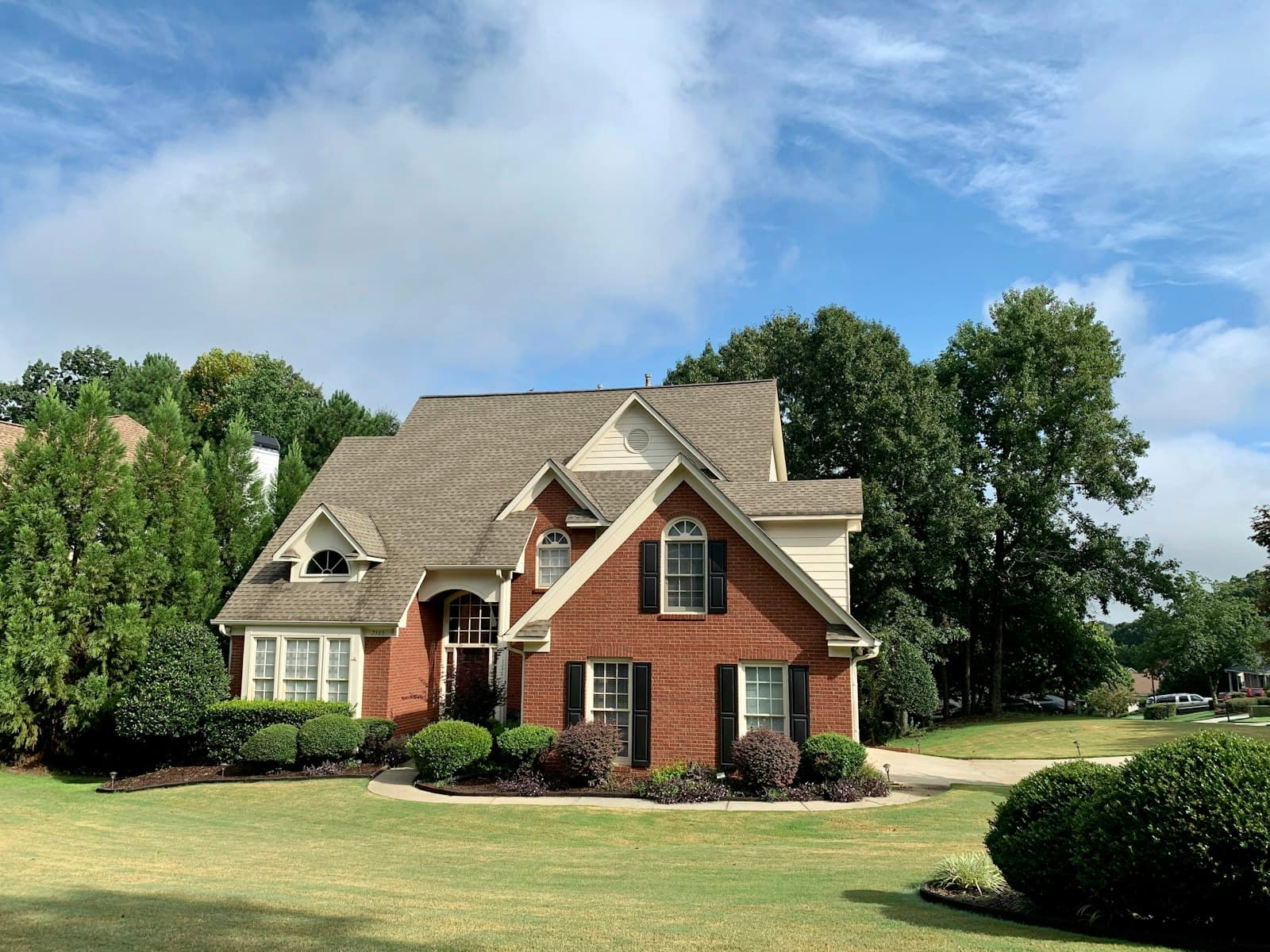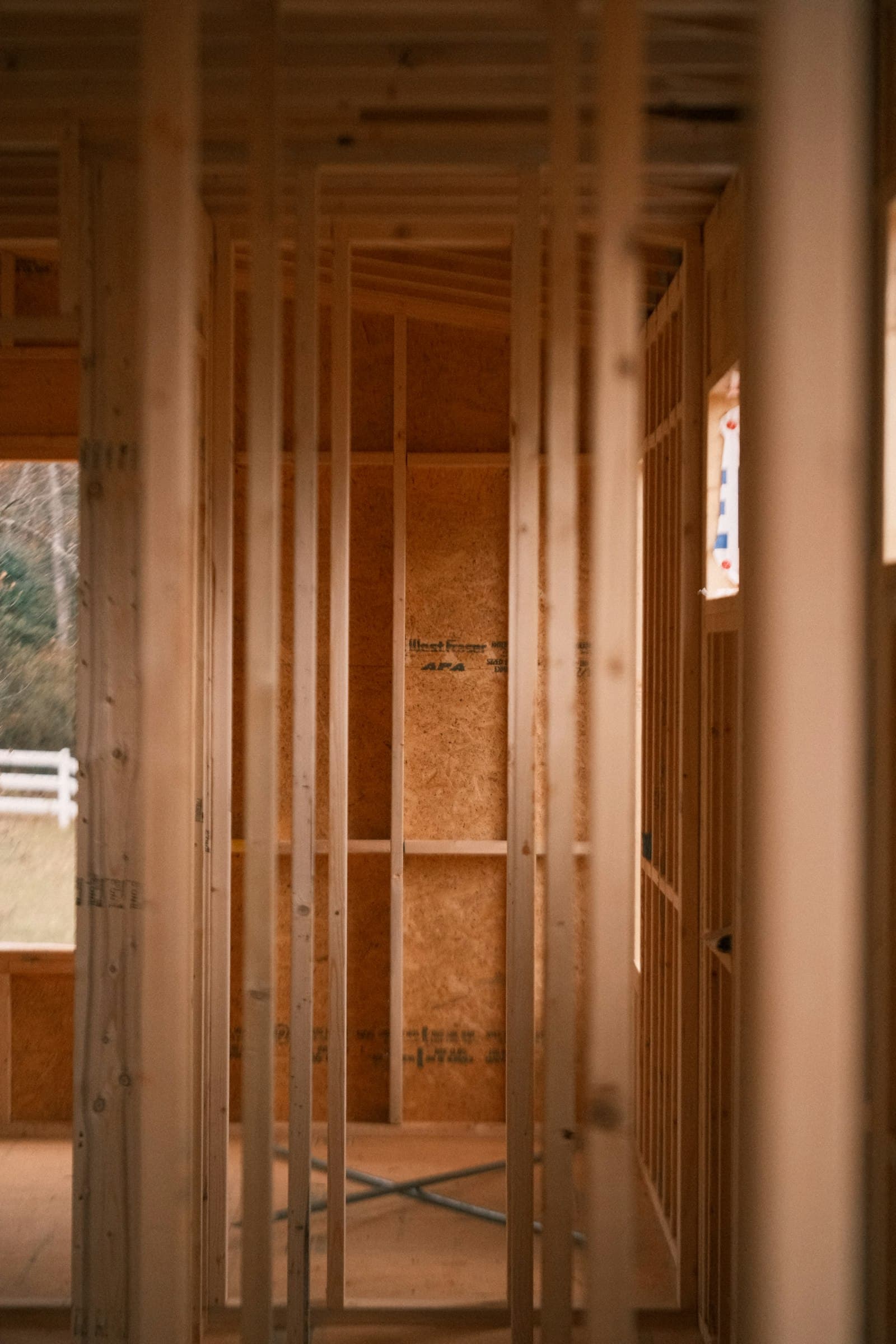
Most pole barns and lean-to additions in Sherburne, Isanti, Wright and Chisago counties need a permit or zoning approval, but the office that gives it depends on where your lot is. Inside a city, the city handles it. Outside city limits, the county planning and zoning office usually does, unless your township runs its own zoning. Rules on size, height, setbacks and how many accessory buildings you can have differ by jurisdiction, zoning district and lot size, so the first call is to the county zoning office with your parcel number.
This post will not give you a setback or a size limit, because those change by parcel and are revised from time to time, and a number from a blog is how people end up moving a building. What it will give you is who to call, what they will ask, and the questions that catch people out.
City, township or county: who do you call?
Start with where the parcel sits. If it is inside city limits, the city's planning and building departments handle zoning and permits, and county rules generally do not apply. If it is outside city limits, the county planning and zoning office is usually the zoning authority, but some townships adopt and run their own zoning. The county office will tell you which applies to your parcel.
Building permits and zoning are separate. Zoning decides whether the building is allowed there, how big, how tall and how far from the lines. A building permit covers how it is built, where the State Building Code is enforced. In some rural areas there is zoning approval but no building permit or inspection; in others there are both. Ask about both.
| County | Outside city limits, start with | Inside a city |
|---|---|---|
| Sherburne | Sherburne County planning and zoning | The city (e.g. Zimmerman, Elk River, Big Lake, Becker) |
| Isanti | Isanti County zoning | The city (e.g. Cambridge, Isanti, Braham) |
| Wright | Wright County planning and zoning | The city (e.g. Buffalo, Monticello, Otsego, St. Michael) |
| Chisago | Chisago County zoning | The city (e.g. North Branch, Chisago City, Lindstrom, Rush City) |
What the zoning office will ask
Expect these questions, and have answers before you call:
- Parcel ID and lot size.
- Building size, wall height and overall height, and whether it has a lean-to.
- Where it will sit: distances to the property lines, the road, the house, the septic system and the well.
- How many accessory buildings are already on the lot and their sizes.
- Use: storage, a shop, animals, a home business, or farming.
- Whether there is a lake, river, wetland or floodplain nearby.
- Whether it will have power, plumbing, heat or a concrete floor.
How is a lean-to treated?
Usually as part of the building. A lean-to added to an existing pole barn adds to its footprint, so it counts toward any limit on accessory building size and has to meet the same setbacks as the building itself. An open lean-to may be treated the same as an enclosed one. Some jurisdictions also want plans or engineering for how the lean-to ties into the existing building. Ask before you design, because a lean-to that pushes the building past a size limit or into a setback can require a variance or a smaller addition.
The agricultural building exemption
Minnesota law exempts qualifying agricultural buildings from the State Building Code. It does not exempt them from zoning, and whether your building qualifies depends on how it is used and how the county applies the definition. A shop or storage building on a rural lot is not automatically agricultural. If you think the exemption applies, ask the county what it needs from you to show it, and get the answer in writing.
Rules that catch people out
- Shoreland and floodplain. Lots near lakes, rivers and some wetlands have extra setbacks and limits on building size and hard surfaces.
- Septic and well setbacks. A building cannot sit on the drainfield or too close to the well.
- Size limits tied to lot size. Many ordinances allow more accessory building area on larger lots, so the same barn can be allowed on one lot and not the next.
- Height. Some ordinances limit wall or overall height, which matters for campers and lifts.
- Buildings before the house. Some jurisdictions do not allow an accessory building on a lot until there is a house.
- Driveway access. A new access onto a county or township road can need its own permit.
What to do before you order a building
- 1Call the county planning and zoning office (or your city) with your parcel ID and building size.
- 2Confirm whether you need zoning approval, a building permit, or both, and what drawings they want.
- 3Mark the corners on the ground and measure to the lines, septic, well and road.
- 4Call 811 (Gopher State One Call) before any digging.
- 5Get the approval or permit in hand before posts go in.
What JMB Builders does
JMB Builders is a licensed Minnesota residential building contractor (BC809005) based in Zimmerman, in Sherburne County, working across the north metro and central Minnesota. For pole barns and lean-tos we check with your jurisdiction before quoting, and when a permit or engineered plans are required they are part of the job. Send photos of the site and the size you have in mind for a first quote within one business day. Paid by check or direct deposit. Call 763-204-2099.
- Pole barn construction — jmbbuildersmn.com/services/metal-buildings/pole-barn-construction
- Lean-to addition on a pole barn — jmbbuildersmn.com/services/metal-buildings/pole-barn-lean-to-addition
- Metal garage or shop building — jmbbuildersmn.com/services/metal-buildings/metal-garage-shop-building
- Pole barn concrete floor — jmbbuildersmn.com/services/metal-buildings/pole-barn-concrete-floor
- Overhead door in a pole barn — jmbbuildersmn.com/services/metal-buildings/overhead-door-install-pole-barn
Frequently asked questions
Do I need a permit for a pole barn in Sherburne County?
Most likely you need at least zoning approval, and possibly a building permit. Inside a city like Zimmerman, Elk River or Big Lake, call the city. Outside city limits, call Sherburne County's planning and zoning office with your parcel ID; it will tell you what applies and whether your township handles zoning.
Do I need a permit for a pole barn in Isanti, Wright or Chisago County?
The same approach applies in each county. Inside a city, the city handles it. Outside city limits, start with the county planning and zoning office, which will tell you the rules for your parcel and whether a township runs zoning instead. Size, height and setback limits depend on the zoning district and lot size.
Does a lean-to on an existing pole barn need a permit?
Usually, yes. A lean-to is generally treated as part of the building, so it adds to the footprint, counts toward accessory building limits and must meet setbacks. Some jurisdictions want plans for the tie-in to the existing building. Ask the zoning office before you design it.
Are agricultural buildings exempt from permits in Minnesota?
Minnesota exempts qualifying agricultural buildings from the State Building Code, but not from zoning. Whether a building qualifies depends on its use and how the county applies the definition, and a shop or storage building on a rural lot is not automatically agricultural. Ask the county what it needs to show the exemption applies.
How close to the property line can I build a pole barn?
It depends on the jurisdiction, the zoning district, the lot and whether the line is a side, rear or road line. Shoreland lots have their own setbacks, and the septic and well add more. The county or city zoning office gives the numbers for your parcel. Get them before you order the building.
How long does a pole barn permit take?
It varies by office and season. A straightforward zoning approval can be quick, while a building permit with plan review, or anything needing a variance or a shoreland review, takes longer. Ask the office for its current turnaround when you call, and apply before you order the building.