
Drill and Fill Wall Insulation — Dense Pack for Existing Walls
A pre-1960s house with empty walls, cold to the touch and drafty at every outlet, insulated from the outside without tearing off the drywall or the plaster.
JMB Builders does drill and fill wall insulation on older homes across the Twin Cities metro: a hole drilled into each stud bay from outside under a lifted siding course or from inside through the plaster, cellulose dense-packed into the bay until it will not take more, then the hole plugged and the siding or wall patched. The walls stop being cold and the drafts stop. Priced per project, quoted from your photos within one business day.
- Dense-pack cellulose, one hole per stud bay
- From outside under the siding, or inside through plaster
- Quote from photos in 1 business day
- Licensed MN contractor BC809005
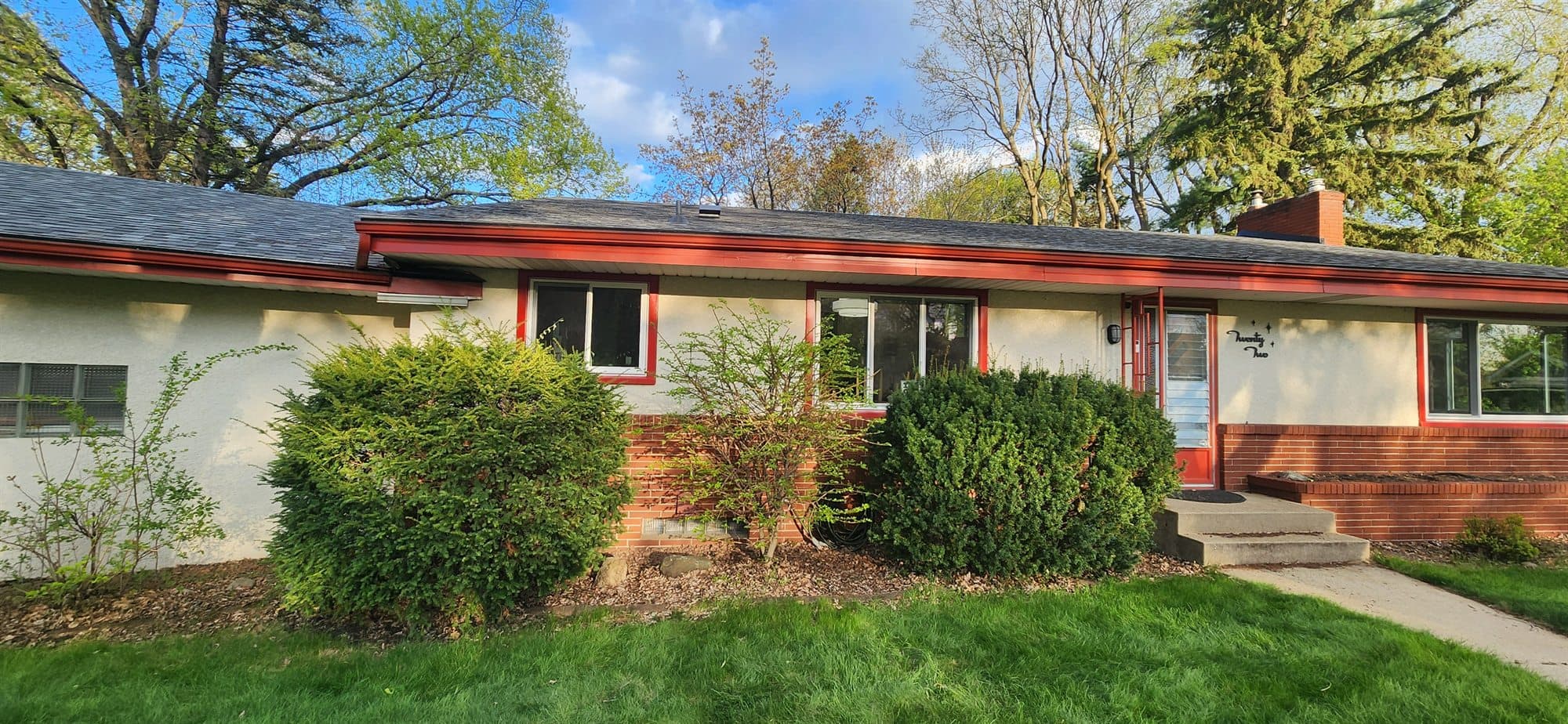
Houses in the Twin Cities built before about 1960 mostly have nothing in the walls. Put your hand on an outside wall in January and it is cold; hold it near an outlet and you feel the draft. Tearing the drywall or plaster off every outside wall to insulate is a remodel. Drill and fill is the alternative: one hole in each stud bay, cellulose blown in through a hose under enough pressure to pack the bay solid, and the hole closed. The wall is insulated and air movement inside it stops, without touching the rooms.
The holes go where they are easiest to hide. On lap siding we lift a course, drill through the sheathing, fill, plug, and drop the course back, so nothing shows. On vinyl or steel the panel unlocks the same way. On stucco we drill from inside through the plaster and patch, or from outside and patch the stucco, depending on which finish is easier to make disappear. Every bay gets probed for blocking, fire stops and the diagonal bracing that older houses have, and gets a second hole when something splits it.
Two things have to be checked first. Knob-and-tube wiring cannot be buried in insulation; if it is live in the walls an electrician has to replace it or certify it dead before we fill. And a wall that has been wet, at a bad window or a missing kick-out, gets the leak fixed before it gets packed, or the cellulose just holds the water.
What you supply
- Photos of each side of the house showing the siding type, and one of an outlet or a wall opening if you have seen inside the wall
- The house's age and whether you know of any wiring type or previous insulation
- Interior access if the fill has to be done from inside, with furniture pulled off the outside walls
- Paint or stucco patch color if holes are made from inside or through stucco
What JMB supplies
- Probing each bay for blocking, bracing and existing insulation before drilling
- Holes under lifted siding courses or through plaster, one or more per bay
- Cellulose dense-packed with a fill tube to the pressure that stops air movement in the bay
- Plugs in every hole, siding reset, or plaster and stucco patched ready for paint
- Painting of interior patches, quoted as its own line
- Cleanup of cellulose dust inside and out
- Photos of the holes and the finished walls in your job folder
How it is priced: per project
Quoted in writing from your photos within one business day. What moves the number:
- Wall area of the outside walls and number of stories
- Siding type: lap that lifts vs. stucco or brick that has to be drilled through and patched
- Filling from inside, with patching and paint as their own lines
- How much blocking and bracing is in the walls; more splits mean more holes
- Knob-and-tube wiring that has to be dealt with by an electrician first
- Wet or damaged sections found while probing, repaired before filling
Yard photos of each side and the house's age are enough for the quote. If you have a wall open anywhere, a photo inside it tells us what we will find.
How long it takes
A single-story house: one to two days. A two-story: two to three days, including resetting the siding and patching.
How your project works
- 1
Send photos, get a written quote
Send three photos of the space and a sentence about what you want. You get a clear, itemized quote within one business day. We only come out to measure first when the job needs a tape measure — no pressure, no games.
- 2
Pick materials, or bring your own
We help you choose profiles and materials that fit the house and the budget, or match your existing millwork exactly — or you buy the door or trim yourself and we install it. Everything is confirmed before the crew is scheduled.
- 3
Clean, precise installation
The crew shows up on time, protects floors and furniture, and installs with tight joints and consistent reveals. Photos of the finished work go in your job folder.
- 4
Walkthrough and invoice
We walk the finished work with you. If anything is not right, we fix it before we call the job done. Then one invoice, paid by check or direct deposit — no card fees, no payment links.
Situations and options
Lap siding from outside
The cleanest version. A course of wood, LP, vinyl or steel siding is lifted or unlocked, one hole per bay is drilled through the sheathing, the bay is filled and plugged, and the siding goes back. Nothing shows when it is done.
Stucco or brick
Drilled from outside and patched, or from inside through the plaster with the holes patched and painted. We recommend whichever finish is easier to hide; on a painted stucco house that is usually outside, on a textured stucco house it is inside.
Kneewalls and sloped ceilings
Story-and-a-half houses have sloped ceiling sections and kneewalls with empty bays that drill and fill reaches from the attic side or from the room. It pairs with attic air sealing on the same visit.
Wall insulation during a re-side
If the siding is coming off anyway, the holes go straight through the sheathing with no lifting or patching, and the house wrap covers them. Cheapest version of the job; see the siding pages.
Drill and Fill Wall Insulation — Dense Pack for Existing Walls: questions, answered
How do you insulate existing walls without removing drywall?
By blowing cellulose into each stud bay through a hole. On lap siding the hole goes through the sheathing under a lifted course, so it never shows. A fill tube goes to the bottom of the bay and the cellulose is packed from the bottom up until the bay is full and the blower stalls. The hole is plugged and the siding reset. The rooms are never opened.
What is dense pack cellulose?
Cellulose insulation blown into a closed wall cavity at enough pressure that it packs tight and cannot settle or let air move through it. It is the same recycled paper product used loose in attics, installed with a narrow fill tube and a blower set for pressure. Done right, the bay is solid from top to bottom and the wall stops acting as a chimney for cold air.
Can I insulate the walls of a 1950s house?
Yes, and it is the typical drill and fill house: platform framing, lap or stucco siding, empty walls. The two checks are wiring and water. Knob-and-tube wiring has to be dead or replaced before insulation touches it, which an electrician handles, and any wall that has been getting wet at a window or a roof edge gets the leak fixed first.
Will drill and fill damage my siding?
Lap siding is lifted with care and reset with the same nails or new ones; the odd brittle board on very old wood siding can split and we replace that board. Vinyl and steel unlock and relock without damage. Stucco and brick get drilled and patched, and the patch shows until it is painted or weathers in. We tell you which to expect before we start.
Does blown-in wall insulation cause moisture problems?
Not in a wall that is dry to begin with. Cellulose can absorb and release small amounts of moisture without harm. The problems come from packing a wall that has a leak, because the insulation then holds the water against the framing. That is why we probe every bay and fix any wet spot first. Bath fans and kitchen vents that run to the outside matter more here than the insulation does.
How much difference does wall insulation make in an old house?
The walls stop feeling cold, the drafts at outlets and baseboards on outside walls stop, and rooms on the north and west sides hold their temperature. It is the second-best payback after the attic and the rim joist, which is why we usually suggest doing those first if they have not been done, then the walls.
Get a written quote for this job
Three photos and a sentence is enough. You hear back within one business day. Or text the photos to 763-204-2099.
Related jobs we do
Attic Insulation Blown In — Air Sealed First, Then Filled
Ice dams, a furnace that never shuts off, a bedroom that is cold at the ceiling: the attic is the first place to look and the best payback in the house when the air sealing is done before the fluff.
Read moreRim Joist Insulation — Foam Board and Spray Foam at the Basement Rim
The rim joist is the leakiest foot of wall in the house and the fiberglass stuffed in it does nothing. Foam it right and the kitchen floor stops being cold in January.
Read moreSpray Foam Insulation — Closed Cell for Attics, Rims and Pole Barns
Where fluff will not do the job — a rim joist, a cathedral ceiling with no room for vents, a pole barn with a sweating roof — closed-cell spray foam seals and insulates in one pass.
Read moreVinyl Siding Installation and Replacement
New vinyl siding that stays flat and stays on: the wrap and flashing underneath done properly, the panels hung with room to move, and the windows and doors trimmed so they do not look like an afterthought.
Read moreLP SmartSide Siding Installation — Engineered Wood Lap and Panel
Engineered wood siding that looks like painted cedar and takes a hailstorm, installed with the sealed cuts, joint flashing and clearances that keep it that way through Minnesota winters.
Read moreStucco Window Trim Repair — Rotted Trim on a Stucco House
The wood trim around the windows on your stucco house is soft at the bottom and the caulk against the stucco has split. We replace the trim in PVC and seal it to the stucco the right way.
Read morePage reviewed September 24, 2026 · JMB Builders LLC, MN license BC809005 · All insulation pages
Where we work
Insulation near you
Based in Zimmerman, scheduling across the Twin Cities metro. Closest first: