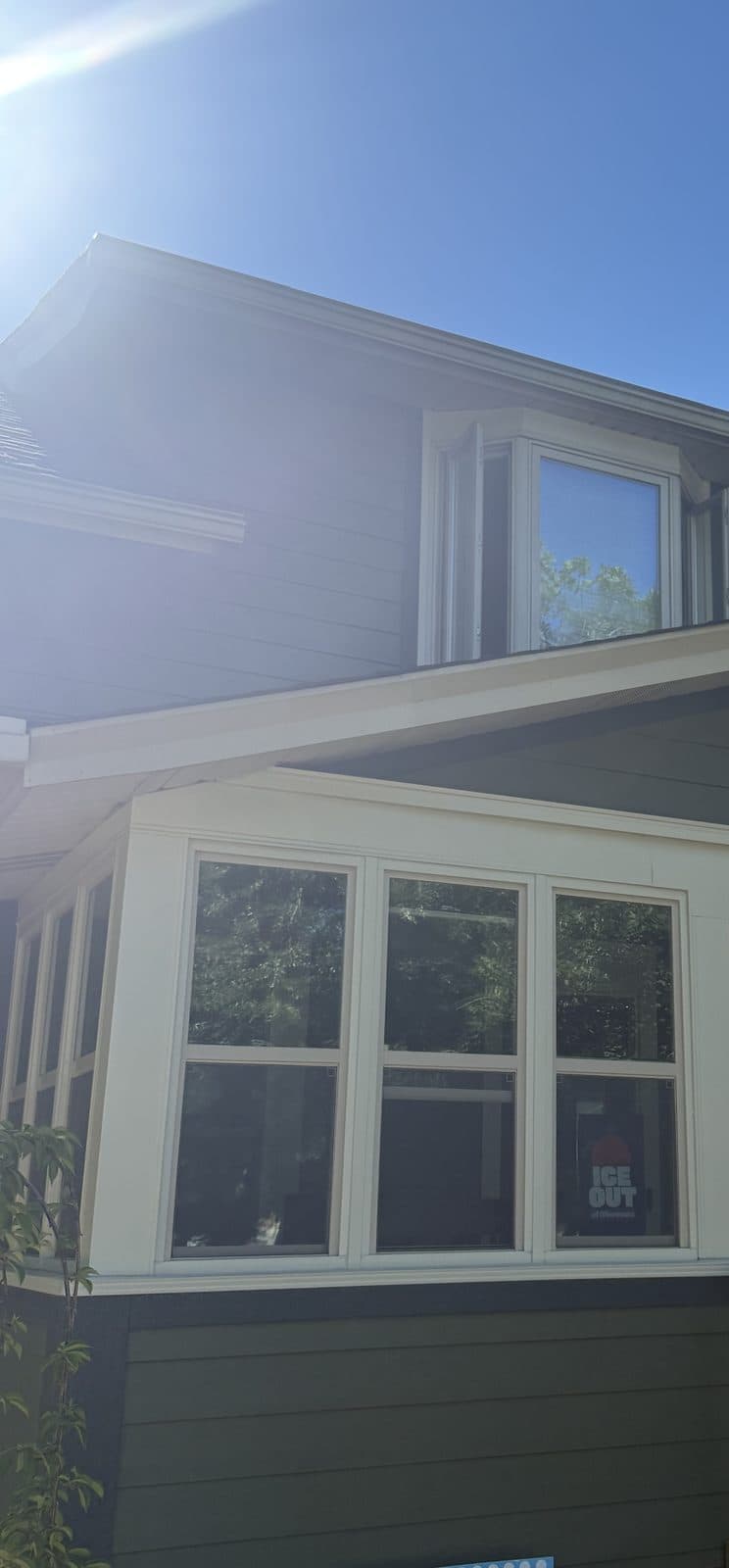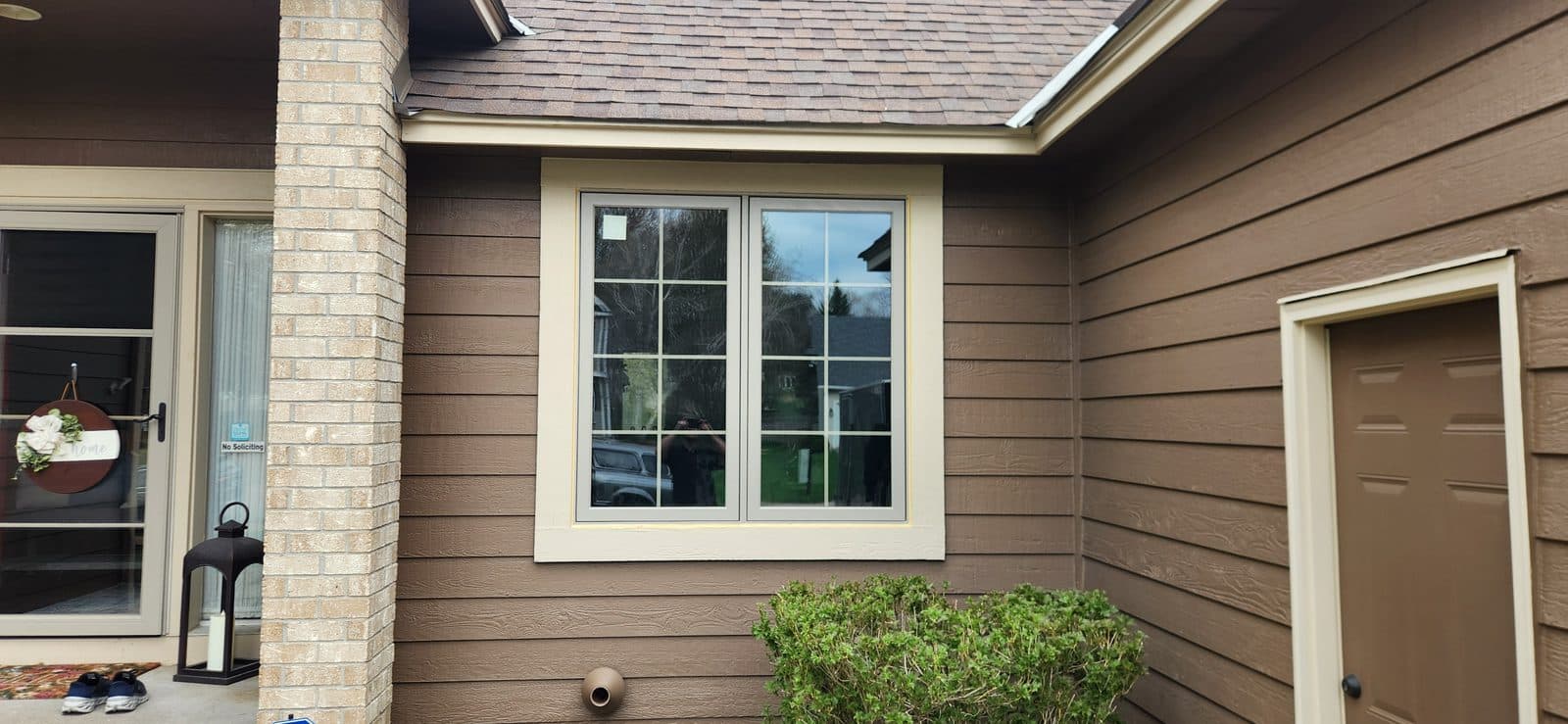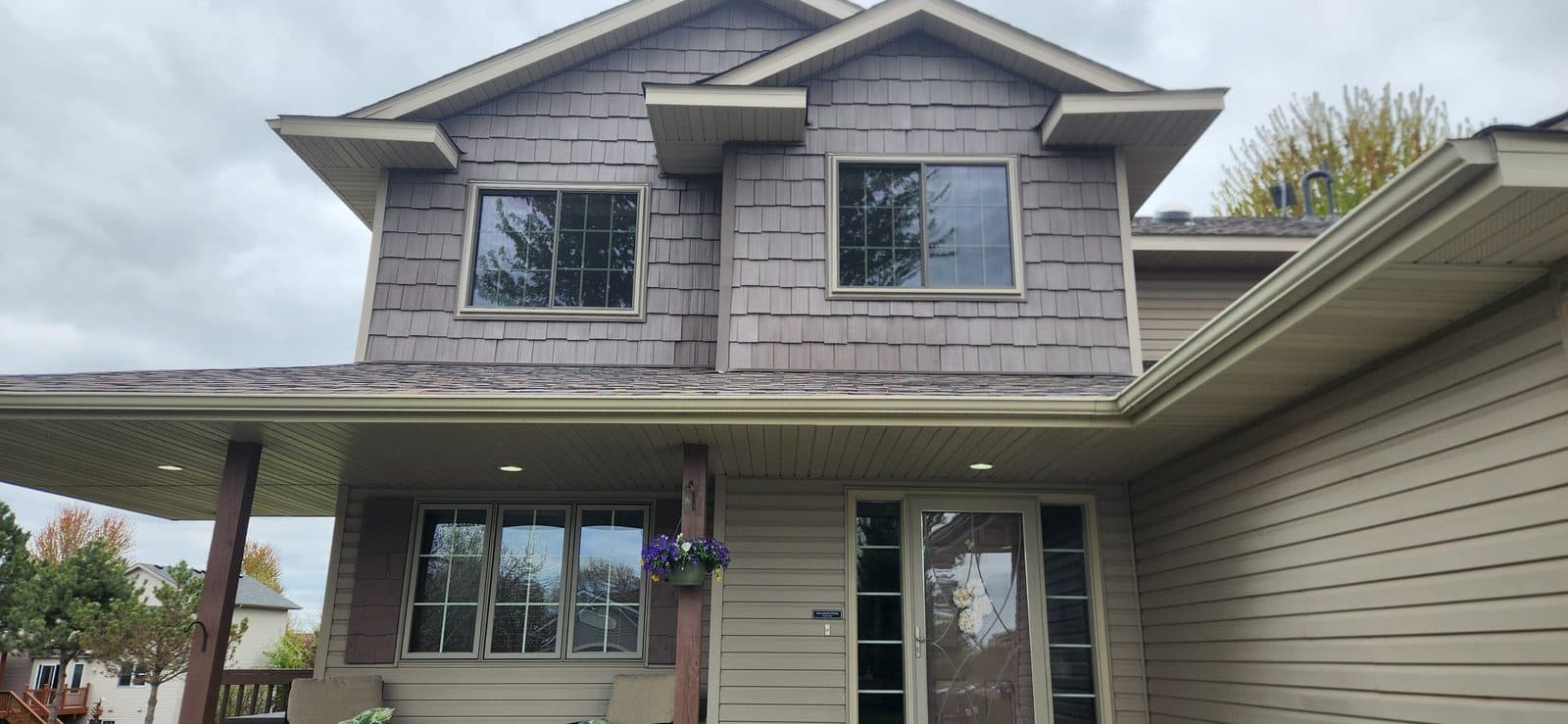
Fall is the best season to replace windows in Minnesota, and winter is a close second for scheduling. This applies to any Twin Cities homeowner with standard replacement windows, and just as well if you are buying the windows yourself and hiring the labor. The glass package you order matters more than the month you install it.
The season changes three things: how long the manufacturer takes to build the window, how far out the crew is booked, and how soon you start saving on heat. Here is how each one plays out, and what has to be true of the install in any month.
Which season is best for window replacement in Minnesota?
Every season works. Each has a trade-off between weather, scheduling and how quickly you feel the benefit.
| Season | Working conditions | Scheduling | What to watch |
|---|---|---|---|
| Spring | Good; sealants cure fast | Lead times stretch as everyone orders | Order in March or April for an early-summer install |
| Summer | Best; long days | Busiest; crews book weeks out | Get quotes in late spring, not July |
| Fall | Good for caulk, foam and flashing tape | Loosens after summer | Heating season starts with tight windows |
| Winter | Fine with cold-rated products | Most flexible | One opening at a time; warm the sealant tubes |
When should you order for a spring or early-summer install?
Spring is when most homeowners start thinking about windows, so manufacturer lead times stretch. Order in March or April if you want the windows in before air-conditioning season. Spring installs are comfortable and the sealants cure fast.
Why is summer the hardest season to book?
Summer has the best working conditions and the longest days. It is also the busiest season for every window contractor in the metro. Good crews book out weeks ahead and popular window lines carry their longest lead times of the year. If summer is the target, get quotes in late spring, not July.
Why is fall the best season for most Minnesota homeowners?
Fall is the smartest window season in Minnesota. Temperatures are still good for caulk, foam and flashing tape, the schedule loosens up after summer, and you go into heating season with tight windows instead of waiting until spring to feel the difference.
Fall is also when drafts from failing windows show up. If a room was cold last winter, do not wait for the first snow to start.
Can windows be replaced in a Minnesota winter?
Yes. Experienced crews replace windows all winter. We work one opening at a time, so the house is never wide open. A single insert window is usually out and back in within an hour and the room barely loses heat. Winter scheduling is often the most flexible of the year, and you feel the change the same night.
Winter does change the products. Window-and-door foam, flashing tape and sealant all have a minimum application temperature printed on the can or the roll. Low-temperature versions exist for each, and the crew has to use them, keep them warm in the truck, and on a full-frame job prime or warm the sheathing so the flashing tape actually sticks. Done that way there is no quality compromise. A crew that installs in this climate every year already works that way.
What should the window itself have, in any season?
The install date is a scheduling question. The window spec is where the winter savings actually come from, and it is the same in June or January. Order it right the first time because lead times make a re-order painful.
Glass package: two or three panes, a soft-coat low-E coating on the inside face of the outer pane, argon gas between the panes, and a warm-edge spacer (stainless steel, silicone foam or thermoplastic rather than a plain aluminum bar) so the edge of the glass does not frost. A standard double-pane low-E argon unit rates around a 0.27–0.30 U-factor. ENERGY STAR Version 7.0 sets the Northern zone at 0.22 or lower, which in practice means triple-pane or a second low-E coating on the room-side surface of the inner pane.
Frame: a multi-chamber vinyl, foam-filled fiberglass or clad-wood frame, with an NFRC air leakage rating of 0.3 cfm per square foot or less. Casements and awnings compress shut and leak the least; sliders and double-hungs seal by sliding contact.
Ratings: read the NFRC label, not the brochure. U-factor (lower is better), solar heat gain coefficient, visible transmittance and air leakage. Photograph the label before it comes off.
How does the install decide whether the season mattered at all?
A window installed in perfect September weather with an empty gap around the frame will be colder in January than a window installed at 10 degrees with the gap done right. The gap between the frame and the rough opening, usually a quarter to three-eighths of an inch, gets low-expansion foam, not fiberglass and not high-expansion foam that bows the jambs. Wide gaps get backer rod and sealant on the interior so the air seal is continuous from drywall to frame. On a full-frame job the sill gets a pan with a back dam and the jambs and head get flashing tape lapped shingle-style before the window is set. On an insert, the old exterior sill gets capped and sloped so water runs off, and the joint between the new frame and the old one is sealed on both sides.
That is the checklist that makes a window perform in this climate. The month is secondary.
When is the best time to replace a window that is already failing?
Failed seals, rotted frames and drafty sashes only get worse, and an emergency timeline limits what you can order. Whatever the season, the process starts the same way: send photos, get a reply within one business day, then pick a date.
What JMB Builders does
JMB Builders is a licensed Minnesota residential building contractor (BC809005) based in Zimmerman, working across the Twin Cities metro in every month of the year. One crew, one opening at a time, every brand, no dealer ties. Call 763-204-2099 (text) or send photos through the site.
- Labor-only installation of windows you bought at a store or online — jmbbuildersmn.com/services/labor-only
- Insert and full-frame replacement windows, measured and ordered by us — jmbbuildersmn.com/services/full-service
- What to check before you order a window for us to install — jmbbuildersmn.com/services/labor-only/which-window-brand-to-buy-for-labor-only-install
- Trim-out after another company's window installation — jmbbuildersmn.com/services/window-trim/trim-out-replacement-windows-left-bare
- Send three photos and we reply within one business day.
Frequently asked questions
Can you replace windows in the winter in Minnesota?
Yes. Crews that work in this climate replace windows all winter, one opening at a time, so the house is never open for long. Cold-rated foam, flashing tape and sealant are used and kept warm until they go on. The room loses little heat and the new window is tight the same night.
How long does it take to replace one window?
An insert replacement is usually out and back in within about an hour, so a crew does three to five in a day. A full-frame replacement with siding and trim work takes most of a day for one window, less each when there are several. Foaming and sealing the gap is part of that hour, not an extra.
How far ahead should I order replacement windows?
Order several weeks before you want them installed during spring and summer, when popular lines have their longest lead times; ask the supplier for the current number because it changes through the year. In fall and winter the wait is often shorter. If you are buying the windows yourself, confirm the size, insert or nailing-fin, jamb depth and glass package before you order.
Is window replacement cheaper in the off-season?
The labor is the same job in any month, so the install price does not swing with the season. What changes is availability: winter dates are easier to get. Manufacturer promotions come and go on their own calendar, so ask what is running when you order.
Does cold weather hurt the caulk or foam?
Not when the right products are used. Low-temperature window foam and sealants are rated for winter work and cure fine, and cold-weather flashing tape sticks when the surface is primed or warmed. The crew keeps the tubes warm and works one opening at a time so the house stays closed up.
Should I wait until spring if a window is fogged or drafty?
No. A fogged window has lost its argon and most of its insulating value, and a drafty one costs you heat every day it stays in. Winter scheduling is flexible, and the fix is the same job it would be in June.